
Remember me








According to guidelines from the American Heart Association (AHA), women are now classified into three groups: high risk for heart disease, at risk, or ideal cardiovascular health. The high-risk group changed little from previous years and includes women with established heart disease, chronic kidney disease, or diabetes, among other risk factors.
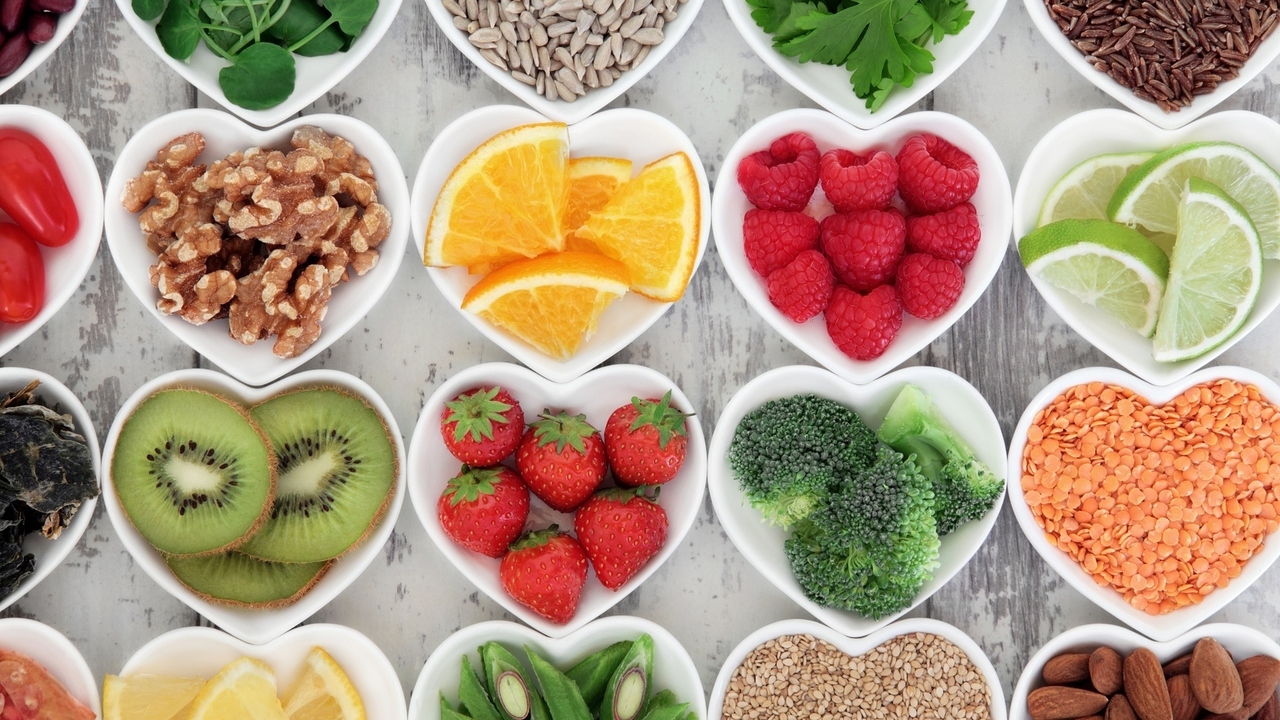
Most of these foods have less than one gram of fat, the two exceptions being chickpeas and wheat germ (which, incidentally, are still considered low-fat). Each one is high in fiber and supplies healthy doses of one or more antioxidants. And as a bonus, not one of these foods has even a smidgen of dietary cholesterol. Apples. One medium-sized fruit (about five ounces) has three grams of fiber, eight milligrams of vitamin C, and 0.6 IU of vitamin E. Apricots. You get 111 milligrams of vitamin C – almost two times the Daily Value – in three fresh apricots. They also provide two grams of fiber and one IU of beta-carotene.
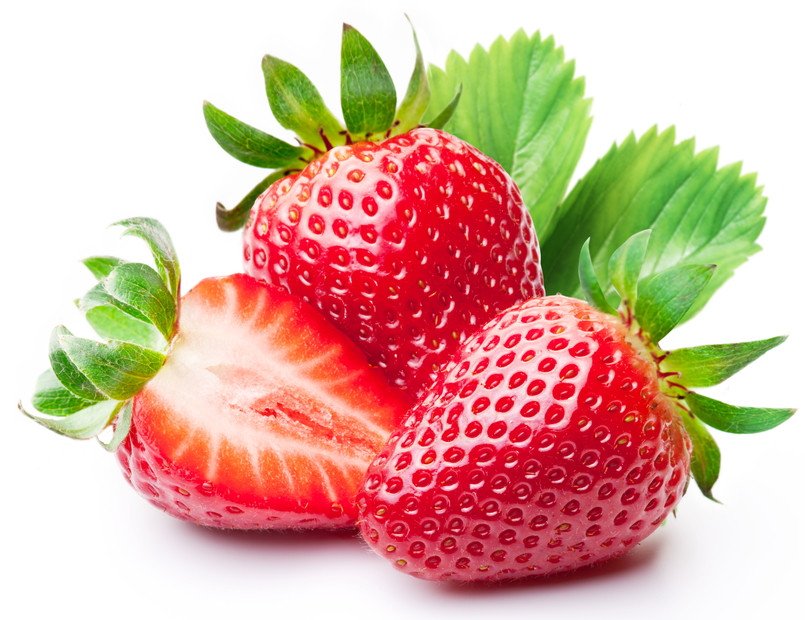 Strawberries with leaves. Isolated on a white background.
Strawberries. These bountiful berries offer 85 milligrams of vitamin C and four grams of fiber in every one-cup serving.
Sweet potatoes. Sweet potatoes pack a beta-carotene punch, with one baked four-ounce spud supplying 83 IU of the nutrient. As a bonus, it can boost your intake of fiber (three grams) and vitamin C (28 milligrams).
Sweet red peppers. One-half cup of chopped red peppers has only 0.8 grams of fiber and one IU of beta-carotene. But you get more than a day’s supply of vitamin C – 95 milligrams.
Wheat germ. One-quarter cup of toasted wheat germ contains three IU of vitamin E, making the grain one of the best food sources of E. You get a good four grams of fiber, too.
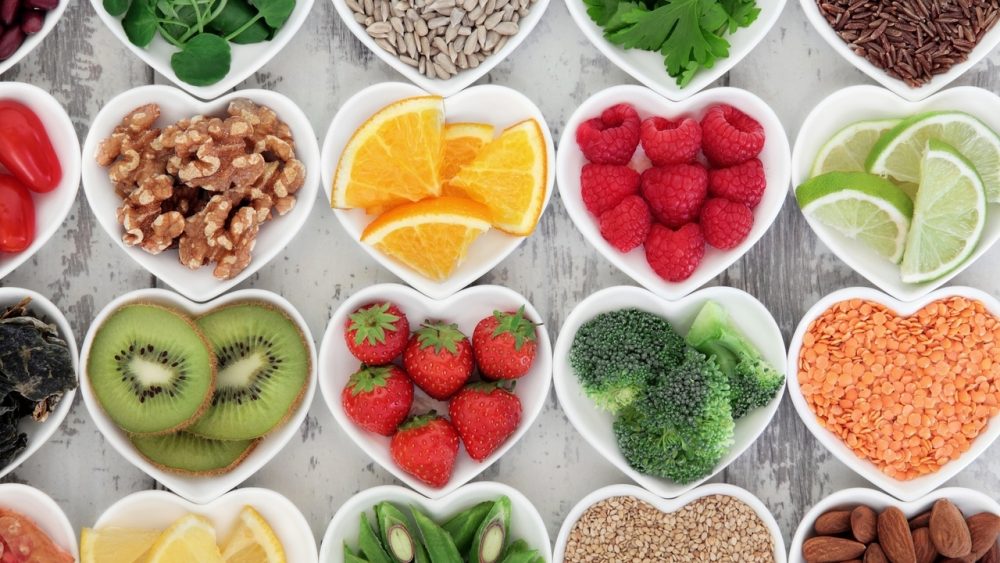
Strawberries with leaves. Isolated on a white background.
Strawberries. These bountiful berries offer 85 milligrams of vitamin C and four grams of fiber in every one-cup serving.
Sweet potatoes. Sweet potatoes pack a beta-carotene punch, with one baked four-ounce spud supplying 83 IU of the nutrient. As a bonus, it can boost your intake of fiber (three grams) and vitamin C (28 milligrams).
Sweet red peppers. One-half cup of chopped red peppers has only 0.8 grams of fiber and one IU of beta-carotene. But you get more than a day’s supply of vitamin C – 95 milligrams.
Wheat germ. One-quarter cup of toasted wheat germ contains three IU of vitamin E, making the grain one of the best food sources of E. You get a good four grams of fiber, too.
Get as much fibre as you can. Green beans, lady fingers, cauliflower, spinach, tomatoes, and oranges all have the added benefit of being loaded with folic acid. Studies have shown that if you keep fat between 10 and 15 per cent of the total calories you consume each day, it’s possible to stop and even reverse clogging of the arteries. By steering clear of meat, you’ll avoid not just the worst kind of fat (saturated) but also cholesterol and animal protein. The little fat that you do eat should be monounsaturated (such as olive or canola oil), which has been shown to lower blood cholesterol.
Disclaimer
The Content is not intended to be a substitute for professional medical advice, diagnosis, or treatment. Always seek the advice of your physician or other qualified health provider with any questions you may have regarding a medical condition.
Comments (0)