
Remember me










Facebook connects people and Instagram celebrates moments, but Pinterest surfaces images and ideas that help users find what they want to buy. It’s a visual discovery engine that uses a social media algorithm that’s more like YouTube’s than X’s.
If you don’t know how the Pinterest algorithm works, you risk wasting your budget on Pins that never surface in search. In fact, adapting to algorithm changes was among the top challenges for marketers that year. This is just one of many social media algorithms that brands must master.
Here’s what you need to know about how ranking on Pinterest works, plus practical steps to optimize your Pins for greater visibility and engagement.
What is the Pinterest algorithm?Pinterest’s algorithm is the engine that powers its network. In other words, it’s the “special sauce” that determines which Pins land in the places that matter: search results, home feeds and “related Pins” recommendations. A combination of eye-catching visuals, text overlays and user engagement fuels these signals.
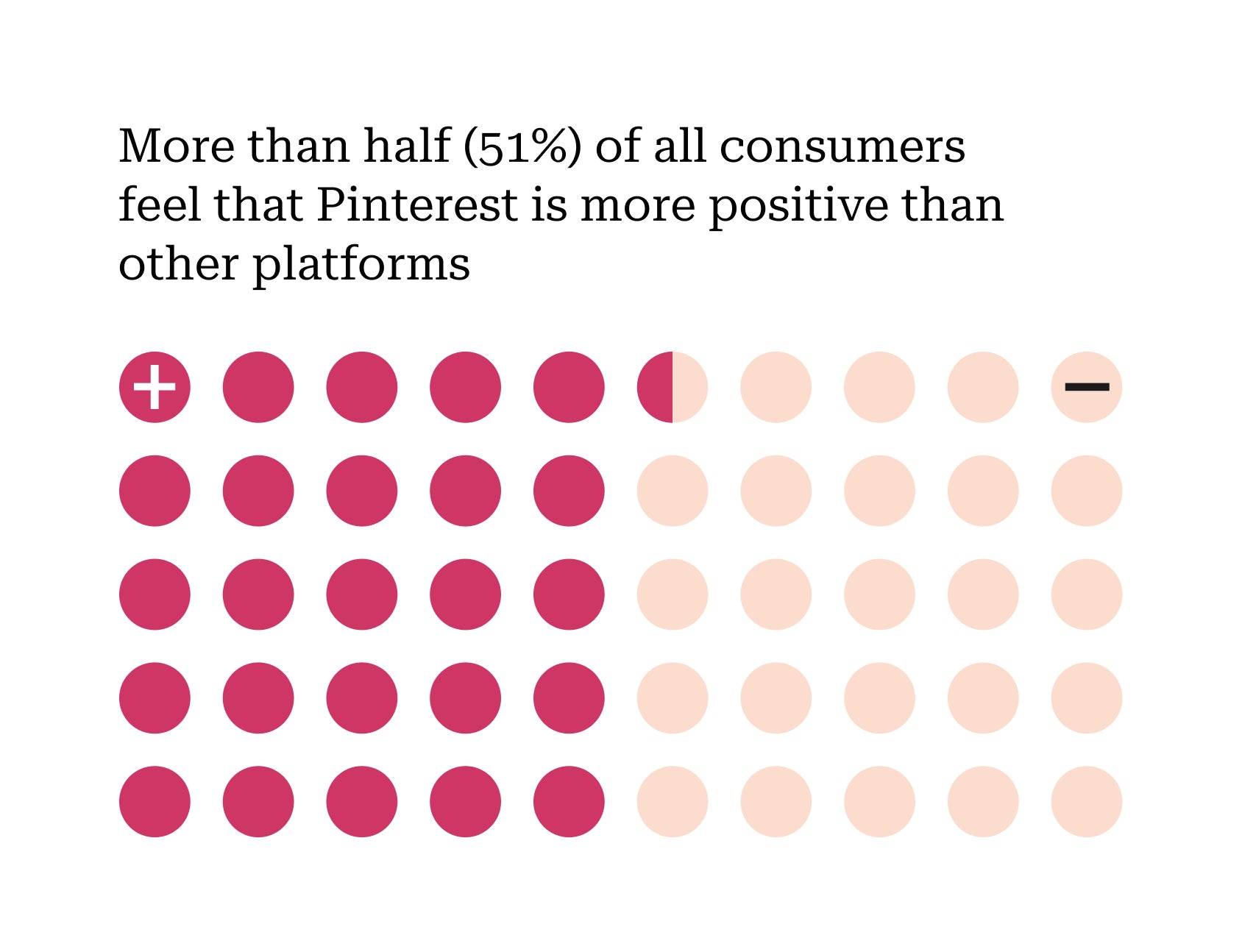
As social media search becomes more competitive and visual-first, Pinterest stands out as a network for brands that understand discovery. That’s because, unlike other social media networks, Pinterest acts as a visual search engine that delivers ideas, products and inspiration when people are ready to buy. In fact, 85% of weekly Pinterest users say they’ve purchased something from a Pin. And according to Sprout Social’s 2024 Social Media Content Strategy Report, more than half of consumers say that Pinterest feels more positive than other social media networks.
Underneath the Pinterest hood, machine learning takes the wheel. The network’s algorithm tracks what users click, save and engage with. It then learns from those patterns and predicts what they’ll want to see next. As a result, Pins that match genuine interest naturally rise to the top.
How the Pinterest algorithm works: 4 key ranking signalsPinterest’s algorithm follows a simple logic: reward high-quality, fresh content that resonates. For this, it weighs four main signals—quality, engagement, relevance and freshness—to decide which Pins deserve visibility. Here’s more on how this process works:
1. Pin qualityPinterest measures each Pin’s quality and engagement, as well as how well a Pin captures attention and drives action over time. It also looks at how many people save your Pins, zoom in on images or click through to your site. As a result, the Pins that keep generating interest, rather than peaking once and disappearing, rise higher in results.
Simply put, high-quality Pins have the following qualities:
Visually compelling: The most successful Pins use high-resolution, vertically oriented images or videos. Engaging: High-ranked Pins generate saves, comments, zooms and click-throughs. Popular: The algorithm prioritizes Pins that keep generating interest, regardless of their age. 2. Pinner QualityThe algorithm also considers your account’s overall behavior, or your authority as a creator, to assess reliability. This includes signals like how frequently you post, whether you save your own content and how audiences respond to comments. The network rewards active, consistent contributors.
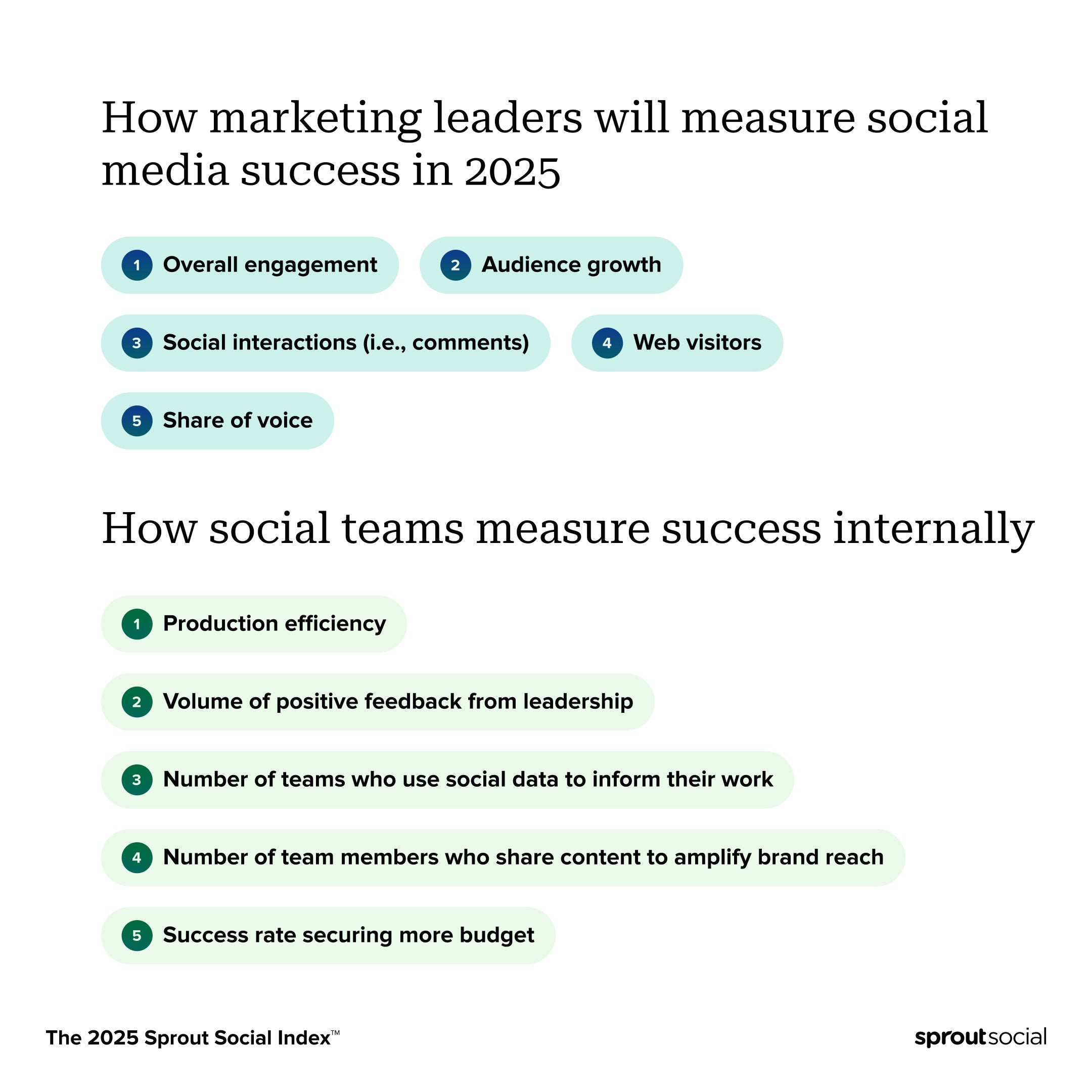
According to the 2025 Sprout Social Index™, engagement is the top KPI that leaders use to measure social success. On Pinterest, stronger engagement lifts your Pinner Quality and signals to the algorithm that you’re a trusted creator. In other words, the algorithm favors creators whose Pins consistently spark meaningful action over those who post irregularly or rely mainly on repins.
 3. Relevance
Relevance indicates whether your content reaches the right audience at the right moment. This is where keywords are critical. Pinterest’s algorithm scans titles, Pin descriptions, board topics and linked domains to understand intent and match Pins to what users are searching for. It also measures topic relevance, or how closely your content aligns with each user’s established interests.
A Pin about sustainable decor, for example, performs best when it does the following:
Includes relevant keywords Lives on a matching board Links to a domain that reinforces the same theme 4. Recency and freshnessPinterest wants to show users new ideas. That’s why the algorithm gives fresh Pins an early visibility boost, especially when they pick up engagement quickly.
Pinterest values a living ecosystem of ideas, not a static catalog. As a result, a steady flow of new URLs will strengthen your domain quality while also improving the visibility of your evergreen Pins over time.
Best practices to optimize your pinsPinterest stats show that users save more than 1.5 billion Pins every week, which makes this social network one of the most powerful discovery engines in social. But to stand out, brands need to capture a combination of creativity and consistency.
This is where strategy meets art: Pairing search-driven thinking with scroll-stopping design helps you create Pins that perform. Every visual choice, caption and keyword sends a signal to the algorithm about your content’s quality and intent. Small refinements add up here, especially when they align with Pinterest marketing best practices.
Here are a few tactics you can use to help your content stand out in search and feeds:
Master keyword research for PinterestPinterest behaves like Google since search intent drives discovery and keywords power visibility. This is why the most effective brands on Pinterest approach keyword research with a social-first mindset. The approach is similar to SEO but more heavily considers how people browse and save ideas.
To perform your own keyword research for Pinterest SEO, use the network’s autocomplete, related Pins and trending searches to find the language that your audience already uses. High-intent, long-tail keywords carry more weight than broad terms here, especially when they appear naturally in titles, descriptions and hashtags.
A strong Pin also includes the following information:
A clear title that contains the keyword and states a clear benefit (for example, “Summer outfit ideas for work”) A detailed Pin description with context and two or three keyword phrases Relevant hashtags that are specific to the contentKeyword-rich Pins enhance visibility, especially for e-commerce brands. They also surface extra details like pricing or product information, which drive more click-throughs and signal value to the algorithm.
Create engaging Pins: Video, idea and rich PinsResearch indicates that people retain a staggering 95% of a message they see in a video compared to just 10% from text. This is why video Pins and Stories tend to hold attention longer, which helps the algorithm recognize stronger engagement.
To try it out for yourself, test these high-engagement Pin formats:
Static Pins: A staple on Pinterest, these Pins are perfect for clean, eye-catching visuals that stop the scroll. They perform best when designs are simple, text overlay is clear and images tell a story at a glance. Video Pins: Short, vertical videos of products and tutorials capture moments and stories beyond the static image. They also encourage longer watch times and repeat views. Idea Pins: This multi-page format (formerly Story Pins) is excellent for step-by-step guides or collections. Additionally, the algorithm heavily favors these Pins for building engagement. Rich Pins: These Pins automatically sync information from your website to your Pins (like price, availability, ingredients or article headlines). This adds a layer of context that the algorithm loves, which makes your Pins more relevant and trustworthy.Pro tip: Dynamic content also makes your brand feel more human. With it, instead of just showing a product, you can let audiences see it in action.
Optimize your posting cadence
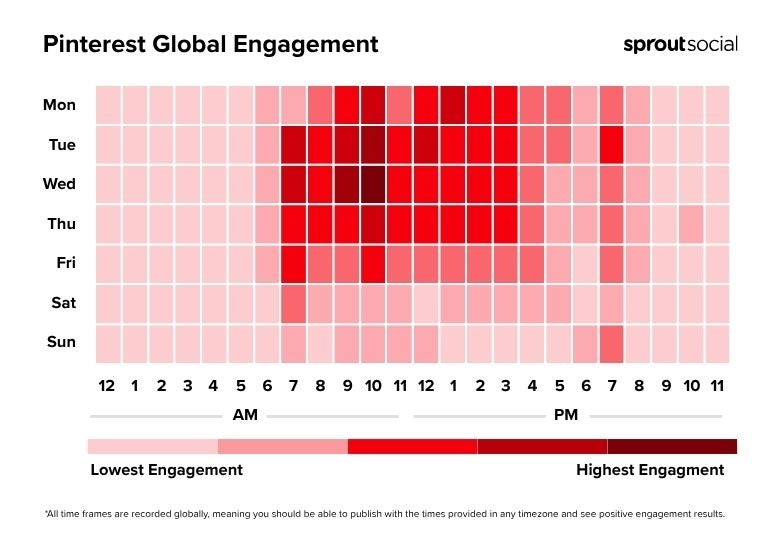
Post timing affects how quickly your Pin gains engagement. Pins that perform well in the first few hours signal quality to the algorithm, which can further extend their visibility. This early traction also leads to wider distribution across the network.
That’s why timing Pins for when your audience is most active helps your content reach more people. To identify those windows when users are most likely to engage with your Pins, lean on insights from your analytics or Sprout’s ViralPostⓇ feature.
 Post consistently with a Pinterest content calendar
Consistency on Pinterest matters too. That’s because the algorithm notices how often you show up, not just what you post.
A consistent posting cadence builds your Pinner Quality and indicates that your brand contributes reliably to the network. When your Pins follow a clear theme too, you’ll help the algorithm understand your niche and recommend your boards to the right target audience.
A content calendar makes this kind of consistency easier by turning your Pinterest presence into a growing library of ideas rather than just a pile of one-off uploads. Over time, that rhythm will help both your audience and the algorithm know what to expect from your brand and keep users coming back for more.
Measuring and adjusting your Pinterest strategyPinterest’s search algorithm is always evolving, so your strategy should too. Staying relevant now means paying attention to what’s working, testing new formats, spotting early shifts and adjusting before performance slips.
This kind of adaptability depends on measurement, but that’s where many teams hit a wall. According to Sprout’s data on social media ROI, 97% of marketers say they can communicate the value of social media to their brand, but only 30% feel confident about proving their return.
Using Pinterest’s built-in business account analytics alongside Sprout’s cross-platform insights helps social teams close that loop. By analyzing performance and iterating on what resonates, marketers can spot shifts early, experiment with new creative and refine their Pinterest strategy as the algorithm evolves. After all, the brands that treat iteration as part of their process, not a reaction, are the ones that stay ahead.
Below are three more ways to further fine-tune your Pinterest strategy:
Track metrics with Pinterest analyticsPinterest analytics reveal what’s really powering your visibility with metrics like impressions, saves, Pin clicks and click-throughs. These show how your content connects with people and where engagement starts to fall off.
Each metric also tells part of the algorithm’s story:
Impressions measure reach. Saves show interest. Clicks signal conversion potential.Performance isn’t about big numbers alone, though. Understanding which boards, topics or creative styles sustain engagement also helps you refine your focus. When certain formats consistently outperform others, for instance, that’s a sign that the algorithm has found a strong relevance between your content and your audience.
Use A/B testing on Pin typesOptimizing your results on Pinterest starts with testing. To do this, compare formats like static versus video or carousels versus Story Pins to see how your audience interacts with your content. Insights from these tests will highlight what catches and sustains their attention.
Sprout’s tagging feature simplifies this process by labeling posts for direct comparison across campaigns. This makes it easy to identify high-performing patterns and helps you decide where to invest your creative energy. When trends start to take shape, building on them helps your Pins gain momentum and increasingly grows their visibility.
Stay updated on algorithm changesEven small tweaks to Pinterest’s algorithmic ranking logic can shift what performs almost overnight. It’s the teams that notice those changes early that will be able to maintain strong visibility while others struggle to catch up.
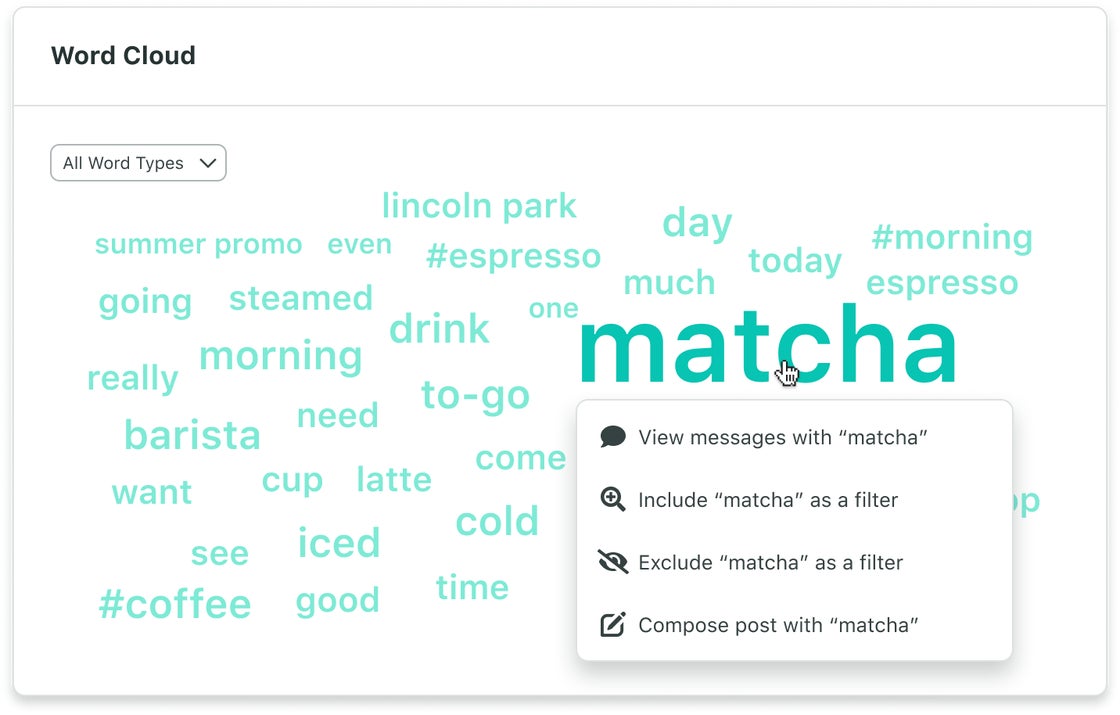
As an early warning system, use social listening tools to surface trends and detect shifts in language, imagery and search behavior across social and the web. Reporting dashboards then translate those signals into measurable data points that guide next steps. Sprout’s combination of listening and reporting in this area also helps social teams pinpoint new opportunities and catch drops in performance.
 How Sprout helps you succeed on Pinterest
Behind every strong Pinterest strategy is a system that keeps everything organized, consistent and measurable. That’s what Sprout does—it helps teams plan smarter, post on time and see what drives results with clarity, rhythm and data that elevates your content in Pinterest’s algorithm.
Here’s how you can use Sprout Social to achieve your Pinterest strategy goals:
Plan and schedule Pins with publishing and calendar toolsSprout’s social media publishing and calendar tools give you one central place to plan across Pinterest, Instagram, TikTok and the rest of your social media ecosystem. Seeing the full picture in this way will help you align your timing, creative direction and campaign pacing.
This cross-channel visibility also reduces guesswork and helps you manage recurring content, reuse high-performing assets and stay agile without losing structure. Fewer moving parts here mean stronger Pinner Quality and a workflow that scales as your brand grows.
Optimize timing with ViralPostⓇVisibility depends largely on timing, which is why Sprout’s ViralPostⓇ is so important. This feature studies engagement patterns across your audience and recommends when content is most likely to perform well. That way, instead of relying on trial and error, you can let the data guide your scheduling so every Pin gets a fair shot at discovery.

Then, when your Pins go live during peak windows, they’re more likely to earn early engagement. This, in turn, helps the algorithm recognize high-quality Pins and extend their reach across the home feed and related search results. As a result, you’ll end up with a more consistent, predictable rhythm for publishing.
Measure success with Premium AnalyticsEvery platform promises insights, but few deliver a complete view of ROI. Sprout’s Premium Analytics dashboards, however, connect activity with outcomes. This makes it easy for social practitioners to see which Pins drive traffic, which boards sustain engagement and which creative themes convert best.
Performance tracking becomes simpler when everything lives in one view, whether that’s comparing results across channels, tracking growth over time or identifying where to adjust. That’s why clear analytics transform data into decisions that directly improve visibility and impact.
Inform your Pins strategy with social listeningTrends on Pinterest often start on other networks, like TikTok and X, or in the broader culture. Sprout Social Listening monitors these conversations across the web, helping you spot emerging keywords, seasonal themes and creative directions before they peak on Pinterest.
Instead of guessing what to Pin, you can use these cross-platform insights to shape ideas that resonate. This ensures that your Pinterest content calendar is always relevant and ahead of the curve, which allows you to create Pins that meet demand, rather than just react to it.
Master the Pinterest algorithm with a data-driven approachWinning on Pinterest is about consistency, not hacks or luck. The brands that rise are those that treat Pinterest like the visual discovery engine it is and refine their approach through testing, data and creativity. That way, every insight becomes a building block for stronger performance, from keywords that convert to visuals that hold attention.
Sprout’s features turn this process into an optimization engine with clear data and easy visualization. This helps you spot what’s working, adjust quickly and keep the momentum going.
Ready to see how your Pins and repins perform more clearly, fine-tune your strategy, and keep your content visible where it matters most? Request a Sprout demo today to learn more.
Pinterest algorithm FAQsHow does the Pinterest algorithm work?
Pinterest’s algorithm is a machine learning system that curates content for a user’s Home Feed, search results and Related Pins. It works by analyzing a user’s past activity (like their saves and clicks) to understand their intent. It then matches that intent with Pins and ranks them based on quality, relevance and creator authority to deliver the most inspiring, useful content.
What are the top ranking factors on Pinterest?
These are Pinterest’s key pillars:
Pinner quality: The algorithm’s assessment of you as a creator based on your posting consistency and the overall engagement that your Pins receive Pin quality: The engagement and popularity of an individual Pin based on saves, clicks and comments Relevance: How well your Pin’s keywords, title, description and board topic match a user’s search query Recency: The freshness of your Pin (the algorithm gives an initial boost to new content)How often should brands post on Pinterest?
The quality of your posts is always more important than their quantity, but consistency counts for a lot too. Many high-performing brands post 5–10 fresh Pins per day. Additionally, spacing them across windows of high activity is smarter than posting them all at once.
Comments (0)