
Remember me
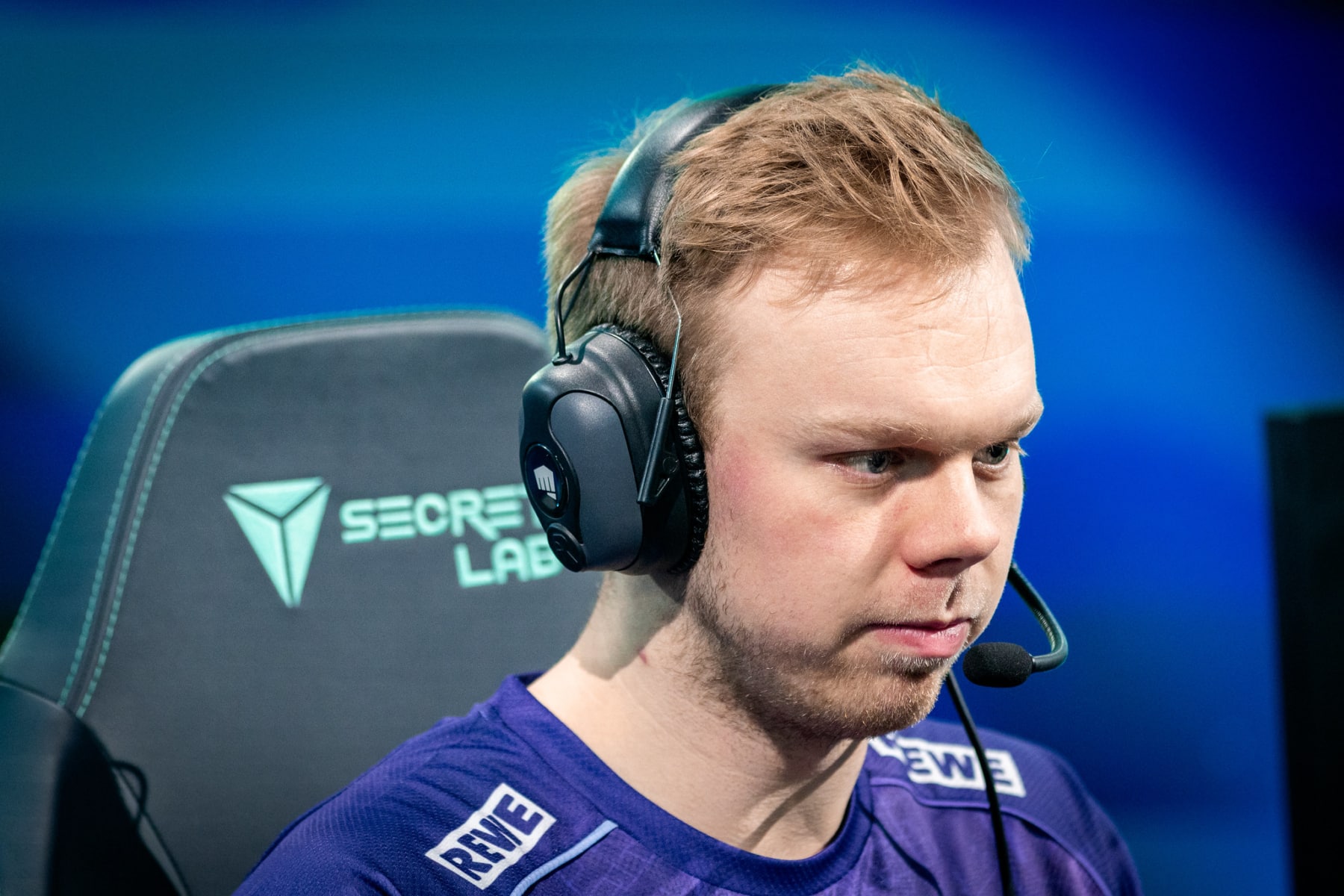
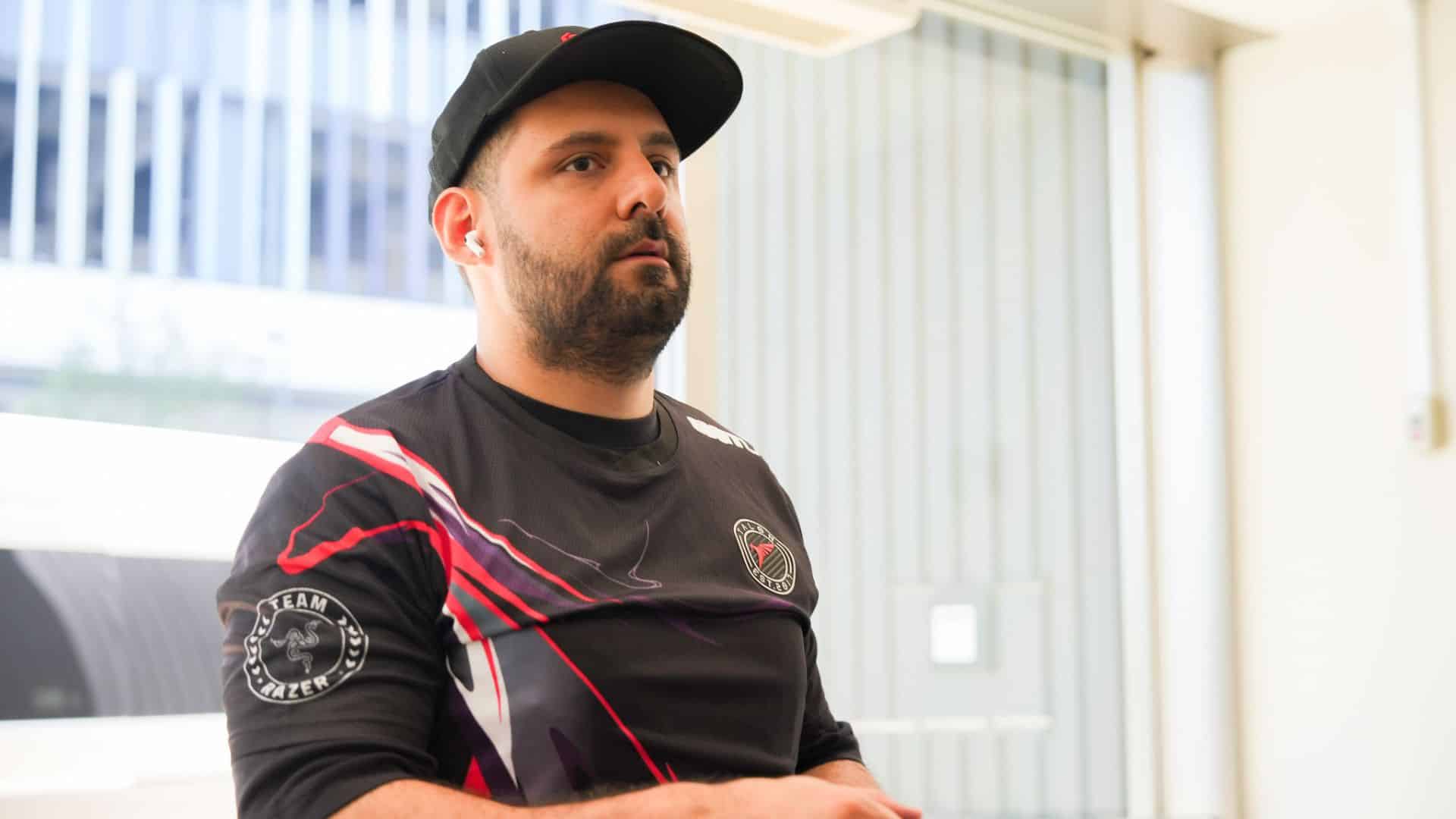
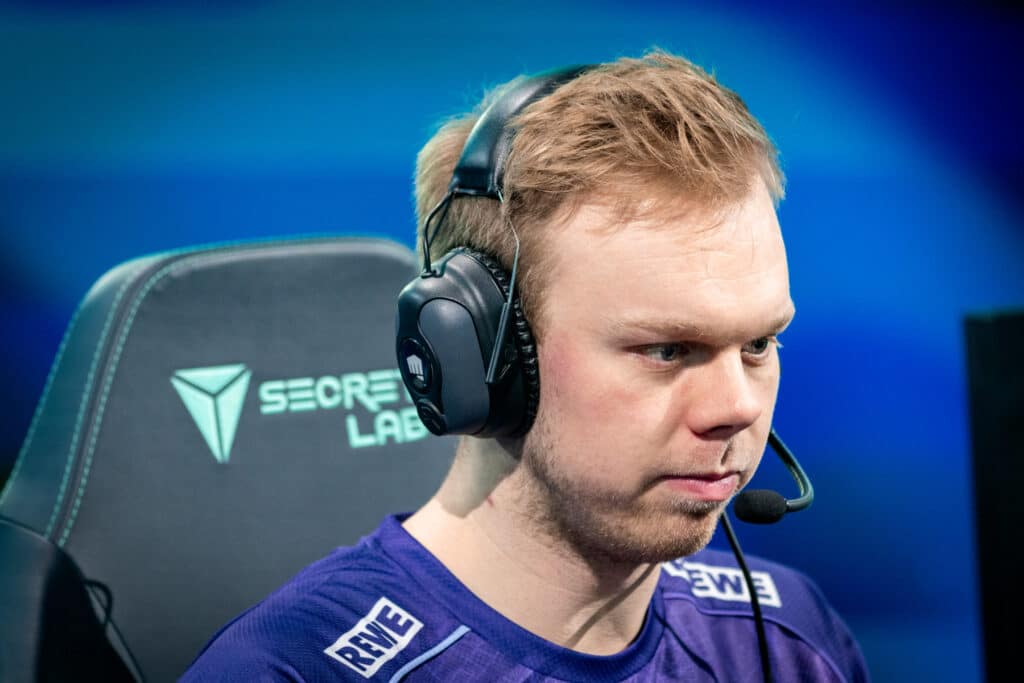 SK Gaming Top Laner Wunder at the LEc Versus 2026. Photo by Wojciech Wandzel/Riot Games
In an interview with Esports Insider, SK Gaming top laner Martin ‘Wunder‘ Nordahl Hansen reflected on his win over Karmine Corp Blue in LEC Versus 2026 and the team’s current position.
The victory moves SK Gaming to a 2-4 record in the LEC Versus rankings, placing it alongside three other teams in the competition. In the interview, Wunder shared why securing this win was important after a challenging start to the split, while also highlighting areas the team must improve — communication, macro decisions, and consistency.
Wunder also shared his thoughts on adapting to frequent gameplay changes, his responsibilities as a veteran player, and how teams usually prepare for the shifting metas.
Read the full interview below.
Esports Insider: Congratulations on your win against Karmine Corp Blue. What are your thoughts about the game?
Wunder: There was a lot of action. I played well. I was playing with an ignite versus ignite top lane, and it’s a very explosive matchup. You can kind of 100-to-0 someone if they make a misstep, so it was a fun game to play.
I think we got a little bit too overexcited, overeager to try and close the game, and it wasn’t a clean end. But I think we were just so far ahead that we had room for a couple of mistakes. I mean, I’m just happy that I guess we got a win. It would’ve been really depressing to be 1-5 after this match— 2-4, it’s manageable. Still have some teams that can be beaten left.
ESI: What do you feel are the things that you and your team have to improve on before your next matches?
Wunder: I think just in general our communication, planning ahead… I think there are a lot of things we can get better at, but from the beginning, we just have to plan ahead first.
Either we contest certain things and fight, or we give it up and do something else. I think we’re just very hesitant most of the time to give up on a play and do something else, or just go for it and commit. And I think that’s basically the starting foundation of our games, and then everything else will kind of fall into place a little bit easier. So I’d say that’s what we have to work on.
ESI: You’ve been a pro player for 12 years now, and you’ve played for quite a few teams, so how do you manage to connect almost immediately with a team that has been together for just a few weeks?
Wunder: I’d say I can slot into a lot of teams. I feel like I can gel well with a lot of different people, and I’ve gotten old enough to where I don’t really have anything that is going to hold me back in that sense.
When it comes to playing good together, I don’t think we are. Since we are 2-4 right now, we are not playing very well. But yeah, I’d say in general, as long as we kind of fix the things I just talked about and practice, things will become a little bit more stable. We had a lot of focus on drafting, for example, that was a big topic for us.
I mean, it’s normal when you join a team and you have not had a lot of time. But I think we can hopefully get past that point now, and this win is going to maybe boost our morale a little bit in that sense as well. Hopefully, we can start working on bigger and better things.
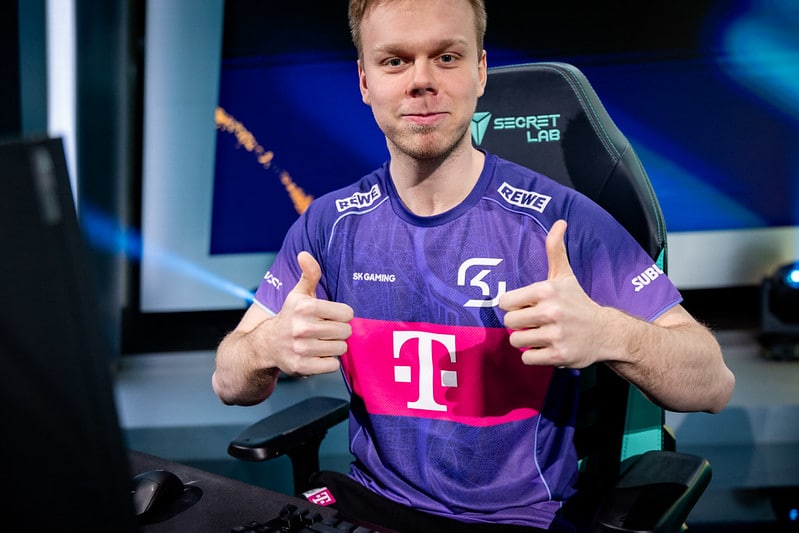 Image credit: Wojciech Wandzel, Riot Games
ESI: How much do the gameplay changes from one season to another, and Patches, impact how a team and player have to prepare ahead of a match day?
Wunder: For as long as I can remember, maybe a little bit more recently, but there’s always been very huge changes coming from year to year that every pro player, especially in League of Legends, has to adapt to as compared to other esports or just normal sports, where they don’t change as frequently.
So it’s definitely a huge workload and a lot, some of it is team-based, but also a lot of it is on yourself. I don’t expect, for example, my coaching staff or my other teammates to know as much about what changed in my own role as I am supposed to. I just have to figure everything out. I have to, well, I guess be the innovator a little bit and think about how I can ‘abuse this feature’ or how I can teach that to my teammates. And then of course there’s the team aspects of the game, which are objectives a lot and then also all of the other stuff that changes all the time.
I think that’s just something you have to come together and learn very fast. I think most teams bootcamp. So even though we are only playing four weeks of regular split in LEC, we still had, most teams still had, at least four weeks of practice beforehand to try and get into shape.
So it’s not like we are just thrown into this patch. We did have some preparation that, I think, helped us hit some things, and we have missed some things, but I think every team goes through that.
ESI: I would’ve imagined that coaches would support each player in their individual preparation. But you said that you have to focus on your lane and be the one who knows the most about your lane. Is that something that you had to learn throughout the years, or is this just a standard for every pro?
Wunder: Some teams in LEC right now have top lane positional coaches. It’s not something I have, and I have never really worked with a top lane positional coach. So I guess for me, I have always been in charge of how I prepare, and I have always liked coming up with new stuff.
I have famously played a lot of champions and tried a lot of different strategies. But you also have to kind of work on both aspects. You can’t just be the guy who pulls out the weird stuff. You also have to be the guy who plays the conventional stuff, and well. And for that, I guess you prepare by either watching what other players do, scrimming, and more.
Let’s say if you think Zeus is the best top player in the world, you can maybe take some inspiration from what he does, you can learn from him in his matchups. Everyone goes through the same process of finding out what’s going to be the best on the patch. You can look at SoloQ to some extent, like win rate stats, items and builds. But I think for most of it, it’s definitely something I’m in charge of when it comes to my lane, as I said.
Then we kind of just all slotted together, and then something comes off it. So if we need a tank in the top lane, maybe I’m like ‘wow, I didn’t really think tanks were going to be that op,’ but maybe my ADC is like ‘this is really op with a tank,’ and then I have to pick the tank. So that stuff comes together in a team-based practice.
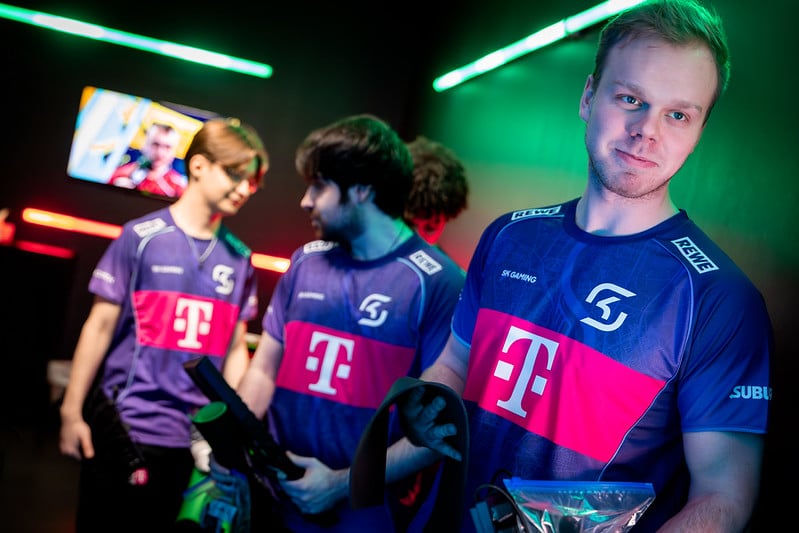 Image credit: Wojciech Wandzel, Riot Games
ESI: When patches change the game every couple of weeks and then every year we have big changes, does it actually matter whether a player is a veteran? Or is talent and knowledge of the game what gives you the advantage?
Wunder: I think being a veteran probably doesn’t help as much in that. I mean, it helps in that you figure out what’s the best way for you to practice and prepare. I’m probably better at knowing what works for me than I was 10 years ago, for example.
But I think when it comes to, maybe in some cases matchups, like let’s say in top lane, maybe there’s a matchup 10 years ago that I played and I realised ‘wow, there’s this cool interaction in this matchup,’ but that’s very, very rare. It’s something that people can learn in a day. It’s not something that’s going to give me a big head start in any way.
So I’d say for new patches and stuff, it doesn’t help as much to be a veteran. It’s more about how you plan your practice, like nerves on stage, for example, or all this general stuff like how you’re supposed to work in a team. That’s where I think being a veteran helps, but maybe not as much for innovation. I mean, a young, hungry player spams the game a lot, and even though I think we all play our fair bit, maybe that will help more in figuring out and coming up with new stats.
Comments (0)