Fed Defies White House Demands by Holding Rates Steady
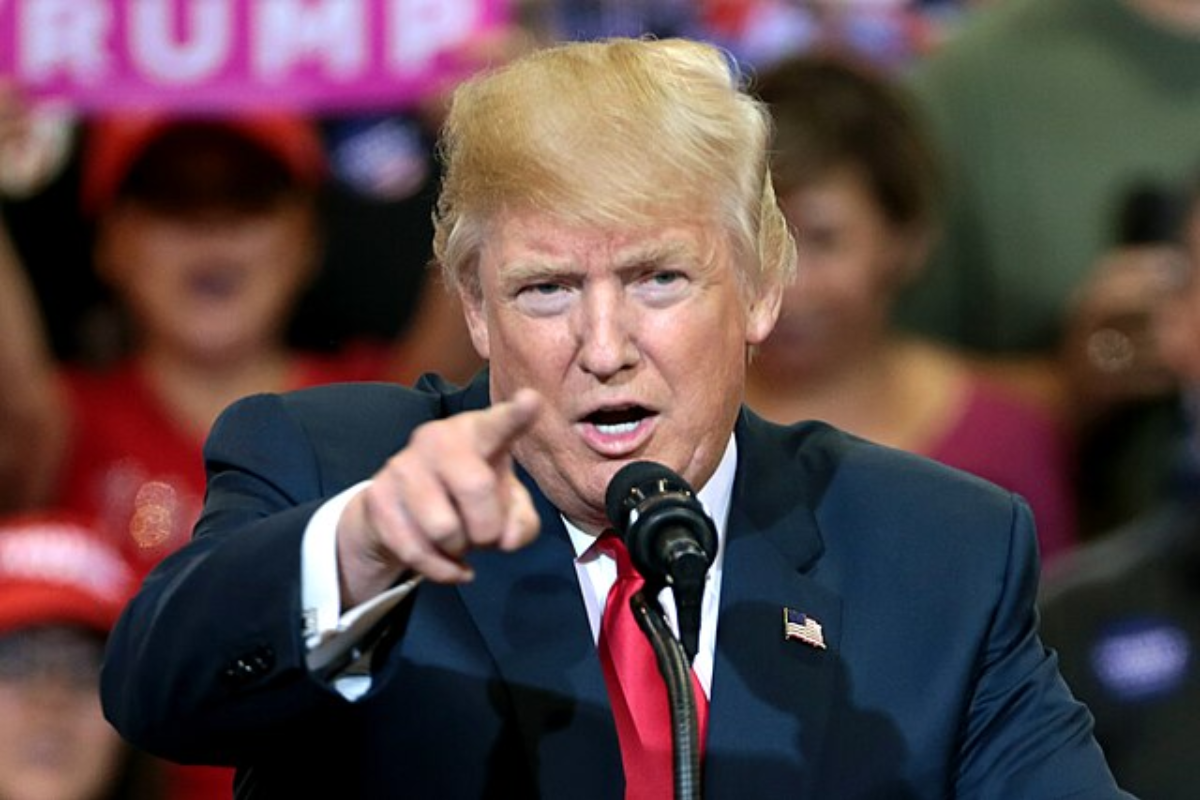
The financial world is bracing for a seismic political collision as the Federal Reserve chooses stability over pressure from the White House. In a high-stakes gamble for economic independence, the central bank has refused to reduce the borrowing costs, setting the stage for an unprecedented confrontation with the Oval Office.This decision marks a definitive line in the sand against an administration that has increasingly demanded control over monetary policy. Investors are now watching closely to see if this defiance triggers a fresh wave of volatility across global markets.Federal Reserve Holds Interest Rates Steady Against Executive PressureIn a move widely expected to ignite a political firestorm, the Federal Reserve has left its benchmark interest rates unchanged. The Federal Open Market Committee announced that rates were held at the 3.5pc to 3.75pc range, ignoring explicit calls for a reduction.Economists suggest this decision is a direct challenge to the White House, which has lobbied for lower rates to stimulate growth. Projections indicate that President Donald Trump will be 'enraged' by the hold, as he has frequently criticised the Fed for being too restrictive.By keeping rates elevated, the central bank is prioritising the fight against persistent inflation over political popularity. This independence is a cornerstone of the American financial system, yet it has become a primary target for administrative reform, the Telegraph reported.American Currency Slides To Four-Year LowThe decision to maintain rates comes as the greenback is experiencing significant instability on the international stage. The currency has slumped to a four-year low against a basket of major peers, including the Euro and the Japanese Yen.Traders have expressed concerns that unpredictable policymaking is undermining the historical strength of the American financial position. This devaluation has sparked fears of potential currency intervention if the slide continues to accelerate toward critical thresholds.Against the British Pound, the exchange rate has seen Sterling gain significant ground, impacting transatlantic trade dynamics. Financial analysts warn that if the dollar decline persists, it could necessitate a coordinated response from G7 central banks to prevent further contagion.
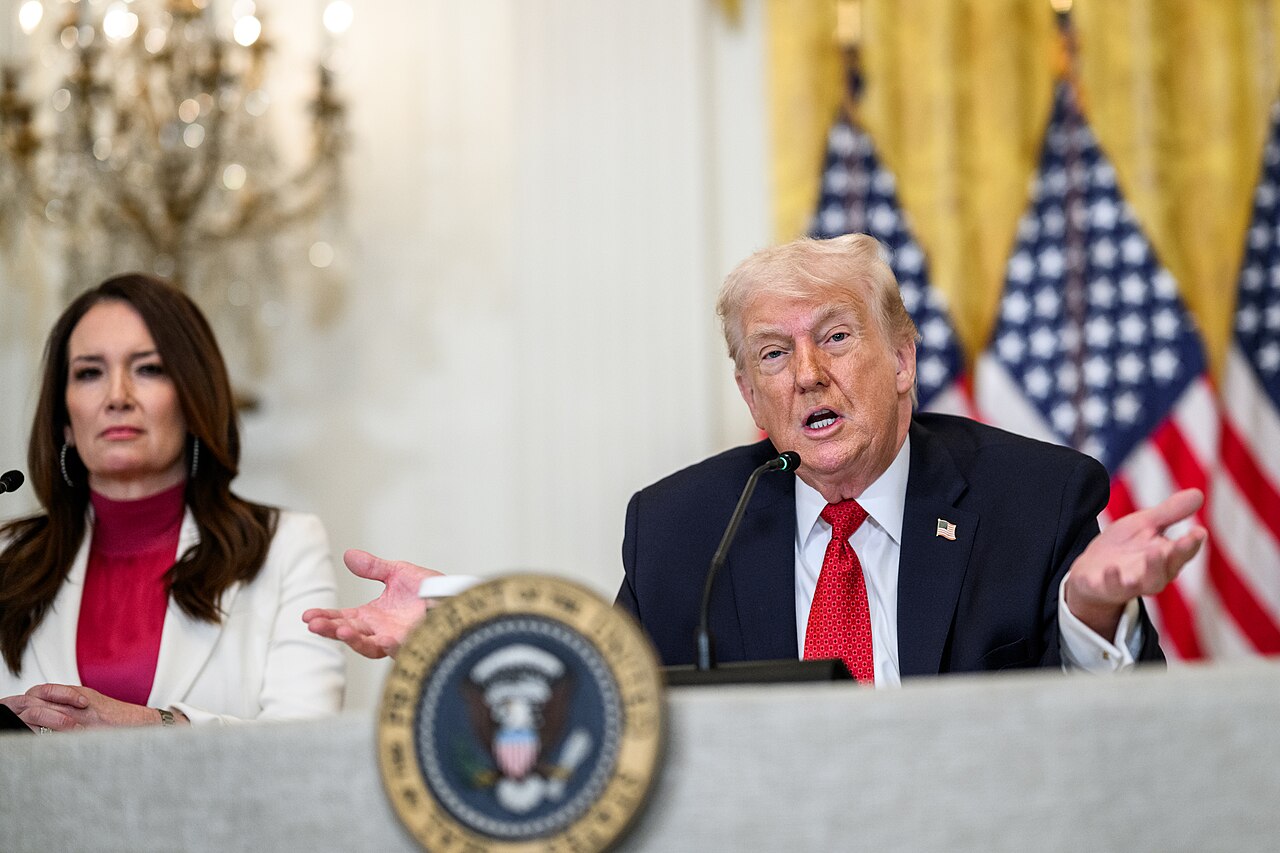
Trump Dismisses Devaluation Despite the objective data showing a decline in the value of the US dollar, the US President has remained steadfast in his appraisal of the economic landscape. During a recent address, he dismissed the significance of the currency's slide, insisting that the dollar was 'doing great'.The administration views a weaker currency as a strategic advantage for domestic manufacturers and exporters. By making American goods cheaper abroad, the White House believes it can reduce the trade deficit, which currently stands at roughly £665,000,000,000 ($800,000,000,000).This optimistic rhetoric has been met with skepticism by global investors who see the sharp devaluation as a risk to the currency's reserve status. While Trump cheers for competitive exports, the cost of imported goods continues to rise for the average consumer.Rising Inflation Forces Central Bank Into Protective StanceThe Fed's refusal to budge on rates is primarily driven by a fear that cutting costs now would reignite inflationary pressures. With energy prices remaining volatile, the committee believes that maintaining the current range is the only way to ensure long-term stability.
This protective stance means that mortgage and personal loan costs will remain higher for longer. For a family seeking a £208,000 ($250,000) loan, the difference in interest payments remains a significant burden on their monthly household budget.Ultimately, the standoff between the Federal Reserve and the White House represents a fundamental disagreement on the future of the economy. Whether the Fed can survive the coming political storm remains the most pressing question for the global financial community.






Comments (0)