Lebanon Emerges as a Leading Medical Tourism Destination in the Middle East.
Lebanon is accelerating efforts to expand its role as a regional hub for medical tourism, leveraging its long-standing healthcare strengths while addressing structural challenges to compete in a growing global market.
Medical tourism — the practice of traveling abroad for medical care — has increasingly gained traction worldwide. Countries across the Middle East, Asia, and beyond are investing heavily in healthcare infrastructure, marketing, and policy to attract international patients seeking high-quality, cost-effective treatments. Recent global developments, including senior appointments in international health tourism councils, underscore the sector’s strategic importance. For instance, a Lebanese national was recently named Vice President of the Global Health Tourism Council, reflecting broader regional interest in enhancing health tourism ties.
Lebanon | Medical Tourism
Discover medical tourism in Lebanon – a rising star in healthcare travel. Explore top procedures, hospitals, costs, safety measures, cultural aspects, and more. Medical tourism Lebanon, Top procedures in Lebanon, Quality healthcare in Lebanon, Cost-effective treatments Lebanon, Patient safety medical tourism.
Historical Position and Current Trends
Lebanon historically benefitted from a reputation for medical excellence — particularly in specialties such as cosmetic procedures, cardiac care, and dental services — and once drew thousands of medical visitors annually. Academic analyses from the mid-2010s estimated that Lebanon attracted between 10,000 and 15,000 medical tourists per year, primarily from neighboring Arab countries.
The country’s medical tourism appeal has been supported by a skilled, English-speaking healthcare workforce, modern medical facilities, and state-of-the-art treatments, which together present a compelling alternative to more expensive options in Western countries. However, this potential has faced limitations due to broader economic constraints and inconsistent strategic planning in recent years.
Initiatives for Strategic Growth
In a significant step, Holy Spirit University of Kaslik (USEK) is hosting a National Conference for the Development of the Lebanese Medical Tourism Strategy, signaling intensified coordination between academia, industry stakeholders, and policymakers to position Lebanon as a strategic destination for healthcare travelers.
Officials and sector analysts emphasize the importance of strengthening digital readiness, marketing infrastructure, and international visibility. An assessment of Lebanese private hospitals’ online platforms highlighted gaps in global accessibility and patient engagement, suggesting that improved digital outreach could enhance competitiveness and attract more international patients.
Economic and Sectoral Impacts
Experts argue that medical tourism could become a vital economic contributor for Lebanon, offering diversification at a time when the national economy seeks new sources of hard currency. The cosmetic and aesthetic medicine sector, for example, has been described as a rare bright spot, attracting regional clients and generating significant revenue while indirectly benefiting hospitality and service sectors.
At the same time, stakeholders identify key challenges to development, including the need for enhanced healthcare infrastructure, stronger government support, consistent regulatory frameworks, and targeted promotion campaigns that elevate Lebanon’s global brand in the healthcare space. Academic research underscores these factors — including cost structures, investment potential, skilled human resources, and effective marketing — as central to expanding Lebanon’s medical tourism footprint.
Below is a fully integrated, news-style article that incorporates all the requested points while maintaining a professional journalistic tone suitable for publication.
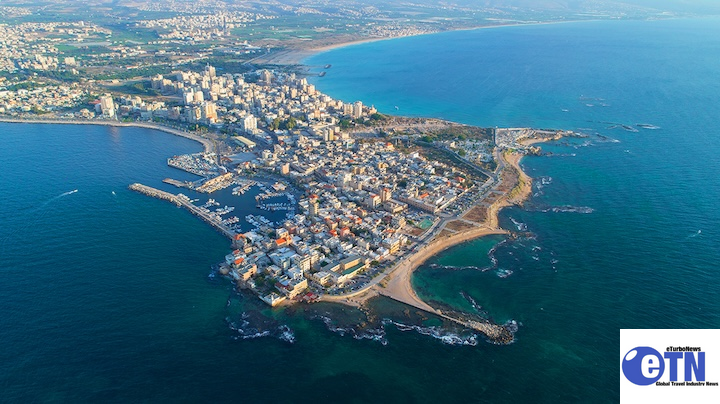
Beirut, Lebanon — Lebanon, a small yet vibrant country on the eastern coast of the Mediterranean Sea, is steadily reclaiming its position as a leading destination for medical tourism. Known for its rich history, cultural diversity, and strategic location in the Levant, Lebanon is increasingly gaining international recognition for its world-class healthcare services, advanced medical technologies, and cost-effective treatments.
A Country with Deep Medical Roots
Lebanon’s reputation in medicine is deeply rooted in its history. As the heartland of the ancient Phoenician civilization, the region was known for early medical knowledge and scientific advancement. While Lebanon has long been celebrated for its cultural heritage, cuisine, and academic excellence, recent decades have seen the country emerge as a regional healthcare leader, blending historical medical wisdom with modern innovation.
Today, Lebanon capitalizes on this legacy through a highly skilled medical workforce. Many Lebanese physicians and surgeons are trained in Europe and North America, bringing international expertise back home. This global exposure, combined with modern infrastructure, has positioned Lebanon as a trusted destination for complex and specialized medical care.
Why Lebanon Is Gaining Global Attention
Lebanon’s growing appeal in medical tourism lies in its ability to offer high-quality care at competitive prices. Patients from the Middle East, Africa, Europe, and North America are increasingly choosing Lebanon for its broad range of medical specialties, English-speaking professionals, and personalized patient care.
The country’s healthcare system combines state-of-the-art medical facilities with a patient-centric approach, ensuring comfort, safety, and efficiency. Beyond treatment, Lebanon’s cultural richness, scenic landscapes, and Mediterranean climate offer an added incentive for recovery and relaxation.
Popular Medical Procedures and Specializations
Lebanon excels in a wide spectrum of medical treatments, with some of the most sought-after procedures including:
Cosmetic Surgery: Renowned for aesthetic medicine, Lebanon offers rhinoplasty, liposuction, facelifts, and other cosmetic procedures at competitive rates.
Cardiac Care: Advanced treatments such as angioplasty, bypass surgery, and heart valve replacements are widely available.
Orthopedics: Knee and hip replacements, as well as sports injury treatments, are increasingly popular.
Dental Care: High-quality dental implants, cosmetic dentistry, and restorative treatments attract international patients.
Lebanon is also pioneering advanced treatments such as robotic surgery, minimally invasive procedures, fertility treatments, and stem cell therapies, placing the country at the forefront of medical innovation in the region.
Leading Hospitals and Medical Institutions
Several Lebanese hospitals and clinics have gained regional and international recognition, including:
Beirut Medical Center
Saint George Hospital
Clemenceau Medical Center
Many of these institutions are internationally accredited and collaborate with overseas medical centers for research, training, and technology transfer. Lebanese hospitals have received numerous awards for excellence in patient safety, innovation, and quality healthcare delivery.
Cost Advantage Without Compromising Quality
One of Lebanon’s strongest competitive advantages is cost. Medical procedures are offered at a fraction of the price charged in Western countries. For example, a cardiac bypass surgery that can cost up to $150,000 in the United States may range between $20,000 and $30,000 in Lebanon.
General surgical procedures typically range from $5,000 to $10,000, cosmetic procedures from $2,000 to $5,000, and dental treatments can start at $500, making Lebanon an attractive option without sacrificing quality or safety.
Quality, Safety, and Regulation
Lebanon maintains medical standards comparable to those in Western healthcare systems. The sector is regulated by the Ministry of Public Health, which oversees licensing, compliance, and quality assurance. Hospitals and clinics undergo rigorous evaluations, and patients are encouraged to choose accredited institutions.
Patient safety is a top priority. Facilities are equipped with advanced diagnostic and treatment technologies, and patients are guaranteed rights to informed consent, privacy, and access to medical records.
Medical Visa and Travel Considerations
Most international patients require a medical visa to enter Lebanon. Applicants typically need a valid passport, medical reports, and a letter from the receiving Lebanese medical institution. Visa duration usually covers the treatment period and recovery time.
Travelers are advised to stay informed about travel advisories, political conditions, and public health updates before planning their visit.
Cultural Comfort and Language Accessibility
Lebanon’s cosmopolitan nature makes it especially welcoming to international visitors. While Arabic is the official language, English and French are widely spoken, particularly in medical institutions.
Patients are encouraged to respect local customs and dress modestly outside tourist areas. Lebanese cuisine is diverse and adaptable, with options catering to various dietary and medical needs.
Accommodation, Transport, and Recovery
Beirut offers a wide range of accommodations, from luxury hotels to affordable options, many located near major medical centers. Transportation is accessible via taxis, ride services, and hospital-provided shuttles.
For post-procedure recovery, patients can enjoy serene locations such as Jeita Grotto, Byblos, and the seaside resorts of Jounieh, which provide ideal environments for rest and recuperation.
Legal, Ethical, and Patient Rights
Patients in Lebanon are protected by clear legal and ethical frameworks. Medical malpractice laws allow patients to seek recourse when necessary, and ethical practices—particularly in sensitive areas such as organ transplantation—are strictly regulated by the Ministry of Public Health.
Balancing Benefits and Risks
The advantages of choosing Lebanon include affordable care, internationally trained doctors, advanced technology, and holistic patient support. However, patients are advised to conduct thorough research, understand legal differences, and consult multiple sources before making medical decisions.
Post-Procedure Care and Rehabilitation
Lebanese medical facilities offer comprehensive post-operative care, including monitoring and follow-up consultations. Specialized rehabilitation centers provide physical therapy and recovery programs when required.
Frequently Asked Questions
Is Lebanon safe for medical tourism?Yes, Lebanon maintains high medical standards and strong patient safety protocols.
Do Lebanese doctors speak English?Most doctors are fluent in English and French, in addition to Arabic.
Are medical costs affordable?Yes, costs are significantly lower than in Western countries while maintaining quality.
What about accommodation?Patients are advised to stay near treatment facilities for convenience during recovery.
Looking Ahead
Despite these challenges, momentum in both public and private sectors signals a renewed commitment to restoring Lebanon’s position in regional medical tourism. Through coordinated strategic planning, digital transformation in healthcare services, and international collaboration, industry leaders believe Lebanon can increase its share of global medical travel and drive economic growth.
As medical tourism continues to expand globally — underpinned by rising demand for quality care and cost alternatives — Lebanon’s renewed focus on strategic development and institutional engagement could mark a turning point for the sector.







Comments (0)