
Remember me







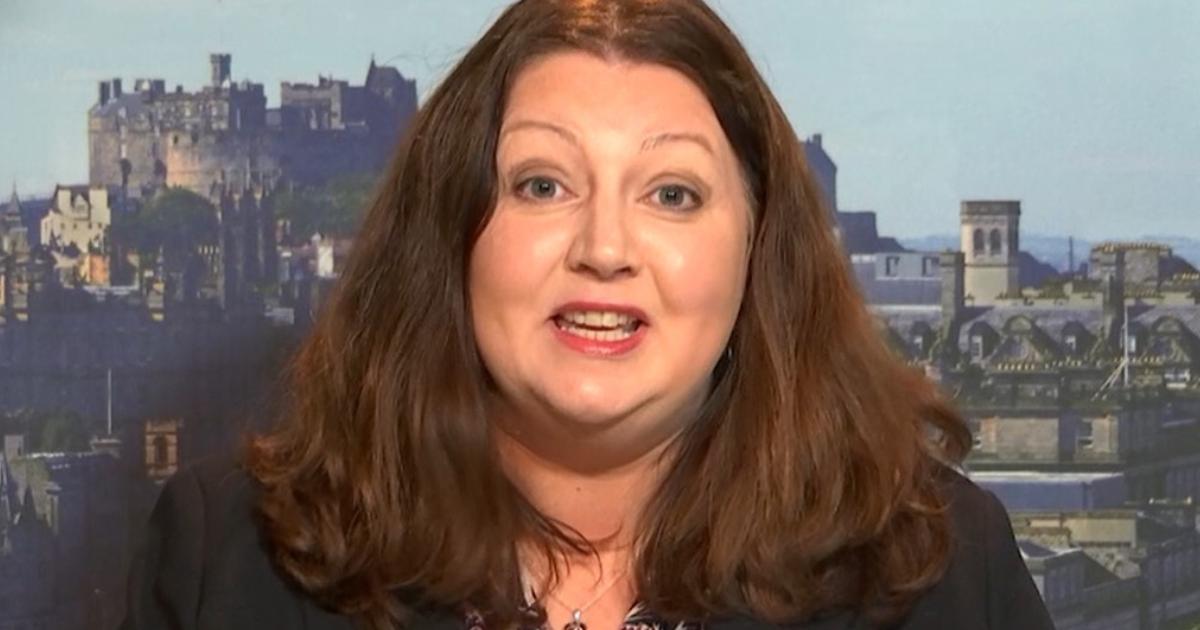

Kirsty McNeill appeared on BBC Scotland’s Sunday Show to talk up investment in AI data centres across Scotland. She was asked why excess wind power couldn’t be used to lower energy bills for households in Scotland instead of the excess being channelled into the tech facilities.
In response, the Labour minister blamed the previous Tory government for "mismanagement" and failing to upgrade the energy grid. Labour have been in power since July 2024, with bills rising on multiple occasions, despite the party's election pledges.
McNeill said there would be around 800 permanent “highly skilled, highly paid and secure” AI jobs at a site in North Lanarkshire.
READ MORE: Viewers slam Sky News presenter's statement on 'friend' Peter Mandelson
Last week, the UK Government claimed the move would bring more than £8 billion in private investment to the area, coupled with a community fund worth about £543 million over 15 years.
McNeill told the programme that it would be “one of the greenest AI sites on Earth” and that excess energy created by the site would power the nearby University Hospital Monklands, in Airdrie. It is due to open in 2031.
The North Lanarkshire AI data centre site is understood to be powered by “on-site renewables”.
When asked to explain what that would mean, McNeill told the programme that while it is already up and running, there are plans for a “huge expansion of on-site wind power”.
“Apologies for the technicalities here,” she said. “At the moment, excess energy is actually created in this bit of Scotland that we then have to pay to manage and run it off, because the grid can't absorb it at the moment.

“So it's going to be absorbed by the data centre, and then the excess heat created by the data centre is going to be powering the new Monklands Hospital, where there is already spades on the ground.”
Asked if the excess wind power should be used to lower people's energy bills, rather than power data centres, McNeill said: “Well, unfortunately, as I say, we simply don't have the grid capacity for that at the moment, and that is a sign of, I'm afraid, 14 years of economic mismanagement by the previous government.
“There simply wasn't the investment in infrastructure, and this Government has actually had a record number of infrastructure projects approved since we came to office. We are trying to speed this up.
“The planning system in Scotland is particularly sclerotic, and that's one of the things that Scottish Labour are saying they would like to change if elected in May.
“So we do recognise there is a backlog problem with infrastructure, but we're moving as fast as we can to get it fixed.”
READ MORE: Peter Mandelson claims he has 'no recollection of payments from Jeffrey Epstein'
In response to McNeill’s interview, Scottish Greens MSP Patrick Harvie said: “It’s absolutely true that grid infrastructure needs serious investment, and that the last Tory government neglected it. But it’s utterly bizarre for Labour now to claim that’s the reason they can’t cut bills.
“Scotland is generating abundant green energy and doing it cheaply – but the low price of generation isn’t being passed on to households in their bills. UK ministers could break the artificial link between global gas prices and everyone’s electricity bills, cutting the cost of living and helping people to switch away from fossil fuel for heat and transport.”
Harvie added that data centres can be “made more sustainable” if they generate renewable power on-site. He said that if they were connected to heat networks, then any excess would “cut people’s bills too, instead of going to waste".
“The UK Government is getting that half right in the Lanarkshire development, but they should be getting the heat network in place from the outset, instead of thinking about adding it later, which we can’t yet be sure will really happen,” he added.
Labour previously vowed to cut energy bills when they came to power. Since then, bills have increased multiple times.
In November last year, Ofgem again increased the price cap, this time by 0.2%.