Remember me


The next Xbox is a full Windows PC, that much we know. What we know less is exactly how Microsoft is going to go about it.
The next Xbox is still a fair bit away, dropping in late 2027 at the earliest, according to my most recent information. I received details about the next-gen Xbox around the same time I exclusively reported on Project Kennan, now known as the Xbox Ally.
You may like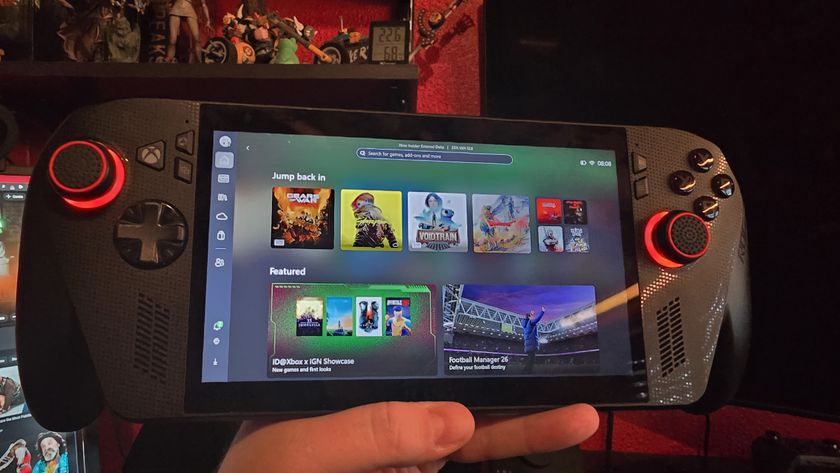 Xbox Ally 2026 roadmap for the future of Windows gaming and next-gen Xbox
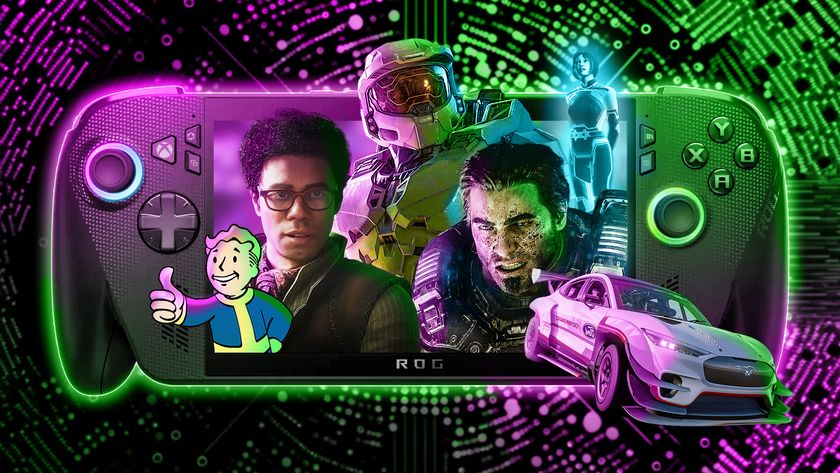 Xbox in 2026 — What to expect from Team Green this year
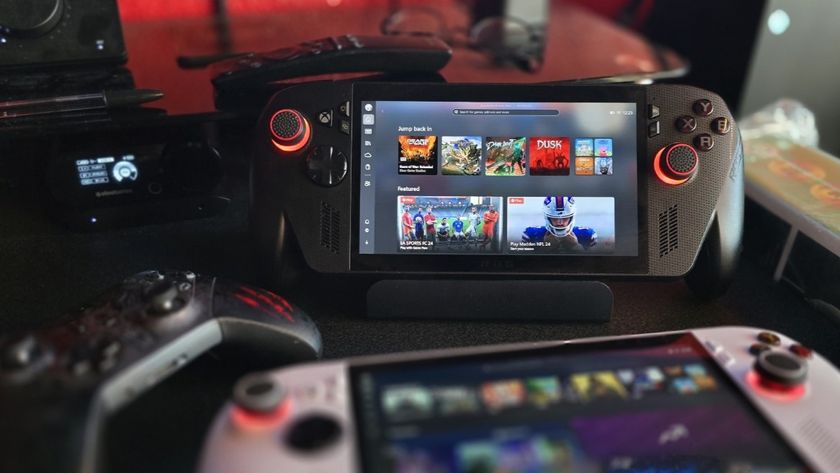 Xbox Ally re-review after a month of daily use — everything I love and desperately want fixed
Last week, Windows Update broke some critical Xbox Ally features. That's not a situation I'd like to be in with my Xbox console ... (Image credit: Windows Central | Jez Corden)
Xbox Ally re-review after a month of daily use — everything I love and desperately want fixed
Last week, Windows Update broke some critical Xbox Ally features. That's not a situation I'd like to be in with my Xbox console ... (Image credit: Windows Central | Jez Corden)Last week, my colleague Zac Bowden reported that Microsoft is essentially setting up a task force to fix Windows 11, after allowing its quality to slip in the name of pursuing AI. I have it on good authority that Xbox is a big part of that effort.
One of the central reasons anyone even still uses Windows outside of their jobs revolves almost entirely around gaming. Most casual computing scenarios have slipped away to mobile phones, leaving Windows PC gaming as the primary leisurely use case for millions of home users. But it's no secret that Windows hasn't exactly been great at servicing some of its most active users.
There has been a surge of interest in Linux distros in recent years as users grow increasingly frustrated with Windows' foibles, telemetry harvesting, ads in the shell, and privacy-agnosticism. That frustration is often compounded in gaming communities, particularly when Windows itself gets in the way of performance and gaming usability.
You may like
Xbox in 2026 — What to expect from Team Green this year
 80% of game devs plan for Windows — with PS5 / Xbox plans slipping
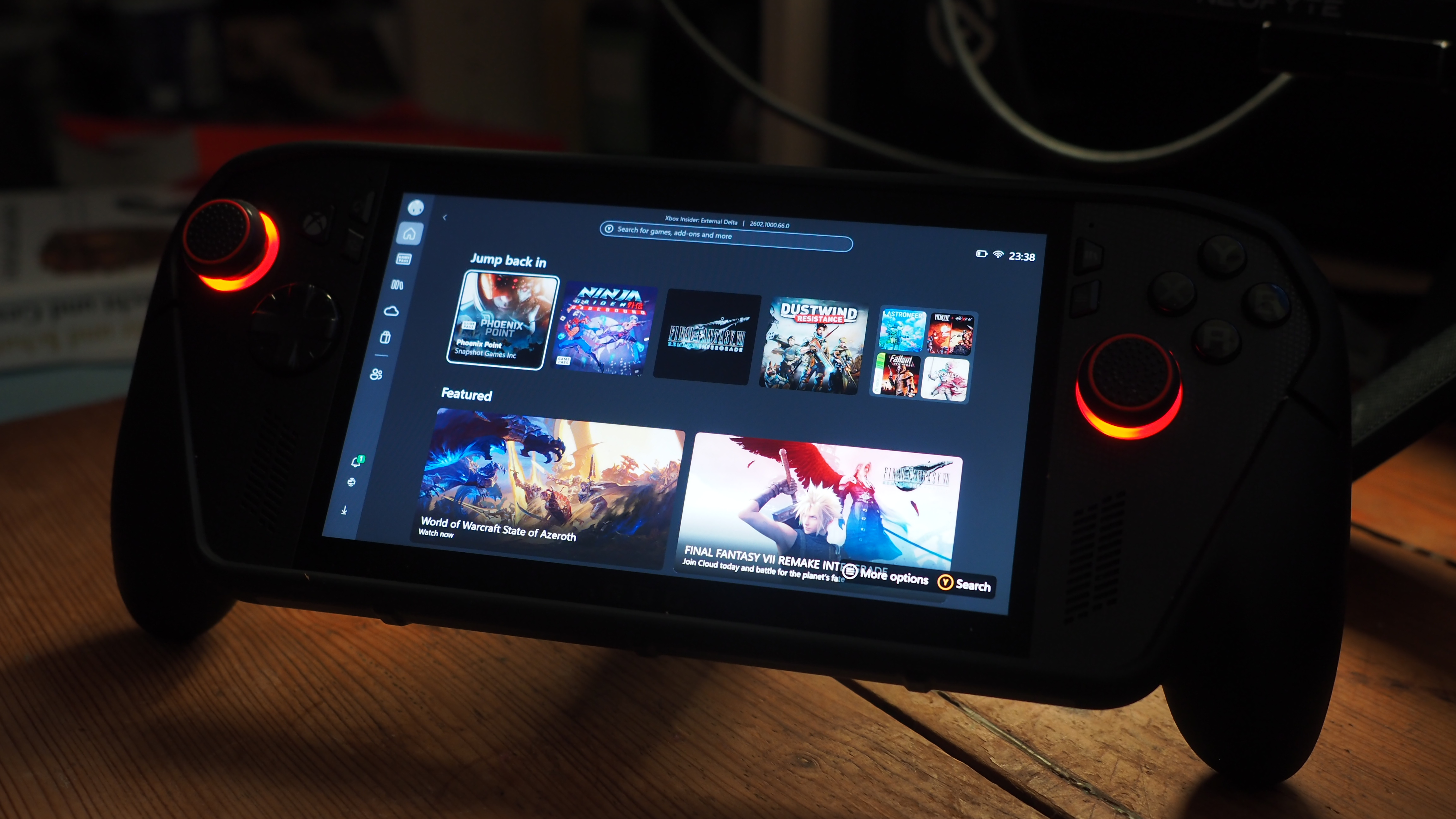
 The Xbox Ally X handheld is rough now, but it points to the future of portable Xbox gaming
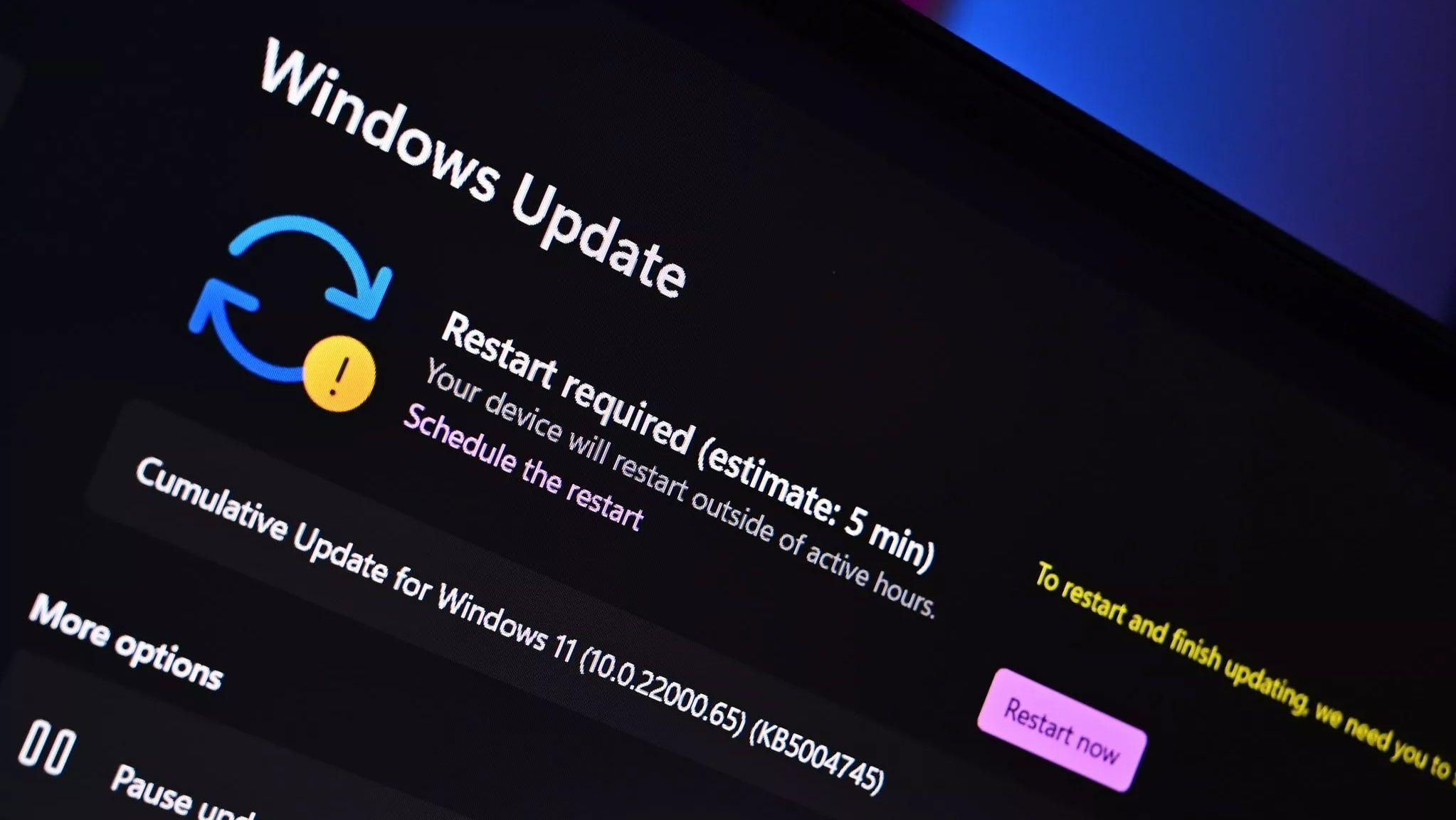
A strong example of this materialized only last week, when an update to Windows 11 broke the Xbox Ally. Power settings and other ASUS Xbox Ally systems were actively becoming blocked by Windows' own security layers, preventing users from adjusting key features of the device. That's not exactly an ideal scenario to be in, particularly if you've just spent $1000 on an Xbox Ally X.
Armoury crate service blocked from r/XboxAllyIt was relatively easy to fix, and I'm told Microsoft is looking for a permanent solution to prevent things like this from happening again — but it's hardly as if these types of issues aren't common with Windows.
I own two Xbox Series X consoles and an Xbox Series S console, and across thousands of hours of usage, none of them have ever given me even the slightest issue. The OS carried forward from the Xbox One generation, and it went through a ton of iterations to get to where it is today, but it's arguably one of the most polished custom hardware experiences out there right now. The same cannot be said for the Xbox Ally.
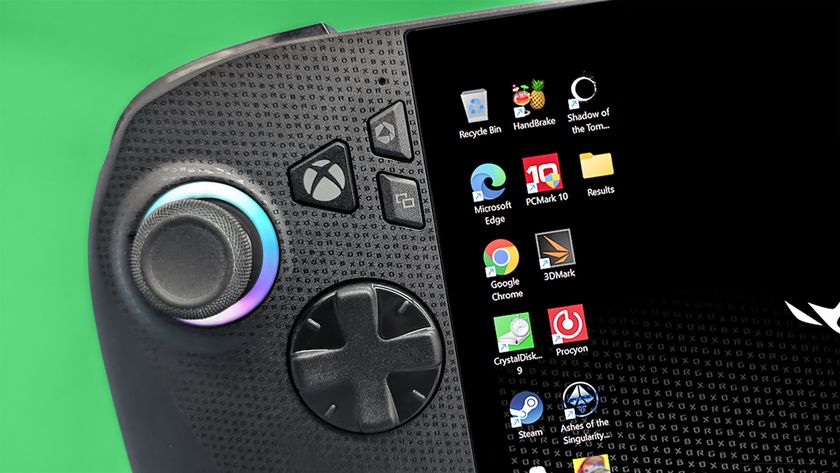
I love my Xbox Ally X overall, but it's lacking in a variety of key areas, even beyond the possibility of Windows Update breaking things.
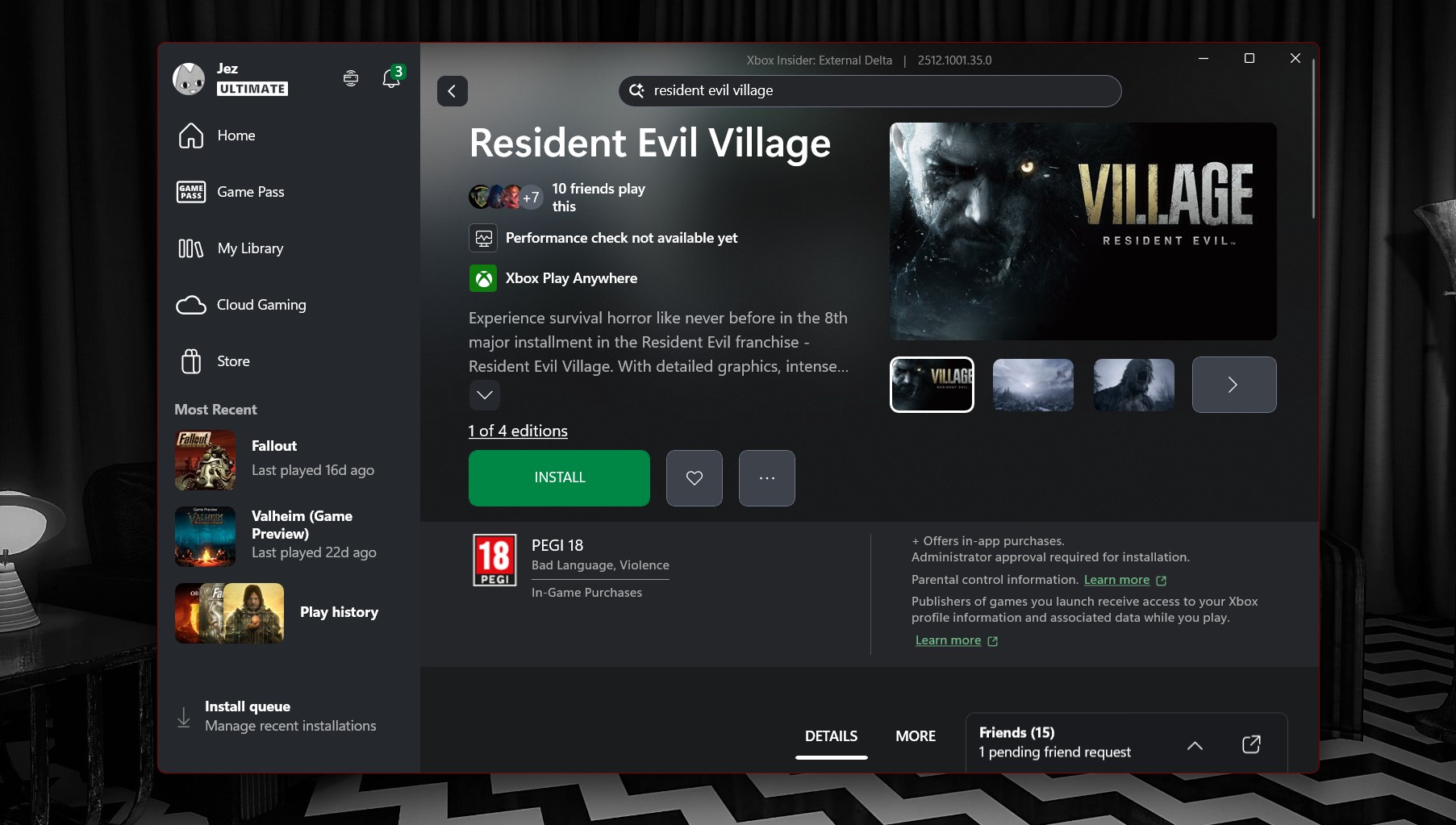
Performance is a big ongoing problem for me, with the interface getting stuck and struggling to perform smoothly — particularly after closing games or on the initial launch. It's also lacking a lot of the integrations that the Xbox Series X|S consoles have, like embedded Discord, easy clip and screenshot sharing and uploading, library sorting and management, and app installation and access without grabbing a mouse and using the desktop environment. It's also a bit of a pain to set up with a TV, and can be a chore to tweak and manage with a controller.
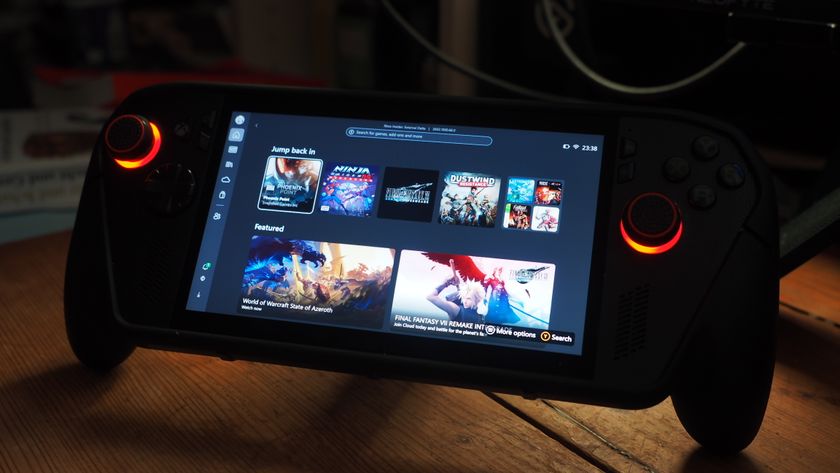
Many of the issues are unique to the form factor, potentially, so it's not an apples-to-apples comparison. I shouldn't need to exit out to the Windows Desktop and grab a mouse and keyboard to fix issues and tweak settings with my "video game console" in my view. The Xbox Ally experience docked to a TV does hint at what a PC-like Xbox would look like in 2026, and it's not ideal.
I'm not sure if Microsoft is still committed to the late 2027 timeline for the next-gen Xbox, but if it is, you have to wonder if that's enough time to get all the chips lined up.
Historically, Windows is a productivity-first operating system, and Xbox is a gaming-first operating system. The priorities of the Windows team aren't necessarily the same as the Xbox team's priorities. But that needs to change.
As far as hardcore computing hobbies go, gaming is Windows' biggest strength. I think we honestly take Windows for granted. It can be easy to forget its positives when Microsoft's corporate priorities revolve around hyping AI investors rather than boosting gaming performance and user experiences. It's not hard to be sceptical of Microsoft's commitment to gaming on Windows, particularly given how little money they have historically made on it comparatively. Indeed, Windows being an open ecosystem ironically precludes it from a lot of the revenue generated by this segment, with the bulk of it heading to Steam and other third-party companies like Epic and Riot. But now, Xbox owns Battle.net, Blizzard, and Call of Duty; times have changed, and priorities have shifted.
Microsoft is absolutely incentivized to care about the experience of this Windows cohort, now that it owns so many gaming properties that show up strongest on PC. With Xbox shrinking versus PlayStation, and SteamOS and other Linux distros looking to entice gamers away from Windows, I'd say Microsoft has more incentive than ever to reconsider its approach to polish here.

The Xbox Ally Windows Update issue was a blip on an otherwise solid experience so far, I've had with this device. There's a polish delta I'm desperate to see fixed, but Microsoft has already committed to a timeline and roadmap for Xbox Ally updates, with a big one slated for this quarter.
I know from speaking to Xbox engineers behind the scenes how much passion and drive there is to deliver real results for Windows gamers on PC. For me, it's just about whether or not CEO Satya Nadella is truly committed to staying the course. Fixing these problems is not an overnight thing by any stretch of the imagination and will require real graft.
Windows' biggest strengths are also some of its biggest weaknesses. Its unprecedented levels of compatibility give it decades upon decades of legacy software and games to tap into. On the downside, it seems to require surgical precision to keep updated and stable — and that's not ideal for console users who expect a very focused experience that just works out of the box.

As someone who has PC gamed for 30 years, like many of you too, I'm used to navigating these kinds of problems. But as someone who also worked in IT support for half a decade, I'm well aware of how frustrating it can be for casual PC users when things don't just work as they're supposed to. And Xbox and other consoles have always been about that "ease of use" aspect.
Can Microsoft truly deliver a polished, console-like Windows experience in time for the next-gen Xbox's launch? This for me, remains the biggest question about Xbox's hardware plans.
Today's Best Xbox Deals

Follow Windows Central on Google News to keep our latest news, insights, and features at the top of your feeds!