He played Putin and broke NATO in three days. Alexander Gabuev, the scholar behind an alarming wargame, tells Meduza how he did it.
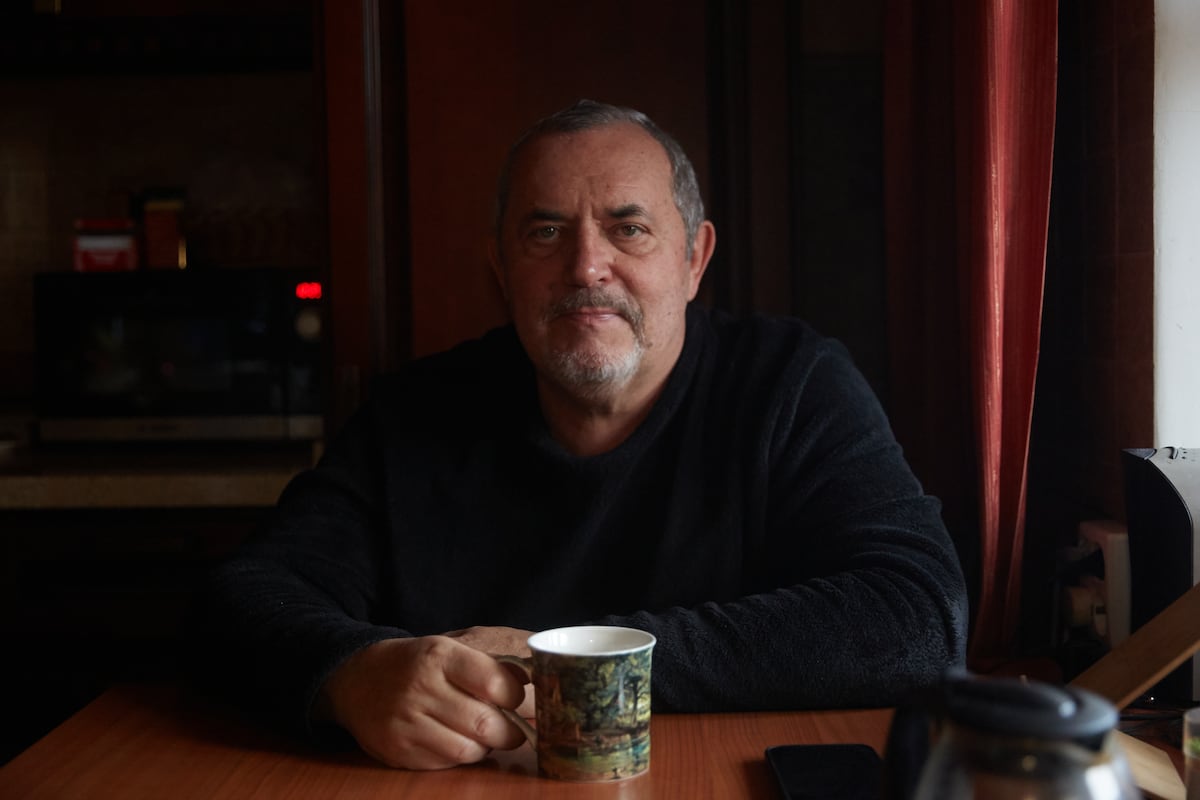
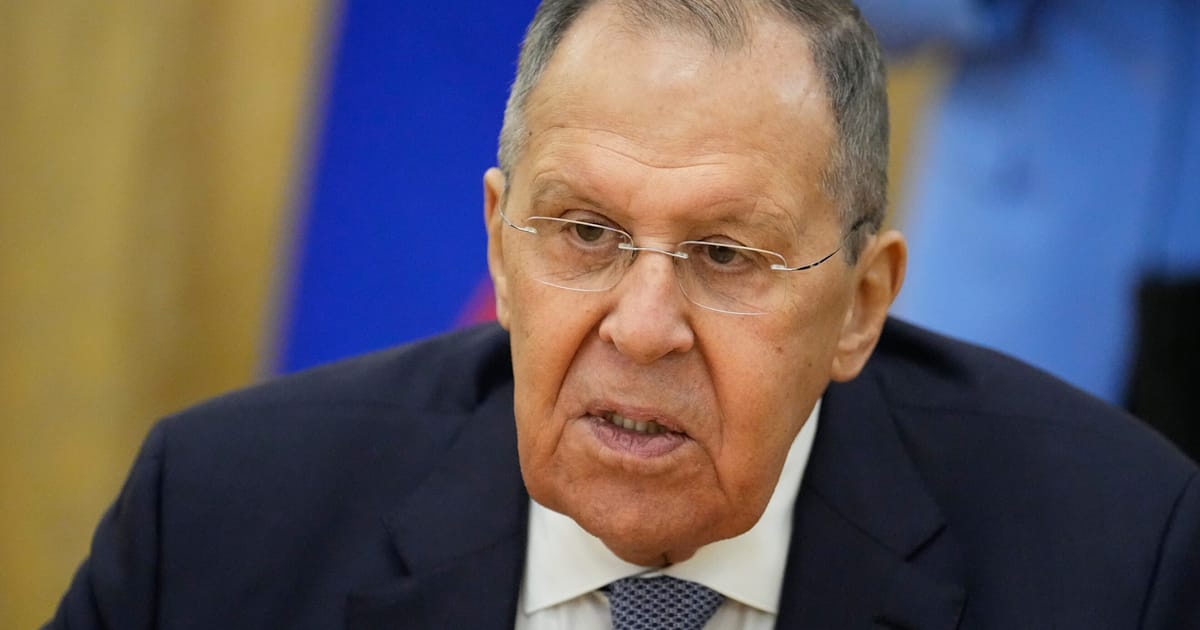
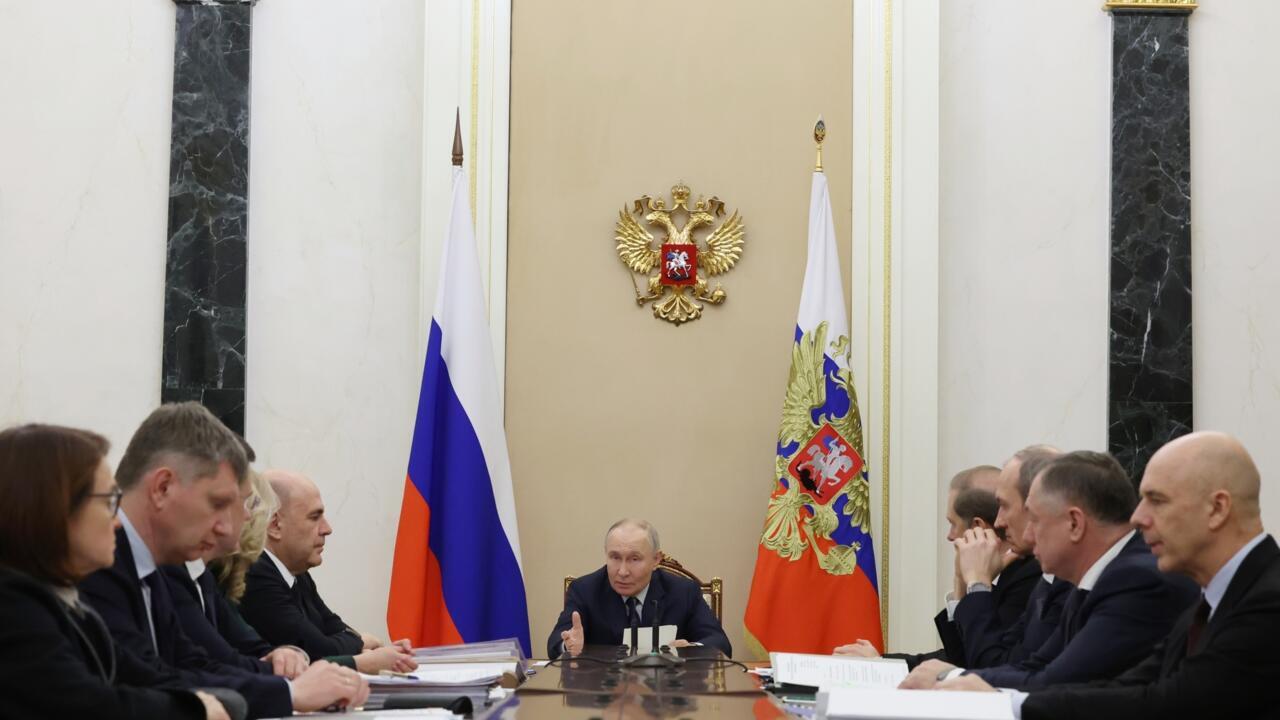
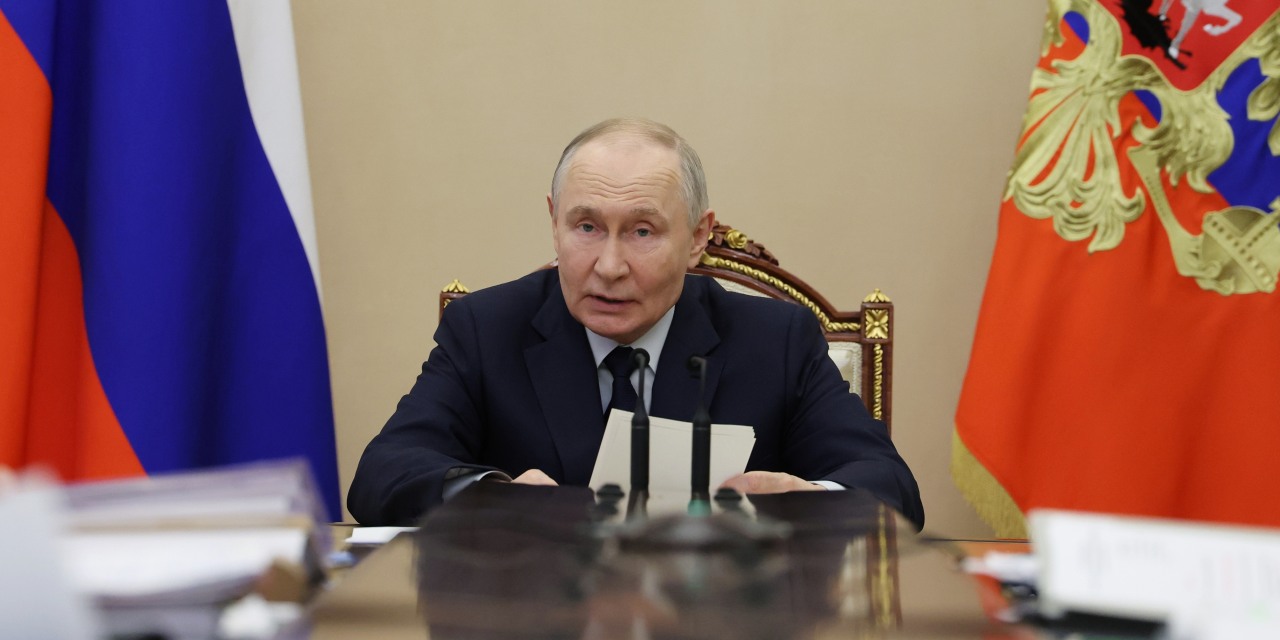
Last December, the newspaper Die Welt partnered with military researchers at Helmut Schmidt University to simulate a Russian invasion of NATO. The exercise involved 16 participants, including security experts and former senior German and NATO officials. From the European perspective, the outcome was alarming: Russian troops moved unchallenged through NATO territory for three days, capturing the Lithuanian city of Marijampole. Alexander Gabuev, director of the Carnegie Russia Eurasia Center in Berlin, played Vladimir Putin in the exercise and spoke to Meduza about the experience.You’re currently reading Meduza, the world’s largest independent Russian news outlet. Every day, we bring you essential coverage from Russia and beyond. Explore our reporting here and follow us wherever you get your news.Staged at the University of the Federal Armed Forces in Hamburg, the simulation functioned as a high-stakes role-playing exercise. Participants were stationed in separate rooms, taking turns issuing orders to moderators, mimicking the real-time decisions of state officials. The game was divided into rounds, each corresponding to a specific period of time. As the rounds progressed, the sides made their moves in parallel, with outcomes determined by referees and a strict rulebook. For instance, if Russia mined the Polish border, Poland would be unable to move troops across it unimpeded in the subsequent round.Three teams participated in the wargame. A nine-member Blue Team stood in for the German federal government, while a three-person Red Team represented the Kremlin. Four others held external strategic roles: the NATO secretary general, the European Commission president, the U.S. secretary of state, and the Polish prime minister. The exercise ran for three simulated days before judges declared a winner.In the wargame scenario, Russia and Ukraine sign a truce in May 2026, after which Moscow seeks to reestablish economic ties with Germany by offering discounted natural gas. Simultaneously, Russia conducts combat exercises near the Baltic states, deploying troops to Belarus and the Kaliningrad region. With these forces amassing on the Lithuanian border, German military leaders gather for an emergency meeting. The game began here.“The Russian team consisted of me, the Austrian military expert [Franz-Stefan Gady, in the role of the head of the Russian army], who has traveled to Ukraine and studied Russia, and the former deputy head of German intelligence [Arndt Freytag von Loringhoven], who played [Foreign Minister Sergey] Lavrov,” Alexander Gabuev told Meduza. “Stefan [playing the Russian defense minister] wrote out our military doctrine and potential operational scenarios very clearly and in great detail across 12 pages.”Gabuev said his side’s objective from the start was to “split NATO.” The Russian team devised a humanitarian pretext for intervening on alliance soil, claiming that Lithuania was preventing Moscow from properly supplying Kaliningrad. “Next, we used drones to establish fire control, and — without even deploying troops — we mined the border between Lithuania and Poland. Only then did we send in troops, along with organizations such as the Red Cross and a host of civilians,” Gabuev explained.“It was very helpful to keep beating the drum that we need the humanitarian corridor because the evil Lithuanians are preventing us from supplying the poor and hungry people of Kaliningrad,” Gabuev told The Wall Street Journal. Speaking to Meduza, he said Moscow’s opponents in the wargame were caught off guard by how quickly Russia acted: “They hadn’t even prepared for such a scenario, and it would have taken them several days to assemble the entire alliance.”When executing its “smokescreen of humanitarian intervention,” the Russian team directly engaged Washington and invited the U.S. to deploy 100–150 unarmed observers to verify that Russian troops were not harming civilians. “They refused,” Gabuev said, “and at that point, everyone understood that the Americans were not going to sign up for participation in the conflict. With that, our task became significantly easier.”Sign up for Meduza’s daily newsletterA digest of Russia’s investigative reports and news analysis. If it matters, we summarize it.In the game, Warsaw mobilized and advanced to the Lithuanian border but chose not to intervene; Russia had mined the area, blocking troops from crossing into Polish territory. “In real life, European countries would most likely have intelligence reports, so they would have reacted sooner. We do not know what would have happened in that case,” Gabuev told Meduza. He emphasized that the exercise’s objective was to explore what is possible and to test the German response. “We discovered that their reaction would not be adequate to defend the North Atlantic Alliance.”Gabuev credited his teammates with arriving far better prepared than their adversaries, who were left reacting throughout the simulation. “In the end,” Gabuev told Meduza, “one of the German participants said, ‘It’s a good thing the actual Russians don’t prep as thoroughly as you guys did.’”


Comments (0)