
Remember me


The families of two young men arrested and sentenced to death in Saudi Arabia for attending protests as teenagers have written to the Prince of Wales begging him to raise their cases during his visit next week.
The heir to the throne arrives in the country on Monday on behalf of the British Government for a three-day official visit to highlight diplomatic and trade links.
Saudi Arabia is an absolute monarchy, notorious for severe restrictions on political and civil liberties, and has been the subject of numerous complaints about civil rights abuses over the decades despite its 'wooing of the West' through high profile sports and cultural events.
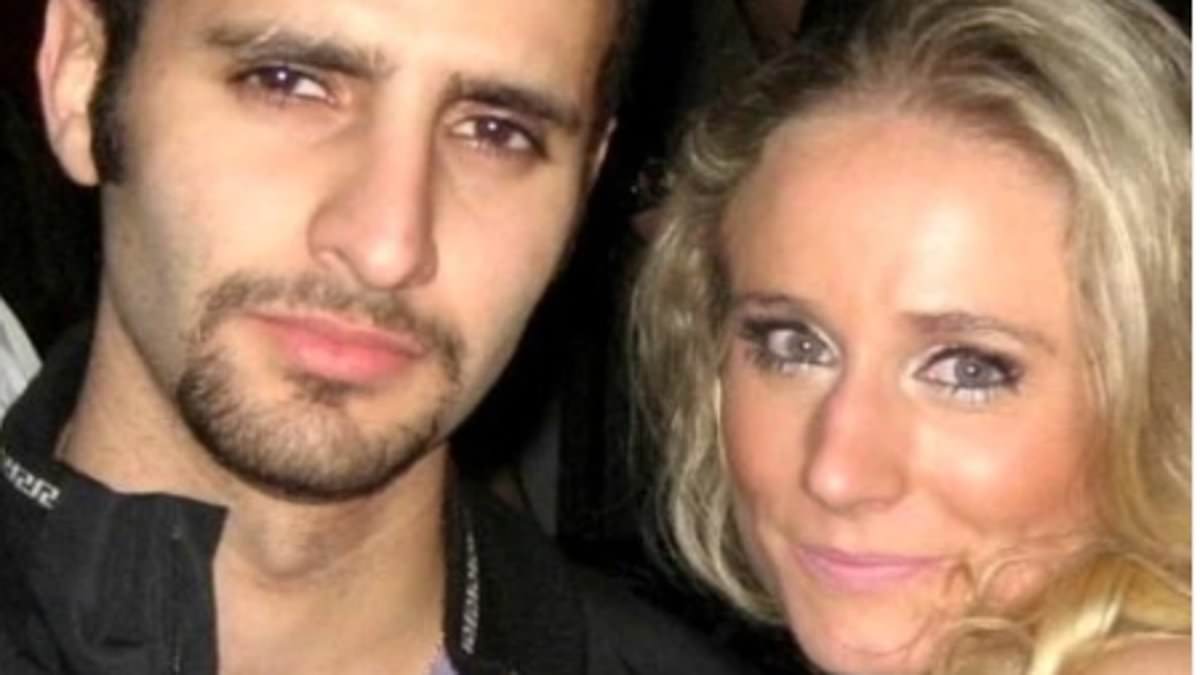
The cases of Yousef al-Manasif and Jawad Qureiris have been highlighted repeatedly by international media in recent years but their families are now hoping that such a high profile royal visit might offer them the breakthrough they need.
Yousef is alleged to have attended protests when he was aged 15 to 17 years old. Jawad was apparently charged with attending a demonstration when he was just 13.
Campaigners say both are at imminent risk of execution if the Saudi Arabian Supreme Court ratifies their death sentences. Saudi justice is described as 'so opaque' that it could happen at any time, without warning.
According to human rights organisation Reprieve, Saudi Arabia's authorities claim to have abolished the death penalty for childhood crimes, announcing a Royal Decree in 2020 that still remains unpublished.


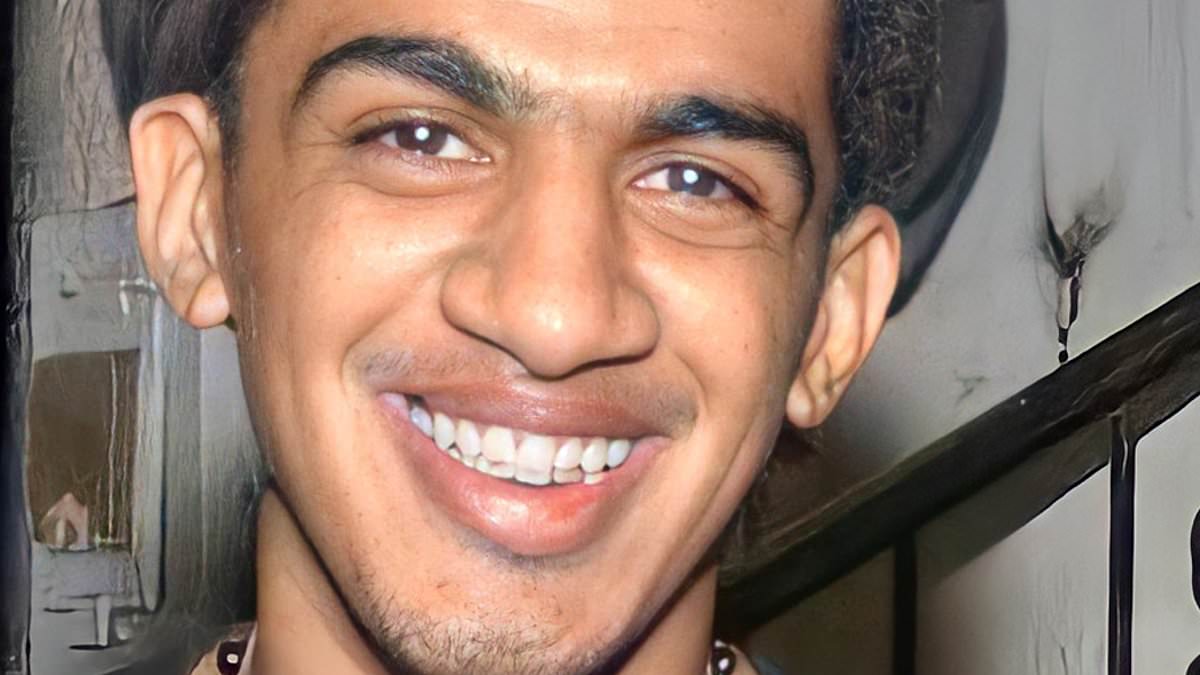
The cases of Yousef al-Manasif (left) and Jawad Qureiris (right) been highlighted by the media
Last year, the Kingdom was said to have openly resumed executions of child defendants, executing two men for protest-related offences committed when they were under the age of 18.
Yousef and Jawad are both said to be Shia Muslims from Saudi Arabia's Eastern Province, where there has long been dissent to the rule of the Sunni Saudi Royal Family.
The protests they attended when they were children were during the Arab Spring of 2011-12. The authorities also classify funerals of protesters as banned gatherings.
Full letter sent to Prince William by families of the two Saudi menYour Royal Highness Prince William,
We write to you as the families of Yousef Al-Manasif and Jawad Al-Qureiris, two young men in Saudi Arabia who now face the imminent risk of execution, despite having been children at the time of the alleged events.
Our sons were arrested and convicted of offences related to aIending protests, many of which occurred before they turned eighteen. Since then, they have spent long years behind prison walls, deprived of their freedom and a normal life with their families. They grew up in prison, while their youth slowly slipped away.
Today, we live with constant and unbearable fear. Every phone call, every piece of news, every moment of silence brings with it the possibility of loss. We fear that our sons could be executed at any moment, without warning, without our ability to protect them, or even to say goodbye. Our children have suffered enough, and our families have endured years of anguish, uncertainty, and pain alongside them.
We are reaching out to you because you are known for your commitment to children’s rights. Our sons were children when their freedom was taken away, and they continue to pay the price for acts alleged against them as minors. We believe that children should be protected - not executed.
As your visit approaches, we understand that it comes as part of the commemoration of the historic relationship between our beloved country and yours. From the depths of our hearts, we hope that this visit can bring back light and life to our families. Our sons have already suffered enough, and all we ask is that you help to protect their lives, allowing us to hold them, without the constant fear of losing them at any moment. We ask for nothing more than their right to live.
We respecfully urge you to raise the names of Yousef Al-Manasif and Jawad Al-Qureiris, and to call for their protection and for a halt to any execution plans against them.
With deepest respect and hope,
The families of
Yousef Al-Manasif
Jawad Al-Qureiris
Yousef was arrested in 2017 at the age 20 for offences related to attending demonstrations when he was a child, starting when he was 15 years old.
Repreive alleges that following his arrest he was held in solitary confinement and tortured for five months.
Yousef was also denied contact with his family, and his injuries were said to be so severe that he lost consciousness and was hospitalised. He was also allegedly forced to sign a confession that was later used to sentence him to death. He is now aged 29.
Jawad was arrested in 2020 on charges related to participation in protests, including following Facebook pages, communicating with a wanted person, using social media to undermine public order, and other 'non-lethal acts'.
Several of the charges relate to conduct allegedly committed when he was a minor, including attending a protest when he was only 13 years old.
Following his arrest, Jawad was said to have been kept in solitary confinement for around nine months, severely tortured and coerced into signing a confession that was used to sentence him to death, campaigners allege.
He is now aged 28.
Reprieve says dissenters are regularly arrested then tortured into making false confessions to 'terrorism' offences and tried in the ultra-secretive Specialised Criminal Court, often without any lawyer acting for them.
It has now sent what it describes as a 'constructive' letter to Kensington Palace on behalf of the men's families, also signed by Child Rights International Network and Al-Qst for Human Rights.
In it, the families say the two young prisoners have 'spent long years behind prison walls, deprived of their freedom and a normal life with their families. They grew up in prison, while their youth slowly slipped away.'
They add: 'Today, we live with constant and unbearable fear. Every phone call, every piece of news, every moment of silence brings with it the possibility of loss. We fear that our sons could be executed at any moment, without warning, without our ability to protect them, or even to say goodbye.
'Our children have suffered enough, and our families have endured years of anguish, uncertainty, and pain alongside them. We are reaching out to you because you are known for your commitment to children's rights.
'Our sons were children when their freedom was taken away, and they continue to pay the price for acts alleged against them as minors.'
Directly appealing to the prince, they say: 'As your visit approaches, we understand that it comes as part of the commemorator of the historic relationship between our beloved country and yours. From the depths of our hearts, we hope that this visit can bring back light and life to our families.
'Our sons have already suffered enough, and all we ask is that you help to protect their lives, allowing us to hold them, without the constant fear of losing them at any moment. We ask for nothing more than their right to live.
'We respectfully urge you to raise the names of Yousef Al-Manasif and Jawad Al-Qureiris, and to call for their protection and for a halt to any execution plans against them.'
Kensington Palace said it could not comment as the prince was travelling on behalf of the government.
However one of the key aims of such trips, sources pointed out, was to foster stronger diplomatic relations, creating a climate where more open conversations could take place about a variety of subjects.
A second letter from a coalition of human rights and children's rights organisations was also sent yesterday.

The Prince of Wales, pictured at Lambeth Palace in London yesterday
It said: 'Through both the Royal Foundation and the Heads Together campaign, you and the Princess of Wales have been leading figures advocating for children's rights and have achieved tremendous successes in helping young people achieve their dreams. Yousef and Jawad have dreams too.
'Before his arrest, Yousef loved art and riding horses and dreamed of one day opening his own shop as a car mechanic. Jawad had a passion for raising birds and took great care of them.
'He did well at school and completed his secondary education. Their dreams will die with them – unless someone intervenes to stop their executions. Will you speak up for them?
'As a long-standing advocate for children, we urge you to use your influence with Mohammed bin Salman to help save Yousef and Jawad. Raising this diplomatically with the Crown Prince, asking that that they are allowed to go home to their families, could be all it takes.'
Reprieve says that under the de facto Saudi leader, Crown Prince Mohammed bin Salman, the execution rate in Saudi Arabia has soared - from an average of 71 people a year prior to 2015 to almost 400.
Most executions, they argue, are for non-violent offences.
MBS, as he is known, was also mired in controversy over the murder of Washington Post journalist Jamal Khashoggi in the Saudi embassy in Istanbul in 2018.
MBS has been accused of ordering the killing and recently described it as a 'huge mistake', although he has denied any personal involvement.
The future king is expected to meet MBS, who is said to be keen to use William's visit to burnish his credentials as a reforming leader.
Willliam is visiting at the request of the UK government from Monday to Wednesday next week as Britain and Saudi Arabia aim to highlight growing trade, energy and investment ties, and as the two nations approach a century of diplomatic relations.
During his visit – William's first to the country - the prince will spend time meeting the 'next generation' of young Saudis and hearing about the country's plans for the future, including its sustainability and conservation efforts.
Jeed Basyouni, head of Middle East and North Africa death penalty projects at Reprieve, told the Daily Mail: 'Mohammed bin Salman decides who lives and dies in Saudi Arabia and could stop these executions and free Jawad and Yousef with a click of his fingers. Prince William has a unique opportunity to ask the Crown Prince to do this personally.
'British diplomacy has made the difference in cases like this before, when child defendants Ali al-Nimr, Abdullah al-Zaher and Dawood al-Marhoun were spared execution and eventually released following representations from the UK Government.'