Thirty-three to stand trial over human, drug trafficking spanning Lithuania, UK, Ireland
Thirty-three Lithuanian nationals will stand trial on charges related to a large-scale criminal organisation accused of human trafficking, including child trafficking, drug trafficking and money laundering across three countries over nearly a decade, prosecutors said Thursday.
The case, referred to court this week, centres on an alleged criminal network that operated in Lithuania, Ireland and the United Kingdom between roughly 2011 and 2020, according to Ruslanas Ušinskas, a prosecutor with the Organised Crime and Corruption Investigation Department of the Klaipėda Regional Prosecutor’s Office.
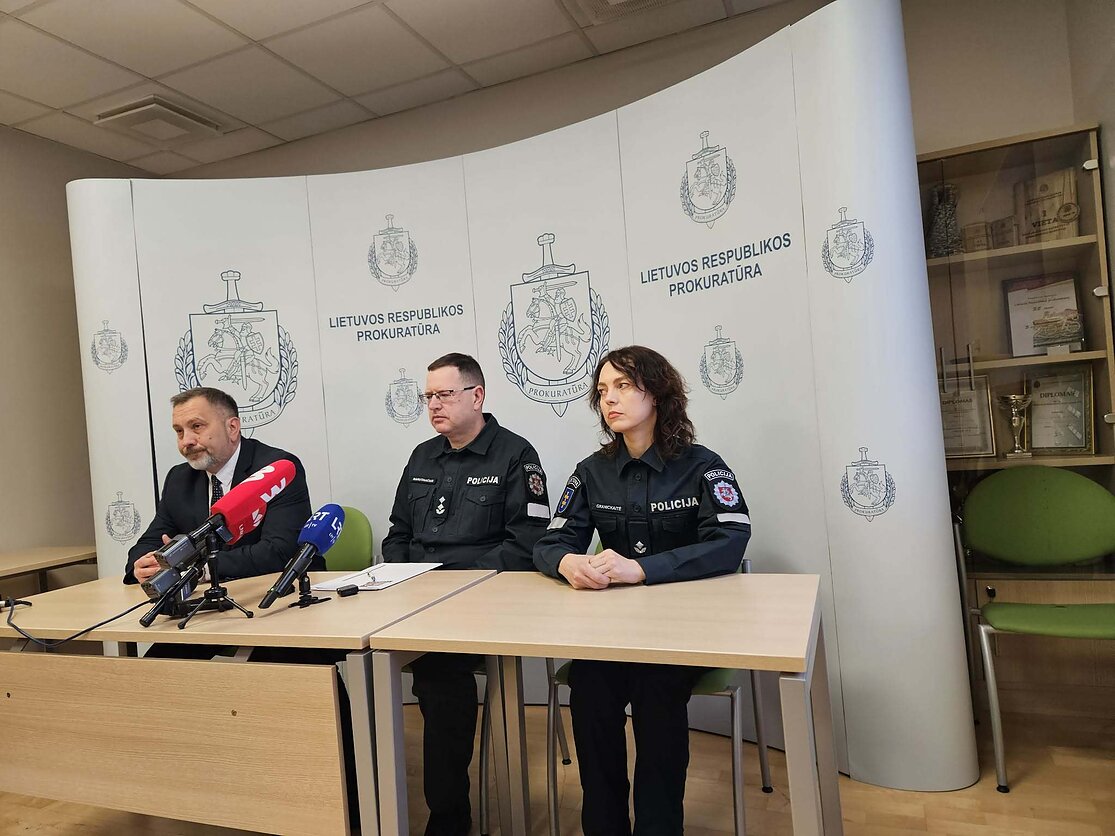
“The criminal activity lasted for nearly a decade and took place in Lithuania, Ireland and the United Kingdom,” Ušinskas told a news conference. “After the pretrial investigation was completed, the case was referred to court, and suspicion notices were served on 33 individuals.”
Prosecutors allege the defendants were members of a criminal organisation involved in human trafficking, including child trafficking, drug trafficking, money laundering and other crimes. All of the accused are Lithuanian citizens.
The investigation generated 297 volumes of case material and involved interviews with more than 400 witnesses and victims, Ušinskas said. Twenty-two people have been officially recognised as victims. Other potential victims live abroad, are deceased, could not be located or declined to cooperate with investigators.
Authorities say the group earned substantial sums from its criminal activities. During searches, investigators seized about 150,000 euros in cash from one of the alleged leaders and identified assets worth more than 1 million euros, including companies, land, houses, apartments and valuables. Property restrictions have been imposed on all identified assets, prosecutors said.
Some of the defendants have already been convicted in separate cases. The alleged leader of the criminal organisation is currently serving an 11-year prison sentence for drug trafficking after part of the case was separated and sent to court earlier, Ušinskas said.
No new arrests have been made in connection with the current case, aside from defendants already serving prison terms. Other suspects are subject to precautionary measures proportionate to the alleged crimes, prosecutors said.
According to Valdas Narutavičius, head of the Organised Crime Investigation Division at Klaipėda County Police, investigators identified at least 100 people who were taken from Lithuania to Ireland and Northern Ireland and forced to sell drugs, primarily heroin.
“This was a modern form of slavery,” Narutavičius said. “These people experienced various forms of violence, including psychological abuse.”
Not all of those individuals have been recognised as victims, he said, citing deaths, an inability to locate some individuals and refusals to cooperate. Most of those recruited were adult men, though a small number of minors were also involved, prosecutors said.
Police said the group targeted socially vulnerable people, including those with addictions, the homeless, people with mental illnesses and individuals recently released from prison. Some were told they would be working in construction or other legal jobs abroad, while others were aware they were being taken to Ireland, investigators said.
Authorities allege the group trafficked kilograms of heroin, which was acquired, diluted and distributed across multiple Irish cities. Profits were sent back to Lithuania, Narutavičius said, describing the operation as a “million-dollar” retail drug business.
Investigators say some of the proceeds were laundered through businesses such as car services and car washes, as well as investments in real estate and jewellery. Other funds were used to recruit new victims, transport them abroad and provide housing.
Lina Garanickaitė, chief investigator at Klaipėda County Police, said the trafficked drug sellers were treated as disposable commodities.
“They were beaten with car cables, scalded with boiling water and forcibly addicted to drugs,” she said. “There were cases where people overdosed and were simply left on the street to die.”
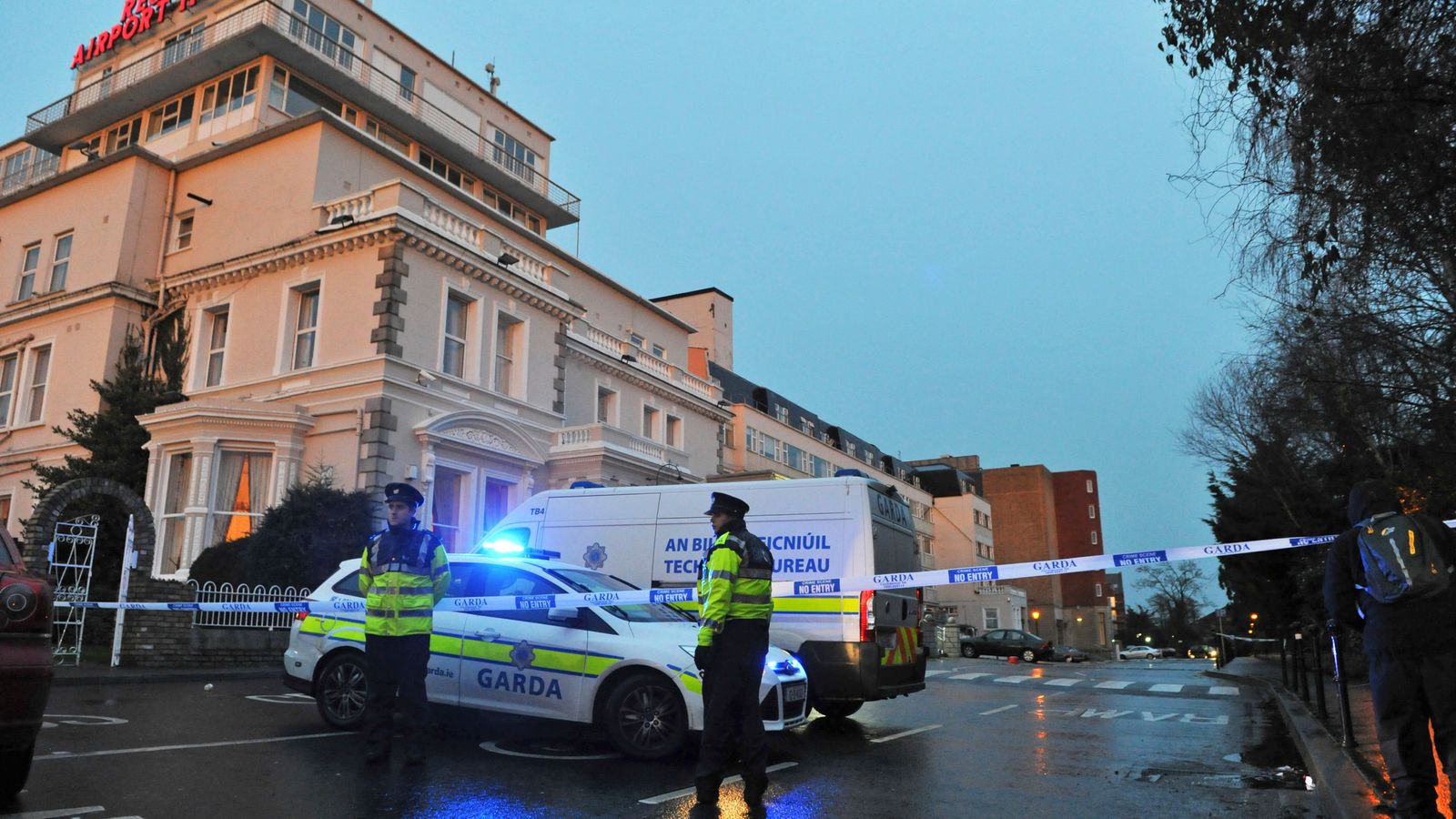
The investigation was carried out by a joint team of law enforcement officers from Lithuania, Ireland and the United Kingdom, with support from Europol and coordination through Eurojust. Officials said the probe, launched about six years ago, was prolonged by the coronavirus pandemic and differing legal procedures among countries.
The prosecution service said the alleged leader of the group has also been convicted in Lithuania of property destruction after organising the arson of a municipal official’s family car in 2020, as well as accounting fraud. He is currently facing additional charges related to large-scale money laundering.
Lithuanian media outlet 15min.lt identified the accused leader as Kęstutis Klemauskas. Prosecutors said he faces up to 20 years in prison or life imprisonment for organising a criminal group, up to 12 years for human trafficking and up to 8 years for drug trafficking if convicted.
LRT EnglishNewsletterEvery Friday morning.
Weekly newsletter every Friday