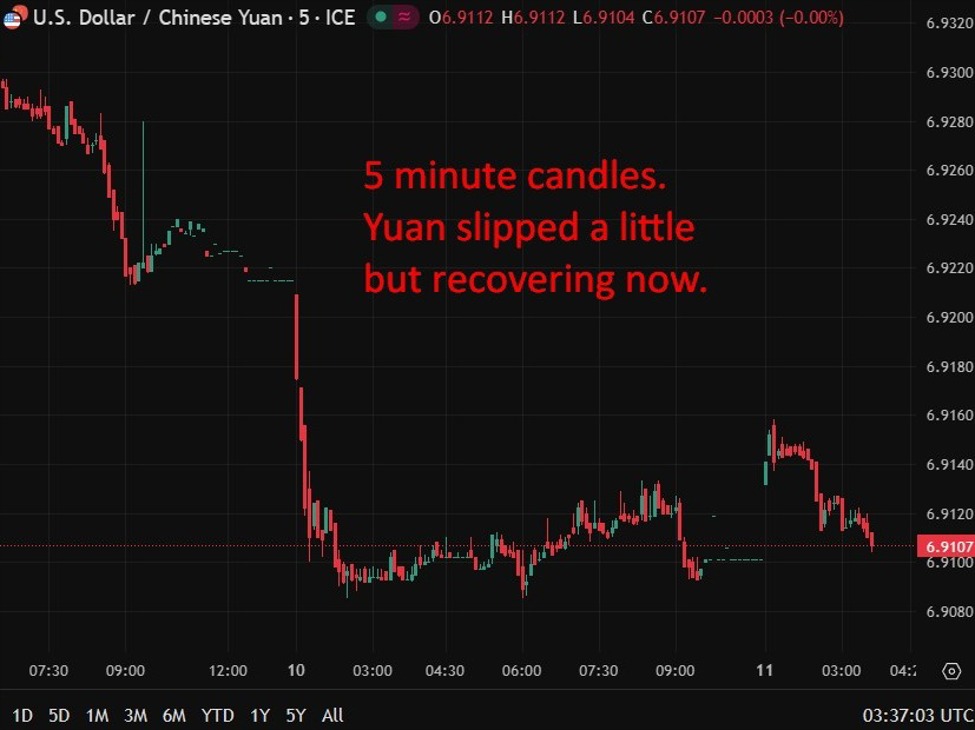
The yuan eased slightly after weak inflation data, even as the PBOC set a firm midpoint and signalled continued managed currency stability.
Summary:
Yuan edges lower after soft inflation
PBOC sets strongest midpoint since 2023
Loose policy stance reaffirmed
Seasonal corporate demand supported currency
Exchange-rate stability remains priority
China’s yuan edged lower on Wednesday following softer-than-expected inflation data, though the move came despite the People’s Bank of China setting its strongest daily midpoint fix in nearly three years.
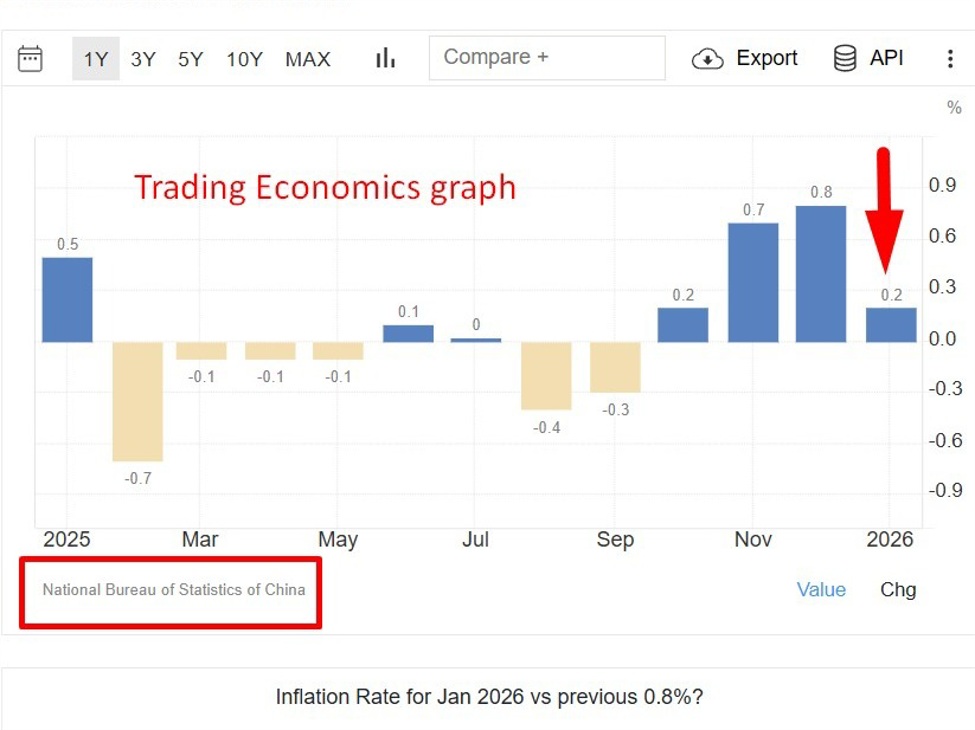
The currency had rallied sharply earlier in the week, touching its firmest levels since 2023, supported by corporate demand ahead of the Lunar New Year holiday. Wednesday’s modest pullback followed January inflation figures that showed consumer prices rising less than forecast while producer prices remained in deflation, reinforcing expectations that policymakers may need to maintain an accommodative stance.
The PBOC on Tuesday reiterated it would continue implementing a “moderately loose” monetary policy, prioritising stable growth and a reasonable recovery in prices, while keeping the yuan basically stable at balanced levels.
Before markets opened, the central bank set the midpoint at 6.9438 per dollar — its strongest fixing since May 2023 — though slightly weaker than some market estimates. Under China’s managed float system, the yuan is permitted to trade within a 2% band either side of the daily midpoint.
Since November, the PBOC has consistently set official guidance firmer than prior sessions, but often marginally weaker than market projections. Market participants interpret this approach as an effort to encourage gradual appreciation while avoiding sharp one-way moves.
The yuan’s earlier strength had been fuelled by seasonal corporate flows, particularly exporters converting foreign currency into yuan ahead of the week-long Lunar New Year holiday beginning February 15. Such demand is typical as companies meet payroll and supplier obligations.
Overall, while softer inflation data briefly weighed on sentiment, the broader backdrop remains one of managed stability. Policymakers appear intent on balancing monetary easing expectations with exchange-rate control, aiming for steady rather than volatile currency movements.




Comments (0)