
Remember me
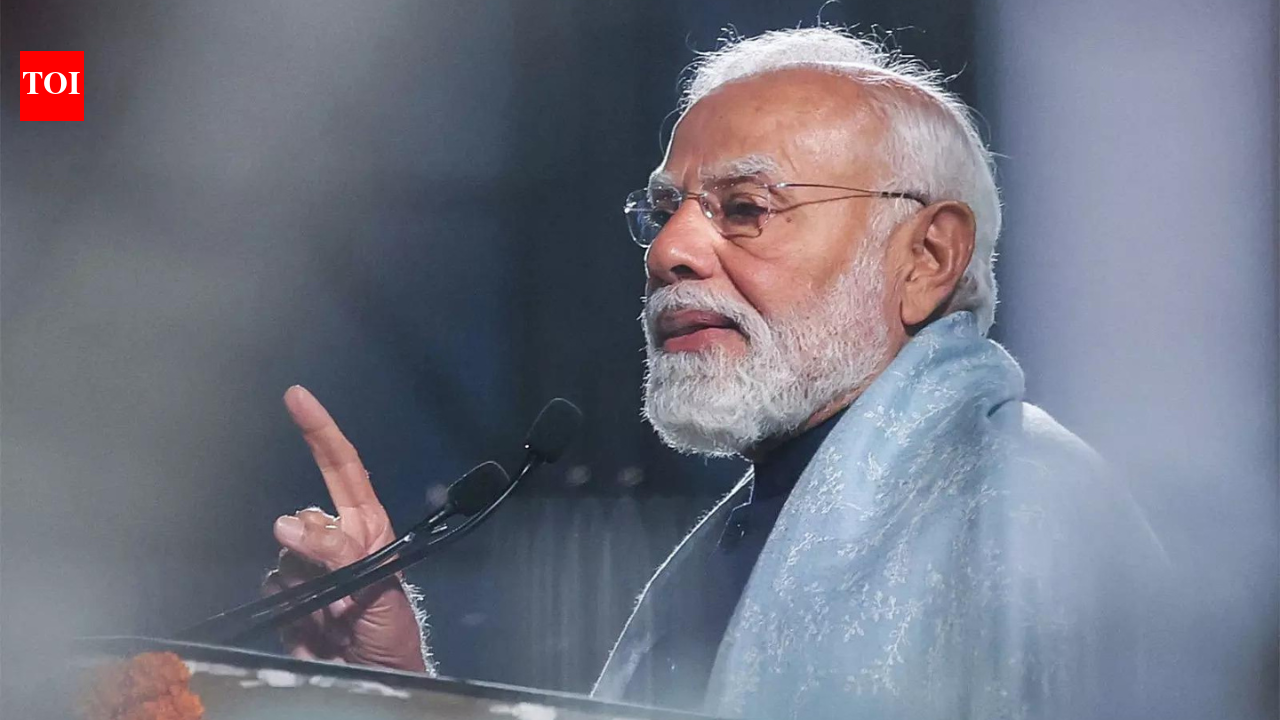
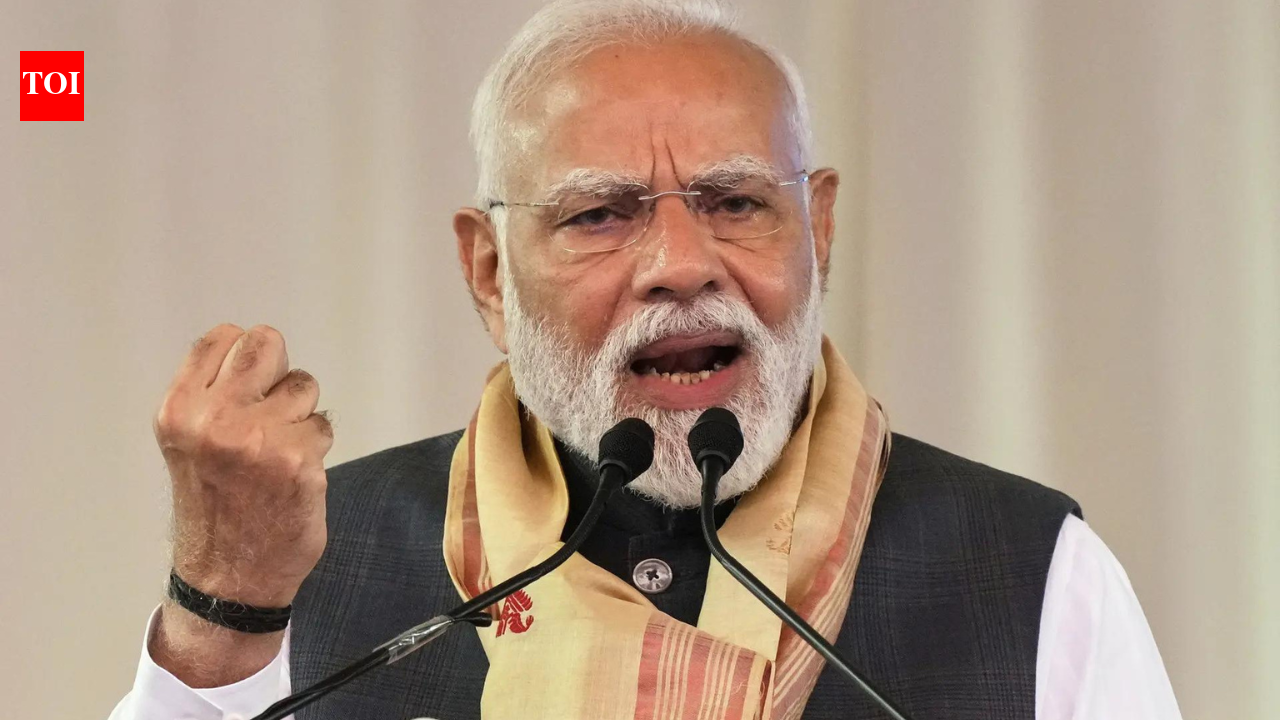
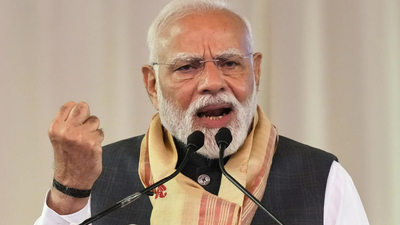 Prime Minister Narendra Modi (AP image) NEW DELHI: Prime Minister Narendra Modi on Sunday outlined India’s reform priorities for the next decade, asserting that his government’s “Reform Express” has delivered systemic transformation and benefitted common citizens in a significant way.In an interview to PTI, PM Modi said that his top three reform priorities for the coming decade will be continued structural reforms, deeper innovation and further simplification of governance, as India moves towards the goal of a “Viksit Bharat”.
 'New World Order Emerging, India Ready To Lead As Global Growth Engine', Says PM Modi At ET Summit
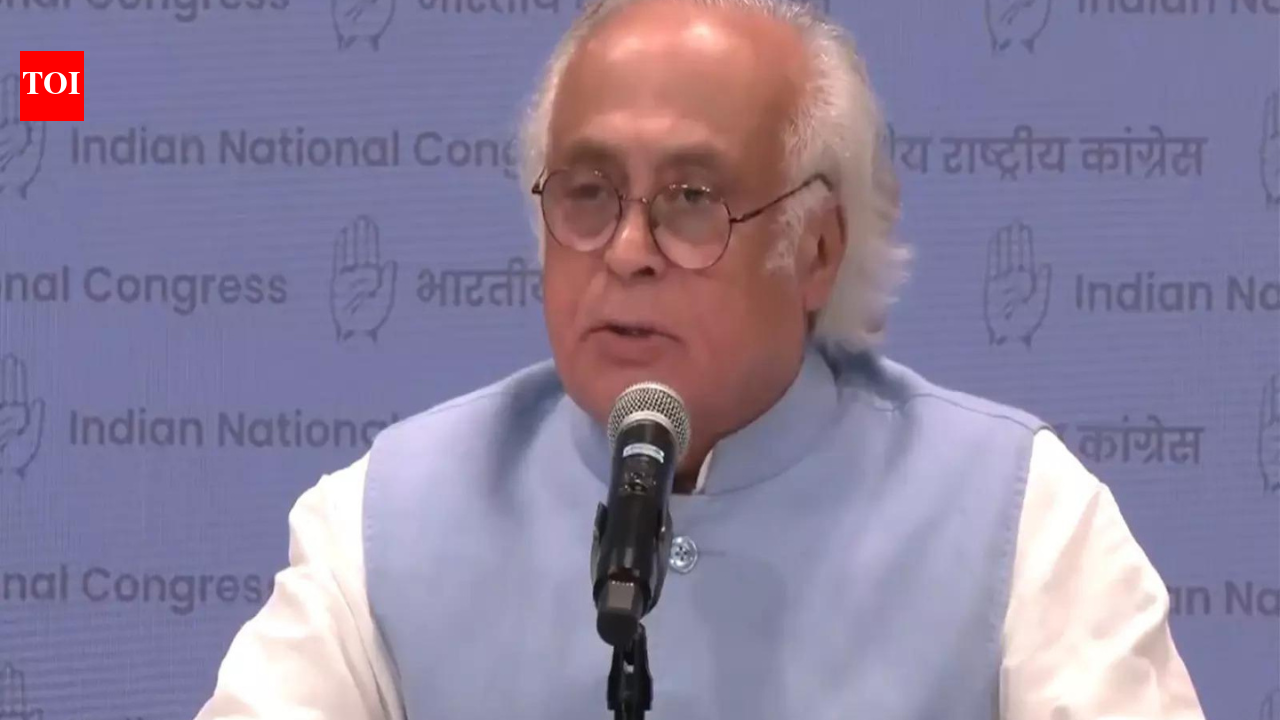
Asserting that his government’s reform push has moved beyond incremental changes, PM Modi said, “Reform is the commitment of this government, something we have shown in letter and spirit. I am proud to say that we have moved from incremental adjustments to systemic transformation.”When asked to prioritise three economic reforms for the next decade, he said, “Our direction is clear, rather than limiting it to a fixed number.“First, we will continue structural reforms that improve competitiveness and productivity. Second, we will deepen innovation in technology, manufacturing and services. Third, we will simplify governance further so that citizens and businesses can operate with greater ease and trust,” he said.He said that India’s growth story is being shaped by fundamental changes in governance and economic policy. Highlighting the country’s digital transformation, PM Modi said, “India is a digital leader in the world made possible by fundamental reforms in how people transact via the UPI platform.”The prime minister also emphasised the role of data infrastructure in the coming years. “Data centres will be a massive job creator for our youth; we invite whole world’s data to reside in India,” he said.On infrastructure, PM Modi said that India is witnessing an unprecedented expansion. “India witnessing most expansive infra push in its history, built with future readiness in mind,” he told PTI, underlining that infrastructure development is being planned with long-term needs in focus.PM Modi also described productive capital expenditure as a hallmark of his government and said the latest Union Budget avoided short-term populism. Instead, it prioritised record capital outlays to create jobs and strengthen long-term growth.Also Read | 'Focus less on margins': PM Modi says private sector 'critical' for Viksit Bharat, offers strong advise - top quotesHe said that India’s goods exports have repeatedly broken earlier records in recent years, reflecting improved competitiveness and global integration.“Our national character has revealed itself even in challenging times; we are bright growth spot in difficult global circumstances,” he said, pointing to India’s resilience amid global economic uncertainty.On trade policy, the prime minister said that India’s free trade agreements are aimed at expanding opportunities for small businesses. “Our FTAs designed to expand market access for MSMEs in textile, leather, chemicals, handicrafts, gems and other sectors,” he said.Looking ahead, PM Modi stressed that the next leap towards a developed India will depend heavily on private sector participation. “Next leap to Viksit Bharat will depend on bold investment by pvt sector in innovation, long-term capacity, global competitiveness,” he said.He also underlined the role of women in India’s development journey. “It is my conviction that women will play the most important role in creating Viksit Bharat,” he said.Framing the broader vision, PM Modi said that the current policy direction should be seen as laying the foundation for long-term national goals. The reforms and investments being undertaken now, he suggested, are meant to prepare India for sustained growth over the next quarter-century.The Congress party reacted sharply to PM Modi's interview calling it “carefully scripted and desperate PR exercise”. Party leader Jairam Ramesh in a post on X said that the interview was timed to divert attention from criticism over the Union Budget and the Opposition’s attack on the government in Parliament.“The PM knows that this year’s Budget has been a damp squib and shows every sign of intellectual exhaustion. Markets have reacted negatively and investors have been unimpressed. Hence, he feels the need to give an interview a fortnight after the Budget was presented and a few days after it was taken apart by the Opposition in Parliament. As usual, there are Modi-style one-liners that mean little in reality,” Ramesh said in a post on X.Ramesh alleged that the prime minister was facing pressure over the trade deal with the United States and farmers’ issues and was attempting to shift the narrative through media outreach.“Under siege and attack because of his surrender to the US on the trade deal, the Prime Minister is now resorting to his favourite tactic of headline management. He is trying to divert attention away from his betrayal of lakhs and lakhs of farmers and other capitulations. His so-called interview is no interview, but a carefully scripted and desperate PR exercise,” he further wrote.
Comments (0)