
Remember me





This week in science: the generational effects of nuclear radiation discovered in the children of Chernobyl cleanup workers; simple habits that could reduce your risk of dementia; a new light therapy 'hat' for hair loss; and much more!
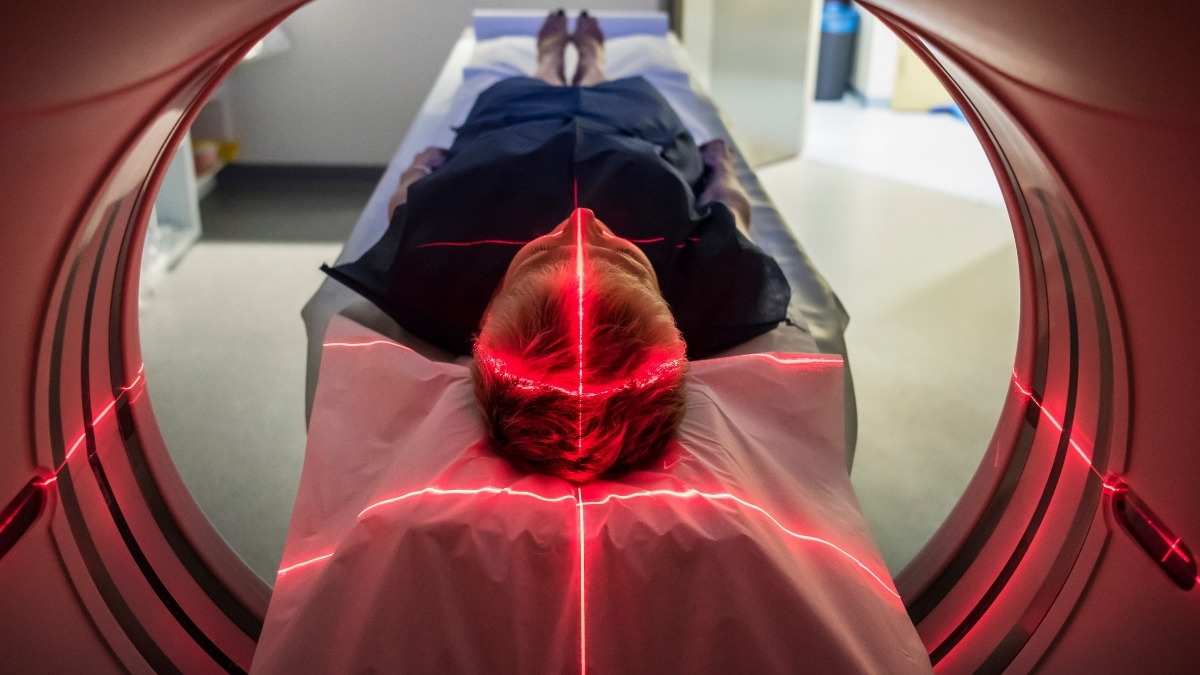
DNA Mutations Discovered in The Children of Chernobyl Workers (Cavan/Getty Images)
Scientists have identified DNA mutations passed down to the children of cleanup workers after the 1986 Chernobyl nuclear disaster.
A higher radiation dose for the parent tended to mean a higher number of mutation clusters in the child. This fits with the idea that radiation creates molecules known as reactive oxygen species, which are able to break DNA strands – breaks which can leave behind the clusters described in this study, if repaired imperfectly.
Simple Lifelong Habits Can Cut Your Alzheimer's Risk by 38%, Study Finds (JJ Jordan/Pexels)
Activities like reading could reduce your risk of dementia by up to 38%, and delay the onset by up to seven years, according to a new study.
The researchers also analyzed brain tissue from participants who died during the study period. There were signs that the brains of those with higher childhood enrichment scores had a certain level of protection against the protein buildup associated with Alzheimer's.
New Light Therapy Can Suppress a Key Marker of Hair Loss by 92% (Alan Rubio/Getty Images)
A new light therapy 'hat', developed by Korean scientists, offers new hope for hair loss by suppressing age-related cell changes by 92%.
This new technology is based on near-infrared wavelengths that are specially tuned to target human dermal papilla cells (hDPCs) – critical players in hair regeneration at the base of hair follicles.
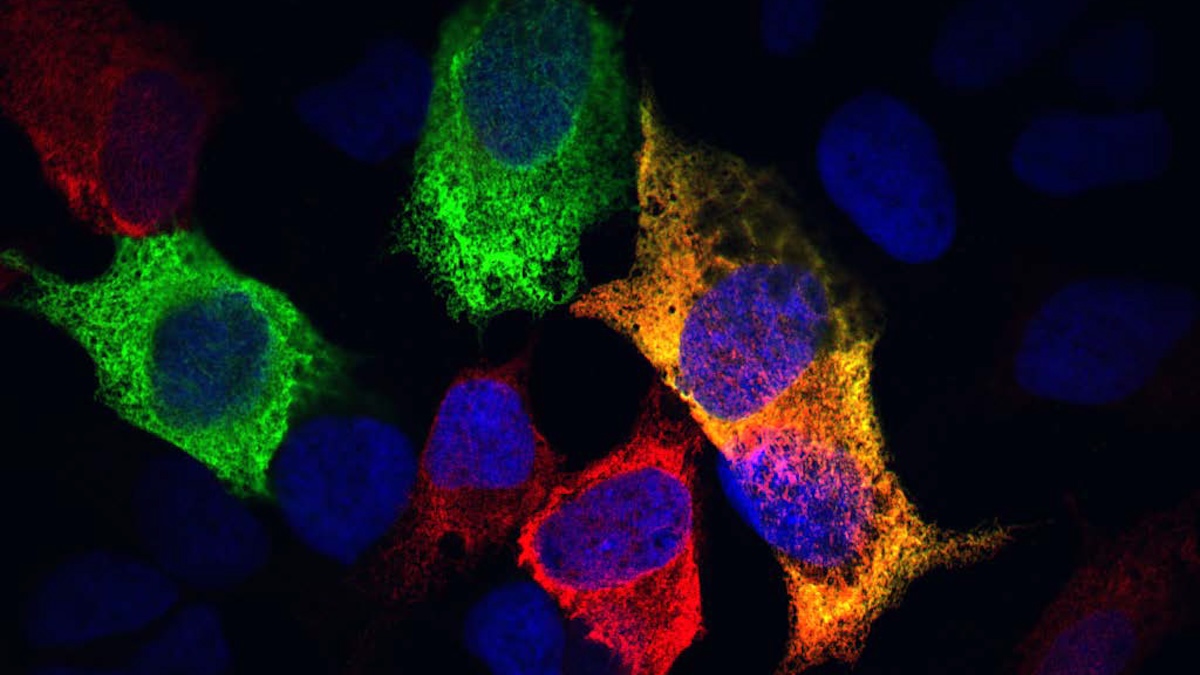
Scientists Grew Mini Brains, Then Trained Them to Solve an Engineering Problem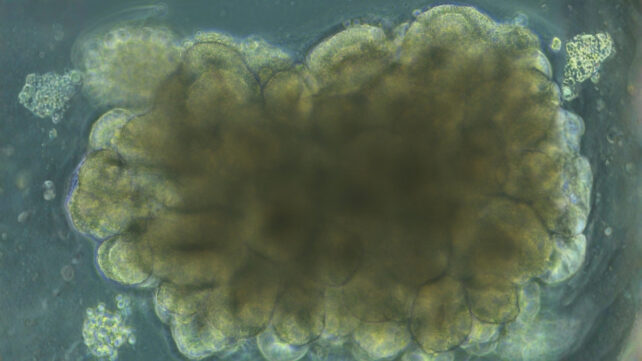 An organoid during development, showing early neural tissue formation. (National Institute of Allergy and Infectious Diseases, NIH)
Lab-grown mini-brains have been trained to steadily improve their performance at solving a classic engineering problem.

"What we showed is short-term learning, in that we can take an organoid in one state and shift it into another one that we're aiming at, and we can do that consistently," says Ash Robbins, robotics and artificial intelligence researcher at the University of California, Santa Cruz.
Astonishing Spinosaur Unearthed in The Sahara Is Unlike Any Seen Before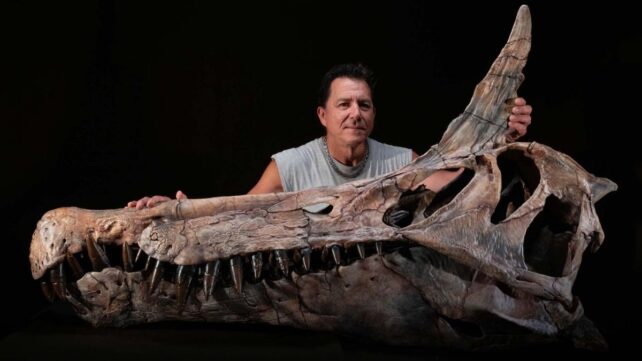 Paleontologist Paul Sereno with the reconstructed Spinosaurus mirabilis skull. (Keith Ladzinski/University of Chicago)
A new species of Spinosaurus has been found in the Sahara, sporting a curved crest on its head, unlike any seen in this kind of dinosaur before.
"I envision this dinosaur as a kind of 'hell heron' that had no problem wading on its sturdy legs into two meters of water but probably spent most of its time stalking shallower traps for the many large fish of the day," says Paul Sereno, paleontologist at the University of Chicago.
Deer Create Mysterious Ultraviolet Signals That Glow in Forests (NaNami Cn/500px/Getty Images)
Deer can communicate with each other via an ultraviolet trail, made by rubbing and peeing on trees, a new study finds.
These UV wavelengths abound in the skies at twilight and dawn, when deer are most active. And since earlier research has shown deer can see reflections or emissions of these wavelengths, anything that glows bright enough under the researchers' torches would be easily visible to a deer's eye.