
Remember me









An urgent health warning has been issued to Sydneysiders as authorities grow increasingly concerned of a drug-resistant STI outbreak.
Drug-resistant strains of gonorrhoea are now spreading across NSW, with 16 cases of multi-drug resistant gonorrhoea diagnosed so far this year, compared to 41 cases last year, NSW Health confirmed on Tuesday.
Health authorities said most cases, which are showing high levels of resistance to treatment and other drugs including penicillin, are based in Sydney.
These infections are sometimes dubbed 'gonorrhoea superbugs' or 'super gonorrhoea'.
'If we do get a predominance of drug resistance, we might need to give people intravenous antibiotics … there may not be antibiotics available,' NSW Health’s Dr Vicky Sheppeard said.
'So to try to control this now, when the numbers are relatively small, is ideal.'
Most cases have been diagnosed in heterosexual people, including recent cases with links to female sex workers.
Gonorrhoea is a sexually transmissible infection caused by the bacteria Neisseria gonorrhoeae.

Local transmission of multi-drug resistant gonorrhoea is increasing across NSW as health authorities grow concerned
Infection can occur in the throat, urethra (urine passage), cervix (opening of the uterus), rectum and eyes and can be spread by having unprotected vaginal, anal or oral sex or by sharing sex toys with someone who has the infection, according to NSW Health.
Gonorrhoea can also be passed from mother to baby during childbirth.
While some people with a gonorrhoea infection have no symptoms and may not realise they carry it, symptoms can include pelvic pain, vaginal bleeding, pain or burning when urinating, unusual vaginal discharge or discharge from the penis, and anal pain or discharge.
Even those with no symptoms can still pass the infection to others.
It's vital to treat gonorrhoea, as the infection can lead to serious complications, including pelvic inflammatory disease, adhesions, infertility, ectopic pregnancy, epididymitis, conjunctivitis and prostatitis.
Contact tracing is essential for everyone diagnosed with gonorrhoea to reduce transmission and prevent re-infection, with all sexual partners traced back for at least two months.
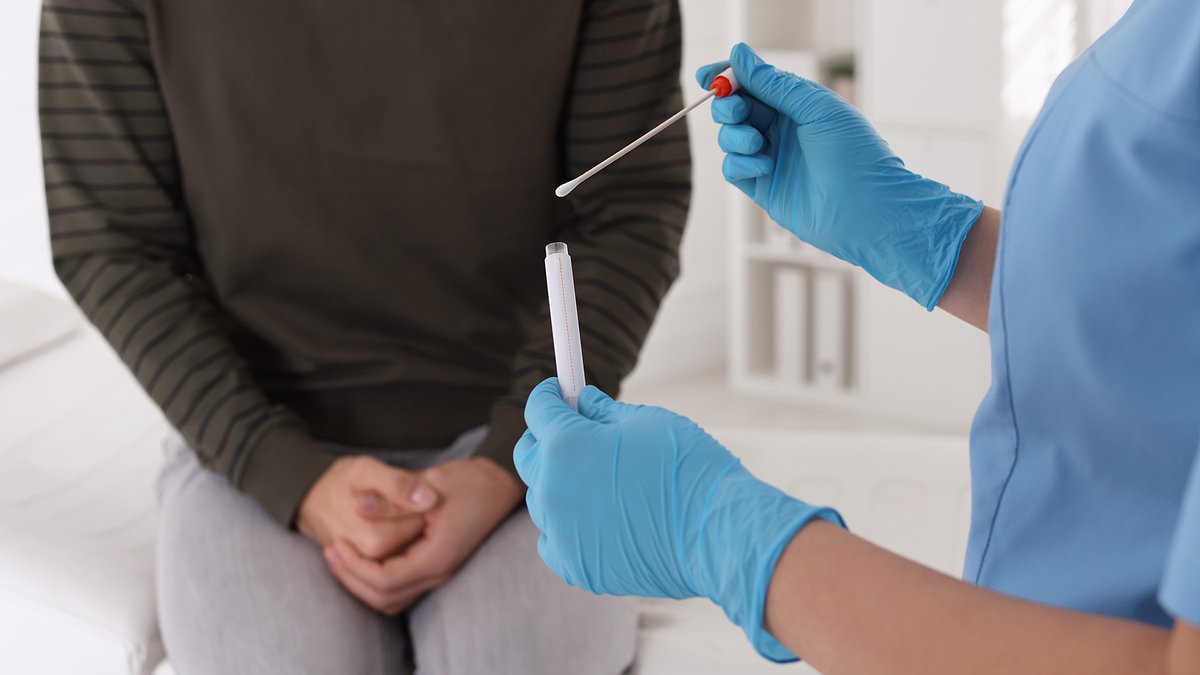
Diagnosis is simple with a urine sample or a swab taken from the vagina, penis, urethra, anus, rectum or throat.
Many swabs can be self-collected and do not require a clinical examination.
There have been 1614 gonorrhoea notifications in NSW so far this year.
Share or comment on this article: Urgent warning over drug-resistant gonorrhoea outbreak in NSW