Why a viral AI-generated fight scene could be the end for Hollywood
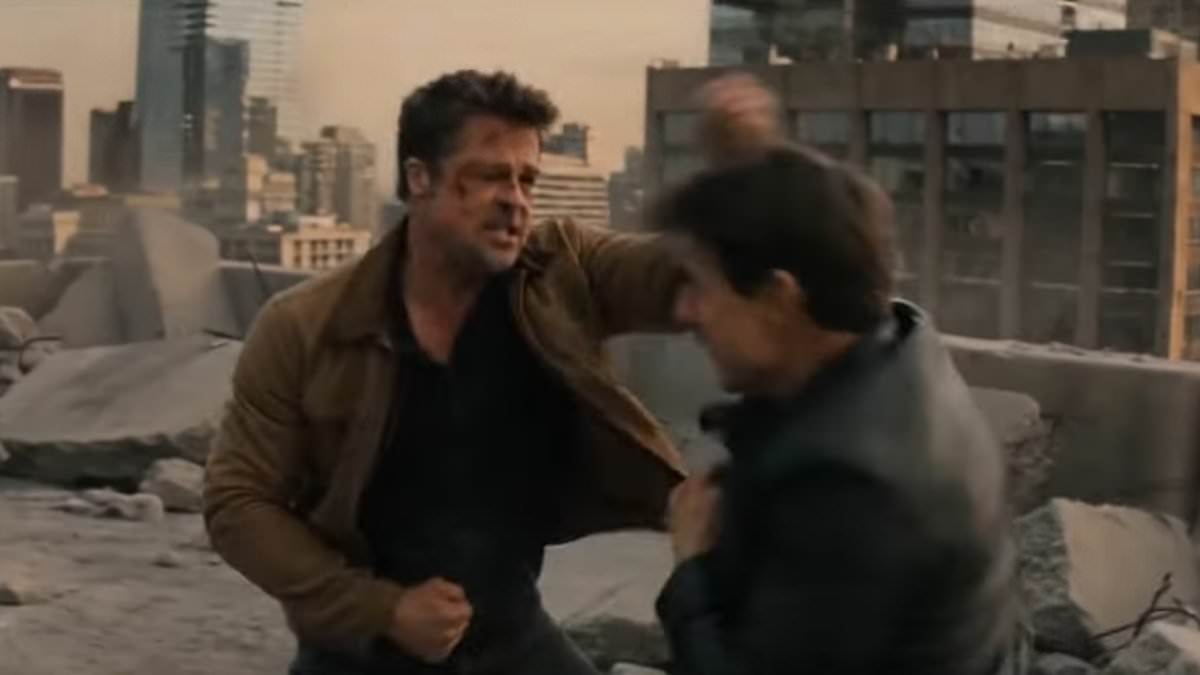
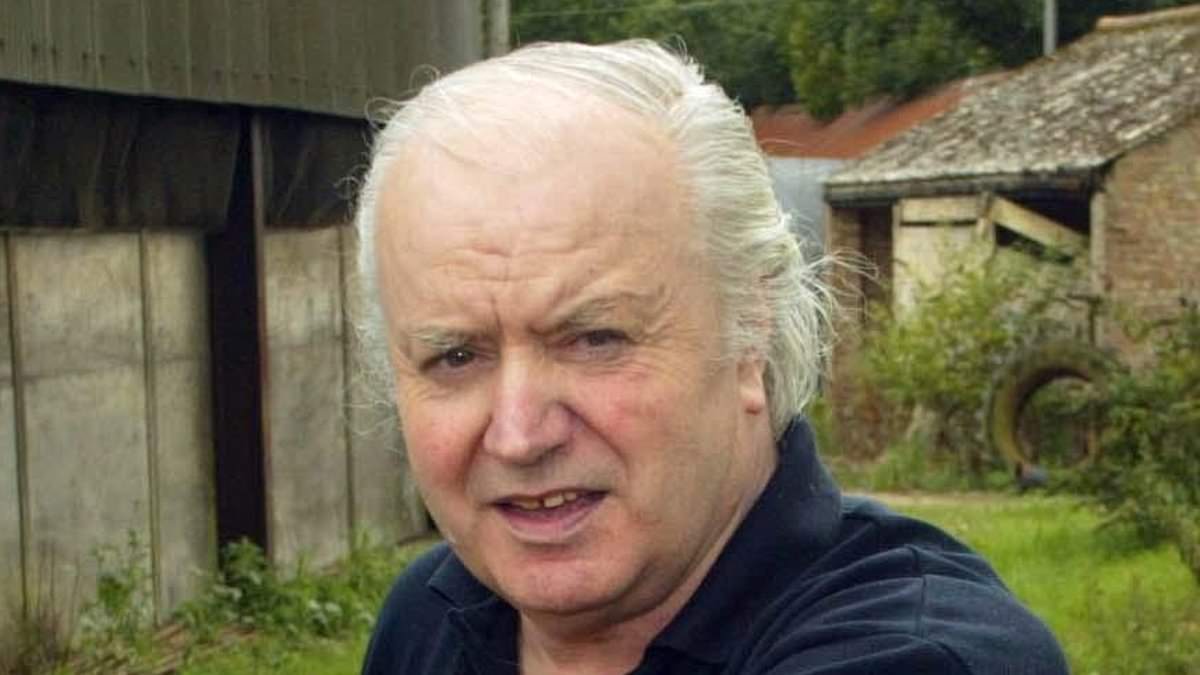
The camera pans across a rubble-strewn bridge at twilight, as Brad Pitt and Tom Cruise engage in a bone-crunching fist fight.Set to a dramatic score with taut sound effects, professional stuntwork, deftly shot and edited camerawork, it has all the hallmarks of a big-budget Hollywood studio production.Except that nothing about the 15-second action sequence – which quickly went viral online – is genuine.The hyper-realistic video was created a few days ago by Irish film director Ruairi Robinson. Not after painstaking hours of expensive filming, stunt choreography, and post-production, but simply by typing a two-sentence prompt into a powerful artificial intelligence video-generation tool and pressing ‘enter’.He performed this startling feat using Seedance 2.0, the latest AI video generator owned by ByteDance, the Chinese tech giant which – outside the US – also owns TikTok. On the same day Seedance 2.0 was released, Robinson, who was nominated for a short film Oscar in 2002, created his video and posted it on X.It is not the first time AI has been used to recreate living actors – nor even the first time it has recreated Cruise – but it is the first time it has done so with such unnerving authenticity.The visuals are so realistic that even as industry giants, including Disney, Paramount Skydance and Netflix, mobilised their lawyers to threaten ByteDance over alleged copyright infringement, cries echoed around Hollywood that the industry is doomed.For years, most of the world’s biggest tech companies and AI firms have been racing to develop a tool capable of producing a truly credible alternative to live-action film. A 15-second action sequence showing Brad Pitt and Tom Cruise in a bone-crunching fist fight recently went viral online But nothing about it is genuine. It was created by a typing a two-sentence prompt into a powerful artificial intelligence video-generation tool And even if questions remain about the cost of such software and the length of footage it can currently sustain (not much, for now), it increasingly appears the Chinese may have got there first.A software developer has since claimed that Seedance 2.0 didn’t entirely create the scene from scratch, as it might have borrowed archive footage of stuntmen fighting in front of a green screen, adding the actor’s faces and the scenery – but the trickery is still impressive.If it takes only a few minutes to generate a polished film sequence featuring two of the world’s most recognisable stars, rendered almost indistinguishable from the real thing, many fear that the prospects for movies made the old way – with real cameras filming real actors on real sets, working from scripts shaped by real writers – look truly bleak.Veteran screenwriter Rhett Reese seemed to speak for thousands in his profession when he said of the AI fight scene: ‘I hate to say it. It’s likely over for us.’The footage was enough to send a ‘cold shiver’ up his spine, he said. ‘For all of us who work in the industry and devoted our careers and lives to it, I just think it’s nothing short of terrifying,’ he added. ‘I could just see it costing jobs all over the place.’Reese, who wrote the superhero film Deadpool & Wolverine and the acclaimed horror-comedy Zombieland, said he was ‘terrified’ and predicted his beloved industry would be ‘decimated’.‘In next to no time, one person is going to be able to sit at a computer and create a movie indistinguishable from what Hollywood now releases,’ he said.‘True, if that person is no good, it will suck. But if that person possesses [Oscar-winning director] Christopher Nolan’s talent and taste, and someone like that will rapidly come along, it will be tremendous.’Tinseltown has long suffered periodic panic attacks about AI, such as in 2021 when a visual- effects company used the technology on a Tom Cruise impersonator to flood TikTok with ‘deepfake’ videos purporting to show the Mission Impossible star playing golf and clowning around at home. (The real Cruise, observers noted, looked smaller and older.)But while Silicon Valley has long warned that AI threatens to make millions of white-collar jobs obsolete, particularly those involving repetitive tasks, creative professions such as filmmaking were widely assumed to be a safer, harder prospect for a computer to replicate. Irish film director Ruairi Robinson, who created the hyper-realistic video using Seedance 2.0, the latest AI video generator from TikTok owner ByteDance, the Chinese tech giant Veteran screenwriter Rhett Reese seemed to speak for thousands in his profession when he said of the AI fight scene: ‘I hate to say it. It’s likely over for us’Some directors and screenwriters have even cautiously welcomed AI, arguing they will simply use it as another tool when helpful – and perhaps reduce costs in the process.Sceptics counter that the arrival of Seedance 2.0 – which can turn not only text but images, video clips and even audio into cinematic sequences – represents a significant leap forward and is markedly more sophisticated than the original program released only eight months ago.This chilling development makes clear the technology is no longer Hollywood’s to control. Tech companies intend to give anyone the means to make a film.Indeed, social media has in recent days been heaving with homemade Seedance productions, some more accomplished than others.The most striking so far has come from a small, cutting-edge production studio known as the Dor Brothers, which has a history of creating viral videos entirely with AI. Their latest effort, running for more than three minutes, features a glamorous but unrecognisable blonde fleeing an apocalyptic New York. With collapsing skyscrapers and frantic street scenes, it is far more complex than the Pitt-Cruise fight. It was viewed 19 million times on X in just two days.Critics gleefully pointed out minor glitches like police cars marked ‘POICE’ and an electric Tesla sounding suspiciously like it has a combustion engine – but others argue that such quibbles miss the broader point: the astonishing speed at which the technology is evolving.Ordinary viewers may wonder what the fuss is about, given how much of modern cinema is already computer-generated – particularly superhero and action films in which digitally enhanced actors perform against green screens later filled in by technicians, or vast battle scenes populated by fake crowds in post-production.The potential of Seedance 2.0, however, has unquestionably captured Tinseltown’s attention. ByteDance was swiftly inundated with legal cease-and-desist letters from studios and streaming giants accusing the company of feeding copyrighted films and television shows into the vast data pools used to ‘train’ its system.Disney accused it of a ‘virtual smash-and-grab’ of treasured characters from its cartoons, Marvel comics and Star Wars franchises, while Netflix complained the tool had generated videos mimicking figures from hit series such as Stranger Things and Bridgerton. Actors’ union SAG-AFTRA said the technology was irresponsible and ‘undercuts the ability of human talent to earn a livelihood’.ByteDance insists it will crack down on copyright breaches. But that will not stem a flood of AI productions that create their human cast entirely from scratch.Will audiences watch a feature-length film made wholly by AI, especially one without familiar stars? Hollywood optimists argue that AI’s greatest weakness will be originality. After all, viewers already complain of being deluged with formulaic, low-budget dross churned out by streaming platforms because an algorithm deems it popular.How much more monotonous might cinema become if every element is generated by a program drawing only on what is already circulating the internet?Ultimately, industry insiders predict, it will all boil down to money. The average cost of making a Hollywood film is estimated at $65 million (£48 million), with big-budget productions costing far more.Shrinking cinema audiences are squeezing the returns on that vast investment. The UK in particular has much to lose should AI conquer filmmaking. It has long been a favoured location for movie and television production, contributing billions of pounds annually to the British economy and employing around 200,000 people.American investment in UK production rose to a record £2.8 billion last year and, by the end of this year, Britain is expected to have more studio space than anywhere else in the world outside Hollywood.All those sparkling production facilities could end up being so much empty space if AI technology alone can create the feature films of the future.The age-old director’s demand for ‘Lights! Camera! Action!’ sounds increasingly like the battle cry of a dying era.





Comments (0)