For years, I quietly assumed that the best yoga teachers were the ones who could effortlessly work a room and make class feel like a social event.
I’m an introvert. If you’re like me, that means you might have spent much of your career in yoga assuming your default state is flawed—and that only some caffeine-fueled, fake-it-til-you-make-it attitude could solve all your problems. But I’m here to suggest an alternate approach.
In my decade of teaching, I’ve come to understand that although a dose of forced situational extroversion might be necessary at times, introversion is not something to overcome in this profession. In many cases, it is actually something to leverage.
None of this is an attempt to say that introversion is inherently superior to extroversion or that the latter is a liability. Both temperaments carry strengths and blind spots. Many of us flit between each of these on a situational basis. Give me a clear role and I’ll be as visibly extroverted as they come. When that role disappears, I’m hiding at the edge of the room exploring how the sound system amp is configured. The key is not to override your innate wiring, but to understand it.
Let’s chat about some of the ways being quieter and more internally wired can be an asset rather than a perceived flaw in your yoga teaching.
Perhaps you’ll discover that the quieter version of yourself has never been a disadvantage after all.
1. It’s a Surprisingly Solo Profession
Despite the fact that you’re surrounded by students in class, teaching yoga is an unusually independent career. There are no weekly appraisals, no structured hierarchy to advance within, relatively little sense of being part of a team, and almost no external accountability in terms of your progress and development. It can be easy to plateau in this line of work.
But for someone who is content working alone, this environment can result in days that are profoundly productive. You can study anatomy in the early morning, refine your sequencing over lunch, and slowly construct a body of work that is aligned with your internal motivations rather than reactive to the opinions and impulses of others. In a career that often lacks formal oversight, quiet discipline becomes both invaluable and sustainable.
2. Observation is a Teaching Skill
When you’re not focused on performing or mingling, you tend to notice everything. As a result, an introvert’s observation skills tend to be heightened.
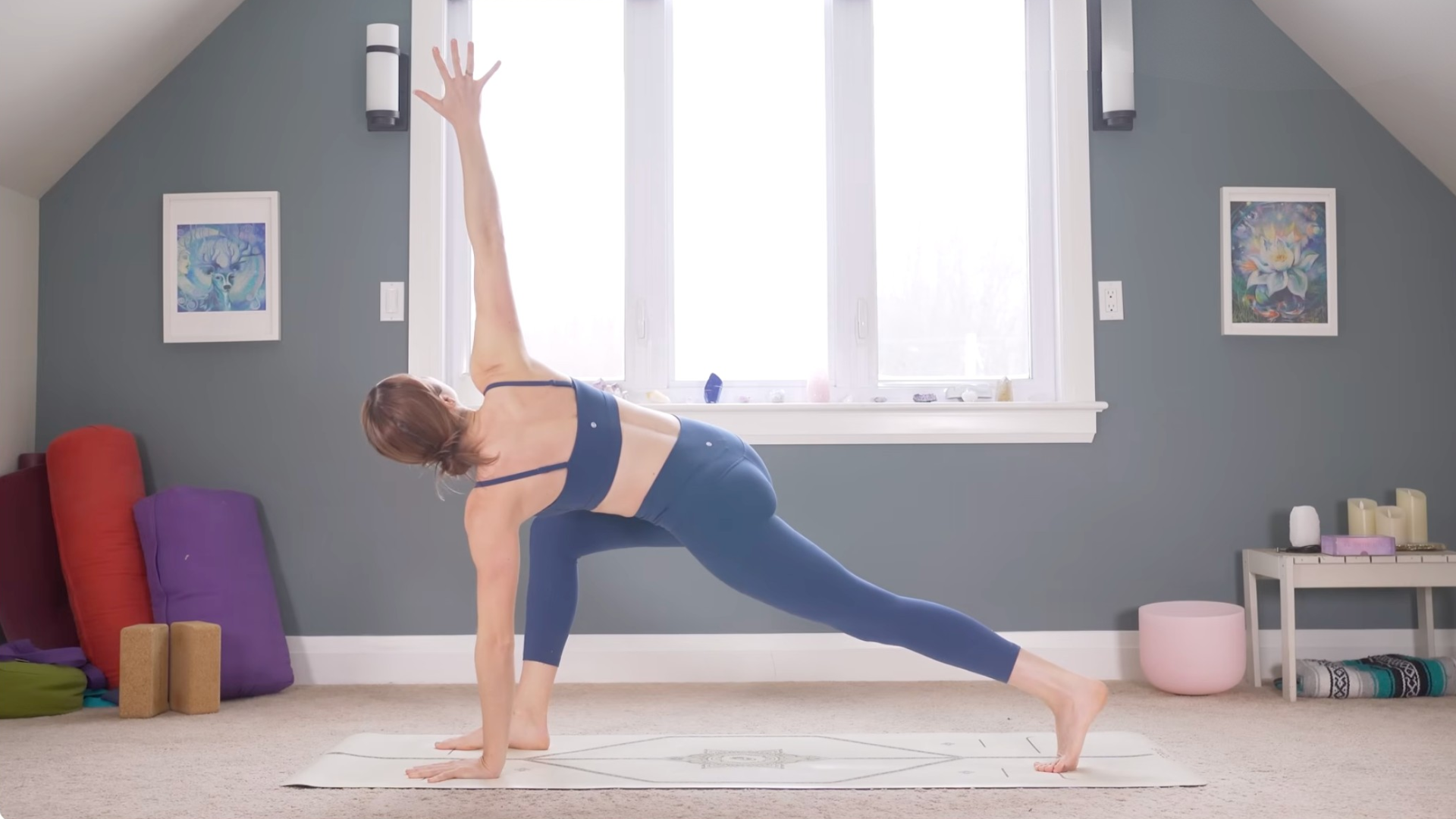
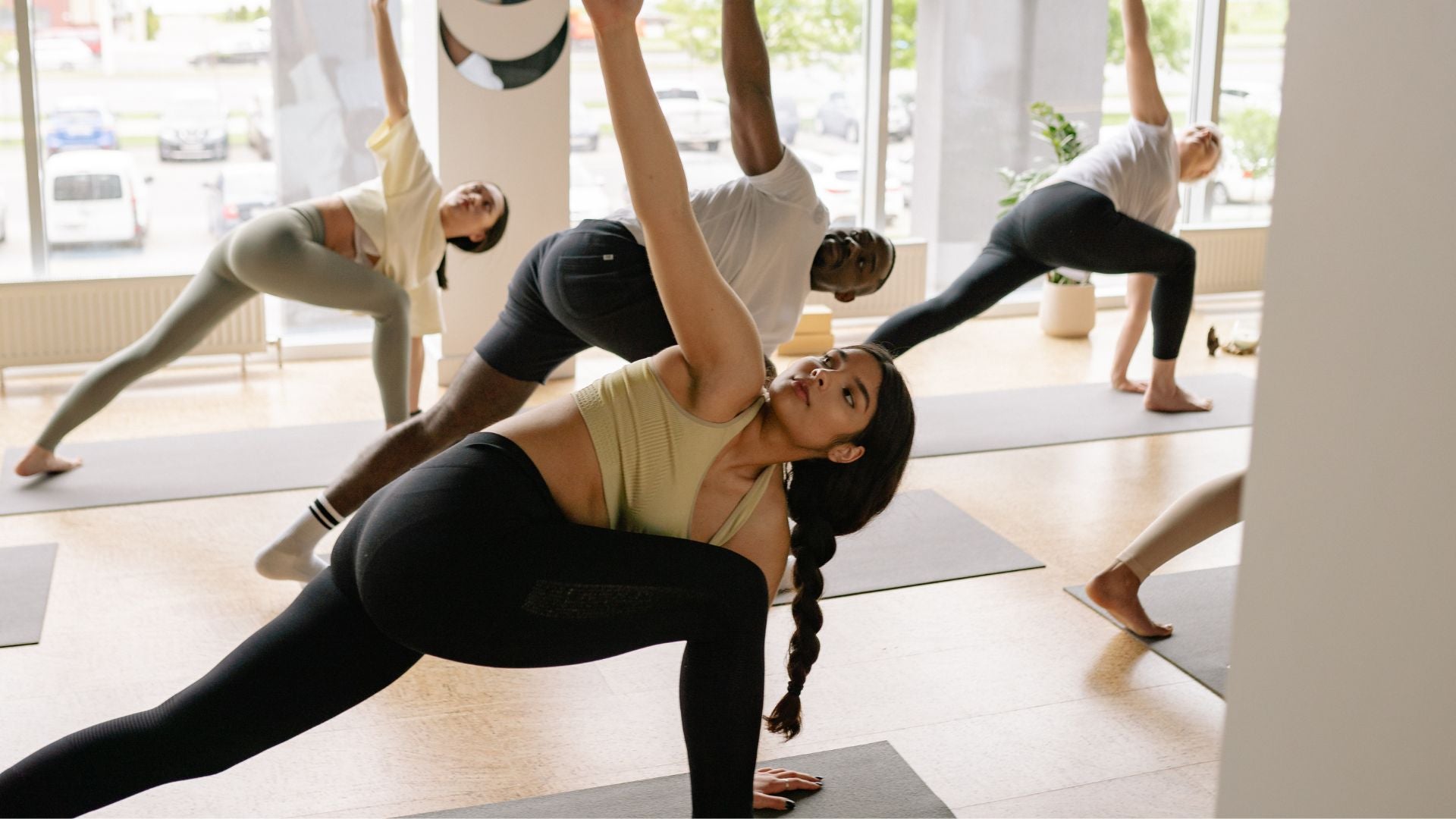
Apply that skill to your teaching and it means that you can see more. The elbow that hyperextends in Side Plank. The transition that always ends up with students endangering their shoulders. The holding of the breath during sustained poses.
These details are not dramatic. But skilled teaching emerges when you are able to see on a macro and a micro level and then adapt your teaching in real time and evolve it over the long term in response to the patterns you perceive.
Additionally, teachers who carefully observe end up having students who feel genuinely seen and supported. These teachers also end up getting an education in each class they lead.
3. It Keeps You True to Your Experience of Yoga
The yoga world loves a trend! One year it leans heavily into ritual and mysticism, the next acroyoga and dance-inspired practice, and then animal movement and neural flossing.
Of course, many of these trends contain genuine value. But a measured temperament can introduce a useful pause in which you ask whether there is benefit to your teaching by adding the shiniest new thing to your class or your yoga resume. That moment of assessment protects coherence and authenticity in your teaching. You want to focus on standing out simply by being you rather than going along with what’s popular or being performative.
4. Energy Conservation Leads to Longevity
The ability to step out of the spotlight is not disengagement or rudeness; it is energy management and self-care. Yes, a teacher requires presence when they teach, and they need to step up to the role as a professional, but it does not require a perpetual performance. Respecting this distinction might protect your enthusiasm for teaching as well as your longevity in the field.
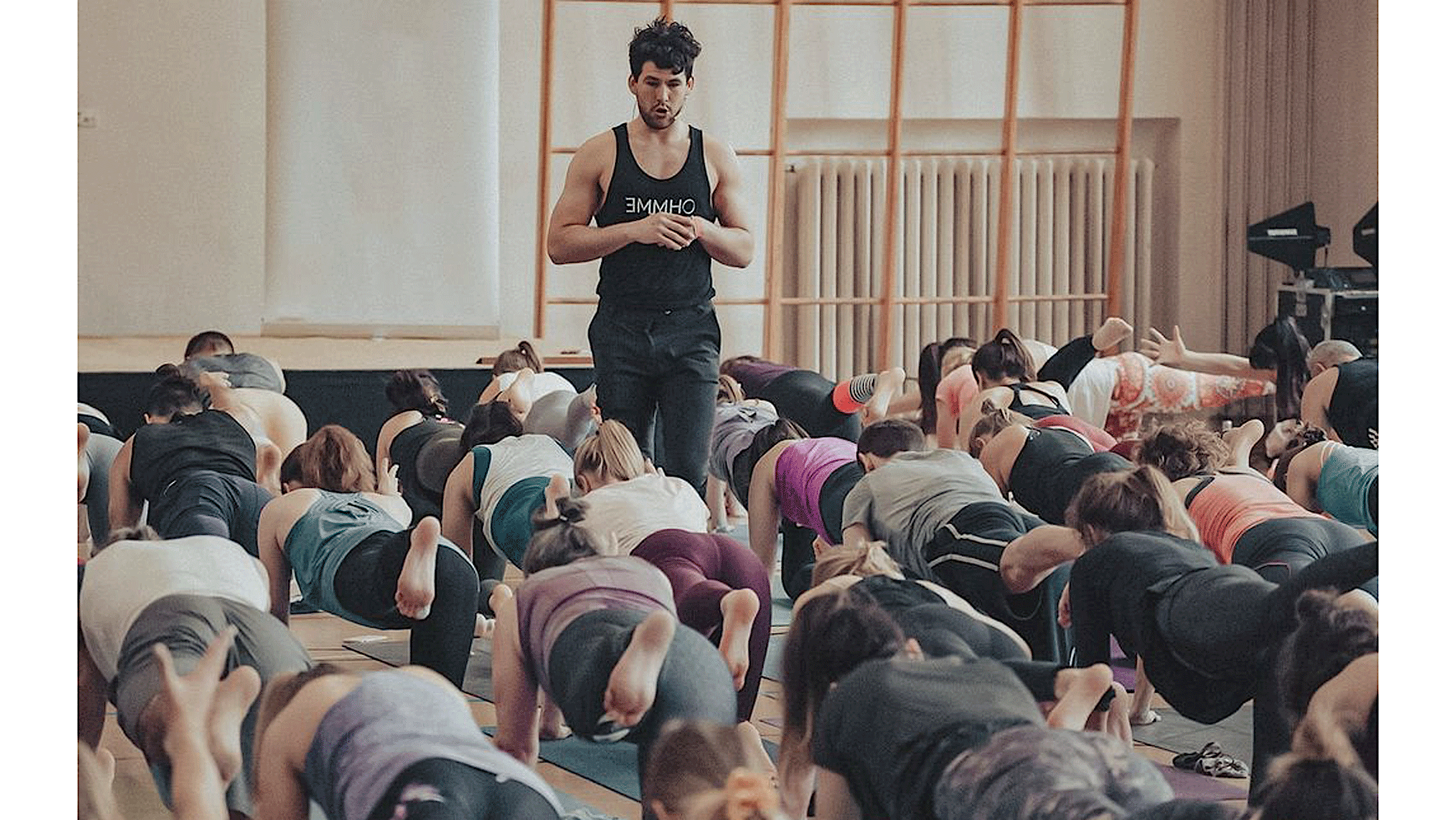
It is entirely possible to lead a room of 200 people with clarity, presence—and, in my case, dad jokes—and then quietly leave once you’ve done your job. An introvert should not need to stay in hypersocial mode long after class has ended in order to validate their role as a competent teacher.
5. Professional Boundaries Create Safety
A quieter disposition often lends itself to clearer teacher-student boundaries. You can be warm without being overly familiar and supportive without becoming entangled.
Everyone involved benefits from this clarity, especially in retreat and training environments where professional lines can blur. Your restraint and steadiness will likely foster feelings of trust and safety rather than distance among your students.
6. Commitment to Practice Helps Everyone
In my observation, introverted teachers tend to practice, meditate, study, and experiment because they value the process. They couldn’t care less whether anyone knows they are doing it or what social events they might be missing to make space for yoga.
Because an introvert’s self-practice follows the route of least resistance, it occurs with increased consistency. And what does consistency do? It compounds. That means the teacher’s consistent lived experience with the practice benefits both them and their students.
7. Creating Space Rather Than Filling It
In a culture that steals attention and presence at every turn, intentional silence can be one of the most powerful teaching tools available. This restraint creates space for students to experience their practice rather than simply follow an instructor.
Being silent while standing in front of a room of people staring at you can feel uncomfortable if you believe your role is to constantly entertain or instruct. Yet a quieter, more introverted teacher might be more at home allowing space for a cue to land, a breath to unfold, or self-inquiry to happen.
8. Delivering Steadiness Over Everything
Charisma has its place and can be magnetic when used well. But not every student is seeking high-energy teaching. A steady, grounded presence fosters a different kind of loyalty and trust among those looking for teachers who appear thoughtful, calm, and measured—teachers they can, perhaps, see a little of themselves in. If that is your default mode, embrace it.
9. Slow Growth as a Strategy
In the last 20 years, I’ve seen many flights of Icarus among teachers who had rapid rises to the heights of popularity and equally rapid burnouts.
Introverted teachers often build careers incrementally by refining classes, trainings, and student relationships one at a time. This pace doesn’t always generate dramatic spikes of visibility and sudden objective success, but it does tend to produce longevity. Steadiness is not something to apologize for. To the contrary, it’s what will likely support you to continue teaching meaningfully over decades.



Comments (0)