
Remember me


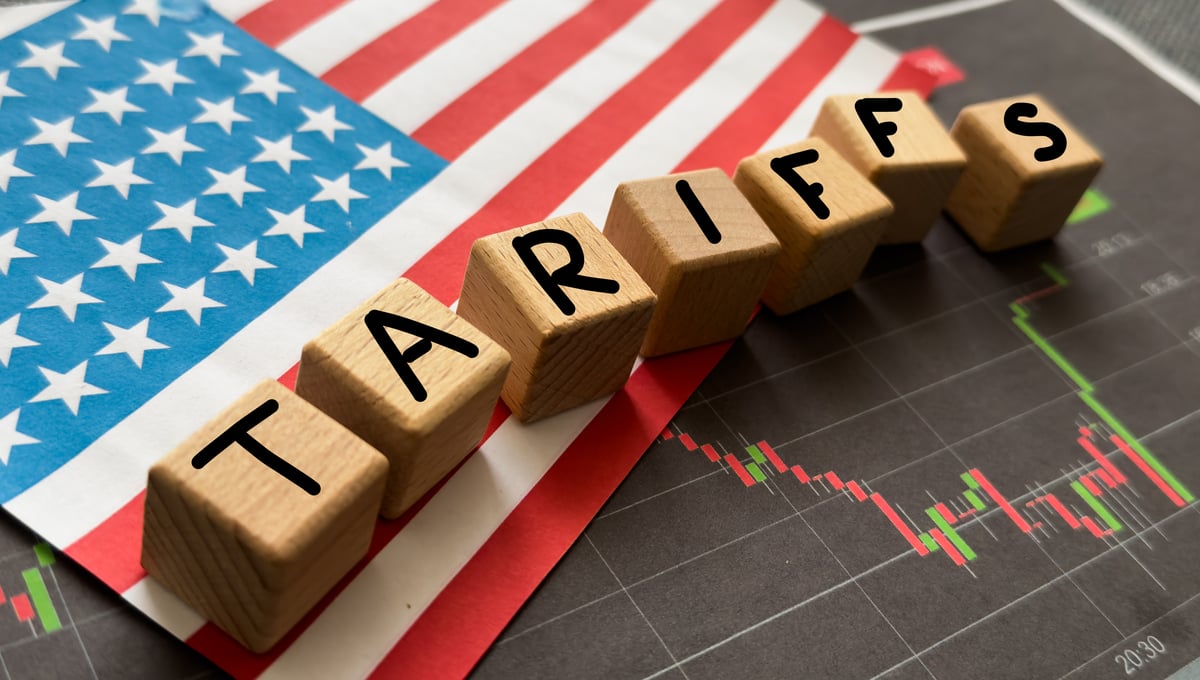

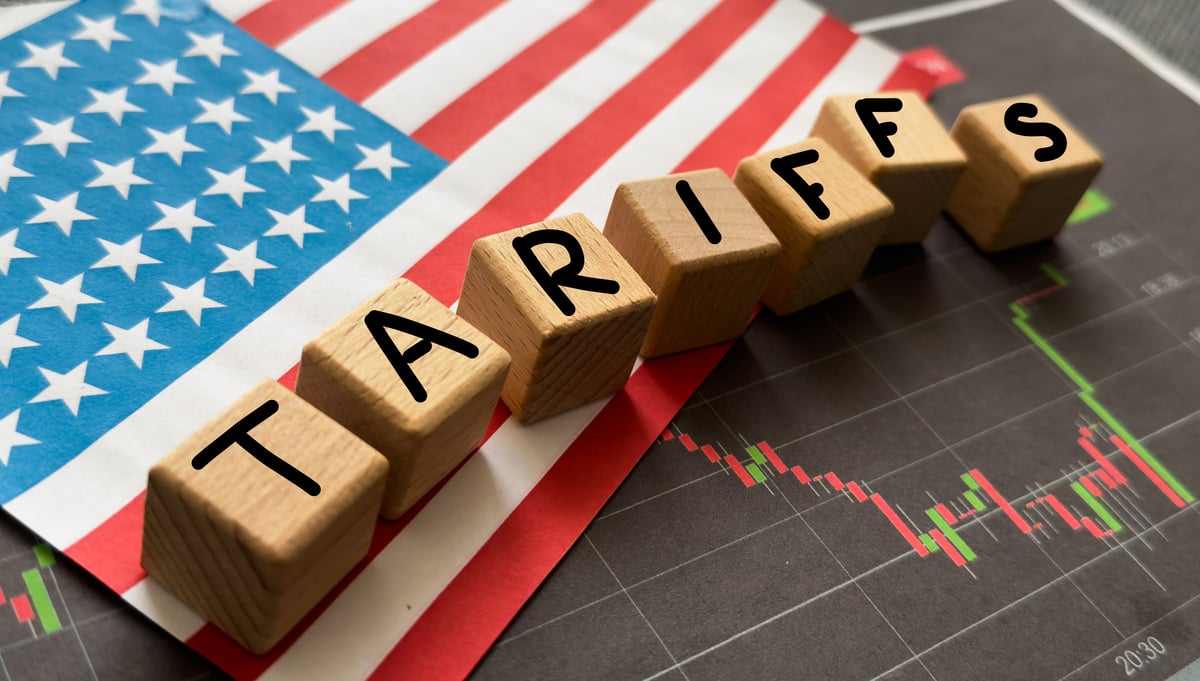


The new 15% "global" tariff replaces the discontinued "Liberation Day" tariffs.
On Feb. 20, the Supreme Court ruled that President Trump's use of the International Emergency Economic Powers Act (IEEPA) to impose tariffs was illegal. That move nullified all of the "Liberation Day" tariffs that Trump imposed on America's trading partners last April.
In response to that ruling, Trump imposed a new "global" tariff of 15% under Section 122 of the Trade Act of 1974. Let's review the four things investors should know about these new tariffs.
Image source: Getty Images.
1. It's a 15% global charge on most importsUnlike the Liberation Day tariffs, which hit our trading partners with country-specific tariffs on a "reciprocal" basis for the tariffs they allegedly imposed on the United States, Trump's new 15% tariffs will be levied equally across all countries and most imported products.
2. They're not permanentSection 122 of the Trade Act of 1974 enables the U.S. President to temporarily impose tariffs of up to 15% without congressional approval to address "large and serious" trade deficits or prevent the significant depreciation of the U.S. dollar. Once proclaimed, these tariffs can last only 150 days unless Congress approves an extension.
3. Some of the older tariffs are still in effectNot all of Trump's tariffs were tied to the IEEPA. The tariffs unaffected by the ruling include the Section 232 tariffs, imposed for national security reasons on steel, aluminum, and other crucial materials, and the Section 301 tariffs, which primarily targeted China for unfair trade practices. Other long-standing tariffs passed under previous administrations are also still in effect.
4. It doesn't reinstate the "de minimis" ruleThe Supreme Court's ruling initially lifted shares of Amazon (AMZN +0.88%), PDD (PDD 0.06%), and other retailers that rely on cross-border merchants shipping their products to U.S. customers. However, the ruling doesn't actually reinstate the "de minimis" rule, which previously exempted all overseas packages valued at less than $800 from tariffs.

Today's Change
(0.88%) $1.83
Current Price
$210.39
Last May, the Trump Administration struck down that rule, which made it much easier for overseas merchants (especially in China) to sell their products to U.S. customers. Instead, the seller had to pay the appropriate tariff for each product upon entry to the United States. As a result, the prices and shipping times for overseas products increased.
With the "de minimis" rule still shelved and a new 15% tariff imposed on most overseas goods, cross-border retailers won't see much of an immediate benefit from the Supreme Court's rollback of Trump's Liberation Day tariffs. Therefore, investors shouldn't overreact and assume the tariff-related headwinds for cross-border retailers will dissipate anytime soon.
Comments (0)