Hello from Yifan, sending this week's #techAsia from Nikkei headquarters in Tokyo.
As much as I'm enjoying the warmer-than-expected weather in the Japanese capital and hoping to see some early cherry blossoms, I do feel I'm missing out on the increasingly urgent debate in Silicon Valley over what role artificial intelligence should play in warfare.
In recent days, the sidewalks near Anthropic's office in San Francisco have been covered with chalk messages showing support for the AI company as it clashes with the government over the military use of its Claude technology. President Donald Trump said he is directing the government to stop working with Anthropic, and the Pentagon declared the startup a supply-chain risk. The Financial Times reported on Thursday that two sides were back in talks.
Meanwhile, OpenAI's Sam Altman announced that the ChatGPT developer had struck a deal for the Department of Defense to use the company's tech in its classified network. That irritated some San Franciscans, who chalked a red line around the company's office -- a reference to "red lines" intended to govern the use of AI technology -- along with messages criticizing the company's move.
But this sidewalk debate might be a case of too little, too late. As more details about the ongoing Iran war emerge, the Wall Street Journal reported that the U.S. government used Claude in its air assault on the country.
AI is not immune from the conflicts it helps wage. Soon after the U.S. attack, Amazon reported that three of its data centers in the Middle East had been damaged by drone strikes, bringing down some AI services. Claude also reported major outages on Monday, though Anthropic did not specify the cause.
With conflicts such as the Cambodia-Thailand border dispute continuing, it may just be a matter of time before AI becomes involved in conflict in Asia, too.
There is no denying that countries are leveraging new technologies for military purposes and will continue to do so. But if artificial intelligence is as powerful as tech companies claim, governments and the private sector need to put in place equally strong red lines governing its battlefield applications.
Spend more to make more
Asia's smaller chip companies are joining their bigger peers in hiking prices as robust AI demand fuels record levels of capital spending in the region, Nikkei Asia's Cheng Ting-Fang and Lauly Li report.
Leading chipmakers and chip-packaging and testing service providers from South Korea, Taiwan, Japan and China have committed to spending a total of more than $136 billion for 2026, up more than 25% from a year ago.
Equally notable is the wide range of chip and component companies raising prices, something many smaller players have not done since a sudden correction in the chip market in late 2022. Such hikes indicate that the AI infrastructure boom is now benefiting not only chip titans making cutting-edge processors but also suppliers of peripheral and supporting chips.
The next battlefront
The Pentagon is seeking to make AI-powered cyber tools to identify infrastructure targets in China as part of an effort to improve U.S. capabilities in any future military conflict with Beijing, write the Financial Times' Cristina Criddle, George Hammond and Demetri Sevastopulo.
The department was in talks with leading AI companies about partnerships to conduct automated reconnaissance of China's power grids, utilities and sensitive networks as well as those of other adversaries, said several people with knowledge of the plans.
The U.S. has already created powerful cyber-espionage weapons but is seeking to deploy new AI-powered tools to identify software flaws in opponents' systems that could then be exploited to enhance infiltration and degrade those systems in any conflict.
The proposed system would use AI to penetrate computer networks, map vulnerabilities and integrate potential targets into U.S. war planning, the people added. The Pentagon declined to comment.
OpenAI, Anthropic, Google and Elon Musk's xAI have been awarded contracts worth about $200 million to partner with the U.S. government for military, cyber and security applications. Which companies will be involved in the new cyber initiative is yet to be determined.
The Pentagon's effort reflects recognition in Washington about the increasing importance of cyber operations in any war with China and the view that AI could help tilt the balance in a conflict.
But the move also comes at a time of heightened tensions with some of the country's most advanced AI companies over how far their technology should be used in military operations.
One car at a time
Chinese automaker BYD overtook Tesla as the best-selling electric vehicle brand in 2025. But how did it get there?
Nikkei's Shizuka Tanabe compared their sales figures for 2020 and 2025 using data from S&P Global Mobility and found that BYD overtook Tesla in 22 countries and regions as of last year. In addition to European nations like the U.K., Spain and Italy, the automaker also passed Tesla in Hong Kong and Singapore, where luxury vehicles are said to have a large market share.
The average price of BYD's passenger vehicles in China last year was 114,000 yuan ($16,500 at current rates), according to a Chinese research company. The automaker has kept costs down by producing batteries and core components in-house, and its highly price competitive EVs have steadily flowed into the global market.
Insured growth
With China betting more aggressively on its homegrown tech industry, Beijing is looking for some insurance on such ventures.
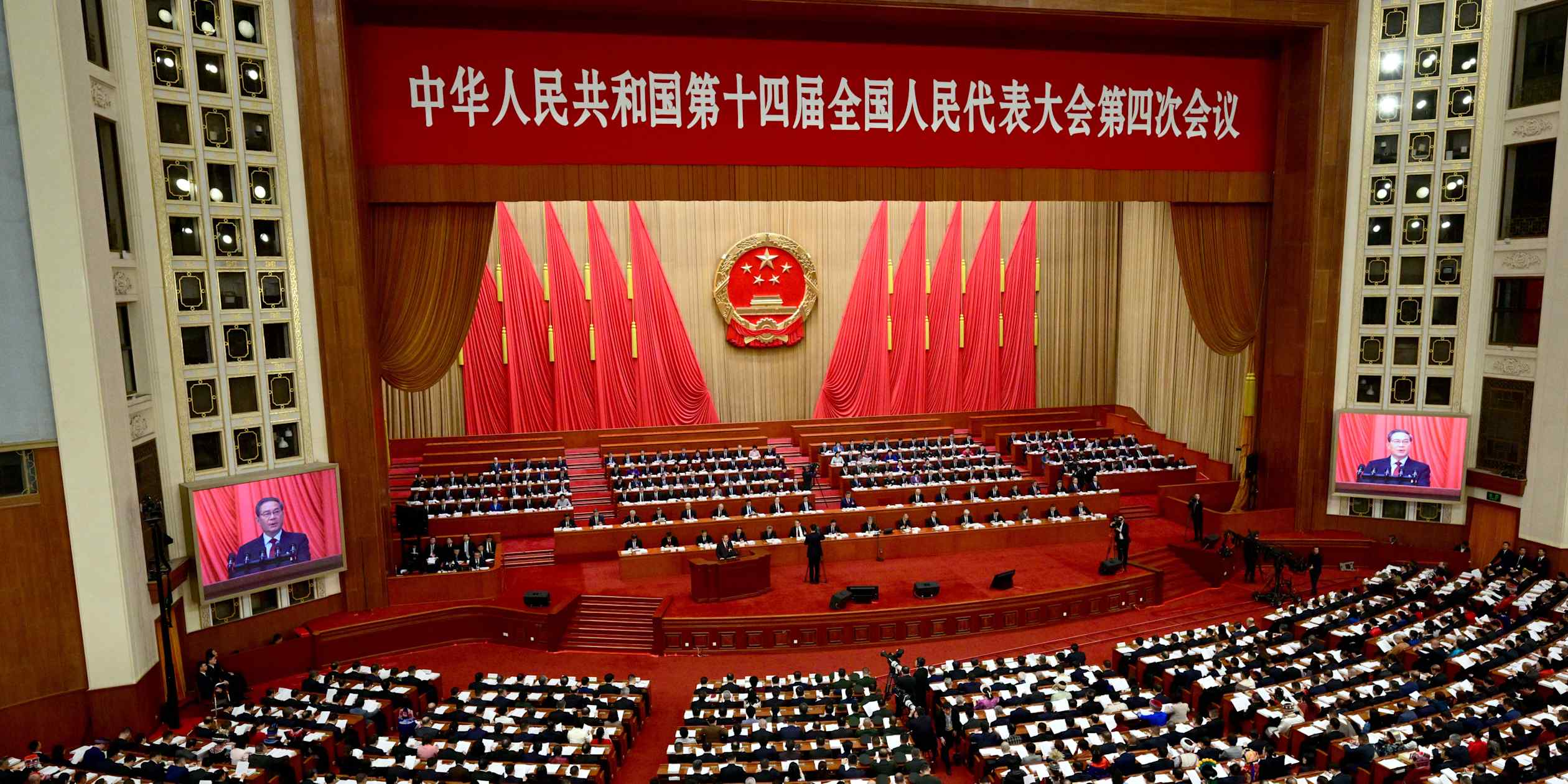
Nikkei Asia's Cissy Zhou reports that Beijing has unveiled guidelines for fast-tracking the development of a sci-tech insurance system as part of a broader push to bolster China's self-reliance amid growing tensions with the U.S. over advanced technology.
The 20-point guidelines issued on Monday cover insurance support not only for major national tech projects, but also small and midsize enterprises.
The aim is to "fully leverage the role of the insurance industry as an economic shock absorber and social stabilizer," as well as accelerate the building of a technology insurance mechanism commensurate with tech innovations, the official document said.
Suggested reads
1. Rapidus adds Canon as first major domestic customer candidate for 2nm chips (Nikkei Asia)
2. DeepSeek to release long-awaited AI model in new challenge to US rivals (FT)
3. Binance eyes 5 more crypto licenses across Asia in 2026 (Nikkei Asia)
4. Google Maps wins access to South Korea -- one of last countries where app does not work (FT)
5. The companies behind China's dancing, joking robots (FT)
6. Grab charges Philippine bike riders over 230% interest for in-app loans (Nikkei Asia)
7. Sony battles 2bn-pound lawsuit claiming UK PlayStation users are overcharged for games (FT)
8. Japan's 'startup party' wants AI factored into migration policy (Nikkei Asia)
9. Nidec says could face $1.6bn impairment review amid accounting fraud (Nikkei Asia)
10. Memory chip boom leaves PC and smartphone makers in the cold (FT)
Podcast: Tech Latest
Why India wants AI to be sovereignWelcome to the Tech Latest podcast. Hosted by our tech coverage veterans, Katey Creel and Shotaro Tani, every Tuesday we deliver the hottest trends and news from the sector.
In this episode, Shotaro speaks with Bangalore correspondent Sayan Chakraborty about how India's local AI firms armed with Indic-language models could give them an edge at a time when calls for developing sovereign AI are growing louder.
Find us on Apple Podcasts | Spotify | YouTube | YouTube Music | Amazon Music | Voicy
For more great stories like this delivered to your inbox every week, sign up to our #techAsia newsletter. Current subscribers, click here to update your newsletters preferences.