Disclaimer: Keep in mind that this article isn't a substitute for professional medical advice, and our recommendations won't replace a healthy lifestyle and balanced diet.
Collagen is a structural protein that consists of essential amino acids such as proline, glycine and hydroxyproline. “Collagen is found in connective tissues like skin, tendons, ligaments and cartilage, says Hula. "Since it provides structural support, it helps maintain the elasticity and strength of these tissues. It also contributes to the health of your gut lining, which is equally an important factor.”
“All three — and hydroxyproline in particular — are hard to come by from diet, unless you regularly eat natural sources of collagen such as organ meats or foods such as bone broth,” explains Kirsten Humphreys, nutritional therapist at Bare Biology.
“Twenty-nine different types of collagen have been identified, but the vast majority of collagen in the human body is type I, II, or III,” adds dermatologist and medical aesthetics expert, Dr Elif Benar. “Collagen type I is by far the most common and is largely responsible for the skin’s elasticity and strength.
"Collagen type II is primarily distributed in cartilage, and collagen type III is prevalent in skin, blood vessels, and internal organs,” she adds. In other words, although the type needed depends on the health goal, in the case of beauty, you’re likely best off prioritising intake of types I and III.
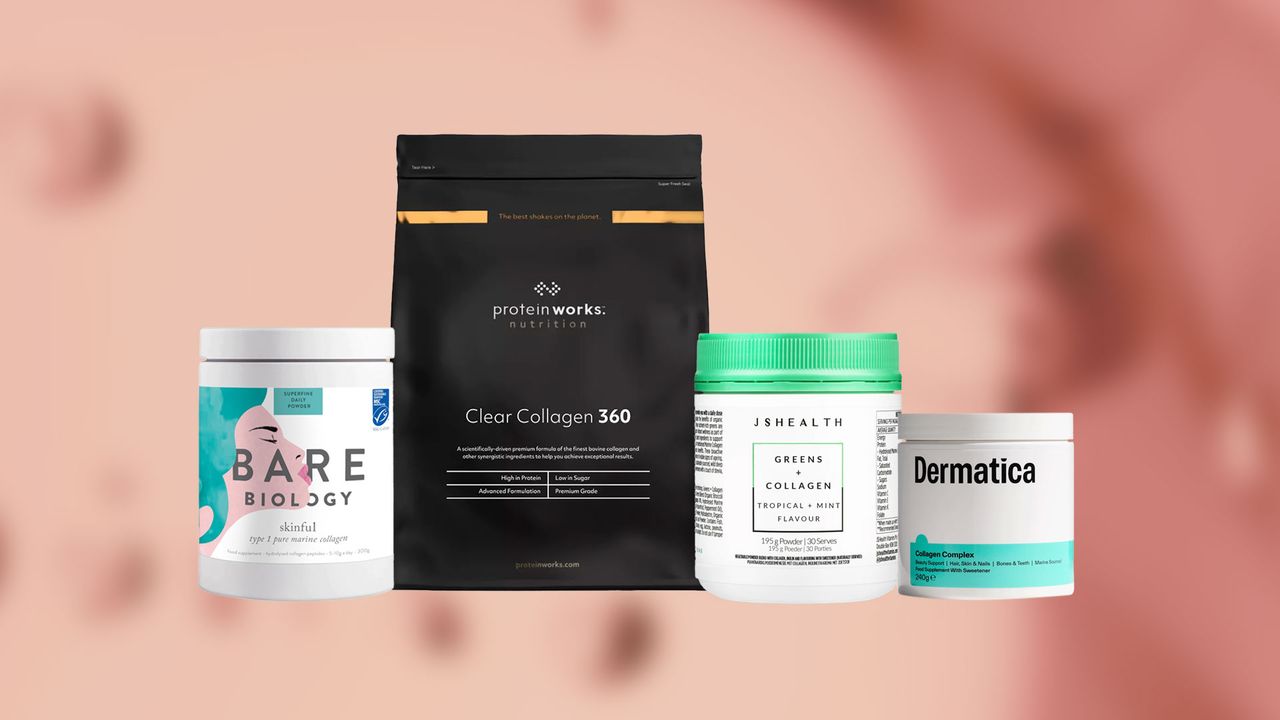
Available in all shapes in forms – from liquid sachets to powders and even gummies – each kind comes with its own set of ambitious claims. But where does this shoppable form of collagen come from?
While bovine collagen is extracted from cow hides, marine collagen is sourced from the skin of wild-caught fish. Derived from fish collagen peptides, marine collagen has superior bioavailability, meaning that it’s absorbed up to 1.5 times more efficiently into the body.










Comments (0)