
Remember me
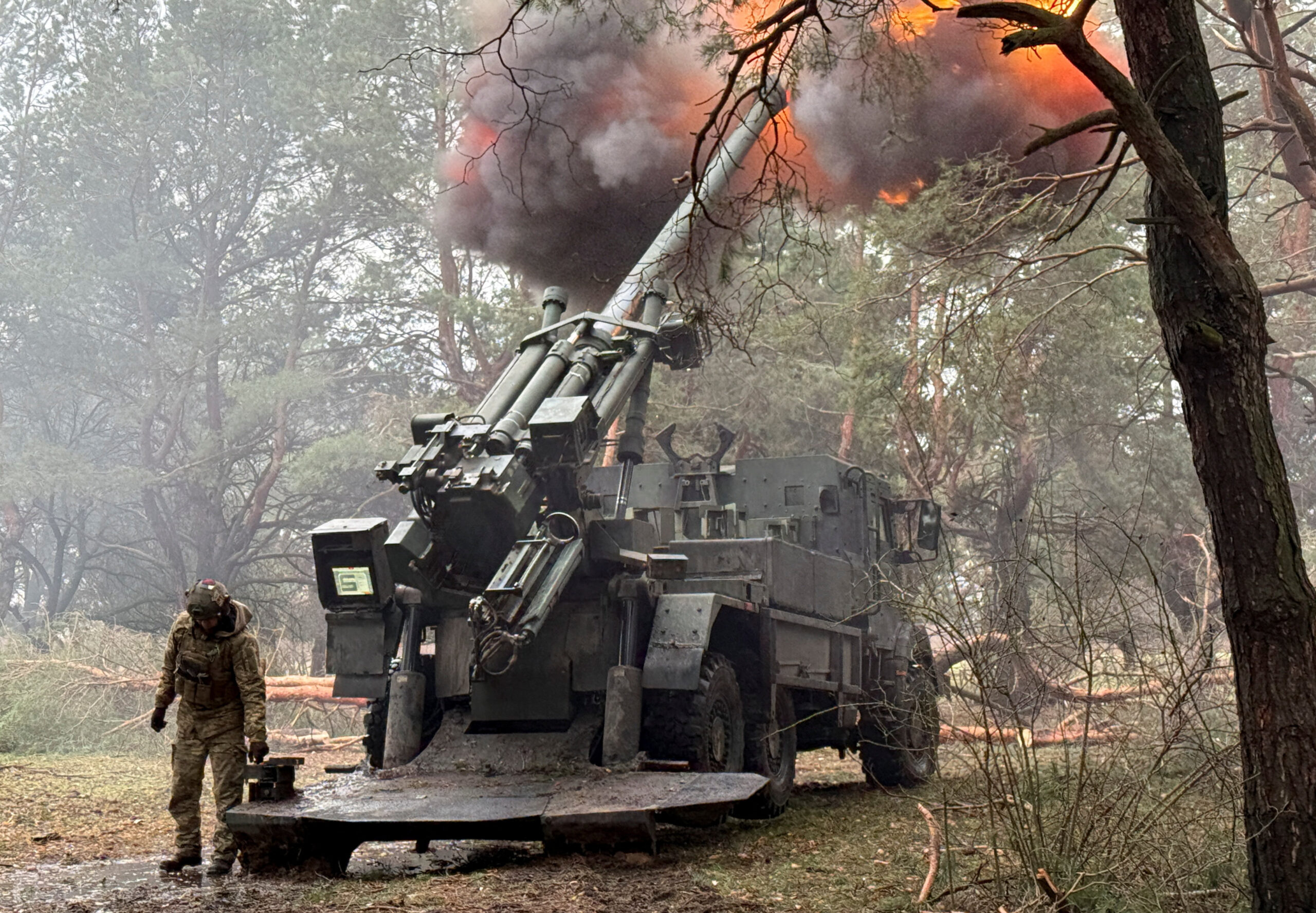
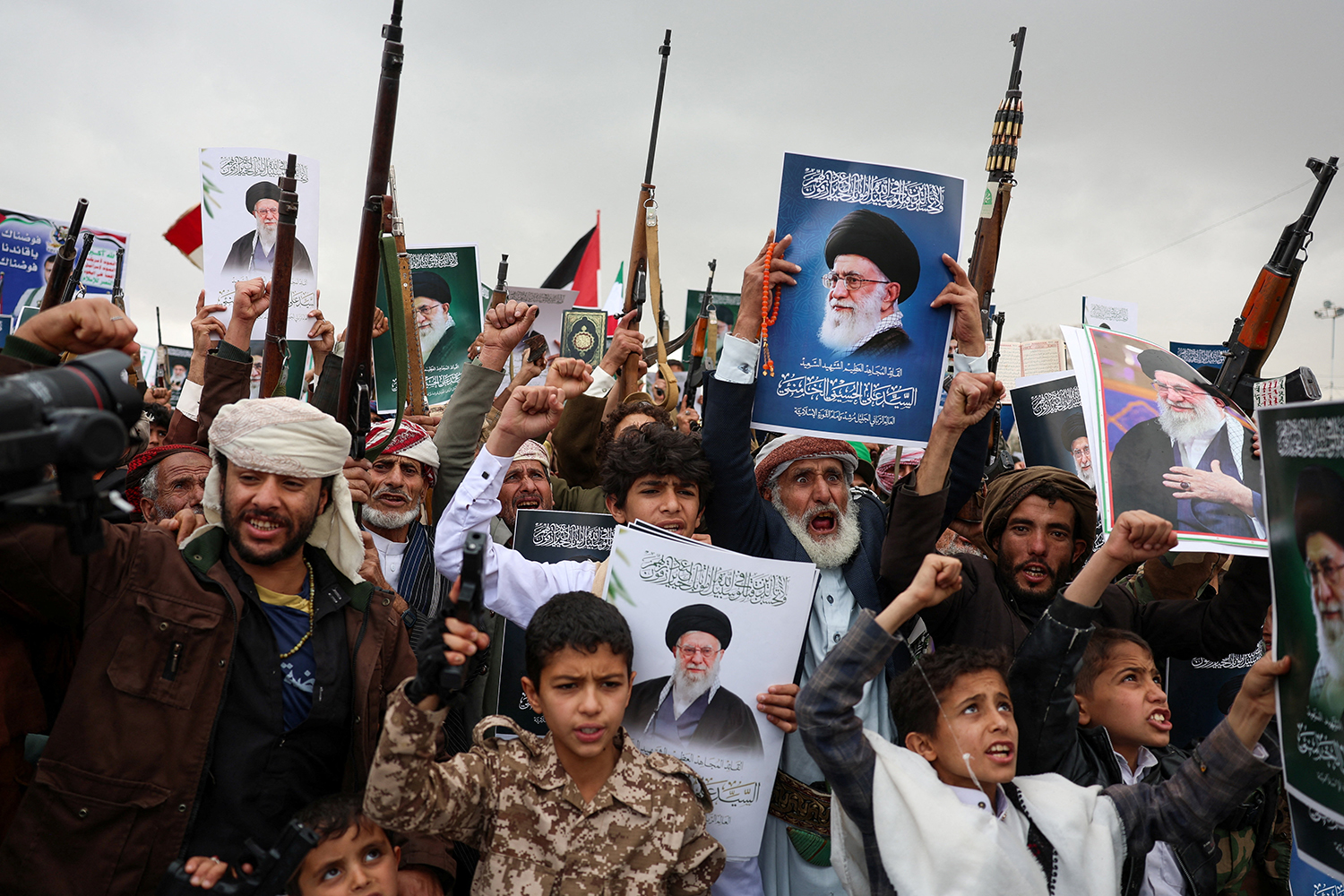
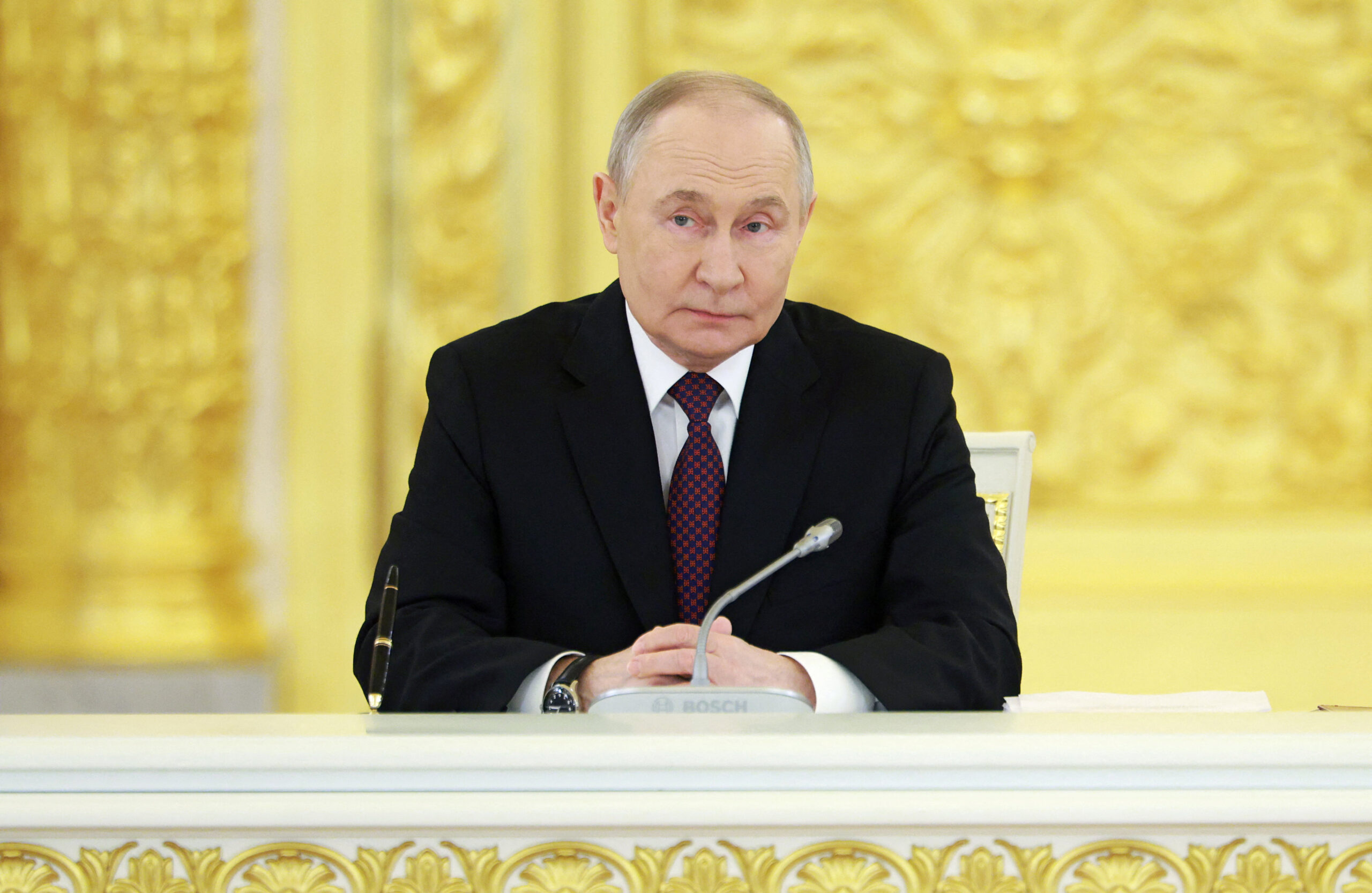

Four years after Russia launched its full‑scale invasion of Ukraine in February 2022, the international debate about how the war should end remains haunted by myths first promoted by the Kremlin more than a decade ago. The most dangerous of these is the belief that Putin is seeking the return of historically Russian populations and land in Ukraine, rather than pursuing a deliberate strategy of imperial expansion under the cynical banner of protecting compatriots.
I first warned about this strategy in a 2014 opinion piece for CNN on the Russian seizure of Ukraine’s Crimean peninsula. It was then a key theme in my 2016 book “Beyond Crimea: The New Russian Empire,” where I argued that Russia’s so‑called protection of compatriots was not a humanitarian policy but a geopolitical weapon. Today, these warnings are playing out in Ukraine, even as Western governments grope toward a peace formula that too often treats this doctrine as a negotiable grievance rather than the engine of Russian imperialism.
Stay updated
As the world watches the Russian invasion of Ukraine unfold, UkraineAlert delivers the best Atlantic Council expert insight and analysis on Ukraine twice a week directly to your inbox.When Russia occupied Crimea in 2014 and shortly afterward invaded east Ukraine’s Donbas region, many observers in Washington and European capitals saw it as a shocking but limited land grab. Many accepted the narrative that Crimea and eastern Ukraine were “Russian lands,” populated by Russian speakers who supposedly wanted to be part of Russia. Some even argued that Moscow was merely responding to local preferences, albeit illegally. Even then, it was clear that this reading was dangerously wrong. In reality, Moscow was asserting a unilateral right to intervene wherever it claimed the population as compatriots, regardless of what those communities actually wanted.
The idea of protecting Russian compatriots has long served as the backbone of a broader Kremlin project aimed at redrawing borders and reasserting Russian dominance across the post‑Soviet space. Similar tactics including cultural outreach, imperialistic propaganda, the distribution of Russian passports, and military intervention, have been evident in Moldova’s Transnistria region, Georgia’s South Ossetia and Abkhazia, and Ukraine. This approach also poses an obvious threat to a range of other countries.
Russia’s full‑scale invasion of Ukraine in 2022 confirmed that Crimea was not an exception but a pilot project. Putin’s justification for war leaned heavily on the idea of restoring Russia’s so-called historical unity and protecting Russian speakers in the Donbas region from alleged discrimination.
Alarmingly, even as Russia bombed Ukrainian cities and attempted to seize Kyiv, many Western discussions continued to treat parts of Ukraine as spaces where Russia’s claims might be partially legitimate or at least negotiable. This conceptual carve‑out has endured over the past four years, subtly shaping proposals to freeze the conflict along the current lines of control.
Eurasia Center events

The idea of a single, unified Russian people stretching across borders is less a sociological reality than a political ambition. The Kremlin has long blurred the lines between ethnic Russians, Russian speakers, non‑Russian ethnic minorities such as Abkhazians and Ossetians, and political “compatriots.” This allows Moscow to manufacture a constituency that justifies military intervention, even where Russian speakers are a minority or have no desire for Moscow’s protection.
This dynamic is visible in Ukraine today. Moscow claims to be acting on behalf of Ukraine’s Russian‑speaking communities, but in practice it has bombed, tortured, deported, and repressed these communities throughout the occupied territories. Meanwhile, millions of Ukrainians who speak Russian at home, including many in cities like Kharkiv and Odesa, have chosen to resist Russian forces, volunteer for the Ukrainian army, or flee westward, contradicting the notion that language determines loyalty.
Putin’s talk of defending compatriots is a not a minority rights policy; it is a carefully crafted propaganda script to justify military aggression. First, Moscow defines a broad, elastic category of compatriots. Then it alleges discrimination against them. The target group next receives Russian passports. Finally, the Kremlin claims a duty to intervene militarily. When international policymakers and commentators accept the vocabulary of “protection” on Moscow’s terms, they are accepting the logic of empire. After all, modern borders depend on international law not historical grievance or dubious ethnic claims.
As the largest European invasion since World War II enters a fifth year, Western policy is still constrained by the remnants of these myths. When officials suggest that a peace settlement might involve Ukraine “recognizing realities on the ground” in Crimea or the occupied east of the country, they echo the idea that these territories are somehow less Ukrainian because of their demographic and linguistic profile.
In practice, this means legitimizing and rewarding the Kremlin’s compatriot policy. Accepting this logic in Ukraine would signal that using Russian speakers and the protection of ethnic Russians as a pretext for occupation and annexation is an acceptable tool of statecraft. That message would not only entrench Russia’s gains in Ukraine; it would also open the door to similar tactics in other states from Kazakhstan to the Baltic, where Moscow could once again weaponise bogus historical narratives to justify future aggression.
To move toward real peace, Western governments need to update not only their military and economic policies, but also their mental maps. That means rejecting Russia’s imperial expansion strategy built on historical myths that foster the quiet assumption that Crimea and eastern Ukraine are “different” in ways that justify special rights for Moscow. Instead, any settlement must reflect international law and the internationally recognized borders of Ukraine, rather than Putin’s imperial ambitions.
As long as the West grants tacit legitimacy to Russia’s compatriot doctrine and Putin’s claims to “historically Russian lands” in Ukraine, Georgia, Moldova, and beyond, it will be extremely difficult to end the current war in a manner that will safeguard European security.
Dr. Agnia Grigas is a senior fellow at the Atlantic Council and author of Beyond Crimea: The New Russian Empire.
Further readingThe views expressed in UkraineAlert are solely those of the authors and do not necessarily reflect the views of the Atlantic Council, its staff, or its supporters.

The Eurasia Center’s mission is to enhance transatlantic cooperation in promoting stability, democratic values, and prosperity in Eurasia, from Eastern Europe and Turkey in the West to the Caucasus, Russia, and Central Asia in the East.
Follow us on social media
and support our work
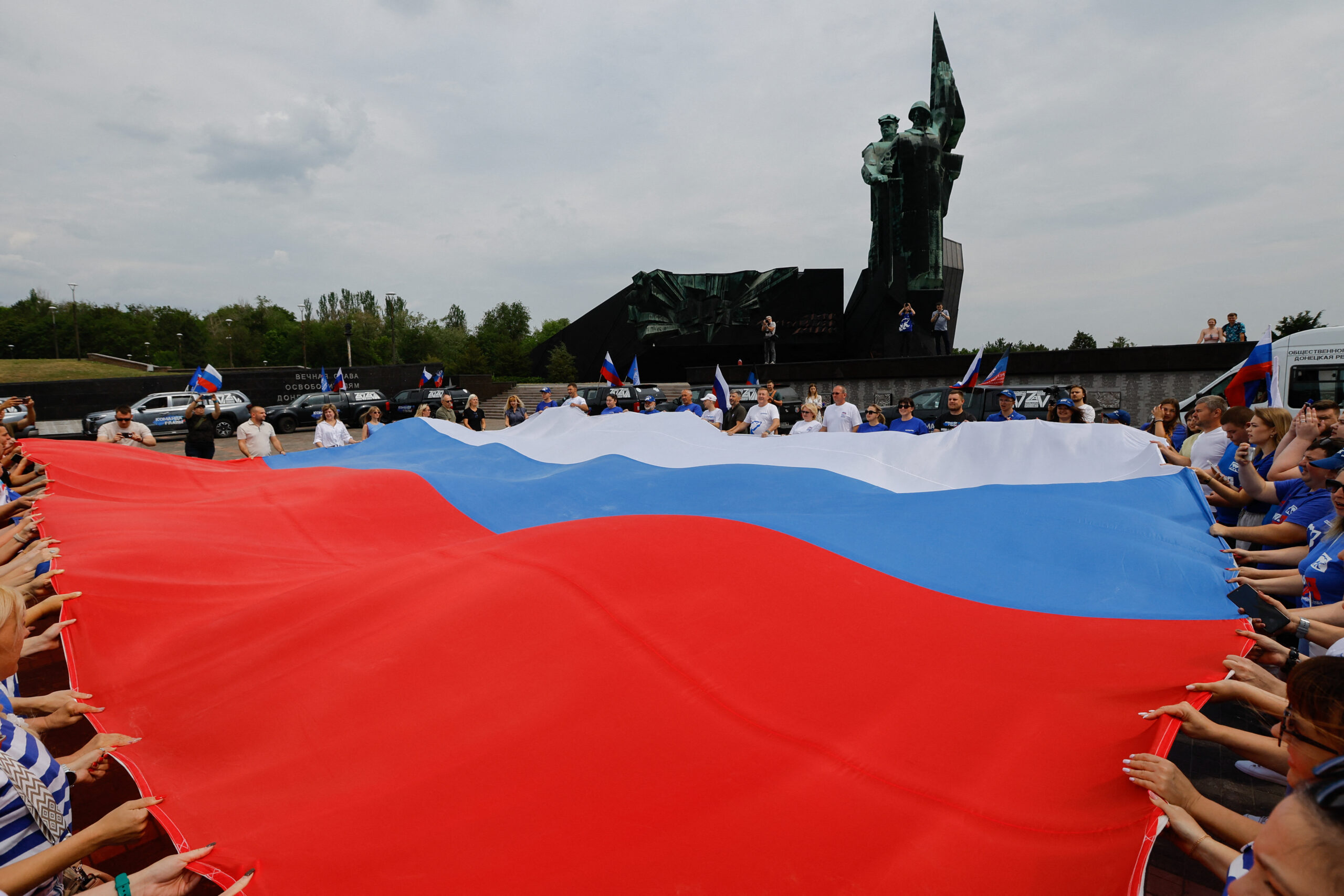
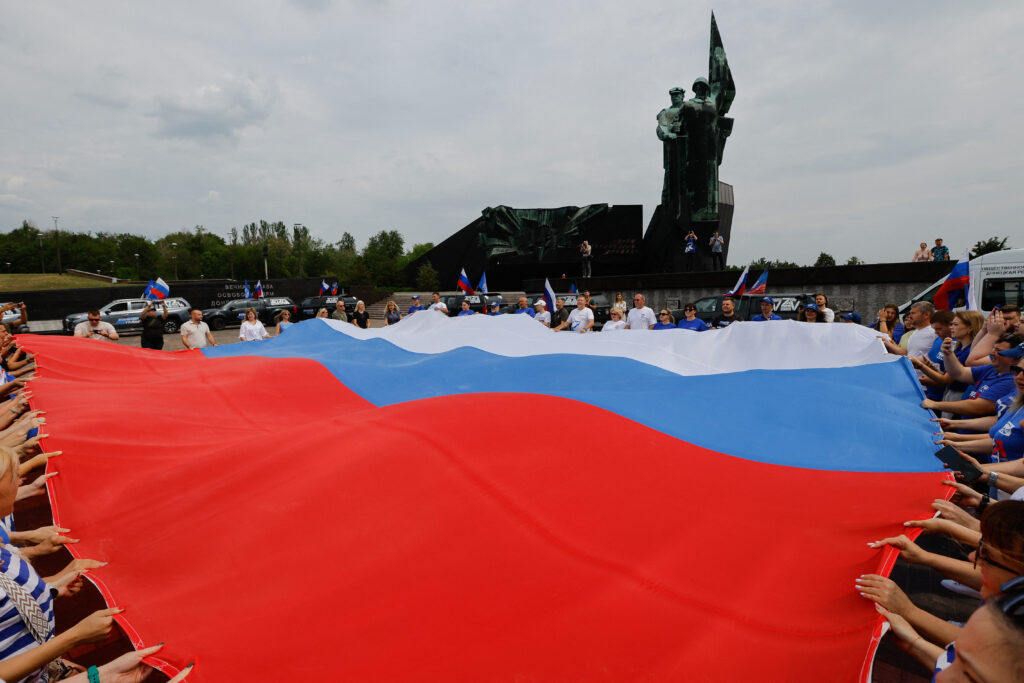
Image: Participants stretch out a Russian state flag as they gather to celebrate Russia Day in the course of Russia-Ukraine military conflict in Donetsk, a Russian-controlled city of Ukraine, June 12, 2025. REUTERS/Alexander Ermochenko
Comments (0)