Published Wed, Mar 11, 2026 · 05:23 PM
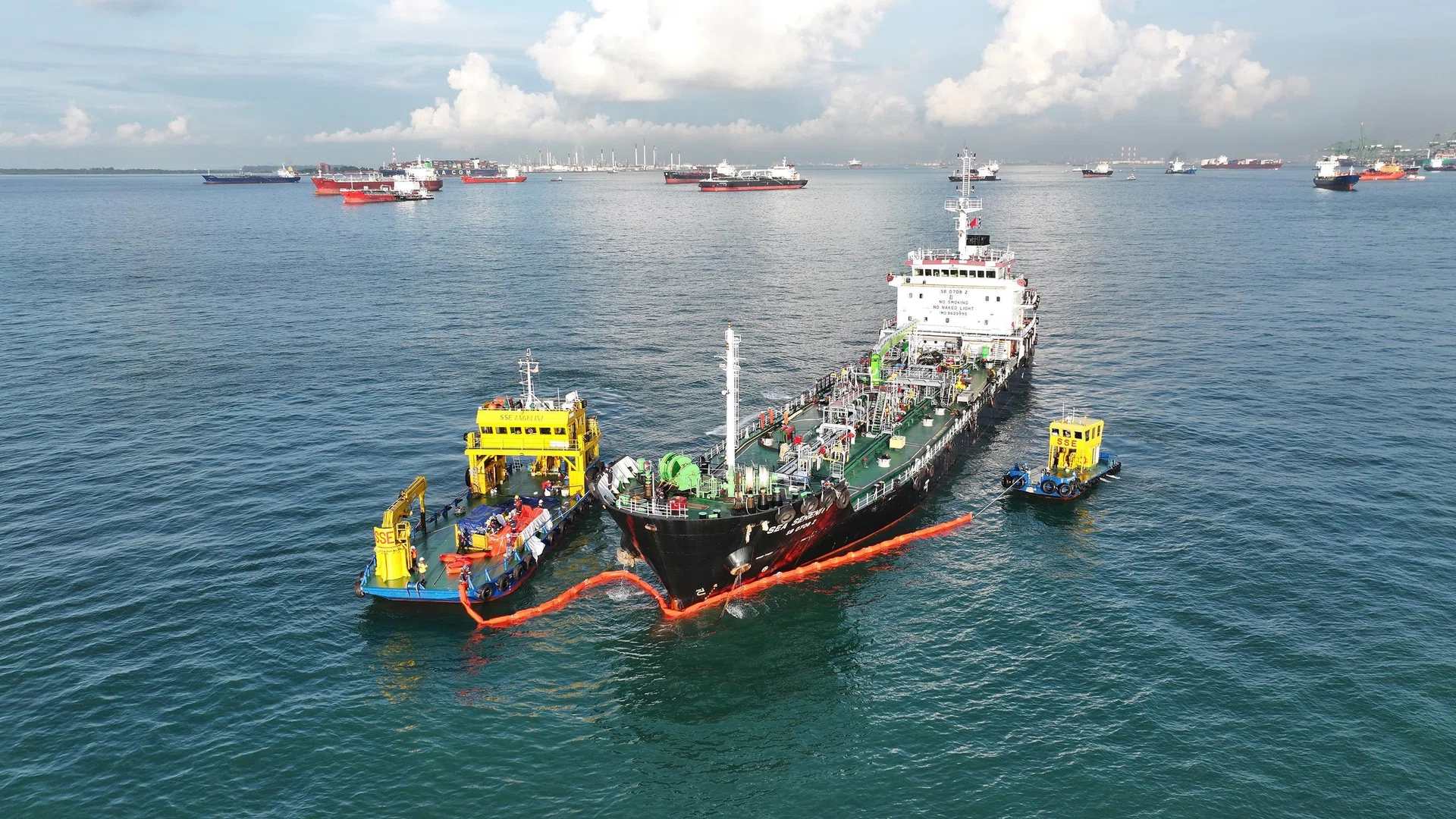
[SINGAPORE/BEIJING] Some ships are struggling to refuel at key ports in Asia as bunker costs soar, with premiums hitting record highs in anticipation of tighter supplies triggered by the war in the Middle East, industry sources say.
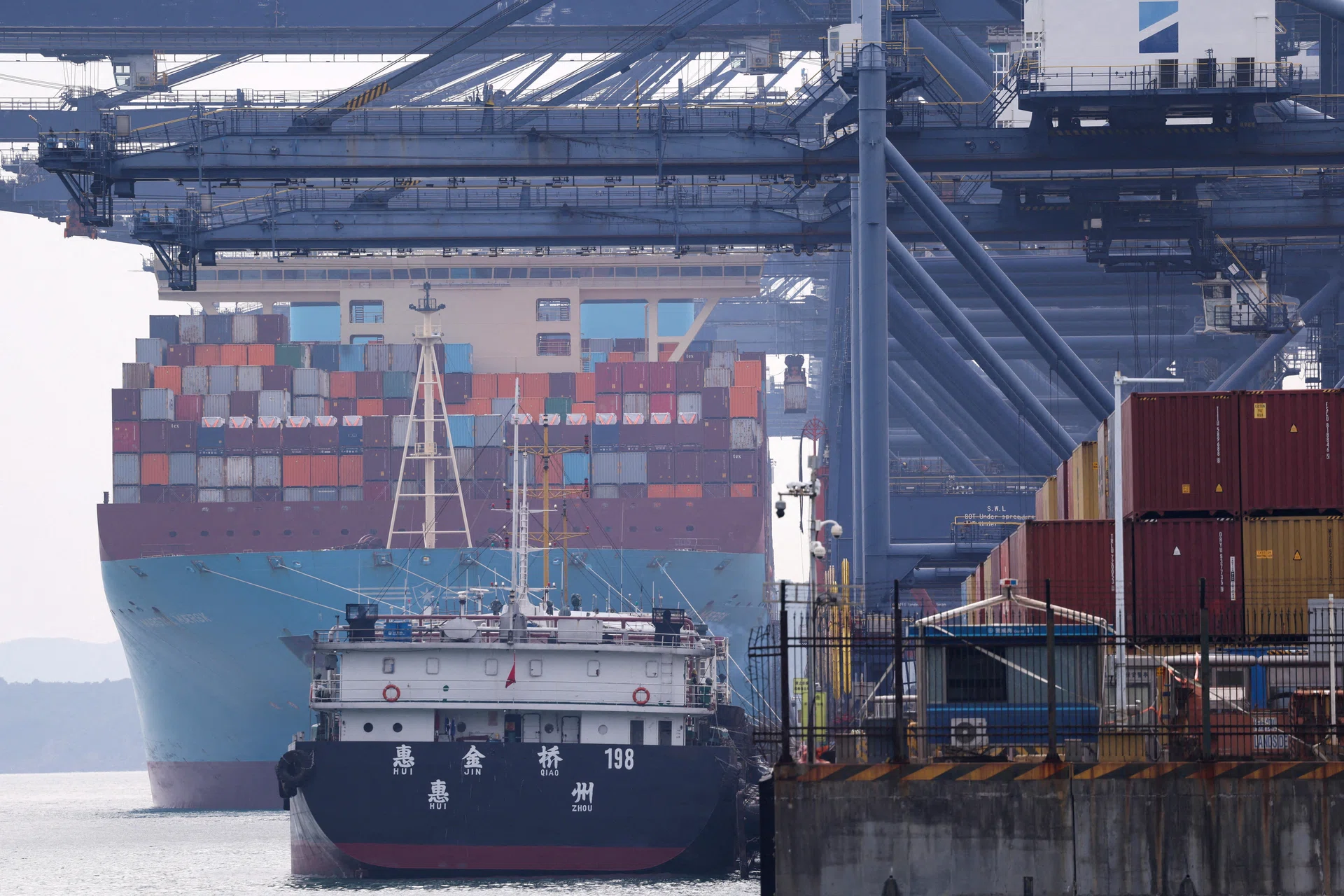
Longer waits to secure fuel may increase congestion in major Asian ports such as Singapore, Shanghai and Ningbo-Zhoushan in China, which are expected to see added traffic as the Iran war reduces traffic through the Strait of Hormuz, causing more diversions or delays.
While there were still active offers in the daily market this week, prices for marine fuel have surged sharply as the conflict curtails fuel oil shipments from key Middle Eastern suppliers.
Since Israel and the US launched their war on Iran on Feb 28, spot prices for bunkers delivered in Singapore, the world’s largest port for marine fuel sales, have more than doubled for key grades including high-sulphur fuels, low-sulphur fuels and marine gasoils.
It now costs more than US$1,000 per metric tonne to refuel with the mainstay low-sulphur fuel, data from market participants showed.
Premiums, typically measured over fuel oil cargo quotes, hit record highs on Tuesday, ranging widely and well above US$200.
Navigate Asia in
a new global order
Get the insights delivered to your inbox.
“Some ships are unable to be refuelled at the Singapore port due to soaring oil prices supported by the Iran war,” a China-based trader told Reuters, declining to be named as he was not authorised to speak to the media.
Most sellers have turned to offering on a spot basis instead of a term-contract basis due to high spot market premiums, sources said.
“There are vessels that were reluctant to fix bunkers earlier and they are now trying to find prompt supply,” said a Singapore marine fuel trading executive who declined to be named due to commercial sensitivities. “They have no choice but to wait or see if any slots come up.”
Some marine fuel suppliers at Zhoushan, China’s largest bunker port, have also slowed their offers after the Chinese government asked companies to suspend signing new contracts to export refined fuel.
While the restrictions do not apply to bonded bunker sales, suppliers are trying to ration supply in anticipation of further market tightness, sources familiar with the matter said.
Ports in Singapore and Zhoushan are seeing stable-to-higher queue-to-berth ratios, according to data from Linerlytica, a maritime analytics firm. The ratio compares the number of ships waiting to berth at anchorage versus the number of ships currently being serviced at a berth, with a higher ratio pointing to signs of congestion.
The queue-to-berth ratio at China’s Shanghai and Ningbo rose to 1.4 as of Mar 7 from 1.0 on February 28. Singapore’s ratio was steady at about 0.6 over the same period. REUTERS
Decoding Asia newsletter: your guide to navigating Asia in a new global order. Sign up here to get Decoding Asia newsletter. Delivered to your inbox. Free.



Comments (0)