
Remember me







Koto Kawaguchi spends his weekdays in Toyota, Aichi Prefecture, working in service parts logistics for an automaker. Six days a week, he trains in table tennis. Acting was never part of the plan.
Yet on March 13, Japanese audiences will see Kawaguchi on the big screen in “Marty Supreme,” a Hollywood drama that opened in the United States in late 2025 and has grossed more than $172 million worldwide. Directed by Josh Safdie, the film received nine Academy Award nominations, including best picture, best director and best actor for star Timothee Chalamet. Kawaguchi appears opposite Chalamet's Marty Mauser as Koto Endo, a Japanese table tennis player who lost his hearing during the World War II bombings of Tokyo.
Kawaguchi, 26, is not a professional actor. He is best known in athletic circles as a Deaflympics medalist with a fierce competitive spirit. Last week he also captured his second consecutive men’s title at Japan’s National Deaf Table Tennis Championships. His casting followed the discovery of a little-watched video that caught the attention of Safdie and Maiko Endo, a producer on the project, leading to a two-month shoot in New York and a brief detour from his regular life in Japan.
Since filming wrapped, Kawaguchi has returned to that life — to his job, daily training and his new role as a father. The film’s success has brought attention, but he remains focused on competition, including upcoming national and international Deaf table tennis events. With the movie now opening in Japan, Kawaguchi hopes the spotlight will do more than highlight his performance: He wants audiences to remember the word “Deaflympics.”
Ahead of the film’s Japanese premiere, Kawaguchi spoke with The Japan Times about moving between professional sport and film, competing without relying on sound and why he sees acting as a once-in-a-lifetime experience rather than a career shift.
THE JAPAN TIMES: 2025 was a big year — you got married, had your first child, won a men’s team bronze at the Tokyo Deaflympics and made your acting debut. Which moment stands out most?
Koto Kawaguchi: All of them — there were so many meaningful firsts, and it’s a year I’ll look back on fondly in the future.
Since appearing in an Oscar-nominated film, do you feel famous? Has your everyday life changed at all?
There hasn’t been much reaction in Japan yet since it hasn’t premiered, but my Instagram keeps picking up new international followers, and my friends gave me a lot of teasing congratulations when they heard I’d be in a Hollywood movie.

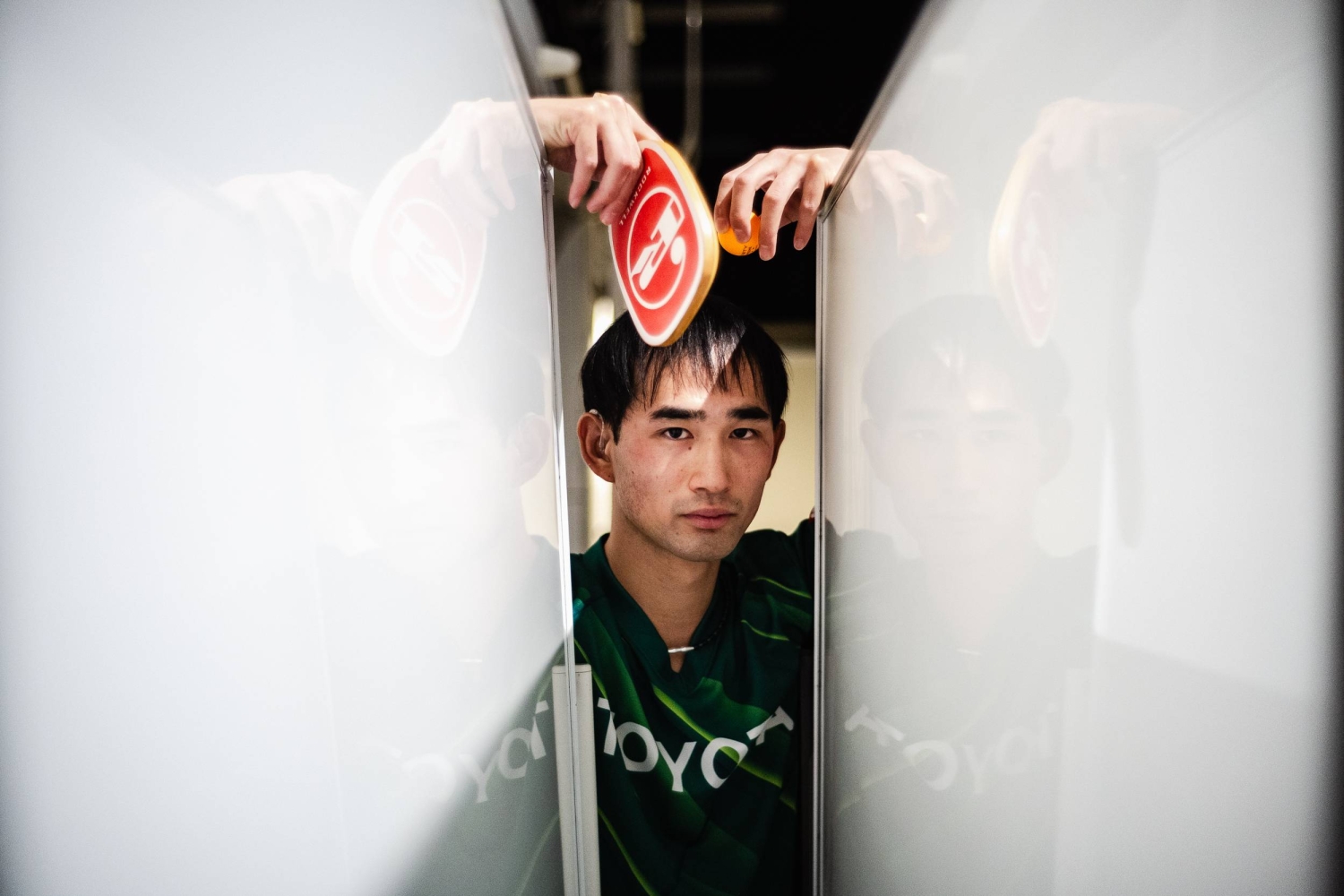
Koto Kawaguchi, a deaf table tennis player who makes his acting debut in Marty Supreme. | JOHAN BROOKS
How do you feel about the film opening in Japan?
For me, it’s more meaningful that people will get a chance to learn about the Deaflympics and deaf athletes than being in a movie myself. This year, I want to do more to raise awareness of both.
Is there something you hope audiences here notice?
More than my acting, I want people to pay attention to the character — a deaf person adapted to the role. Even though it’s fictional, I wear a 1950s-style hearing aid for the part, and I hope details like that give people a chance to learn more about deafness.
What’s the key message about deaf athletes that you hope fans walk away with after seeing the film?
It’s similar to the Paralympics — it shows that even with a disability or disadvantage, people can achieve amazing things. I also want to help people understand what it means to be deaf, including the awareness and consideration that’s needed, and the things that aren’t immediately obvious.
Before the film, what did a typical day look like for you?
I work a regular 8-to-5 job at Toyota in the service parts logistics department, where I’m involved in managing and shipping parts needed for vehicle repairs. I practiced table tennis six days a week.
When you first heard a Hollywood film was interested in you, did you believe it? What went through your mind?
I first got the news through the Japan Deaf Table Tennis Association, and I was completely confused. Why America? Why me? I was sure it must be a scam.

Koto Kawaguchi trains for table tennis six days a week while working a full-time job at Toyota. He recently captured his second consecutive men’s title at Japan’s National Deaf Table Tennis Championships. | JOHAN BROOKS
You didn’t know much about the film, yet you said yes. Why?
When I met Josh on Zoom, he started with “Koto, I love you” and went on for 15 minutes expressing his love and respect for me. Even without fully understanding the film’s story, I could feel his enthusiasm and genuine devotion for the project and knew I wanted to help.
How long did the shooting take? Where was it filmed? How did it fit into your schedule?
The shooting took place in New York for about two months, plus a week in Tokyo, at Ueno Park Amphitheater. I was preparing for the Deaflympics, so I told them that my athletic preparation had to come first. I had time to practice every day and even competed in two tournaments in the U.S. Overall, it was a great environment for balancing both acting and table tennis.
How did you prepare for the role, physically and mentally?
I ... didn’t. I’ve never acted before but I’m a pro table tennis player, so I approached it with the same mentality I have when playing, relying on my usual movements and expressions.
With so few lines, your performance relied heavily on physical expression. Was that challenging?
Seeing how hard everyone else was working made me take my role seriously — and hold back laughter. Beyond that, I just focused on what I was asked to do. For the match scenes, I had to memorize around 30 or 40 different movement patterns and repeat the same actions many times, guided by a table tennis expert who supervised and choreographed the sequences.

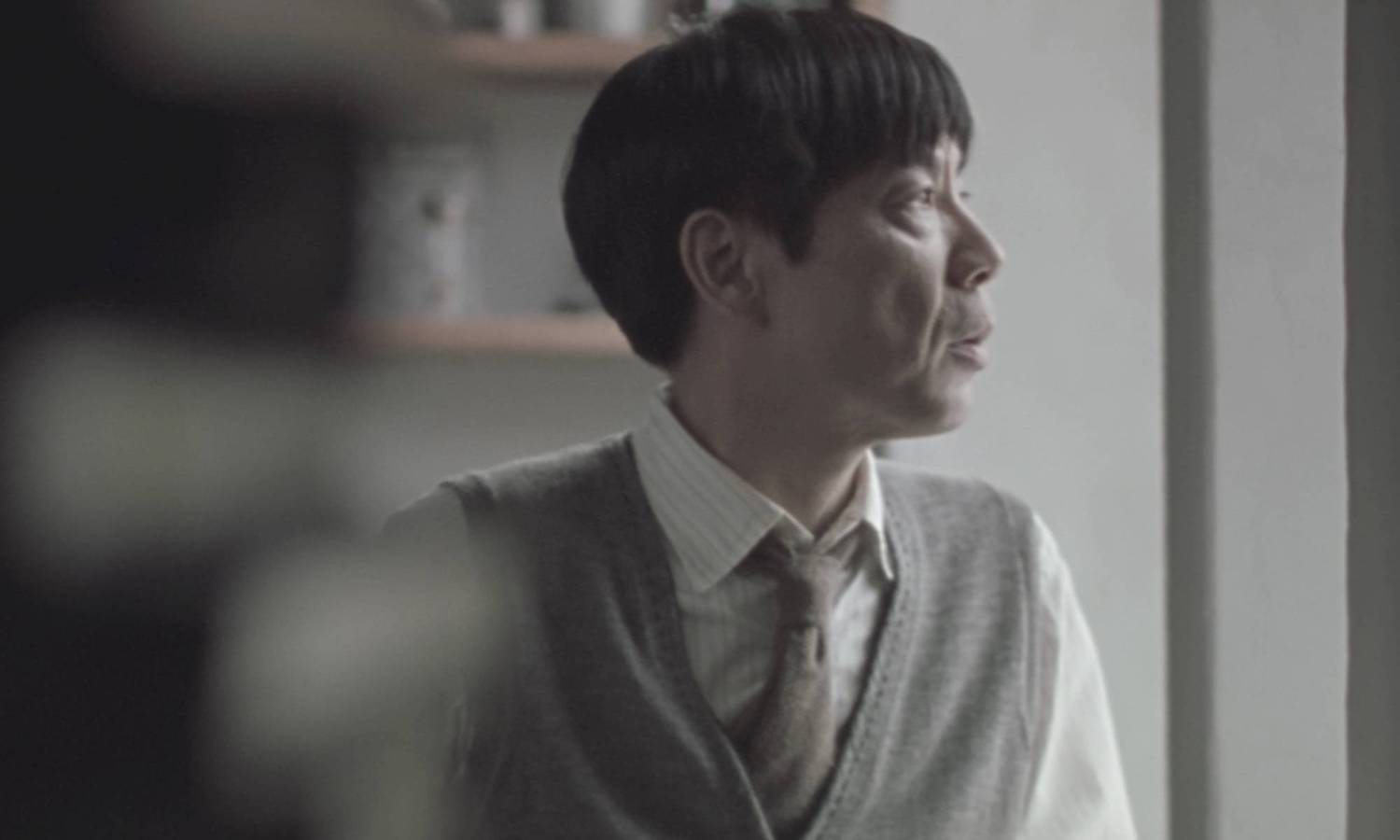
Koto Kawaguchi says it felt “surreal” to see himself on the big screen. In “Marty Supreme” he plays table tennis champion Koto Endo. | © 2025 ITTF RIGHTS LLC. ALL RIGHTS RESERVED
Was it harder to act like an athlete than to actually compete as one?
Not really. I tried to bring my competitive self into my film performance. When I won a point, I’d do a small fist pump and just react as naturally as I would in a real match.
You’ve been praised for your acting. Did it surprise you?
No, no, no. I don’t think I have any talent — I really don’t know why. I feel a little bad for the real Hollywood actors because I didn’t do anything special. Maybe people liked my acting simply because it’s such an influential film. I’m happy to be praised, but honestly, I don’t really know how to feel — it’s a strange mix of pride and confusion.
Have you received other offers? Would you want to act again?
No way (laughs). I’m done — one movie appearance is more than enough for a lifetime! I’m happily going back to my normal job as a company worker. Becoming an actor? That’s never going to happen!
Which was more challenging: the Deaflympics or working on a film set?
Oh, they’re very different. On a film set, you’re surrounded by five or six cameras, which is a rare experience. I was nervous, of course, but I just focused on doing my part and didn’t think my presence alone would make such a big difference. At the Deaflympics, though, it’s a real competition — you either win or lose, and the pressure of losing is unlike anything else.
Is it true you didn’t know who Timothee Chalamet was? What was your first impression when you met him?
Yes, it’s true — I’m not much of a movie watcher. When I heard he was starring, I Googled him and realized I was about to meet a global superstar. My first thought when we met: He’s really ikemen (good-looking)! I couldn’t take my eyes off his face. Once we got on set together, I was blown away by his passion for acting, how he lights up the room and how effortlessly he ad-libs.

Koto Kawaguchi (second from right) and his "Marty Supreme" costars (from left to right) Luke Manley, Tyler The Creator, Kevin O'Leary, Gwyneth Paltrow, Timothee Chalamet, Odessa A’zion, (director) Josh Safdie, Fran Drescher and Sandra Bernhard. | © 2025 ITTF RIGHTS LLC. ALL RIGHTS RESERVED
Do you still keep in touch with any of your co-stars?
Not at all — I was too anxious to even ask for anyone’s contact info.
Reports say Timothee Chalamet spent years mastering table tennis for the role. In your eyes, how did he do?
It’s impressive that he found the time to train for so long while acting. Personally, I was even more impressed by how he carried himself as a table tennis player — his demeanor when winning or losing, and how he moved between matches — than by his actual table tennis skills. The long rally between Marty and Endo is mostly CGI (computer-generated imagery), but it still looks convincing.
Did he ask you for advice on his table tennis?
No, he didn’t, because there was a table tennis supervisor who handled that.
What was it like seeing yourself on the big screen for the first time?
I was like, "Wow, that’s me ... that’s huge." It felt surreal. Even now, I still wonder if I was really the right person for it.
Has your family had a chance to see the film? What did they think?
So far, only my mother has seen it. She was surprised I had a bigger role than she expected. She also had some strong opinions about Marty — she said he was a terrible person.
Your character, Endo, is partly inspired by 1950s player Hiroji Sato. Were you familiar with him? Did you study his playing style?
I didn’t know about him before this film. My character was loosely based on him, but the script was changed to give him a hearing disability, which made the role closer to my own experience. I’m grateful they made that change because it made the role easier for me to play.
Watching Marty Mauser in the film, what lessons did you take away?
Marty may be a terrible person, but seeing him go all out for a single goal reminded me that this isn’t just about sports. In any challenge, no matter how big or small, there’s always something you risk losing. But pushing yourself and facing those challenges head-on is what really matters. That’s something I’ve had to rethink and reflect on for myself.
Did you find any similarities between yourself and Endo?
No, but the 2025 version of me really related to Marty. By the end of the film, Marty is a parent, and I had become a parent as well. Even though it’s a movie about Marty, in a way, it felt like a story about me, too. It almost feels fateful — my life ended up mirroring his in ways I never could have expected, especially considering that when I got the offer in August 2024, I wasn’t married or a father yet.
What competitions are you training for now?
In March, I’m competing in the National Deaf Table Tennis Championships, which is a ranking tournament that determines selection and seeding for future competitions. After that, there are the Asian Championships, the World Championships and the Deaflympics in 2029.

Koto Kawaguchi, a deaf table tennis player who makes his acting debut in Marty Supreme. | JOHAN BROOKS
You juggle a lot of roles — company employee, athlete, actor and father. How do you manage it all?
Oh, I don’t really consider acting one of my roles. That was a once-in-a-lifetime experience and is already in the past. My main job is as a company employee, and I’m fortunate that my company supports me in playing table tennis.
How did you start playing table tennis?
I started in junior high at a school because I enjoyed rallying with others in a club experience program, and also because the school was strong in table tennis — I looked up to the senior players and admired them.
Do you compete without your hearing aids?
I wear hearing aids in other tournaments, but at the Deaflympics, you’re not allowed to use any hearing assistance during practice or matches.
How do you compete when you can’t rely on hearing?
Sound is really important in table tennis — it’s everything. The sound of backspin and topspin, the exact moment you hit the ball, whether it actually makes contact or not — all of that helps you judge the play. When you can’t rely on hearing, you have to make those judgments with your eyes instead. Being able to read it visually actually becomes a real strength.
What do you find most appealing about table tennis?
It’s easy for anyone to understand — like the thrill of winning a rally. It’s also a sport that anyone can play, whether or not you have a disability.
Is there a match in your table tennis career that you’ll never forget?
The Tokyo Deaflympics last year were very memorable. It’s rare for Tokyo to host an international tournament, so I was really happy that the teachers and colleagues who supported me were able to see me play on home turf — and even more so that I could repay them by winning a medal.

Koto Kawaguchi, a deaf table tennis player who makes his acting debut in Marty Supreme. | JOHAN BROOKS
Has there been a moment that made you glad you never gave up on table tennis?
Receiving this movie offer was one moment, and winning a medal at the Deaflympics was another. There have been many times I wanted to quit — it’s tough when you can’t reach a certain level or win matches. The only reason I kept going was that I felt I owed it to the people who supported me. Quitting would have felt wrong.
How does it feel to be in the spotlight for acting rather than for your sport?
How I do it isn’t important — it’s the result that matters. As long as I can draw attention in a way that helps people notice something meaningful, that’s what counts.
What kind of example or role model do you want to be for your child?
Children learn by watching their parents. I hope my son sees me take on challenges and feels encouraged to try things himself. He’s still too young to fully understand the story, but I’ll show him the table tennis scenes. Maybe when he turns 18, he can watch the whole film. It’s a lasting legacy, something he can always look back on.
As more people in Japan learn about you through this film, what do you hope they take away from your experience?
I really hope people remember the word “Deaflympics” and share it with others — anyone, anywhere. I also believe that by putting effort into something, opportunities and luck can come your way, just like they did for me with this movie. Keep working hard and going after your goals — I mean, just look at what happened to me!
Comments (0)