
Remember me


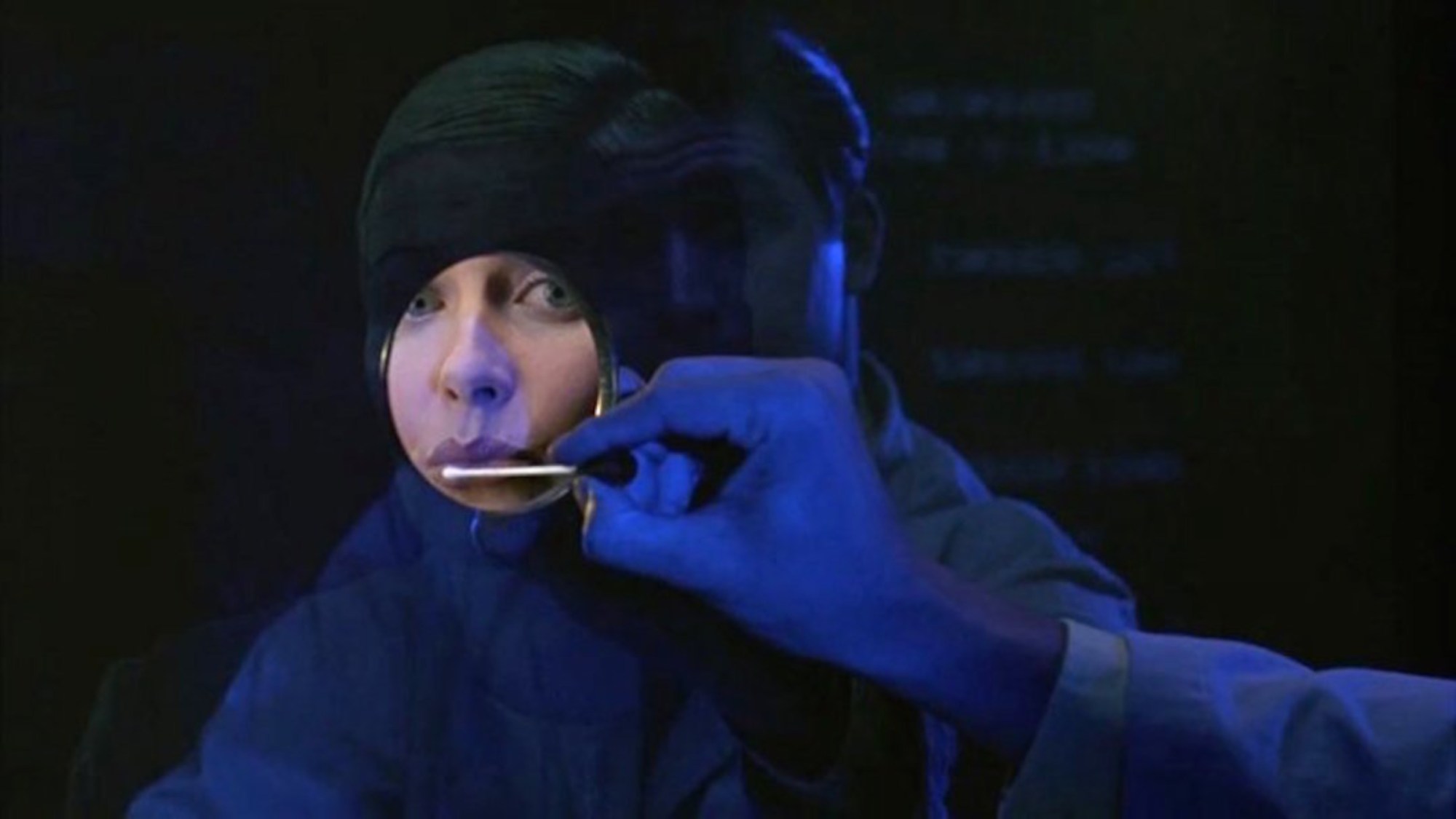

When a series appeared in the early ’90s promising to investigate the murder of a young woman in a small American town, it seemed like just another police drama among many others. At the time, TV already had Hill Street Blues and Hunter, not to mention NYPD Blue and Homicide: Life on the Street, which arrived a little later. So crime, investigation, and a resolution weren’t anything audiences weren’t used to seeing. However, this particular show had other plans, which started to reveal themselves little by little. Instead of following the traditional format, it decided to turn the mystery into something much bigger, building a universe filled with eccentric characters, disturbing moments, and even a kind of humor that made the whole story feel revolutionary.
The impact of the show was immediate, and today, if there are countless productions willing to be bold and daring both in their storytelling and in the way their narratives are structured (and still be considered practically a masterpiece), it’s obviously because of this series. Influence is basically its middle name.
Twin Peaks Is One of the Most Revolutionary TV Shows Ever Made image courtesy of abc
If you’ve never actually managed to watch Twin Peaks, chances are you’ve at least heard someone talk about it at some point. Premiering in 1990 and created by David Lynch and Mark Frost, everything about it initially seemed, as mentioned earlier, like a straightforward police drama. We meet FBI agent Dale Cooper (Kyle MacLachlan), who arrives in the small town of Twin Peaks to investigate the murder of Laura Palmer (Sheryl Lee), a popular teenager whose body is found wrapped in plastic on the bank of a river. The investigation, however, reveals that almost everyone in town is hiding some kind of secret. In other words, basically everyone becomes a suspect. But just when it seems like a simple criminal case waiting to be solved, the story suddenly starts gaining layers involving complicated relationships, supernatural mysteries, and a wide range of truly distinctive characters.
And the series’ biggest strength was the way it handled its central mystery. Instead of treating the murder as a case-of-the-week storyline, Twin Peaks built everything around one question: Who killed Laura Palmer? If more recent shows like Big Little Lies, Mare of Easttown, or The Killing play with that same type of storytelling structure, it’s because this show started doing it first. And considering we’re talking about the early ’90s, when this approach was really innovative, that matters even more. Viewers spent every episode trying to piece the puzzle together.
But even that wasn’t the only reason Twin Peaks felt so groundbreaking, because the mystery was only one piece of what made the show so game-changing. As you’d expect from a project shaped by Lynch, the series also mixed tones in ways TV rarely attempted: one episode could dive into extremely dark themes tied to Laura Palmer’s secret life, while the next focused on absurdly funny moments involving the town’s residents. Agent Cooper, for example, became one of the most iconic characters in TV largely because of that mix of seriousness and eccentricity. His enthusiasm for coffee and cherry pie, combined with his unconventional investigative methods, made him a truly unique character who was clearly destined to be remembered for years to come.
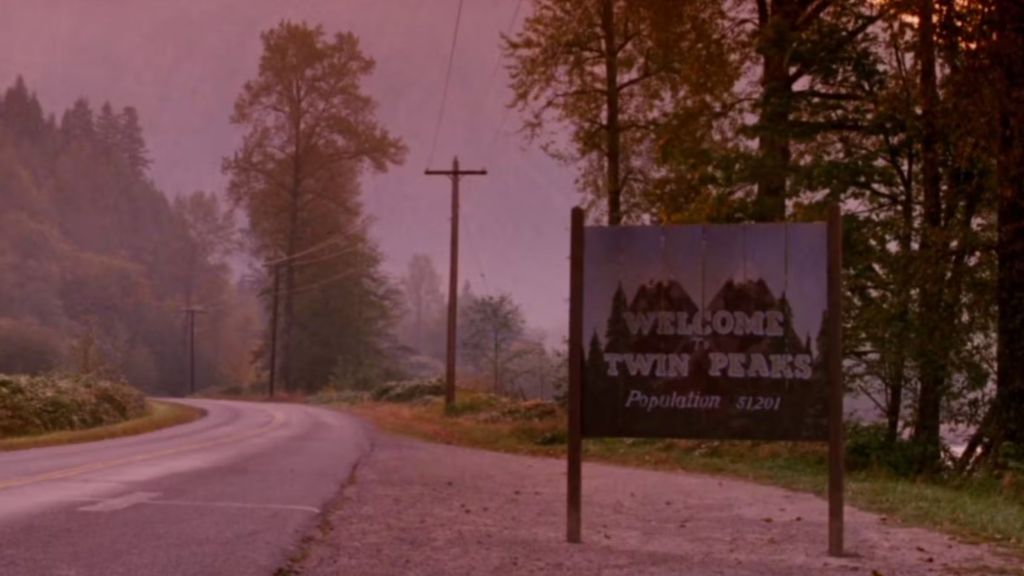 image courtesy of abc
And yes, that balance between the strange and the ordinary was essential to the show’s appeal. Twin Peaks worked because it portrayed small-town life with its romances, rivalries, and drama, while always hinting that something deeply wrong was happening beneath the surface. Watching it felt like going on a strange trip, but you kept buying into it because it was incredibly engaging. The story constantly made you want to understand what was happening because it always left a lingering question in your mind; there was no way to walk away from it, even when things started to feel completely bizarre. And step by step, the show introduced even stranger elements like visions, cryptic dreams, and supernatural forces that expanded the mystery instead of easily resolving it.
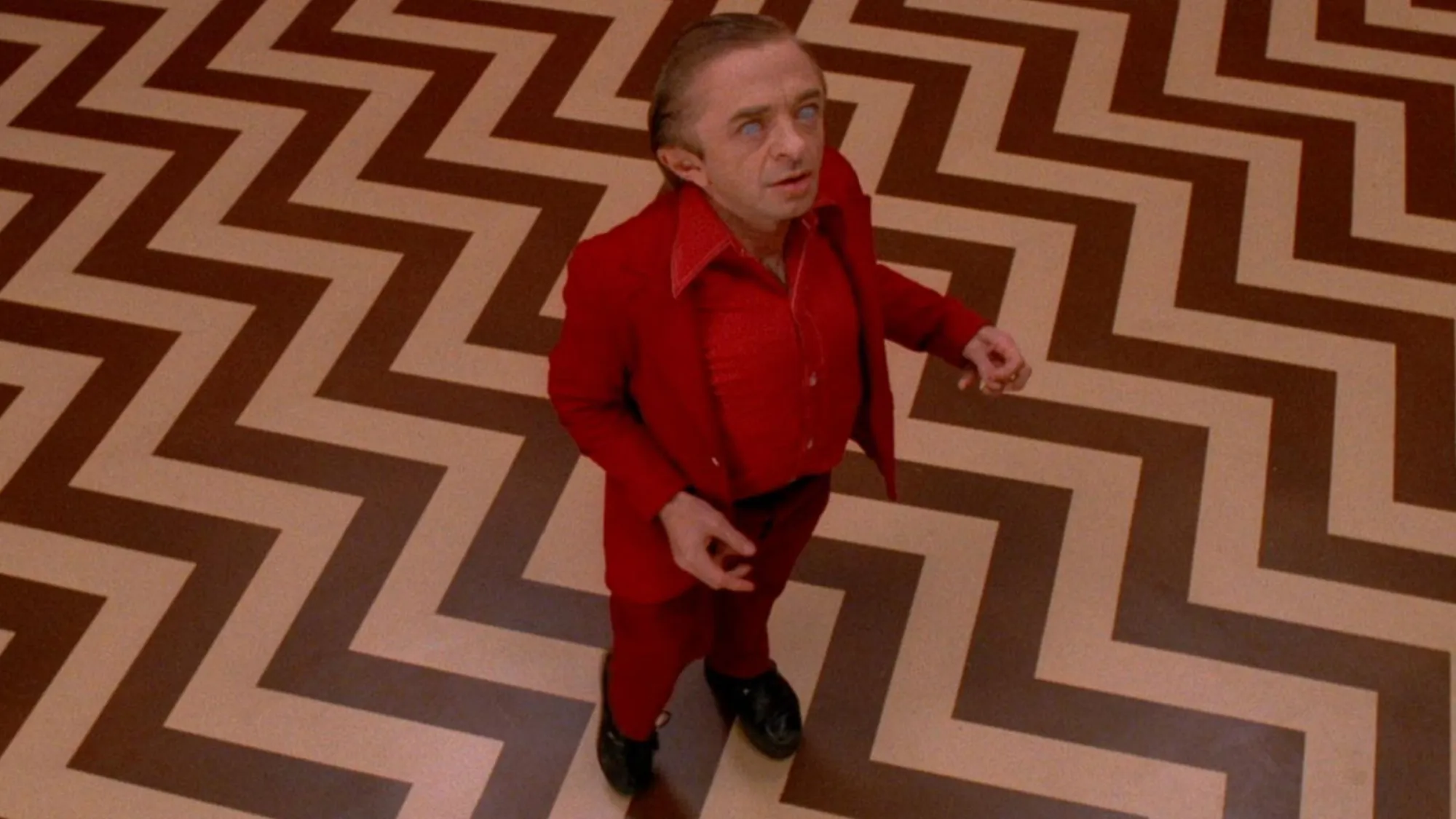
And that’s where the surrealism came in. It might sound wild to watch Twin Peaks considering all these elements together, but that’s exactly what made it one of the boldest productions of its time. Dream sequences and completely inexplicable moments appeared without any attempt to explain everything to the audience. Instead, they fueled fans’ curiosity, discussions, theories, and interpretations. Naturally, people became fascinated. And that’s complexity — something that today is almost a requirement if a series wants to stand out. Twin Peaks treated its audience as an active part of the experience, no matter how strange that experience might be. Once again, think about that happening in the early ’90s, and it becomes even easier to understand its importance and its lasting legacy.
How Twin Peaks Inspired Many of Today’s Biggest TV Shows image courtesy of abc
The show was unlike anything people had seen before, and part of that came from its aesthetic as well, which stood out dramatically for the time: it had a much more cinematic style than what audiences were used to seeing in a TV series, because the visuals emphasized forests, quiet roads, and cozy interiors that somehow still felt unsettling. That combination of mystery, atmosphere, and strangeness, paired with a story that pushed outside the box, resonated so strongly that it obviously influenced a wide range of productions that came later, even outside the same genre (although Twin Peaks itself never really belonged to just one genre, honestly).
Take the classic The X-Files, for instance: it clearly inherited the mix of investigation with supernatural elements and a slightly offbeat sense of humor. Then there’s The Sopranos, widely considered one of the greatest TV shows of all time and a major force behind the so-called golden age of TV, that also benefited from the path Twin Peaks helped open. So slowly, the industry started realizing that it was possible to create something truly authorial and stylistically bold within this format.
And eventually, other series took those ideas even further: Lost turned the concept of a central mystery into one of the main engines of its narrative; Atlanta embraced a surreal storytelling approach that mirrors the creative freedom Twin Peaks explored decades earlier; and the hugely popular Stranger Things leaned into the idea of a seemingly quiet town where some strange events begin to reveal that something much bigger is happening behind the scenes.
 image courtesy of abc
And interestingly enough, despite all its influence, the original run of the series wasn’t particularly long. Twin Peaks aired for two seasons between 1990 and 1991 and ended up facing ratings problems, especially after the network pressured the creators to reveal Laura Palmer’s killer earlier than they had planned. That decision changed the direction of the story and affected audience interest at the time. But ironically, the show’s legacy only kept growing, since over the years, it became a cult classic and continued attracting new generations. In 2017, the story returned with Twin Peaks: The Return, a season that pushed the show’s experimental side even further and reinforced its reputation.
Some viewers (especially younger ones) might not realize it, but the truth is that a little bit of Twin Peaks exists in almost every show today. Every series has its own identity, of course, but the influence becomes obvious whenever you see a mystery trying to be more complex, a production with a highly recognizable visual style, or a story with enough creative freedom to be described as ambitious. Twin Peaks was a true turning point for TV, without a doubt, because it proved that creators could take risks completely and without fear.
What do you think of Twin Peaks? Leave a comment below and join the conversation now in the ComicBook Forum!