
Remember me




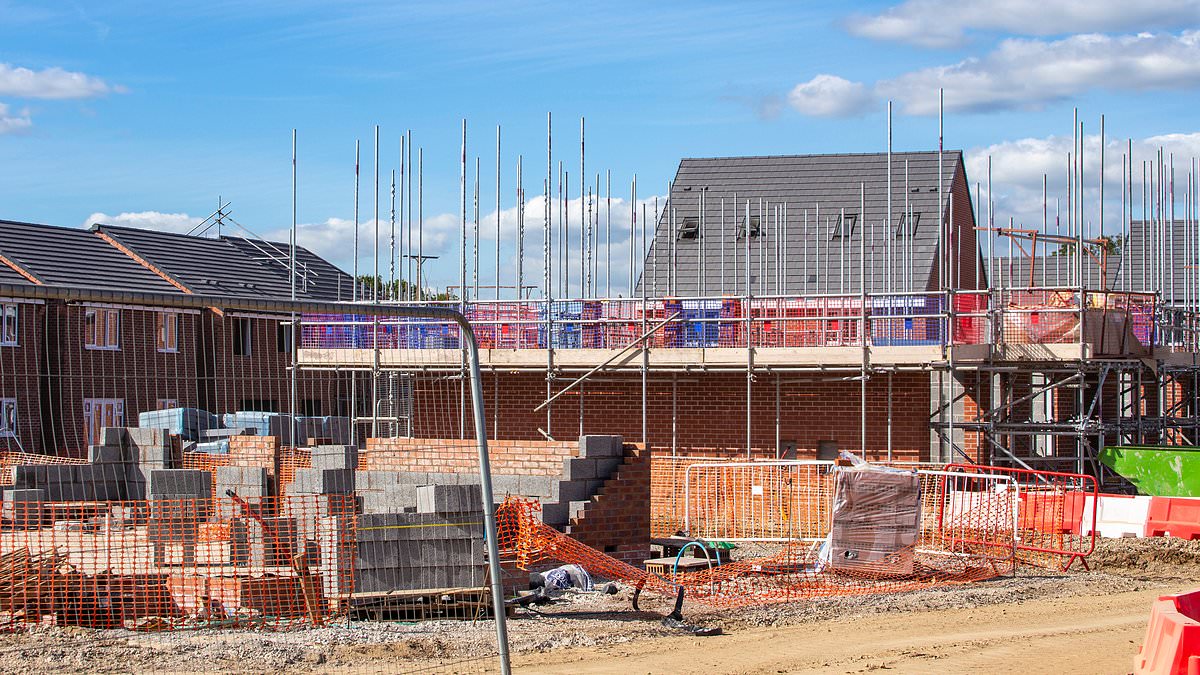




Almost 40 per cent of new homes built by 2030 will be needed for migrant housing, Conservative Party analysis shows.
The research is based on the Office for Budget Responsibility's latest Economic and Fiscal Outlook which expects a net migration of 1,172,792 people between 2026 and 2030.
The means around there would need to be 499,000 extra homes to house new arrivals, according to the ONS average household size.
During the next four years, the UK is forecasted to build 1.34 million new homes, meaning 37.1 per cent could be used to home migrants.
The figure was used to hit out at Labour with Shadow Home Secretary Chris Philp claiming it would have 'real consequences for rents, house prices and who gets access to new homes'.
'Labour has opened the door without any plan to deal with the consequences,' he told the Sun.
Shadow Housing Secretary Sir James Cleverly added: 'Labour can promise a building spree, but the OBR's own figures show more than a third of those homes will be absorbed by migration before local families even get a look in.
'That is why young people feel permanently locked out and local communities feel under strain.'

During the next four years, the UK is forecasted to build 1.34 million new homes, meaning 37.1 per cent could be used to home migrants, Conservative Party analysis shows
Migrations pressures are currently estimated to add about £9,489 to the average home, government data suggests.
In a bid to alleviate housing pressures, Mr Cleverly vowed to scrap stamp duty and deport all illegal migrants within a week.
A government spokesperson said: 'We are pulling every lever to build 1.5 million homes, restore the dream of homeownership and end the housing crisis we inherited.
'This is alongside the biggest overhaul of Britain's settlement model in 50 years, to tackle the unacceptably high levels of net migration in recent years which under this government, is down by nearly 70 percent.'
Share or comment on this article: Nearly 40 per cent of all homes built by 2030 will be needed for migrants, Conservative Party analysis shows