
Remember me




Saturday 21 March 2026 10:04 am
 Starmer and Reeves are weighing up potential solutions
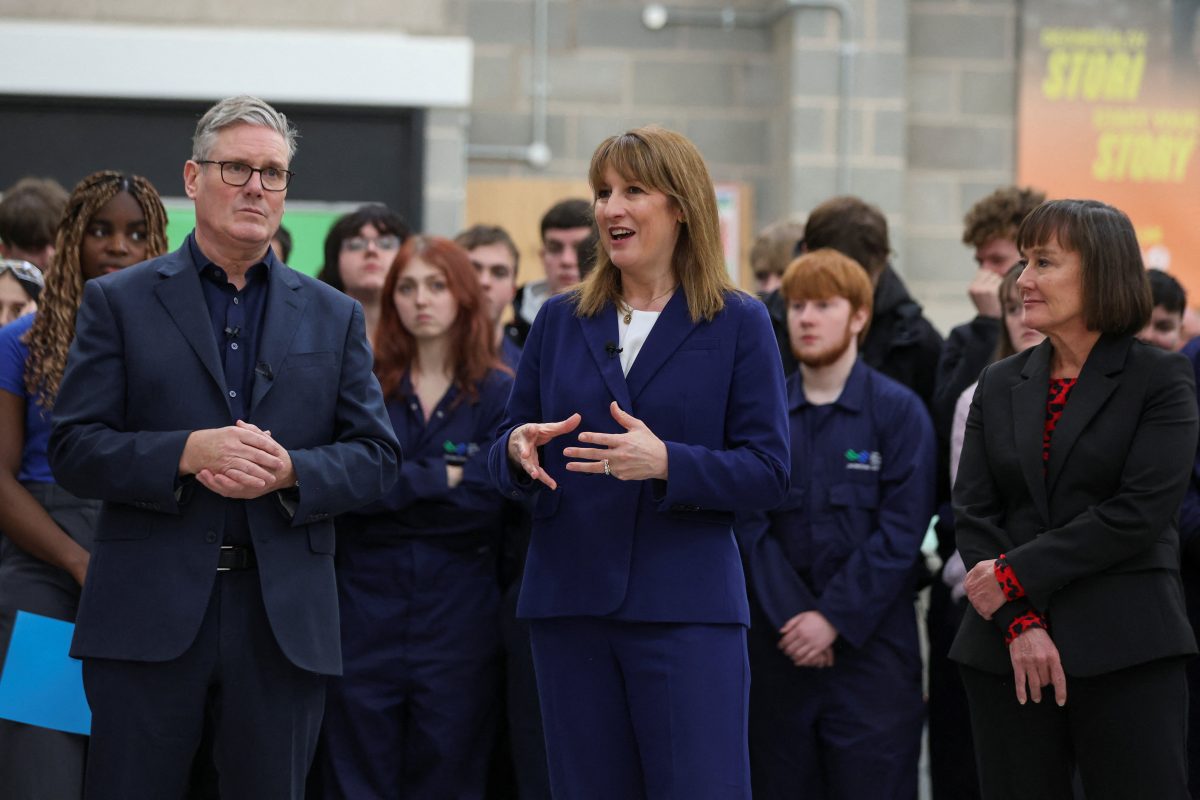
Prime Minister Keir Starmer will convene an emergency meeting of senior cabinet ministers and the governor of the Bank of England next week, as prices continue to soar amid the Middle East conflict.
The meeting will discuss plans to help households with the rising cost of living caused by the war in Iran, according to reports from The Times.
As the conflict intensifies and enters its fourth week, Starmer and chancellor Rachel Reeves are weighing up a series of measures to help families facing an inflation shock, including a potential multi-million pound energy bill bailout.
Reeves favours a “targeted” approach, focusing on the poorest households, amid concerns that a “universal” scheme will be too costly, however no final decisions have been made.
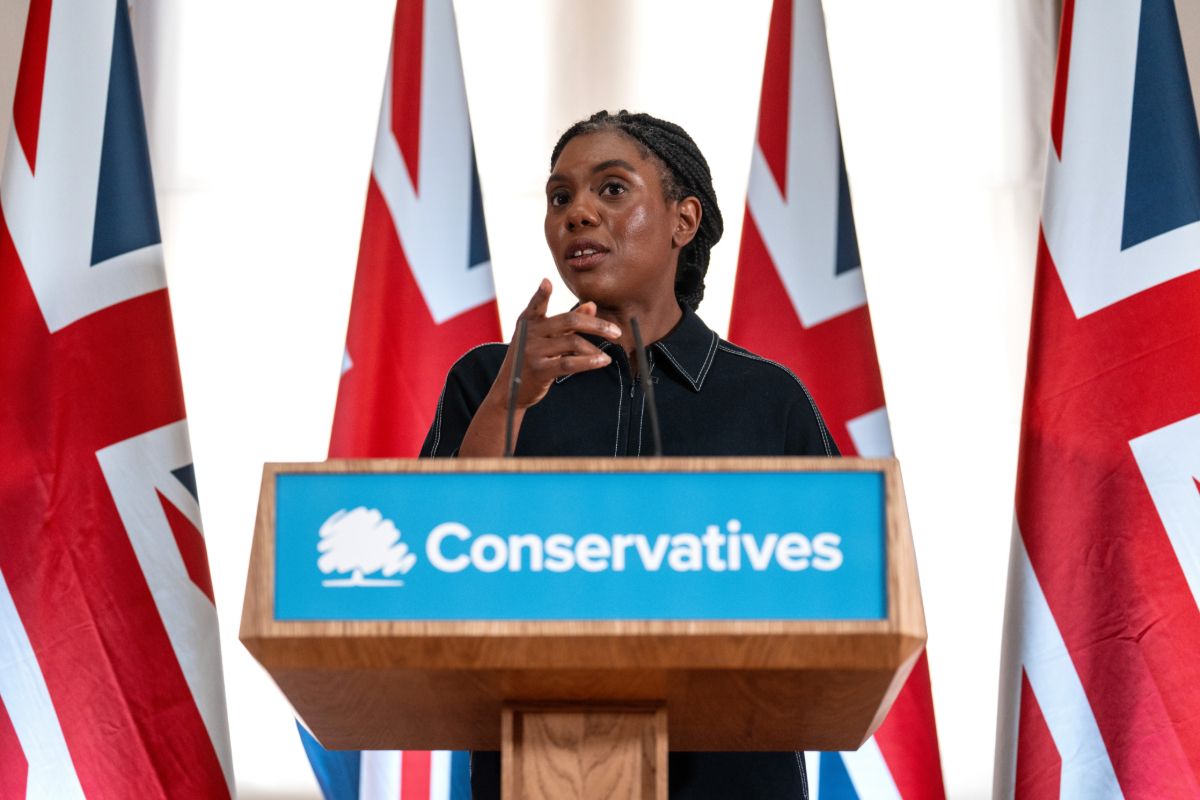
The Conservatives opted for a universal bailout for every household in the wake of Russia’s invasion of Ukraine, with the support package ultimately costing more than £40bn.
The chancellor is concerned that taxpayers are still paying off the cost of the huge subsidy, which benefited all households including the richest, with source close to Reeves saying “it’s a matter of fairness”.
Rising billsThe emergency meeting and Reeves’ concerns come as average annual household energy bills are set to increase by £332 in July, according to the latest forecast from Cornwall Insight, with further rises in the price of diesel and petrol “all but inevitable” the RAC has said.
Concerns surrounding the economic impact are also gathering speed, with focus turning to soaring mortgage rates, while the cost of government borrowing surged to the highest level since 2008.
Traders are now betting on as many as three interest rate rises this year despite earlier optimism that the central bank would keep cutting rates, while more than 500 mortgage deals have been pulled by banks this week.
The average five-year fixed-rate mortgage has risen from 4.95 per cent at the start of the month to 5.39 per cent, the highest level since July 2024.
Food prices have also become a point of concern as the closure of the Strait of Hormuz has also resulted in fertiliser shortages and hiked transport costs.
Ministers are also reviewing plans to ration petrol and diesel supplies at the pump if the conflict continues to restrict oil supplies, and under the Energy Act, ministers can cap the amount of fuel motorists can buy at any one time.
They can also designate certain petrol stations as hubs that would only serve emergency critical service vehicles, such as ambulances.
Public finances in questionThe International Energy Agency also released a 10 point plan for governments, businesses and households to decrease their oil use, including working from home where possible, car sharing using electric cooking appliances on Friday.
Fatih Birol, IEA executive director, said: “The war in the Middle East is creating a major energy crisis, including the largest supply disruption in the history of the global oil market.”
Birol added that he hoped the measures will “be of use to governments around the world”, both advanced and developing, “in these challenging times”.
The conflict and price woes have also thrown Labour’s public finance position into question, with the potential energy bailout heightening tensions inside government.
Lisa Nandy, the culture secretary, told the cabinet this week that the government may need to “rethink” or relax its borrowing rules, according to The Times.
The Treasury has insisted the rules are ironclad, which demand that day-to-day costs are met by revenues and that net debt should fall as a share of the economy at the end of parliament.
Similarly tagged content: Sections Categories People & Organisations Related Topics
Comments (0)