African conscripts in Russia-Ukraine war
Recent death of 15 Zimbabwean nationals lured to Russia-Ukraine battle field; through fraudulent job schemes, exposes the risk in phony job offers by foreign recruitment agencies seemingly acting on behalf of some advanced nations.
But, it denotes a bold statement on the abysmal inability of African leaders to harness their bountiful resources for the greatest good of the greatest number of their citizens. Faced with scorching poverty, illiteracy and disease due largely to inefficient and corrupt leadership, citizens of Africa become easy preys to all manners of deception as they seek every available means to migrate to developed countries in search of better living standards.
Not unexpectedly, this thirst is being exploited by all manner of phony and fraudulent persons/agencies to deceive and put the lives of their victims in harms’ way. Nothing illustrates this noxious practise more poignantly than the case of Zimbabwe where the activities of these recruitment agencies have led to the death of 15 of their citizens with 66 others at mortal risk.
Zimbabwean Information Minister, Zhemu Soda gave a heart-rending account of how victims are trapped into the war by the fraudulent employment agencies, using social media platforms as their hunting ground. The agents disguise as legitimate employers promising their victims attractive salaries and safe working conditions, only for those recruited to find themselves trapped in dangerous war combat roles.
“They receive little to no training and are placed in life-threatening situations. When they are injured, killed or captured their recruiters vanish, leaving families in Zimbabwe with no information, no support and no one to hold accountable. In many instances, the promised remuneration is never paid”, the minister lamented.
That is not all. The recruits also are stripped of their travel documents upon arrival and coerced into active combat with no avenue to escape. Incidentally, those recruited through this fraudulent means are deployed to fight on the side of Russia.
Zimbabwe has stepped up diplomatic efforts with Russia to retrieve the bodies of the dead and secure the safe return of 66 of its other nationals still trapped in that war.
The country is not alone in this predicament as other African countries have chilling tales of their citizens’ entanglement in similar mess. A recent report titled, The Business of Despair: The Russian Army’s Recruiting of African fighters published by an investigative team-All Eyes on Wagner, detailed how Russia after its invasion of Ukraine in 2022 allegedly turned to Africa to bolster its fighting ranks.
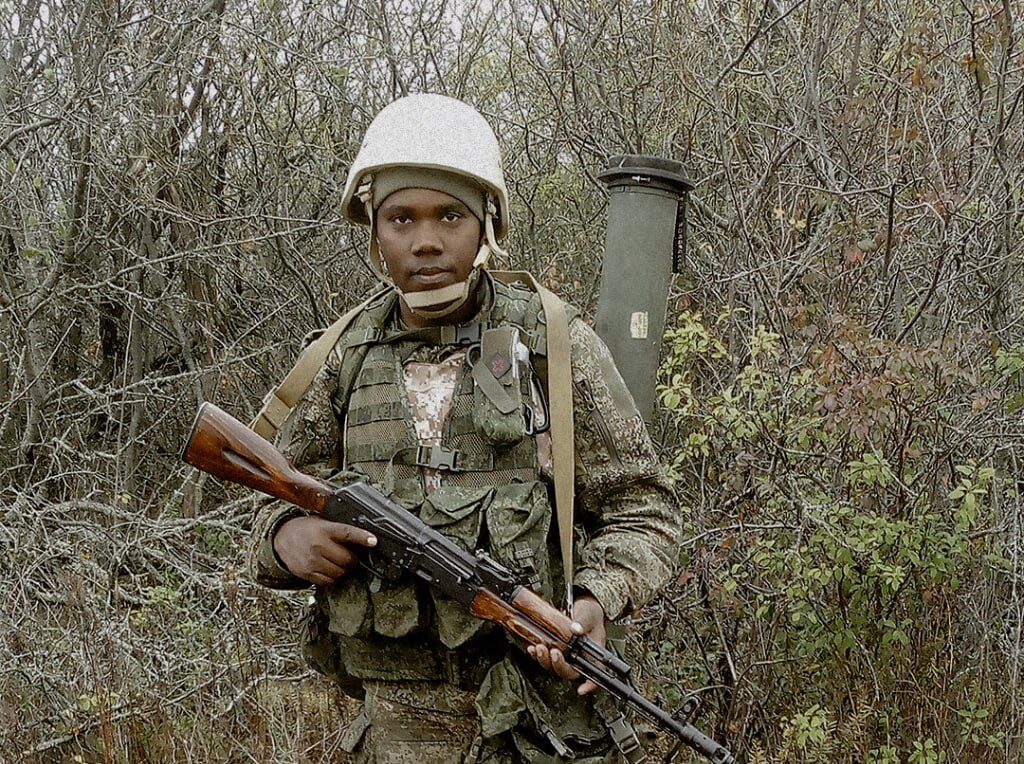
Drawing from a database of 1, 417 African recruits between 2023 and 2025 obtained from Ukrainian sources, the report identified Nigerians as part of a broader strategy in which foreign fighters are deployed as cannon fodders in high risk assault operations. It recorded a death toll of 316 across African recruits among them, some Nigerians whose names were also listed.
The pattern of recruitment captured in the report followed the trend described by the Zimbabwean authorities with a further exposure of how recruits were compelled to sign documents written in alien language without an interpreter. African countries have reacted independently and variously to the development.
But the Russian Ambassador to Nigeria, Andrey Podyolyshev denied claims that Moscow was recruiting Nigerians to fight in the war, contending that if such activities were occurring, Russia has no knowledge of them. Yet, those recruited through this fraudulent means are found fighting on the Russian side. It is difficult for Russia to escape accusations of vicarious responsibility in this odious deal even if the recruitment was done by a private military company.
Even with its denied involvement in the illegal and forced recruitments, available evidence shows a pervasiveness of the practice. South Africa reportedly questioned 11 men who returned home in February after allegedly being recruited to fight for that country under the guise of security.
Reports had it that two South African nationals died in the conflict while several others were injured or missing. About 1,000 Kenyans were said to have been enticed with job offers only to be deployed to the frontline war against Ukraine. Many were said to have been injured, missing or still fighting in the war with one confirmed dead.
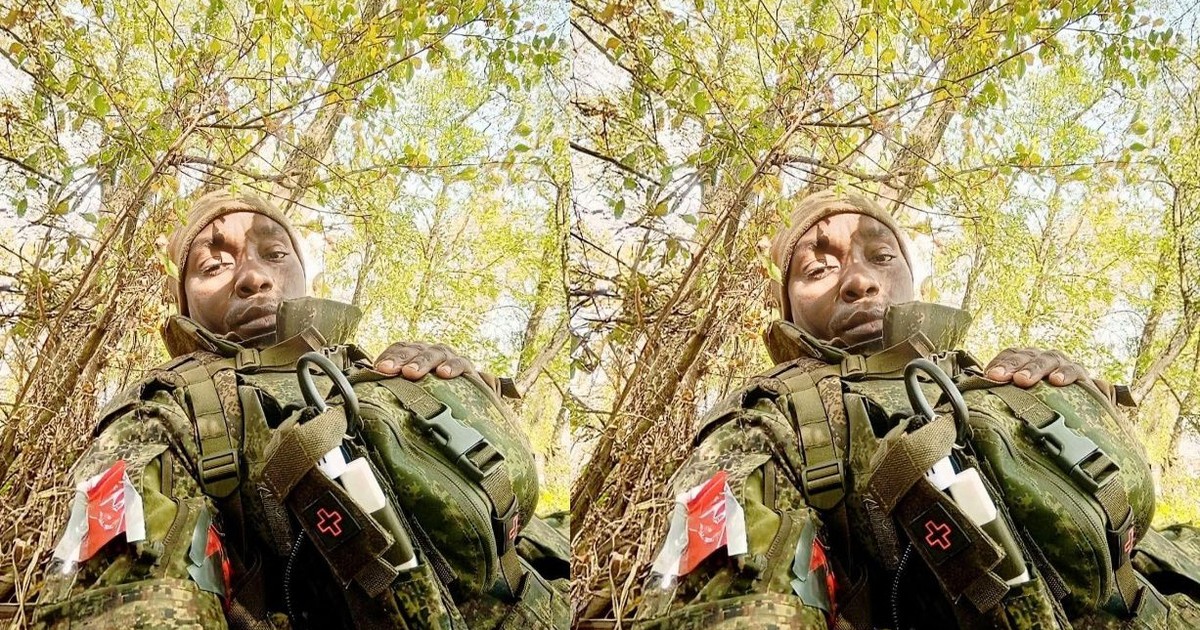
No fewer than four Nigerians recruited to fight for Russia were reportedly killed in the battle field. In a recent video trending on the social media, an unnamed Nigerian fighting for Russia recounted events leading to his conscription. He said his phone was seized as he was made to sign a contract in a language he did not understand. He thought he was being trained to work in his chosen field only to be abruptly sent to the battle front.
His case says all about the nature of the arrangements that compel ill-equipped and ill-trained African job seekers into high risk battlefronts with predictable outcomes. Estimates from Ukraine sources indicate that more than 1,700 Africans may have been recruited into the war under this shady circumstance.
The weight of evidence on African nationals’ illegal recruitment bordering on human trafficking and forced labour is overwhelming. In spite of this, no coordinated response to the mortal danger has come from the African Union (AU). Even then, reactions from individual African countries have at best, remained tepid.
It is not just enough for the Russian authorities to deny involvement or knowledge of the illegal recruitment of these African fighters. Those recruited are usually issued travel documents through the various embassies or foreign offices of Russia in their country.
Perhaps, proper scrutiny of those job offers to unskilled Africans in the numbers they came should have raised some doubts among visa issuing authorities. This is especially so, at a time a lot of genuine visa seekers from Africa are indiscriminately denied approval for seemingly unconvincing reasons.
There are also issues with the forced signing of documents in a language the recruits did not understand. Whose documents are they- those of the recruiting agencies or the Russian government? And how binding is a document enlisting a foreign recruit into the Russian army without the official seal of that government and its officials active participation?
These are the posers the Russian authorities still have to answer. And if they contracted such recruitments to some private military companies, they cannot turn a blind eye to it especially given the abuse they have been subjected to. It is not just enough to feign ignorance of such practices.
Luring individuals through deception, coercion or fraud for the purpose of fighting, especially when they are unable to escape, constitutes human trafficking-an offence in international law. What to do?
African governments should mount immediate diplomatic pressure on Russia to repatriate citizens deceived into the war. Additionally, strict law enforcement against illegal recruitment agencies and targeted public awareness campaigns should be called into quick action to prevent citizens from being tricked into fighting for foreign countries. But the enduring solution lies in realistically addressing those developmental deficits that regularly compel citizens of Africa to existential danger in foreign lands. Can that happen?



Comments (0)