Meta Plans 10 Gas Plants for Hyperion AI Data Center
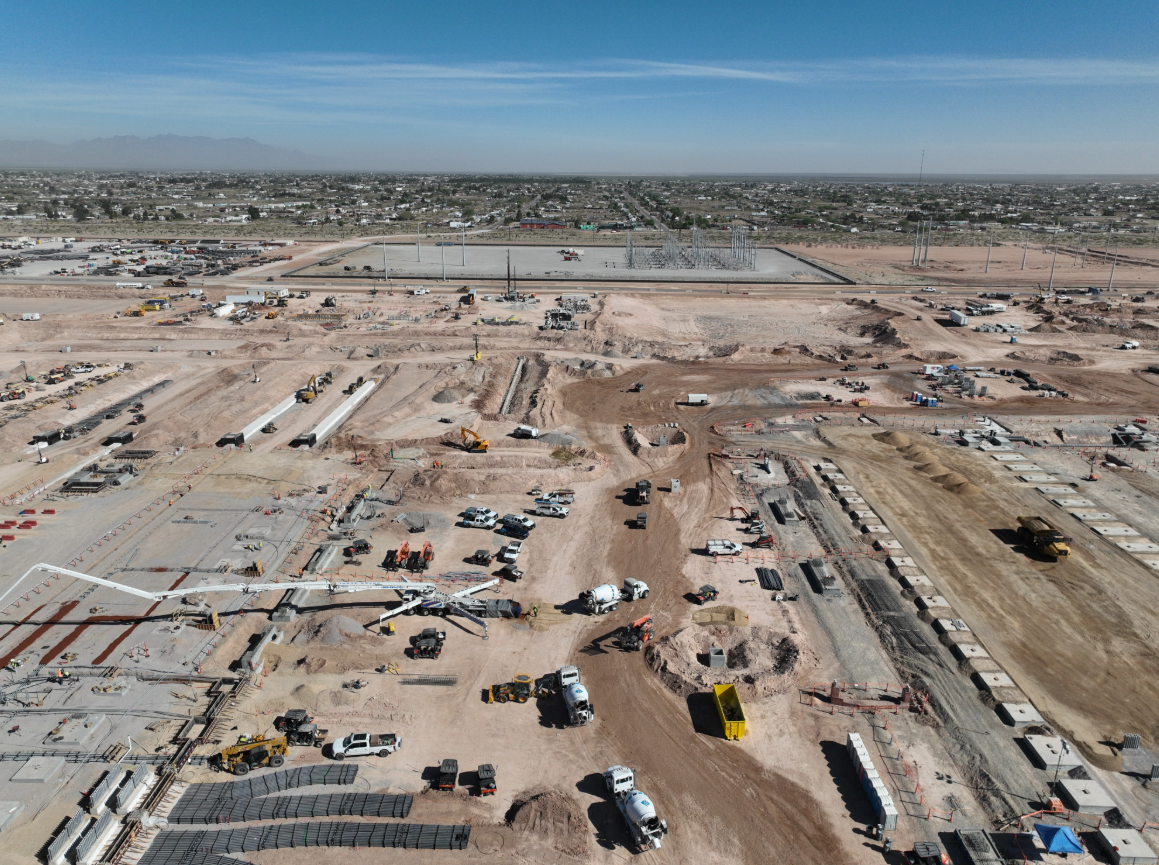
Meta is building 10 new natural gas power plants to fuel its upcoming Hyperion AI data center, according to a TechCrunch exclusive. The scale is staggering - enough capacity to power an entire state like South Dakota. The move signals a dramatic shift in how Big Tech is confronting AI's insatiable energy demands, abandoning earlier renewable energy commitments in favor of reliable fossil fuel baseload power.
Meta just made its biggest bet yet that AI's future runs on natural gas, not sunshine and wind. The company's planned Hyperion AI data center will draw power from 10 dedicated natural gas plants, a scale of fossil fuel infrastructure unprecedented for a single tech facility.
The energy math is jaw-dropping. TechCrunch's comparison to South Dakota isn't hyperbole - the state consumed roughly 13,000 gigawatt-hours in 2025, and Meta's new gas fleet appears designed to match that threshold. For context, that's enough to train hundreds of frontier AI models simultaneously or run inference for billions of users across Meta's apps.
This marks a stunning reversal from Meta's 2020 commitment to reach net-zero emissions across its value chain by 2030. Back then, CEO Mark Zuckerberg championed renewable energy partnerships and carbon removal investments. But the company's AI ambitions, particularly around its Llama large language models and metaverse computing demands, have collided hard with grid realities.
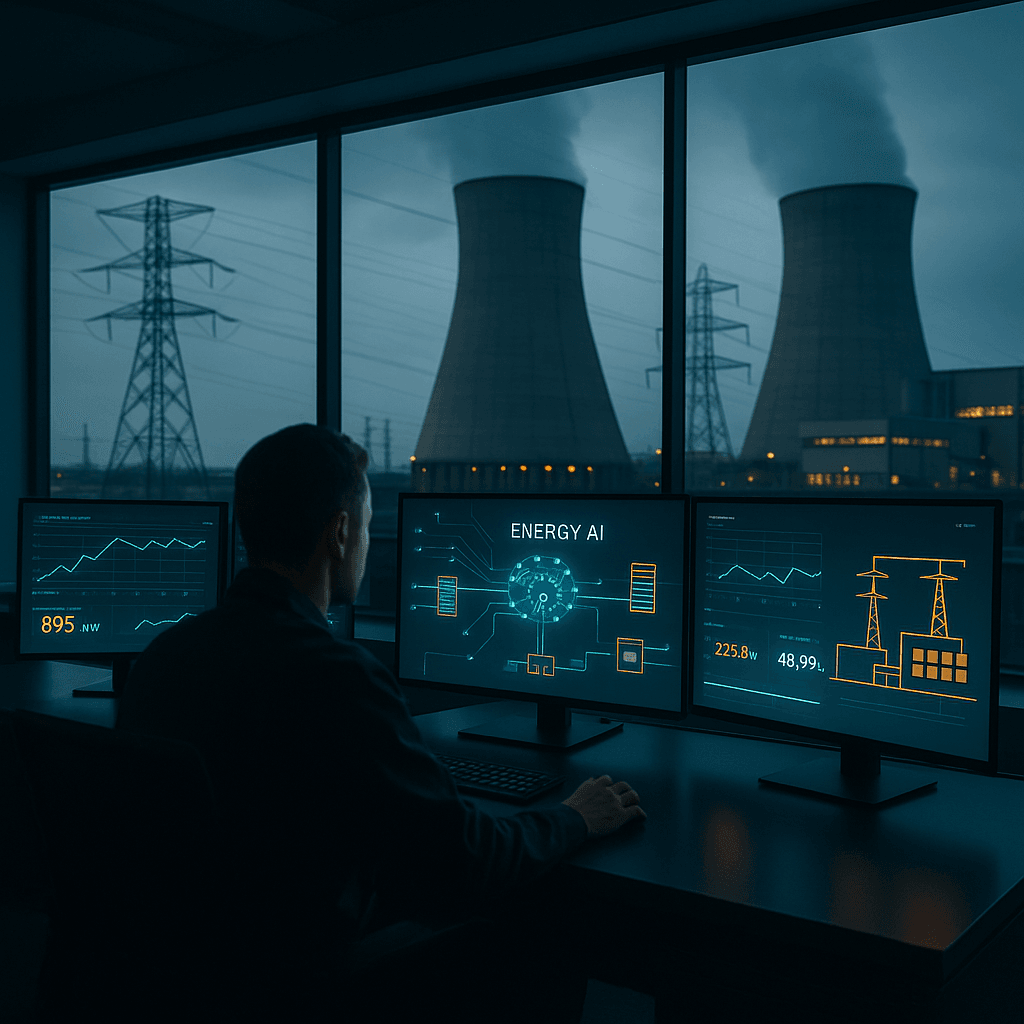
Google and Microsoft face identical pressures. Google's emissions jumped 48% since 2019, while Microsoft's rose 30% - both driven largely by data center expansion. Amazon has quietly secured nuclear power agreements for AWS facilities, while Microsoft inked a deal to restart Three Mile Island's reactor.
But Meta's approach differs in scale and speed. Rather than waiting years for nuclear restarts or renewable buildouts, the company is essentially building its own private utility grid. Natural gas plants can be constructed in 18-24 months versus 5-7 years for nuclear or the intermittency challenges of solar and wind.







Comments (0)