
Remember me

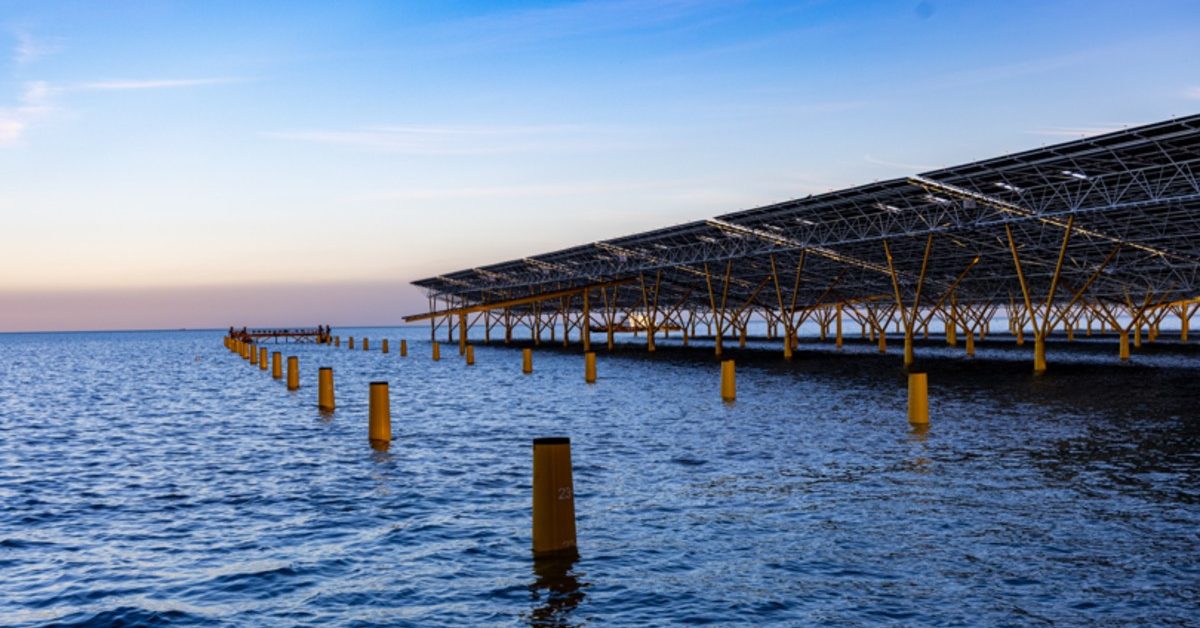


The world added a massive 692 gigawatts (GW) of renewable power in 2025, pushing total global capacity to 5,149 GW, according to a new report from the International Renewable Energy Agency (IRENA).
That’s a 15.5% jump in just one year, and renewables made up 85.6% of all new power capacity added globally. Fossil fuels are still around, but they’re clearly losing ground when it comes to new builds.
This surge is happening at a moment when energy security is back in focus. Rising geopolitical tensions, especially in the Middle East, are once again exposing the vulnerability of fossil fuel supply chains to global shocks and price spikes.
Renewables, on the other hand, are local, fast to deploy, and increasingly cheap. That’s making them a key tool for countries looking to stabilize their energy systems and reduce exposure to volatile fuel markets.
Advertisement - scroll for more contentIRENA Director-General Francesco La Camera said the trend is hard to ignore: “Countries that invested in the energy transition are weathering this crisis with less economic damage, as they boost energy security, resilience, and competitiveness.”
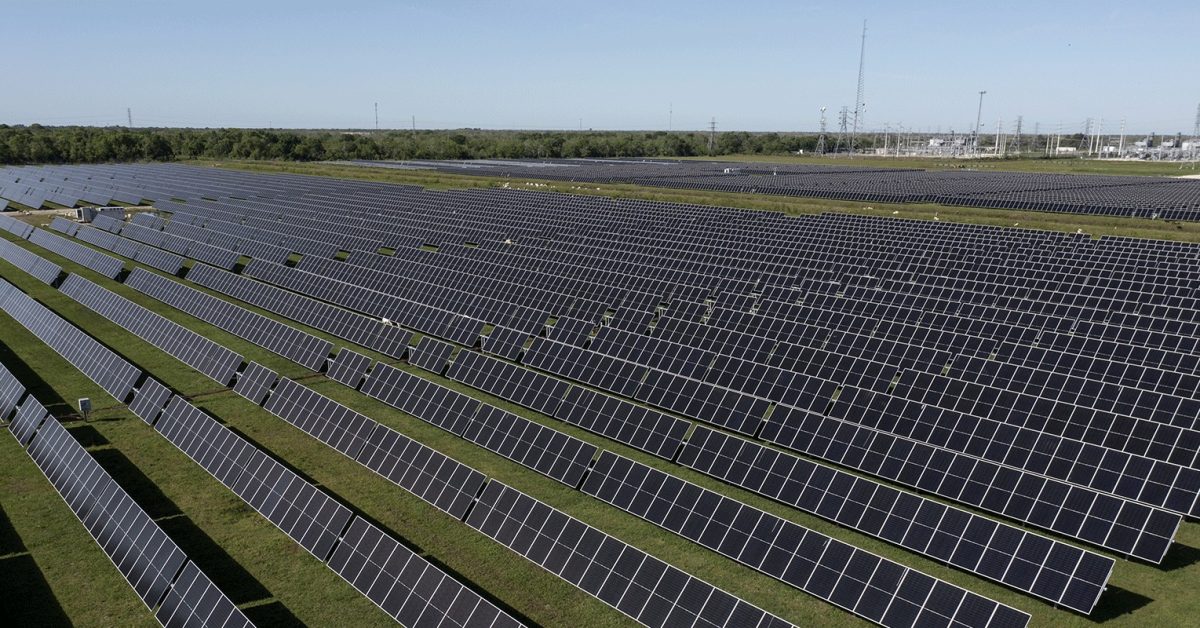
Solar is doing the heavy liftingSolar dominated 2025’s growth, adding 511 GW, or about three-quarters of all new renewable capacity.
Wind followed with 159 GW of new capacity. Together, solar and wind made up 96.8% of all new renewable additions last year.
That’s not a coincidence – these two technologies have seen the steepest cost declines, and they’re now the fastest to scale.
Other technologies are growing, but much more slowly. Bioenergy added 3.4 GW, while hydropower (excluding pumped hydro) added 18.4 GW. Geothermal barely moved the needle, with just 0.3 GW added globally.
The global divide is still hugeNot every region is benefiting equally from the renewables boom.
Asia continues to dominate, accounting for 74.2% of all new renewable capacity in 2025 – a staggering 513.3 GW. The region’s renewable capacity grew by 21.6% year over year.
Africa, while still smaller overall, posted its fastest growth yet, adding 11.3 GW (up 15.9%), led by Ethiopia, South Africa, and Egypt.
The Middle East also saw a surge, with capacity growing 28.9%, driven largely by Saudi Arabia.
But the gap remains wide. Asia now has 2,891 GW of total renewable capacity, compared to Europe’s 934 GW. Central America and the Caribbean lag far behind, with just 21 GW total.
That imbalance matters. Regions with lower renewable shares are more exposed to fossil fuel price swings and supply disruptions – exactly the risks that are in the spotlight right now.
A closer look at the numbers Solar: 510.3 GW of the 511.2 GW added came from solar PV Wind: 158.7 GW added, up 14% year over year; China alone added 119.4 GW, while India added 6.3 GW Hydropower: 18.4 GW added, with 96% coming from China Bioenergy: 3.4 GW added, led by Japan (1.1 GW), followed by China (0.8 GW) and Brazil (0.6 GW) Geothermal: 0.3 GW added, with contributions from the Philippines, Indonesia, Germany, Türkiye, and Japan Off-grid (excluding Eurasia, Europe, and North America): 1.7 GW added, mostly solar (1.5 GW), with bioenergy contributing 0.2 GW Electrek’s TakeThis is the clearest signal yet that the energy transition is accelerating.
When 85% of new global power capacity is renewable, the debate shifts. This isn’t about whether clean energy will take over; it already is, at least when it comes to new builds.
What’s driving it isn’t just climate policy. It’s economics and risk. Solar and wind are now the cheapest, fastest options in most markets, and they don’t come with fuel price volatility or geopolitical baggage.
That last point matters more than ever. Every time tensions spike in the Middle East, fossil fuel markets wobble. Countries that leaned into renewables are now seeing the payoff – more stable energy costs and less exposure to global shocks.
But the report also highlights a growing divide. Asia is sprinting ahead, while regions like Central America and the Caribbean are barely on the board. That’s not just a climate issue; it’s an energy security problem.
The transition is happening fast, but not evenly. And the countries that move fastest will be the ones least exposed when the next energy crisis hits.
Read more: FERC: Renewables made up 88% of new US power generating capacity in 2025
If you’ve ever considered going solar, make it easy by finding a trusted, reliable solar installer near you that offers competitive pricing by checking out EnergySage. It has hundreds of pre-vetted solar installers competing for your business, ensuring you get high-quality solutions and save 20-30% compared to going it alone. Plus, it’s free to use, and you won’t get sales calls until you select an installer and share your phone number with them.
Your personalized solar quotes are easy to compare online, and you’ll get access to unbiased Energy Advisors to help you every step of the way. Get started here.


FTC: We use income earning auto affiliate links. More.
Comments (0)