
Remember me



The logo of the North Atlantic Treaty Organisation (NATO/OTAN) is displayed on a smartphone screen in this photo illustration in Brussels, Belgium.
Jonathan Raa/NurPhoto via Getty Images
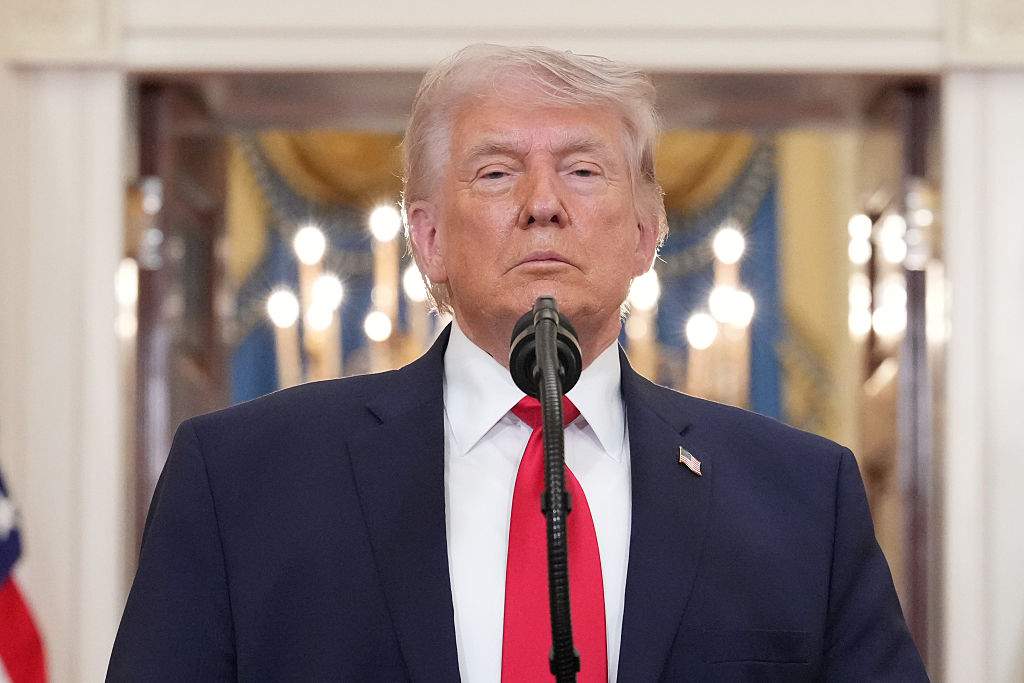
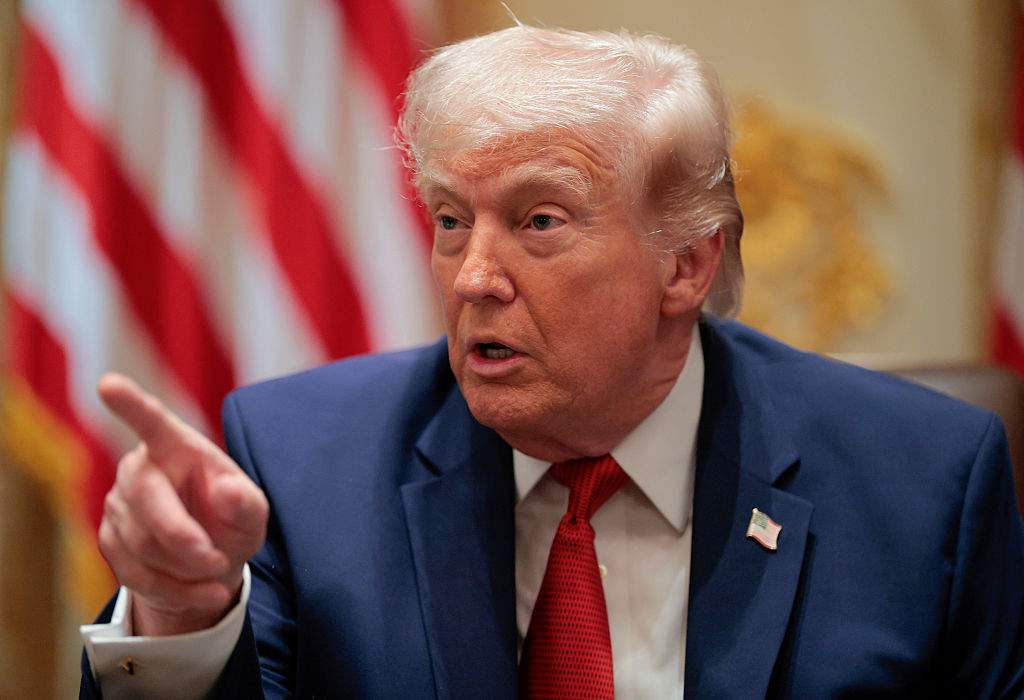
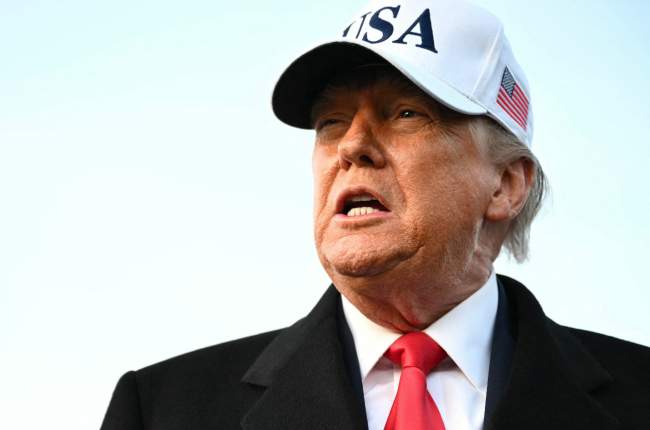
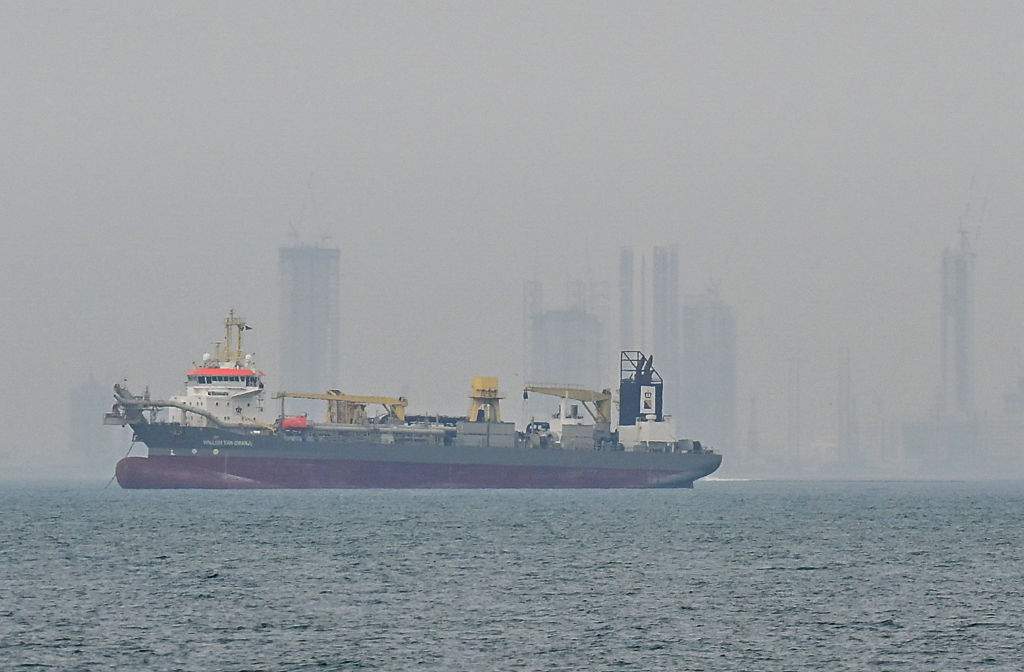
US President Donald Trump threatened to pull the US out of NATO.Any country may withdraw from NATO after a one-year notice period.The US passed a law barring any president from unilateral action on NATO withdrawal.US President Donald Trump threatened on Wednesday to pull the United States out of NATO due to its European members’ refusal to send ships to unblock the Strait of Hormuz near Iran, as he intensified his denunciations of the military alliance.
Experts say it is not clear whether Trump could act unilaterally to leave the 77-year-old trans-Atlantic coalition, even though he frequently makes major decisions without congressional approval, some of which are held up by US courts.
Here’s a look at the issue:
What does the US Constitution say?
The constitution specifies that the president has the power to make treaties with the advice and consent of the Senate, provided two-thirds of the 100-member Senate concur.
READ | ‘Not our war’: European leaders reject Trump pressure to join Iran fight
However, it is silent on treaty withdrawal.
What does the NATO treaty say?
NATO, which includes European countries, the United States and Canada, was formed in 1949 with the aim of countering the risk of Soviet attack and has been the cornerstone of the West’s security ever since.
Article 13 of the 1949 North Atlantic Treaty says that any party may withdraw after giving one year’s notice to the government of the US, which will then inform other governments of the “notice of denunciation”.
To date, no NATO member has ever rescinded its membership.
What does US law say?
In 2023, Congress passed, and then-president Joe Biden, a Democrat, signed into law, legislation barring any US president from suspending, terminating, denouncing or withdrawing the US from the treaty that established NATO unless the withdrawal is backed by a two-thirds majority in the 100-member Senate.
The legislation was introduced as an amendment to the 2024 National Defense Authorization Act, a massive annual bill setting policy for the Pentagon.
The amendment’s lead sponsors were Democratic Senator Tim Kaine of Virginia and then-Republican Senator Marco Rubio of Florida.
Rubio, who is now both Trump’s Secretary of State and National Security Adviser, said on Tuesday that Washington would have to re-examine its relations with NATO after the Iran war, which began on 28 February with US and Israeli air strikes.
The NDAA amendment also said that no US funds could be spent on a withdrawal from NATO.
What has Trump said?
Trump has been harshly critical of NATO for years.
In 2020, during his first term, the Department of Justice’s legal counsel issued an opinion saying that the president - not Congress - has the exclusive authority to withdraw from treaties.
A February 2026 report by the Congressional Research Service said that, if the issue came up in court, the executive branch could cite that opinion and argue that the NDAA amendment is unconstitutional.
Trump told Reuters on Wednesday that he would state in an address to the nation that he was “absolutely” considering withdrawing from the alliance, citing “disgust with NATO”.
Trump’s remarks came just hours after his Defence Secretary Pete Hegseth declined to reaffirm the US commitment to NATO’s collective defence.
Experts said this lack of commitment, rather than any law, was the key point.
“If the president and the military are not committed to NATO and European security, then I don’t think there’s much Congress can actually do to hold that back,” said Max Bergmann, a former State Department official who is now director of the Europe, Russia, and Eurasia Program at the Center for Strategic and International Studies.
What happens next?
Under international law, a nation’s head of state generally has the authority to withdraw from a treaty, if the treaty allows withdrawal and the nation adheres to the withdrawal process.
US law has been less clear, although presidents have withdrawn from several treaties without Congress’ approval, including Trump’s 2020 departure from the 35-nation Open Skies treaty allowing unarmed surveillance flights over member countries.
If the issue ends up in the courts, the challenge to Trump’s decision would face steep hurdles.
Those include establishing who has standing - a personal stake in the outcome - to challenge the withdrawal.
The US Supreme Court, whose conservative majority often rules in Trump’s favour, has never heard a treaty withdrawal case on its merits.
Comments (0)