Hormuz Closure Sparks Global Market Turmoil as UN Signals Inflation Risks
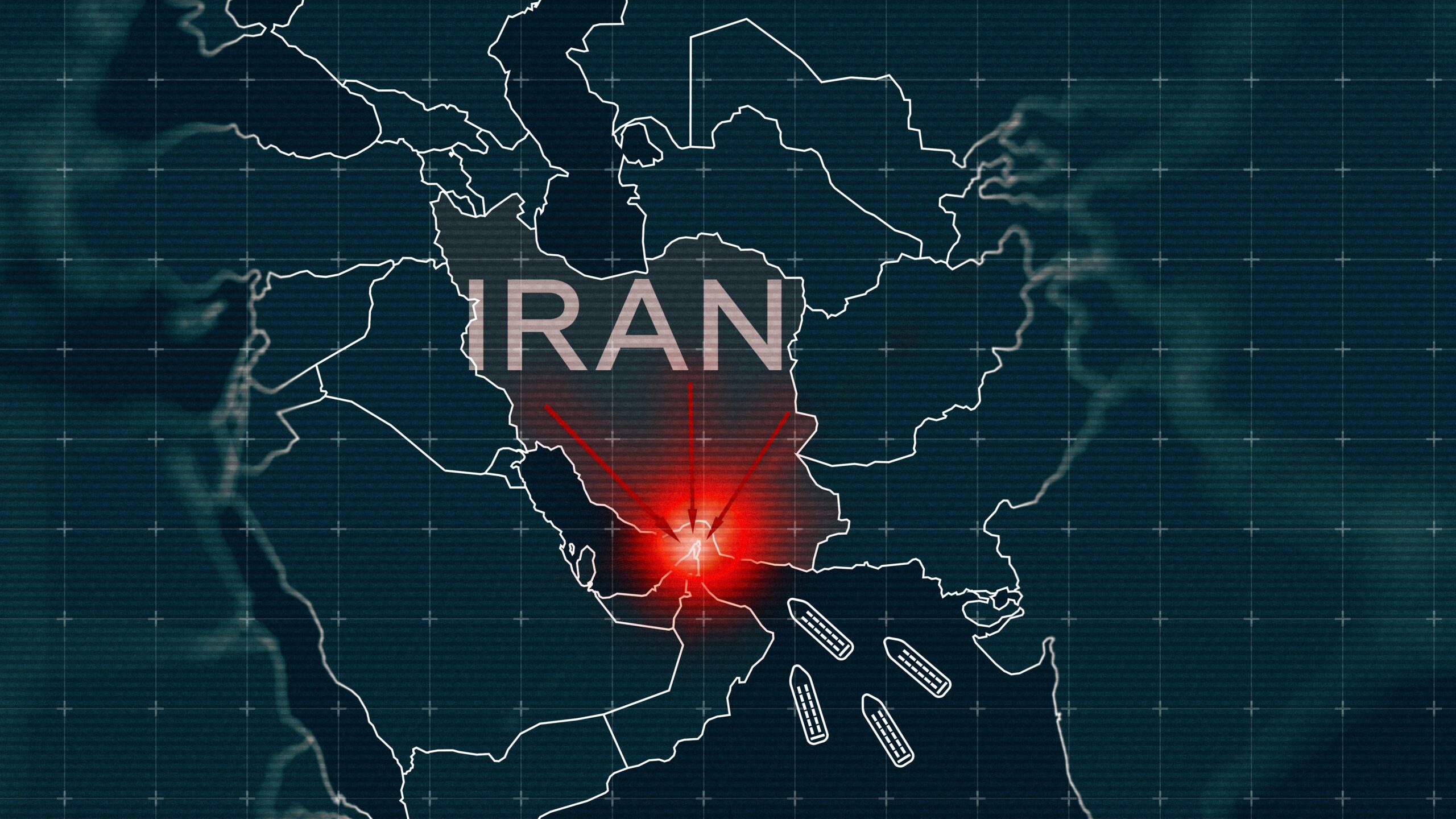
Global trade and financial markets are under mounting pressure as the Strait of Hormuz—one of the world’s most vital energy corridors—remains largely shut, according to fresh analysis from the United Nations Conference on Trade and Development (UNCTAD).
Read also: UN Flags Growing Economic Fallout from Hormuz Shipping Crisis
The strategic waterway, which normally handles a substantial portion of global oil and gas flows, has seen traffic collapse dramatically. Vessel movements have plunged by about 95%, falling from an average of 129 daily transits in February to just a handful in March. The sharp decline reflects a near standstill in one of the most important arteries of global commerce.
Energy markets have reacted swiftly. Oil prices have jumped significantly since tensions escalated in late February, while tanker freight costs have surged across both crude and refined product segments. Key shipping benchmarks are now trading well above levels seen before the crisis.
UNCTAD warns that the fallout is no longer confined to shipping or energy—it is spreading rapidly through the global economy.
Rising oil and gas prices are expected to push up living costs worldwide, hitting vulnerable populations the hardest. The agency cautions that these pressures could slow global trade and economic growth heading into 2026.
Financial markets are already showing signs of strain. Equity markets have retreated since the escalation began, while currencies in many developing economies have weakened against the U.S. dollar. Meanwhile, borrowing costs are climbing, with sovereign bond yields rising across regions including Africa, Latin America, and Asia—further tightening already fragile financial conditions.
At the core of the concern is a broader, interconnected shock. Higher energy prices are feeding inflation across multiple sectors, undoing recent gains and increasing the burden on central banks. Past trends suggest that such spikes tend to pass quickly into consumer prices, especially in import-dependent economies.
The strain is particularly severe in countries with limited fiscal space. UNCTAD estimates that billions of people live in developing nations where debt servicing already outweighs spending on essential sectors like health and education—leaving little capacity to absorb another major shock.
If the disruption continues, the impact could deepen further. UN Secretary-General António Guterres has warned that the economic consequences are becoming increasingly severe, urging an immediate de-escalation of tensions.
To limit the damage, UNCTAD is calling for coordinated global action. Proposed measures include stabilizing commodity prices, preventing financial contagion, and expanding emergency funding for at-risk economies. Options such as debt relief, central bank liquidity support, and increased lending from development institutions are being highlighted as critical tools.
For the maritime sector and global supply chains, the implications are clear. What began as a regional security issue has rapidly evolved into a systemic shock—one that is now reshaping energy flows, trade dynamics, and economic stability worldwide.








Comments (0)