In Iran, Iraq and the U.S., Women Speak Out Against State Repression
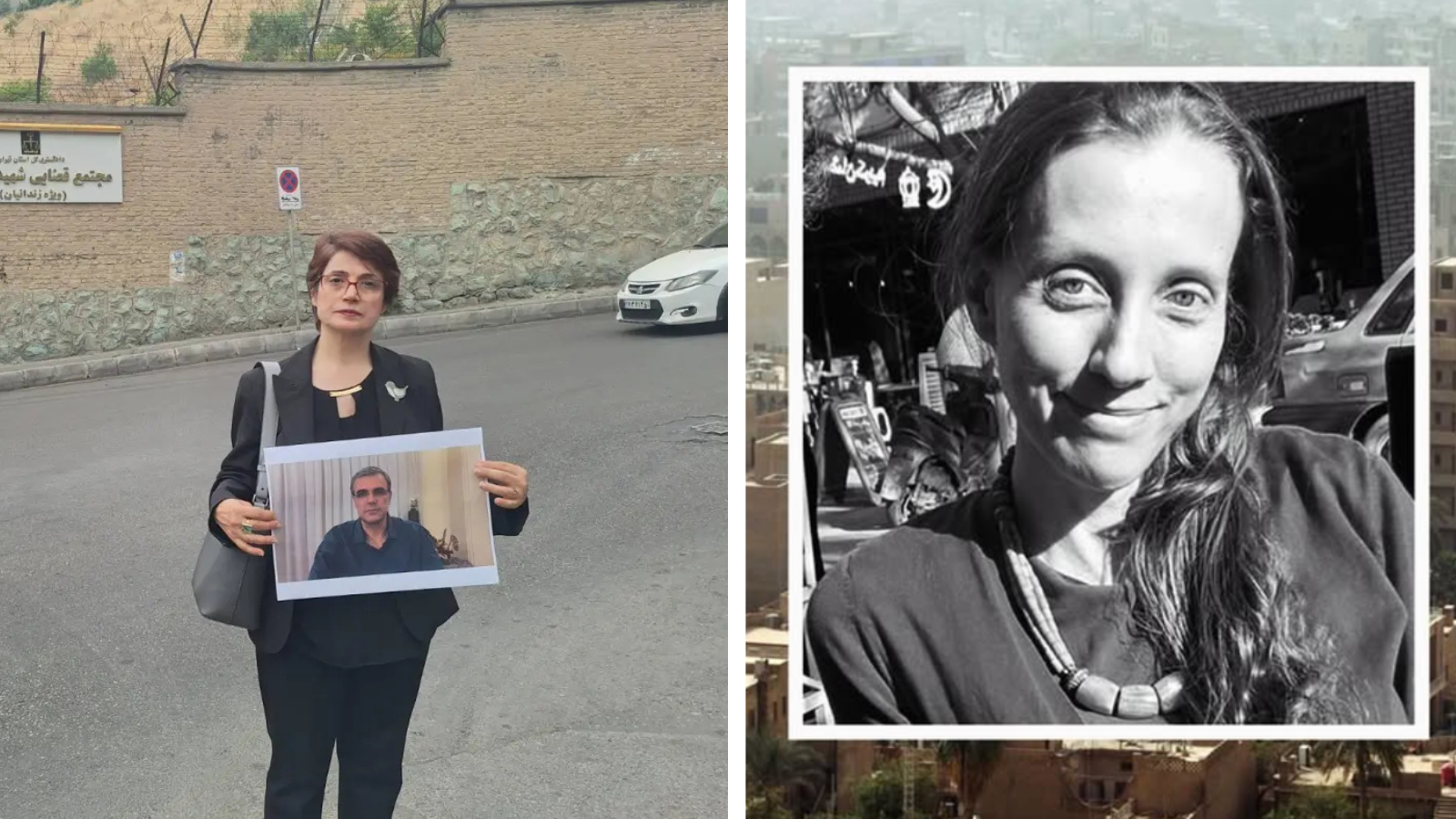
Nasrin Sotoudeh holds a picture of her husband Reza Khandan outside Evin Prison in Tehran. (Courtesy of Sotoudeh)
We learned Thursday that internationally acclaimed Iranian human rights attorney and women’s rights advocate (and friend of Ms.) Nasrin Sotoudeh had been arrested by the Iranian regime. Her whereabouts are currently unknown. Sotoudeh, who has been repeatedly imprisoned for her advocacy, has been outspoken in her criticism of the regime, and her daughter suspects such criticism in recent interviews may have led to her arrest.
Sotoudeh spoke to Ms. in January about the situation in Iran, mere weeks before the current U.S. and Israeli war against Iran began.
“You can’t bomb a country into democracy,” she said. “War very rarely brings democratic rights to the people. Look at Iraq and Afghanistan. When human rights are systematically violated, an intervention should be based on international law, not the decision of one man… If other countries really want to help the Iranian people, they can provide material support for when the internet gets cut off, and with other non-military aid.”
Our hearts are with Sotoudeh and her family, including her husband Reza Khandan, who has been detained in Tehran’s notorious Evin Prison since December 2024 for supporting her work for women’s equality. Ms. and its publisher the Feminist Majority Foundation are joining Kennedy Human Rights, PEN America, Right Livelihood and the Raoul Wallenberg Centre for Human Rights in calling for her immediate release. As we wrote in a joint statement, her re-arrest is “emblematic of the Iranian regime’s assault on the fundamental rights and freedoms that are enshrined under its own legal system.”
Meanwhile in Baghdad, an American freelance journalist has been kidnapped. Shelly Kittleson, who had built her freelance career reporting from the Middle East for years, is known among colleagues for her determined, on-the-ground reporting and willingness to go where others would not. On Tuesday, she was taken by two unknown men, after learning of threats to her safety from militias.
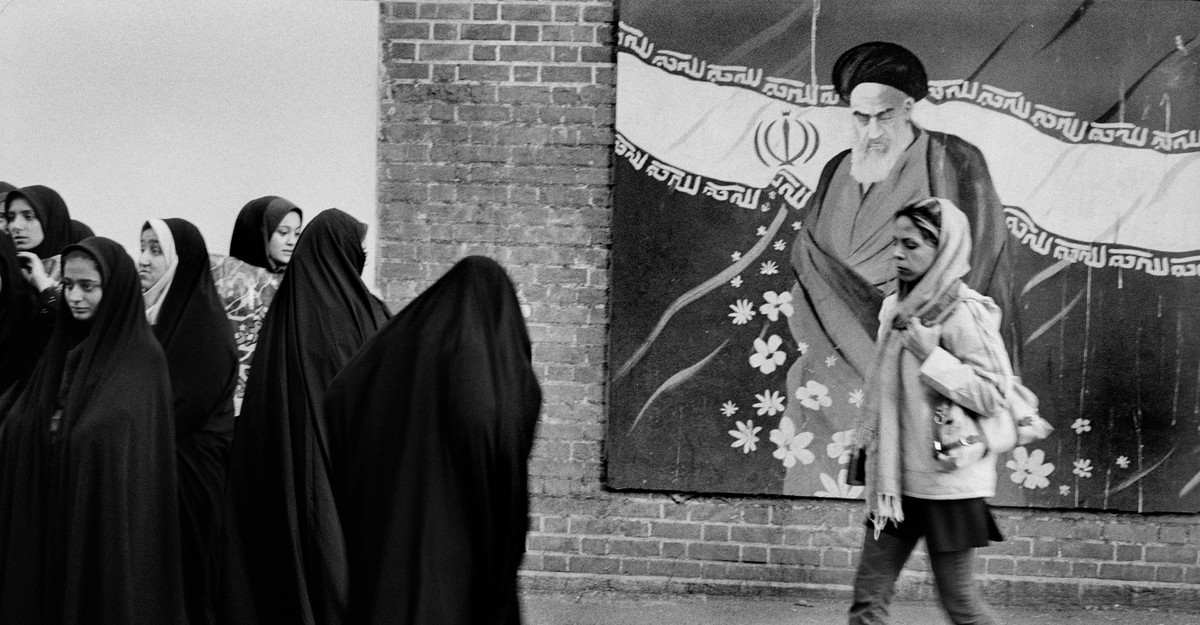
Time and time again, it is women who speak out in the face of state repression—whether they are doing so as journalists speaking truth to power, lawyers fighting for the rights of the oppressed, or everyday women taking to the streets in defiance of regimes that seek to strip them of their autonomy and human rights.
In this moment, I’m thinking of another group of women who spoke up: the many Epstein survivors. We learned Thursday that Trump had fired Pam Bondi from her position as attorney general, in part after reportedly growing frustrated with her handling of the Epstein files. In hearings, when asked why the DOJ failed to redact identifying information of survivors while redacting the names of powerful men implicated in the abuse, Bondi refused to answer the question. And adding insult to injury, she also refused to apologize to survivors present at the Senate committee hearing for the egregious and potentially intentional oversight. The courage of all these women is not to be underestimated. Women will continue speaking out—even when they face insults and pushback from the nation’s highest leaders, even when they are at risk of imprisonment and death.




Comments (0)