Dubai dream shatters: One in eight British residents has fled UAE since Iran war
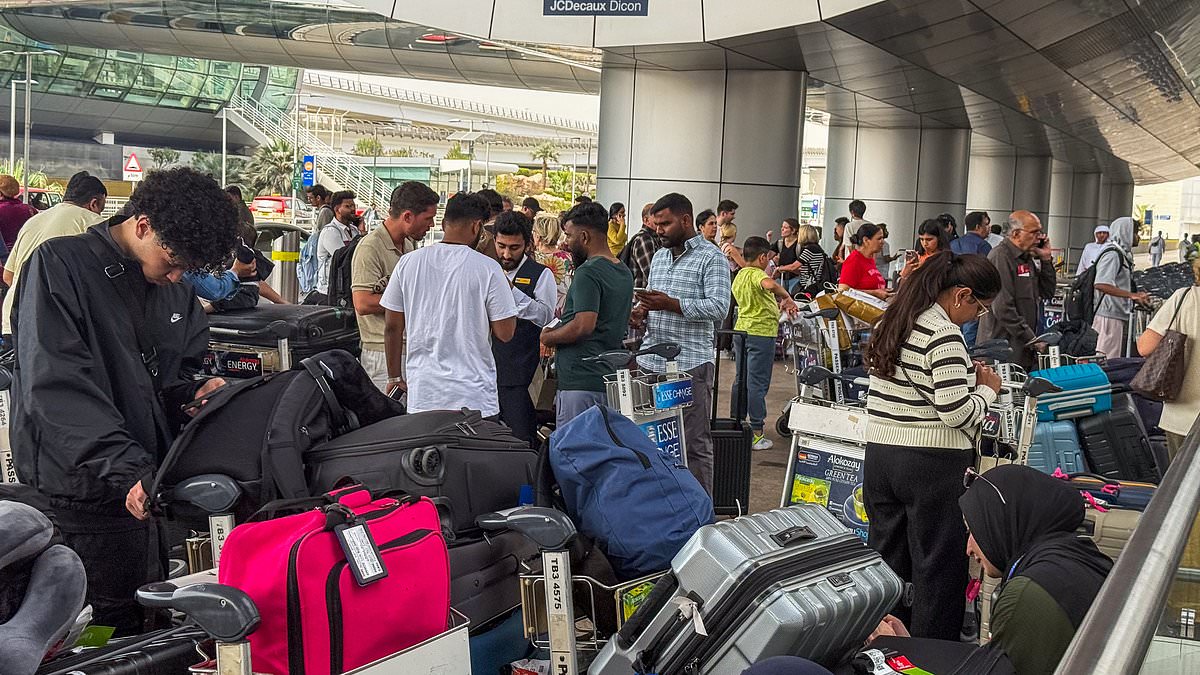
For thousands of Britons, the Dubai dream is beginning to unravel as one in eight residents have fled the United Arab Emirates since Iran's strikes across the region.Around 30,000 British residents are now outside the UAE, according to official estimates, marking a significant exodus from a country long marketed as a safe, tax-free haven.Before the war, about 240,000 Britons were in the UAE. But between 10 and 15 per cent of that population has since left, with many choosing not to return after the spring break as security fears grow.The scale of the departures lays bare how weeks of missile and drone attacks have shaken confidence in Dubai's image as a stable base in a volatile region.Long seen as a place of sunshine, low taxes and safety far from the turmoil of the Middle East, the emirate is now facing mounting doubts over whether that promise still holds.Expats say they are now planning to leave Dubai for good after missiles rained down on the United Arab Emirates, with some warning they will never return.Once sold as a tax-free haven of easy wealth, residents say the city's appeal has been shattered, with some declaring it is now 'finished'.The city, home to around 240,000 British expats, has been repeatedly targeted by Iranian missile and drone strikes, with Dubai hit by a large share of the attacks. For thousands of Britons, the Dubai dream is beginning to unravel as one in eight residents have fled the United Arab Emirates since Iran's strikes across the region. Pictured: Dubai Airport last month as stranded passengers were hoping to board flights to take them home This video grab taken from UGC images posted on social media on March 7, 2026 shows smoke rising from the Dubai International AirportExplosions have rocked the city, including strikes near the airport, while flights have been disrupted and businesses hit.At least six people have been killed and tens of thousands of residents and tourists have fled since the conflict began.One British resident of 16 years said 'the shine has definitely been taken off'.Celebrities have already begun quietly pulling out, with former England footballer Rio Ferdinand and his wife Kate returning to their luxury Portugal home, while Luisa Zissman complained she was in her 'refugee era' after leaving Dubai amid the strikes.Parents say the impact is already being felt in schools, where some pupils have not returned after the holidays and are instead continuing lessons remotely from the UK.One parent said a 'handful' of British children in their year group were now studying from home in Britain, while another claimed 'half of our son's friends are no longer here'.Others said they were reconsidering their future in the emirate altogether, citing safety concerns, job losses and uncertainty over when normal life will resume.Some families have already enrolled their children in UK private schools mid-term, opting to remain in Britain rather than return to the region.The UAE has sought to reassure residents that its air defence systems are intercepting most incoming missiles and drones, supported by Western allies including British and French fighter jets.'Many Brits have chosen to relocate temporarily to alleviate anxiety and share childcare and schooling with a home country support network,' Nigel Lea, a Dubai-based security consultant, told the Financial Times.But repeated alerts and strikes on civilian areas have eroded confidence in a country long seen as insulated from the turmoil of the wider Middle East.Dubai has for years relied on an influx of foreign workers, with expatriates making up the vast majority of the population, including tens of thousands of Britons.Education providers, which had been expecting steady growth in pupil numbers, have warned that the pipeline of new students has stalled as families reassess their plans.One industry source said some families who had left were unlikely to return, raising concerns over long-term demand.Officials have insisted the country will recover once the war ends, with senior figures saying the UAE would 'come back very strong' after the conflict. Celebrities have already begun quietly pulling out, with former England footballer Rio Ferdinand and his wife Kate returning to their luxury Portugal home, while Luisa Zissman (pictured) complained she was in her 'refugee era' after leaving Dubai amid the strikesBut for now, the numbers point in the opposite direction.The departure of tens of thousands of Britons, combined with stalled arrivals, marks one of the clearest signs yet that Dubai's appeal has been dented by the conflict.For a city built on the promise of stability, safety and opportunity, the sudden outflow of residents is a stark warning.And the disruption is being felt across daily life.Many expatriates who have left are choosing to sit out the war in Britain, relying on family networks while uncertainty remains over when schools and workplaces will fully reopen.Some had already secured places in UK private schools, with demand rising as families abandon plans to return before the end of the academic year.In Dubai, school operators have pushed to resume face-to-face teaching for pupils sitting key exams, but regulators have signalled it is highly unlikely classrooms will reopen soon given the security risks.The pause has deepened concerns in a sector that had been banking on continued growth, with international schools expanding rapidly to cater to rising demand from foreign families.Projects including new British-branded schools are still officially going ahead, but the conflict has cast doubt over how quickly they will fill places if the flow of expats slows.Investors say new enrolments have effectively been frozen, while withdrawals have ticked up as families quietly relocate.At the same time, the wider expat community faces an uncertain future.While many residents take reassurance from the UAE's air defences, which have intercepted the vast majority of missiles and drones, the near constant alerts and visible strikes have taken a psychological toll.The targeting of civilian sites, including hotels and industrial areas, has further undermined confidence in Dubai's reputation as a safe haven.Much may now depend on how long the conflict lasts and whether stability returns to the region.For years, Dubai sold itself as a place insulated from the chaos of the Middle East.But with thousands of Britons already gone and others weighing their options, that promise is now being tested like never before.






Comments (0)