
Remember me








Life is full of rules – even, it seems, about how to dress well. Don’t do this… Never do that… Get out of there, it’s the woman’s section… Dig a little deeper though, and some of the supposedly unbreakable rules of dressing are not very smart at all. Or, at least, should long ago have been consigned to the textile off-cuts bin of history.
Why, for example, can’t one wear brown in town, as one outdated style rule has it? There’s no good reason – which is why the rule is fading away, leaving those who still judge a man by this dictum stuck in the past.
We’re not saying these rules, if followed, don’t afford a stable, somewhat sober, middle-of-the-road, anonymous form of dressing that would see you good – especially if you lack any imagination of your own. But relax. Let’s not forget that surely the golden rule above all golden rules is that, given complete freedom, dressing is about self-expression.
After all, some of the most stylish men in history are considered so precisely because they didn’t give a hoot about the rules: hiking boots with my suit? Check. Wearing my watch over my shirt cuff? Hell yeah. Wearing that button-down shirt collar unbuttoned? You’re on. Turning my shirt collar up? Okay, let’s talk about that one.
This is why every style rule needs a periodic reassessment. Does it still help, or merely restrict? You decide.
Never Wear Brown In Town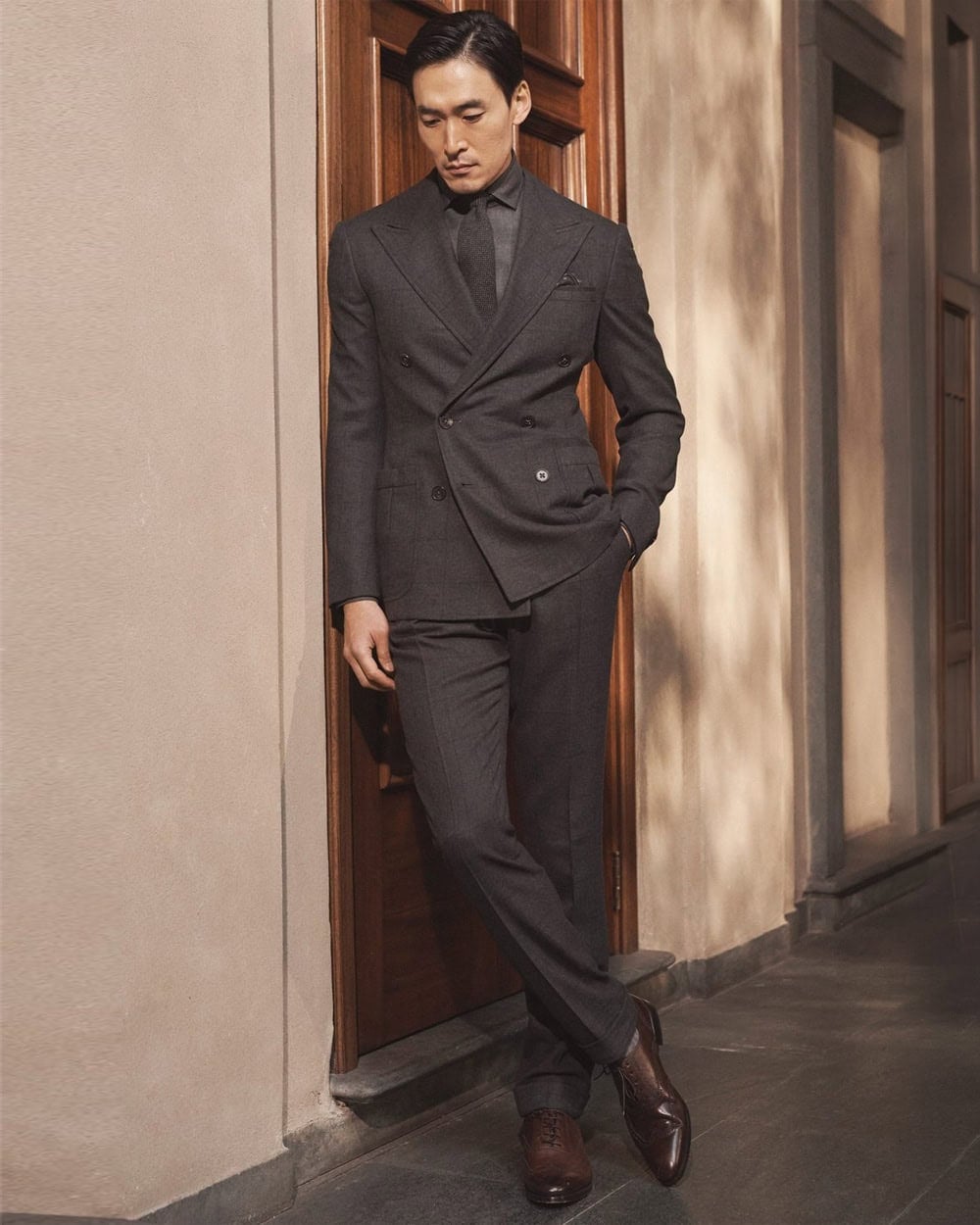
Ralph Lauren
One of the oldest style rules in men’s dressing – so old, in fact, that it hails from a time when men wore bowler hats to work in London’s financial quarter – is that one should never wear brown shoes in a city environment. Remarkably, some City institutions still maintain this belief, even to the cost of sartorially wayward job interviewees’ dashed hopes. Brown, they say, is strictly for your weekends in the country.
First off, how many of us really have lives split between time in our urban pied a terre and that spent in our bucolic pile? Secondly, have you ever tried wearing black shoes with anything other than a black, very dark navy or grey suit? It looks like you forgot to put the rest of your school uniform on.
We say embrace the brown, or the tan, or the slightly orangey.
Never Mix Black And Navy
Velasca
Few rules have hung around longer, or more stubbornly, than the idea that black and navy should never be worn together. Supposedly, they clash. Supposedly, they confuse the eye. Supposedly, they’re just… wrong.
In reality, it’s one of the easiest ways to look quietly put together. The key is contrast. A deep navy coat over a washed black knit, or black trousers with a navy blazer, creates depth without shouting about it. It’s subtle, grown-up and far more interesting than defaulting to safe combinations.
If anything, avoiding it now feels more dated than embracing it.
Sneakers Don’t Belong With Tailoring
Reiss
Once upon a time, wearing trainers with a suit suggested you’d either forgotten your proper shoes or given up halfway through getting dressed. It was a sartorial compromise at best.
Now, it’s standard practice. Minimal leather sneakers have become the go-to pairing for soft tailoring, offering a relaxed alternative to loafers or Derbies. The shift mirrors the wider casualisation of menswear, where comfort and ease are no longer at odds with looking sharp.
The only caveat? Keep them clean, simple and firmly out of gym territory.
You Can’t Wear Socks With Loafers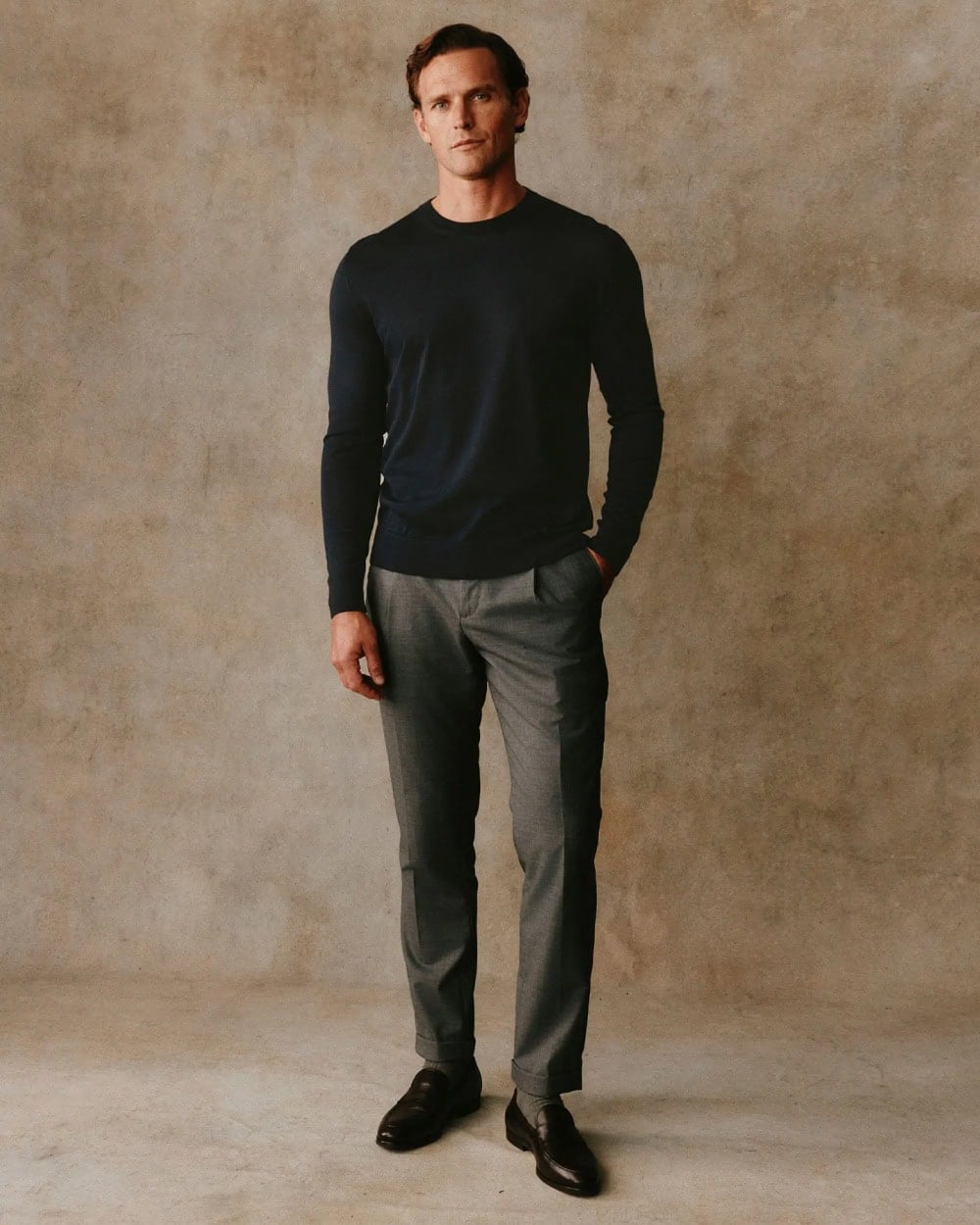
Luca Faloni
The no-socks-with-loafers look had its moment. Cropped trousers, bare ankles, a bit of Riviera flair. Great in theory. Less so in practice, especially outside of peak summer.
Thankfully, the tide has turned. Socks with loafers are not only acceptable again, they’re encouraged. A ribbed cotton or fine wool sock adds texture, breaks up the outfit and makes the whole thing feel more considered.
And, crucially, far more comfortable. Style shouldn’t come at the expense of basic circulation.
Slim Fit Is Always More Flattering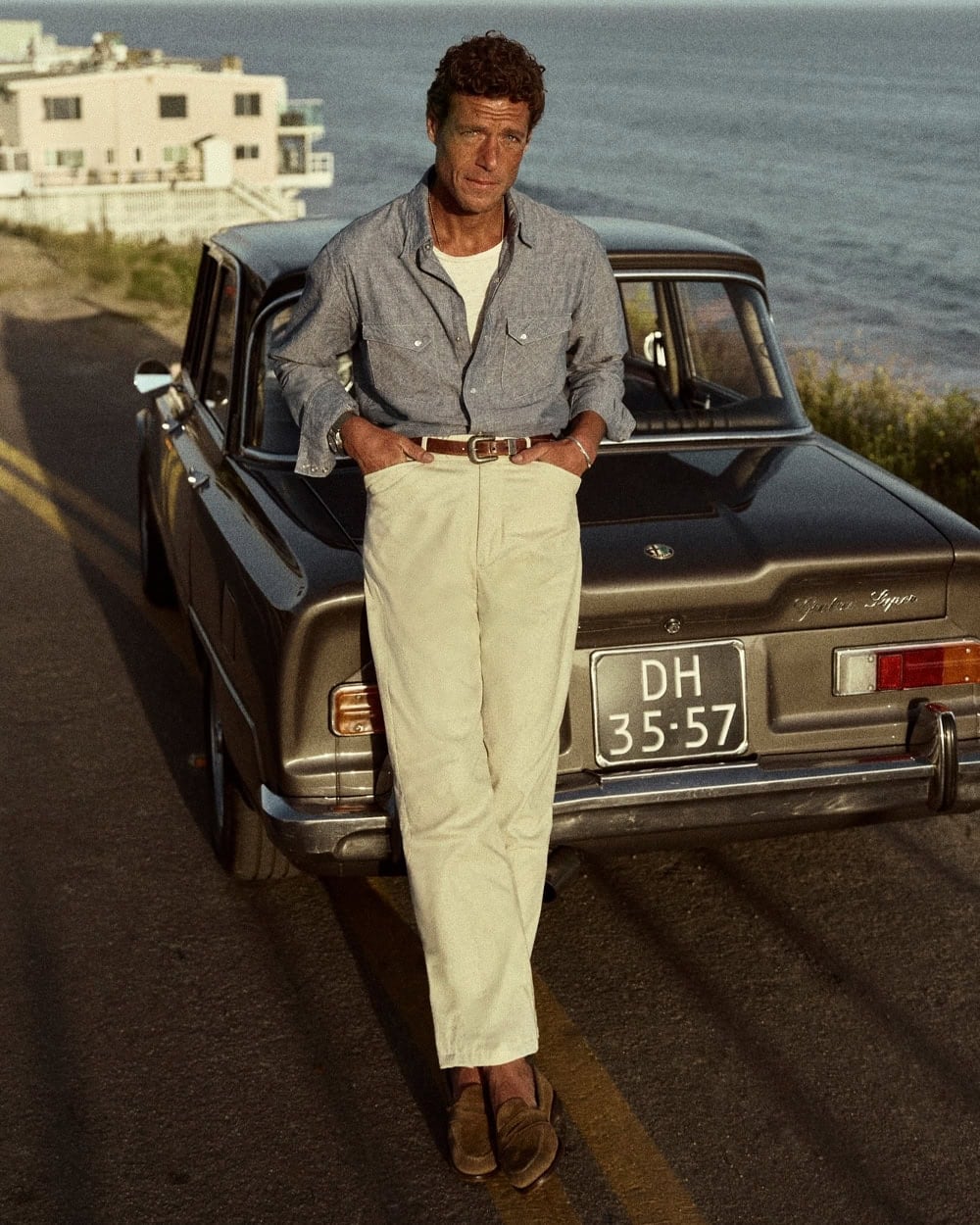
Buck Mason
For years, slim fit was sold as the answer to everything. Sharper, cleaner, more flattering… or so the thinking went. Anything looser was dismissed as sloppy or ill-fitting.
But the pendulum has swung. Relaxed cuts, wider trousers and boxier silhouettes now feel far more current, offering comfort and a better sense of proportion. The trick is balance rather than cling—clothes that follow the body without restricting it.
In other words, flattering no longer means tight.
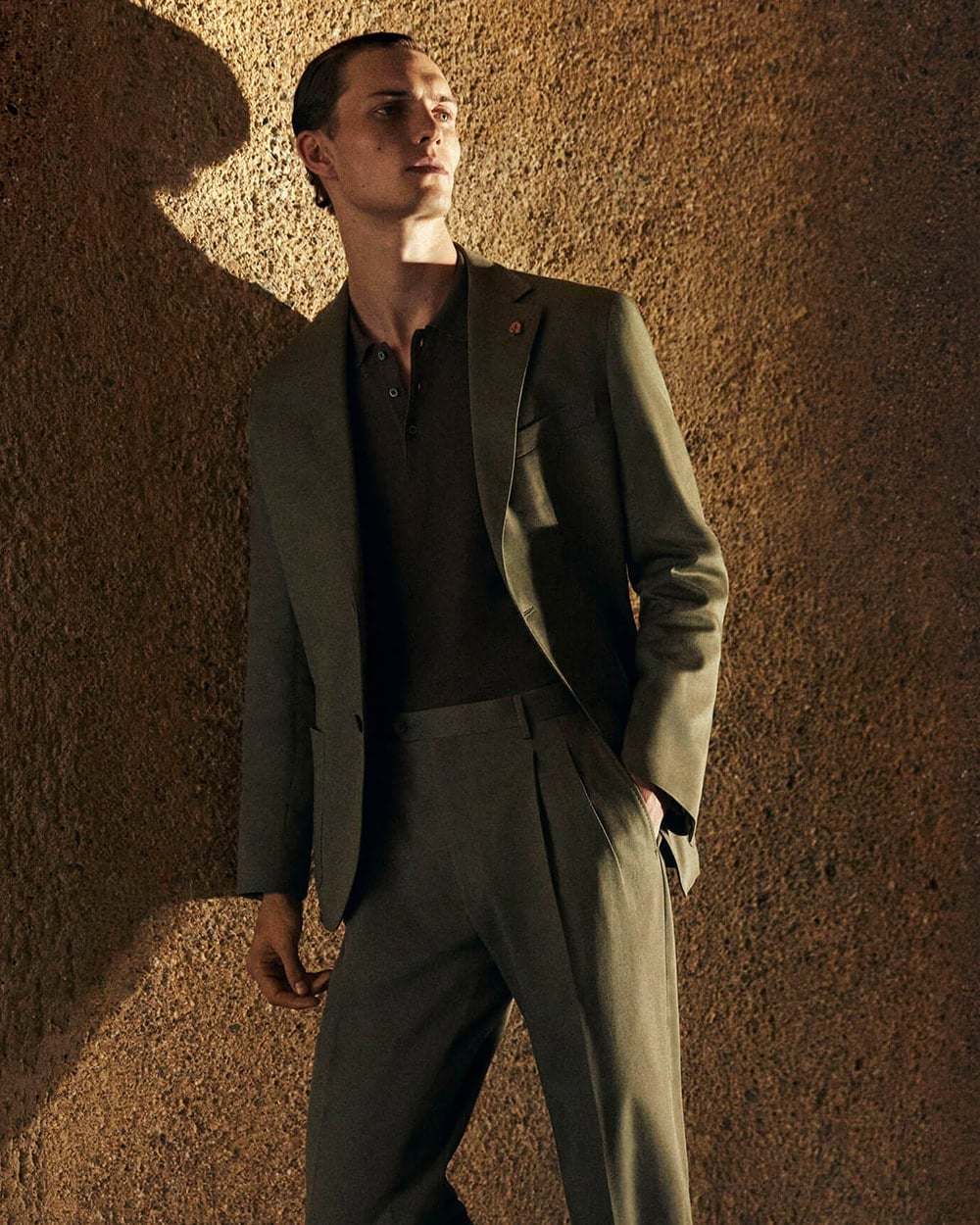
Corneliani
The rule says you should only ever do up the middle of the three buttons on your suit (or the top one on a two-button suit). Why? Nobody knows, though maybe, just maybe, with perfectly cut tailoring it might just enhance the waistline. But then, if the other buttons are never done up, why have them at all?
Actually, which buttons are done up has long been a matter of fashionable debate: Italians in the 1990s loved doing up just the top button of the three; there was a phase – see David Byrne c.‘Stop Making Sense’ – of doing up all three. The same applies to always needing to button a double-breasted suit (or buttoning up at all on a single-breasted version, for that matter).
You Should Dress Your Age
Buck Mason
This is one of those rules that sounds sensible until you actually try to define it. What exactly are you meant to wear at 30? Or 40? Or 60?
In reality, the idea of ‘dressing your age’ is outdated. Style today is far more fluid, with the same pieces – denim, knitwear, tailoring, sneakers – working across generations. What matters is how you wear them, not when you were born.
Good taste doesn’t have an age limit. It just requires a bit of self-awareness.
White Is Only For Summer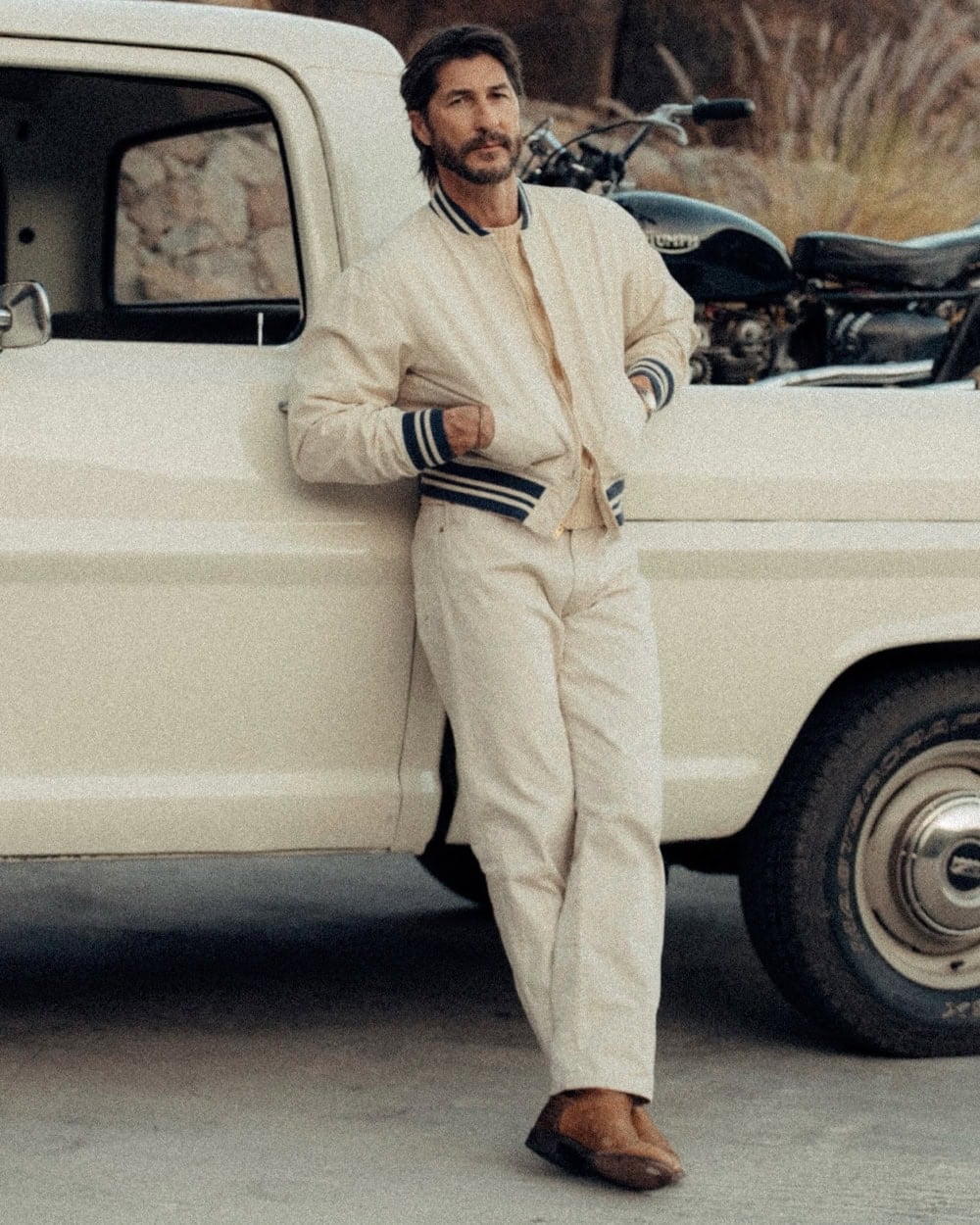
Buck Mason
Much like the American ‘no white after Labour Day’ rule, the idea that white is strictly a warm-weather colour feels increasingly irrelevant.
In fact, white often looks better in colder months. Off-white denim, ecru knitwear and winter-weight trousers bring lightness to otherwise dark, heavy outfits. It’s an easy way to break up layers of navy, grey and black without overthinking it.
Seasonal dressing still has its place, but rigid colour rules don’t.
Novelty Is A No-No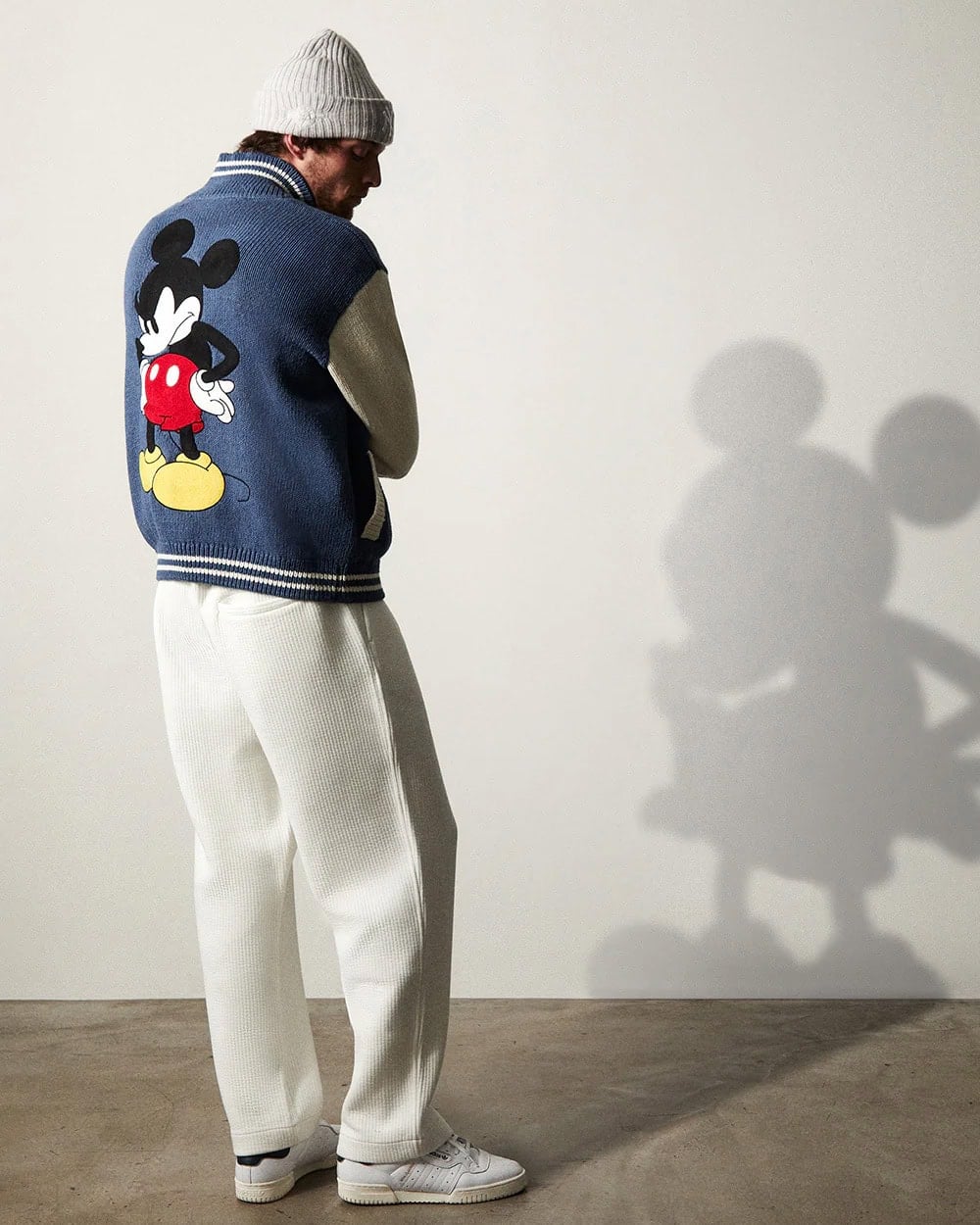
KITH x Disney
It’s easy to conclude that Mickey Mouse socks, Transformers underwear and a tie that’s been printed to look like a big fish push at the boundaries of good taste. But then good taste is, in effect, a kind of received wisdom, a collective understanding of entry-level sophistication. It’s also a product of time, place and culture.
What the prohibition on novelty is really about is a fear of boyish playfulness sustained into serious adulthood. Well, screw them. Playful design now abounds everywhere, from streetwear to once austere tailoring labels. Life is too short to skip anything that raises a smile, even (or especially) if it’s only you smiling.
Don’t Wear Jeans With A Blazer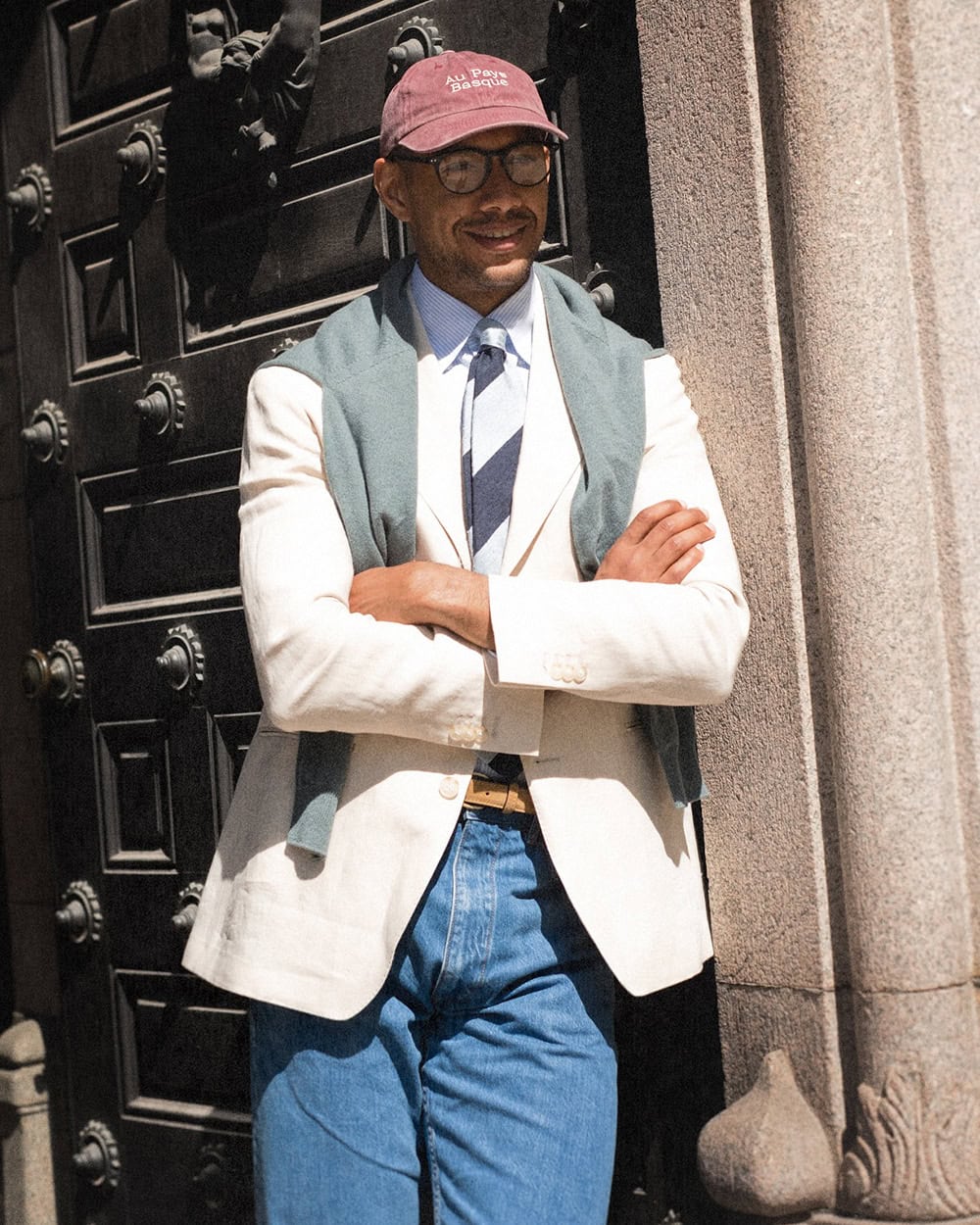
Blugiallo
This is exemplary of how style rules, once so hard and fast, actually mutate and evolve. Long mocked as the uniform of the middle-aged man who wanted to look, you know, a bit cool (hello, Jeremy Clarkson), this mixing and matching of the essentially formal with the essentially informal was considered desperately try-hard.
But then look at what happened: the mixing and matching of the essentially formal with the essentially informal became the dominant mindset of menswear. Tailoring got softer. Denim got crisper. Worlds blurred and merged. And the right jeans with the right blazer looked – and still look – perfectly fine, thanks very much.
To give the look a retro-modern twist of 1980s sartorialism, pair a light-wash pair of jeans with a boxy or oversized jacket.
Your Belt And Shoes Must Be The Same Colour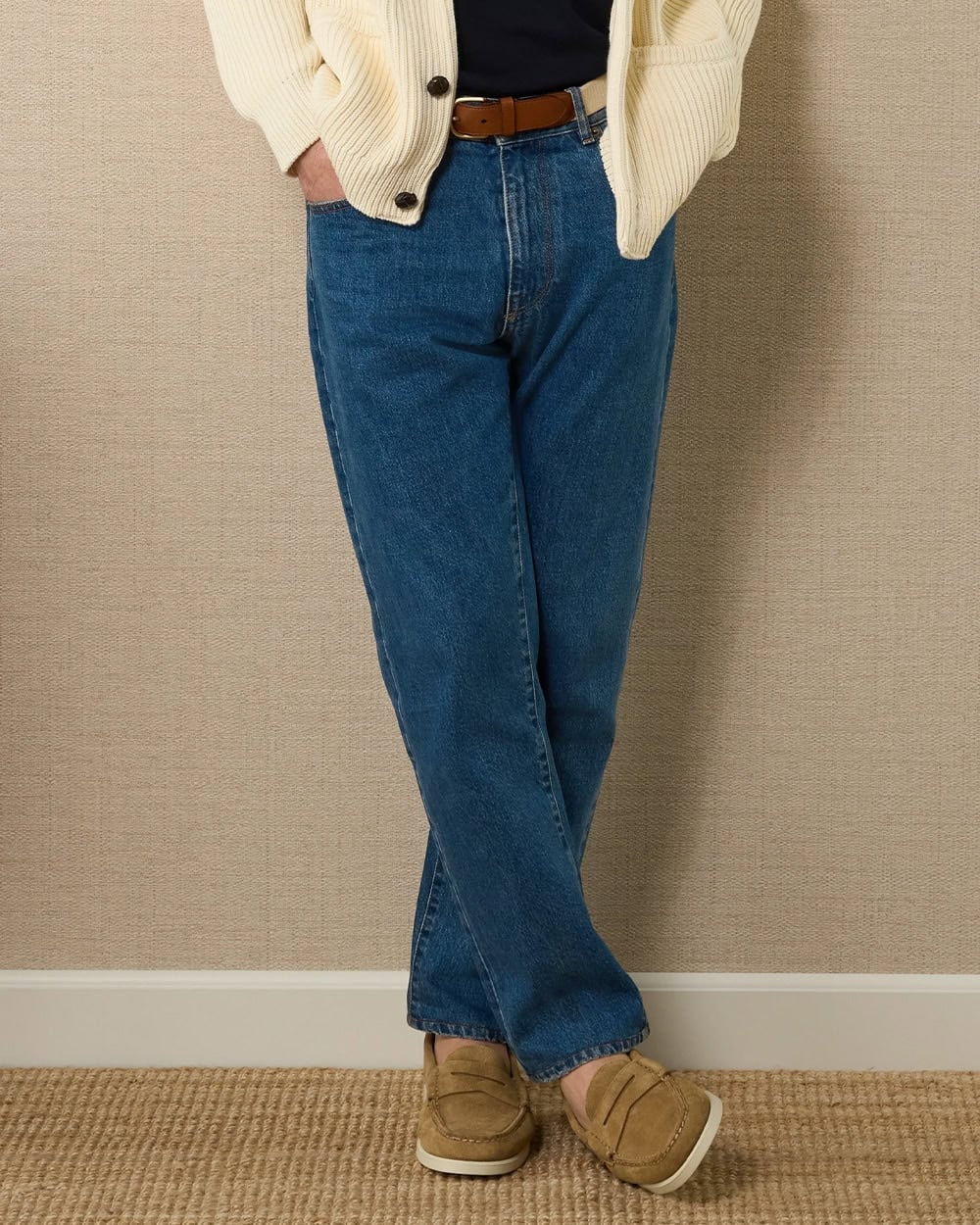
Velasca
Makers of style rules have something of an obsession with matchiness – this must go with that, or else… Well? Or else what? Wearing the same colour belt as shoes may create a sense of completion in your attire, but it’s also a rather pedestrian way of dressing too.
How about, instead, a more tonal approach, with the shade of one being complementary to the other, but not necessarily being the same. It is, after all, such points of difference that make any outfit interesting. Not for nothing did style icon Fred Astaire use a tie as a belt. This definitely did not match his shoes. Did he look, as Cole Porter had it, the top? Absolutely.
Always Wear A Tie With A Suit
Brunello Cucinelli
You do this because, well, your father did. And his father before him. The tie was as much part of the formal uniform as polished shoes and an ironed shirt. Indeed, thanks to Croat mercenaries wearing the proto-cravat many centuries ago, the tie comfortably predates the modern suit, so perhaps we should be saying “always wear a suit with a tie”.
But the only argument for wearing a tie with a suit, as typically put forward by tailors, is that it ‘completes’ the look, or fills the now glaring gap left between the lapels of the jacket. It’s not a hugely convincing standpoint, nor a particularly contemporary one.
Wear your suit with a knitted polo, or a roll-neck sweater, or a crew-neck tee, or with the shirt done up to the neck. You really don’t have to wear a tie.
Comments (0)