
Remember me








Walk the halls backstage at any fashion show and it’s clear that there’s a tremendous amount of pressure to perform.
Models are expected to stay thin. They’re expected to stay relevant. They’re expected to stay “on.”
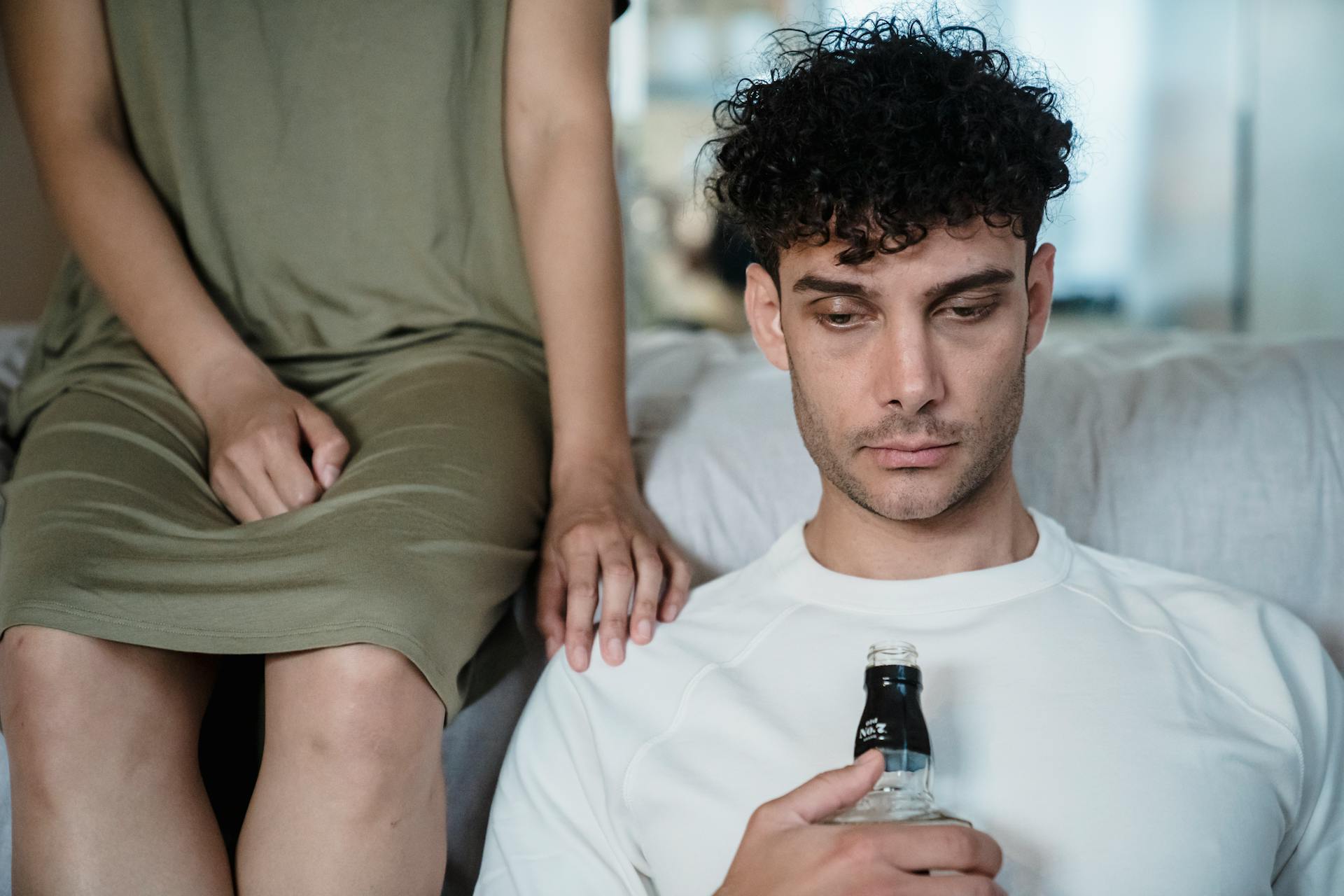
It’s no surprise that many people in the fashion industry turn to substance abuse.
But runway pressure isn’t the only type of pressure that fuels addiction.
High-stress jobs and industries of all kinds are fueling addiction at record numbers. The National Survey on Drug Use and Health found that in 2023, about 48.7 million people aged 12 or older suffered from substance use disorder within the last year.
If you or someone you know is currently struggling with addiction, it’s important to know that recovery is possible.
Millions of people have found recovery every single day. But in order to take that first step, you’ve gotta know what you’re really getting into.
Here’s what the path to sobriety actually looks like:
What high-pressure environments have in common How cognitive behavioral therapy for addiction works The recovery timeline you won’t hear about anywhere else How to build a support system that will SET YOU UP FOR SUCCESS Why High-Pressure Environments Fuel AddictionImagine working a job where you have crazy deadlines, are responsible for lives, and have to put on a smile for eight hours a day, five days a week.
Sound stressful? You bet.
When people are placed in high-pressure situations for extended periods of time, they look for ways to unwind. Some people exercise. Some people drink beers with friends. Others numb their emotions with drugs.
Problem is…
When substance use is utilized as a coping mechanism, the brain creates a reward circuit that associates stress relief with drugs or alcohol. What starts as casual use can quickly turn into dependency. Dependency leads to substance use disorder.
Cognitive behavioral therapy for addiction treatment is the reason why so many people find recovery.
Behavioral therapy helps patients understand and restructure the negative thought patterns that lead to substance abuse. At places like www.camelbackrecovery.com, addiction specialists use cognitive behavioral therapy to treat the root cause of addiction.
It looks something like this:
Stress trigger — a deadline at work, performance reviews, fashion week Negative thought pattern — “I can’t do this without something to unwind” Substance use — feel good feelings Guilt and shame –> stressCBT therapy aims to break that cycle by restructuring the negative thoughts so the person feels empowered to cope with life’s stressors without using.
Cognitive Behavioral Therapy Addiction Treatment, ExplainedCBT has been around for decades. Most people have heard of it. But what exactly is it?
Cognitive behavioral therapy for addiction is a form of psychological treatment that has been demonstrated to be effective for a range of problems including depression, anxiety disorders, alcohol and drug use problems, eating disorders, and severe mental illness. CBT focuses on challenging and changing unhelpful cognitive distortions (e.g. thoughts, beliefs) and behaviors, improving emotional regulation, and the development of personal coping strategies that target solving problems.
Put plainly, CBT is a way to change your thought patterns so that substance use isn’t the next logical step.
CBT for addiction involves three main steps:
Map out your “drug use chain” (triggers, thoughts, and behaviors) Use cognitive restructuring to change the way you think about drug use Develop coping skills so you can deal with triggers in a healthy wayHere’s the deal:
Studies have shown that CBT leads to significant improvements in substance use disorders when compared to no treatment. It’s received “strong recommendations” as a treatment option for addiction.
When you combine cognitive behavioral therapy with qualified addiction specialists, you get life-changing results.
The Recovery Timeline Nobody Tells You AboutThe scary part about drug use and addiction is this:
Once you take that first step, there’s no telling how long it will take to recover.
Some people spend months in rehabilitation facilities. Others suffer from substance use disorder for years before they decide to seek help.
The recovery process looks different for everyone.
But here are the basic phases of recovery:
Early Recovery (0-6 Months)Spend at least 90 days in recovery, they say.
Yea, they’re not kidding.
Whether you choose to spend 90 days in a rehabilitation facility or practice sobriety at home, the first six months of recovery are the hardest.
Your body is physically detoxing from drugs or alcohol. Your mind is being rewired to function without substances. Your emotions are fluctuating wildly.
It cannot be stressed enough just how difficult this stage of recovery is.
CBT and other forms of therapy are crucial during this time. Building healthy thought patterns and coping mechanisms before old habits kick back in is key.
Research shows that relapse rates for addiction range from 40%-60% during early recovery. The good news? Those numbers drop drastically after six months.
Sustained Recovery (6 Months – 5 Years)Congratulations! You made it through the worst part.
Depending on the substance(s) used, your body will probably always crave drugs or alcohol. But instead of giving in to cravings, you’ll learn how to manage them.
This is the period of recovery where you start rebuilding your life.
You form healthy habits. Rebuild relationships. And reestablish your career.
Stick to healthy habits developed during early recovery and you’ll be set up for a lifetime of sobriety.
Long Term Recovery (5+ Years)Did you know that after five years of continuous sobriety, chances of relapsing drop below 15%?
It’s true.
Studies show that long-term recovery is not only possible, but likely if you never stop the work.
Never stop going to therapy. Even if you feel 100% once you get clean, you should always be working on yourself.
Don’t skip support group meetings. Speaking to others every day will keep you grounded and accountable.
Stay connected to your recovery community. There’s always gonna be someone who has been where you are. Don’t be afraid to lean on them.
How To Build A Recovery Support System That Will SET YOU UP FOR SUCCESSIf you want your recovery to be successful, you need to find a great treatment center.
Don’t have health insurance that will cover treatment? You can still find recovery. Here’s how.
A strong support system includes:
Professional treatment (therapy, cognitive behavioral therapy) Peer support groups Friends and family you can trust Structured aftercareOne thing you won’t hear anywhere else:
Your environment has a huge impact on your recovery.
Take cues from any successful rehab center. They remove all of your triggers. You shouldn’t have to do that alone. Ask for help moving away from bad influences or quitting your job.
Social support has been shown to increase abstinent days and decrease risk of relapsing to drug use. Again, science facts.
Wrapping Things UpWhen you work in a high-pressure environment, it’s easy to get caught up in your work and forget to live your life.
If drug use has become your coping mechanism, now is the time to seek help.
You can (and will) beat your substance use disorder. But you’re not going to do it alone.
There are millions of people just like you that are looking to help. Don’t be afraid to reach out.
CBT for addiction has changed countless lives by altering the way people think about drugs or alcohol.
To recap:
Stressful environments = causes someone to search for ways to unwind or relieve stress Cognitive behavioral therapy restructures thought patterns that lead to substance abuse Rehab is tough but gets MUCH easier with time Stay connected to your support system Recovery takes work, but work pays off
Comments (0)