
Remember me








A powerful union has demanded emergency work-from-home rights in a series of demands as war in the Middle East sends oil prices soaring.
The United Services Union (USU) will front the NSW Industrial Relations Commission on Thursday, pushing for temporary award conditions for 55,000 staff across the state's 128 councils.
The union argues workers are being crushed by spiralling fuel costs and will campaign for changes, including four-day work weeks and higher fuel subsidies.
The union is seeking a special 12‑month 'fuel crisis' splinter award that would be automatically triggered whenever unleaded petrol climbs above $2 a litre.
It marks the second formal push for emergency workplace conditions sparked by the oil shock, following an earlier bid by truck drivers demanding dozens of transport clients cover unprecedented fuel price hikes.
The move comes amid escalating volatility in the Middle East.
A ceasefire agreed on Wednesday between the United States, Israel and Iran quickly unravelled after Israel continued strikes in Lebanon, while the reopening of the Strait of Hormuz proved short‑lived.
Under the proposal, council workers would be allowed to work from home up to five days a week where practicable, dramatically reducing the need to commute.

Four in ten council workers said they were paying at least $50 more each week to fill up their tanks, while one in five reported fuel bills had jumped by more than $100 a week

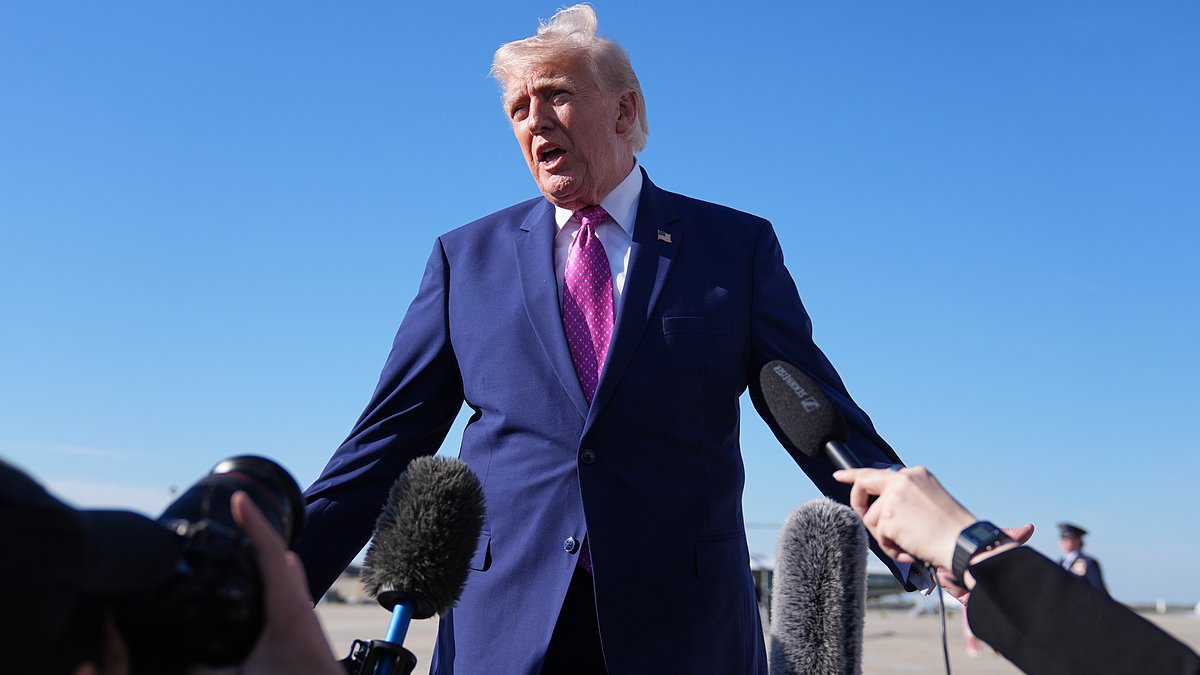
US President Donald Trump's (pictured) ceasefire quickly unravelled after Israel continued strikes in Lebanon, while the reopening of the Strait of Hormuz proved short‑lived
The union is also pushing for a four‑day working week option, with staff working slightly longer hours on remaining days to eliminate one daily commute.
In addition, the USU wants fuel subsidies for council workers raised to $1.25 per kilometre, up from the current 83 cents to help offset ballooning petrol costs for employees who must travel for work.
If approved, the application could set a precedent for other white‑collar industries and trigger a broader shift in how Australian office workers operate during periods of economic shock.
USU general secretary Graeme Kelly said workers are being forced to carry the burden of the crisis, while those at the top continue to post record profits.
'Workers are being hit from every direction, housing, fuel and groceries. It's becoming impossible to keep up,' he said.
'Our members shouldn't have to choose between filling up their car, paying the rent or putting food on the table.'
Mr Kelly said rising interest rates were piling further strain on working families while doing nothing to tackle what he described as the real causes of inflation.
New survey data shows the cost‑of‑living crunch is already forcing council workers to breaking point, with half of all council employees struggling to even get to work because of soaring fuel prices.

If the union bid is approved it could set a precedent for other white‑collar industries
The union wrote to all 128 councils last week, asking them to consider work-from-home for staff who can do so and to consider four-day weeks for those who cannot.
However, a NSW Local Government Association spokeswoman said the fuel price impact on councils varies widely, meaning there isn’t a one-size-fits-all solution.
'We understand the union's position in wanting to advocate in the best interests of their members,' she told the AFR.
'Councils across NSW are already managing the impact on their staff appropriately at this time.'
On Wednesday, the Fair Work Commission granted the Transport Workers Union an urgent hearing as the fuel crisis threatens to cripple the trucking industry.
The union is seeking orders forcing retailers, manufacturers and mining companies to conduct weekly fuel price reviews, tied to figures published by the Australian Institute of Petroleum, with the soaring costs to be paid by clients and passed down through the entire supply chain.
TWU national secretary Michael Kaine warned the industry is on the brink of collapse, saying owner‑drivers and small operators are just weeks away from going under.
'Drivers who've been in this industry for decades have never seen it this hard,' he said.
'It is critical that we see fuel costs paid for by the top of the supply chain - the retailers, manufacturers and mining giants that are already increasing costs for customers, while truck drivers and businesses are struggling to hold on.