
Remember me


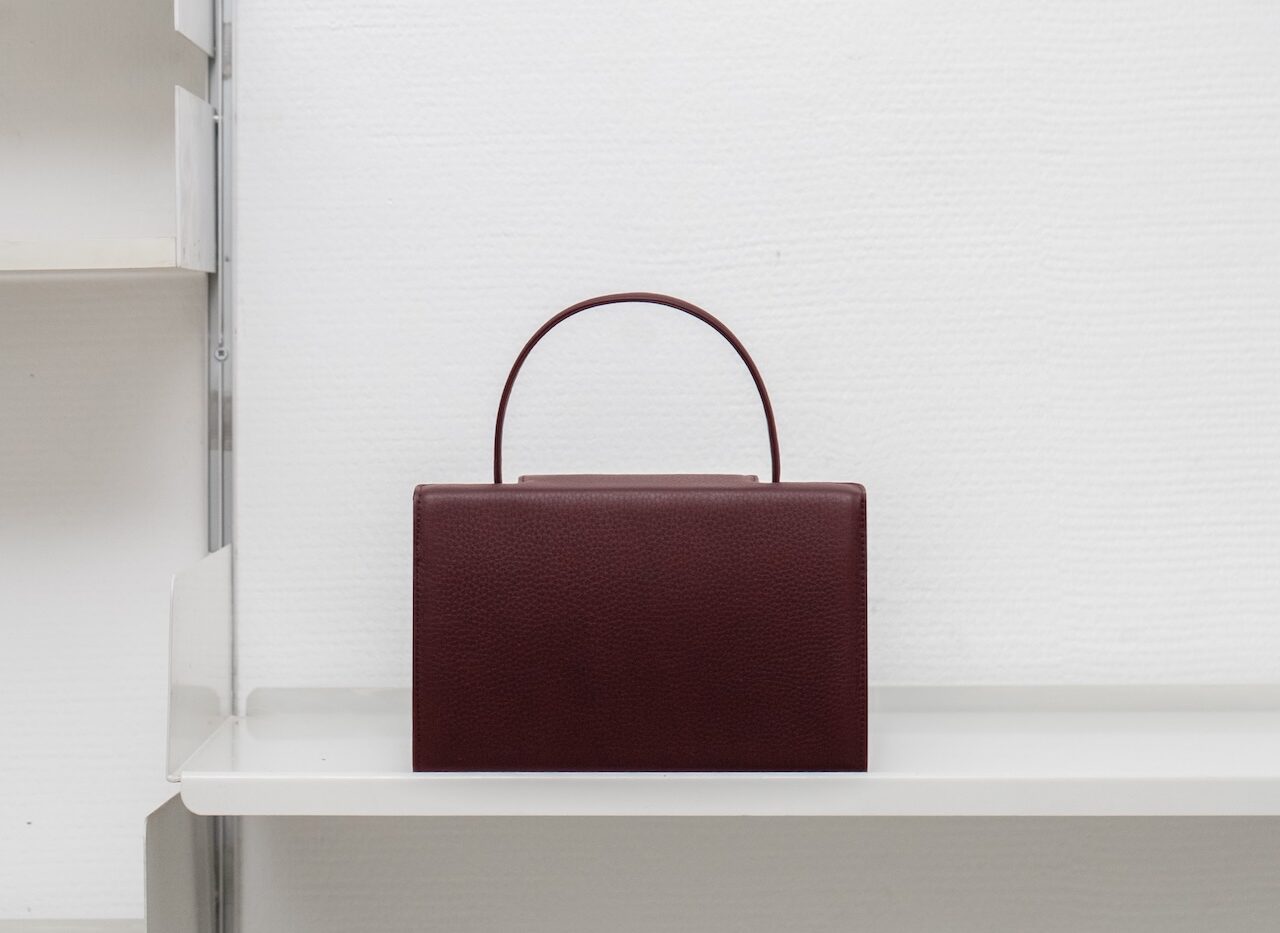
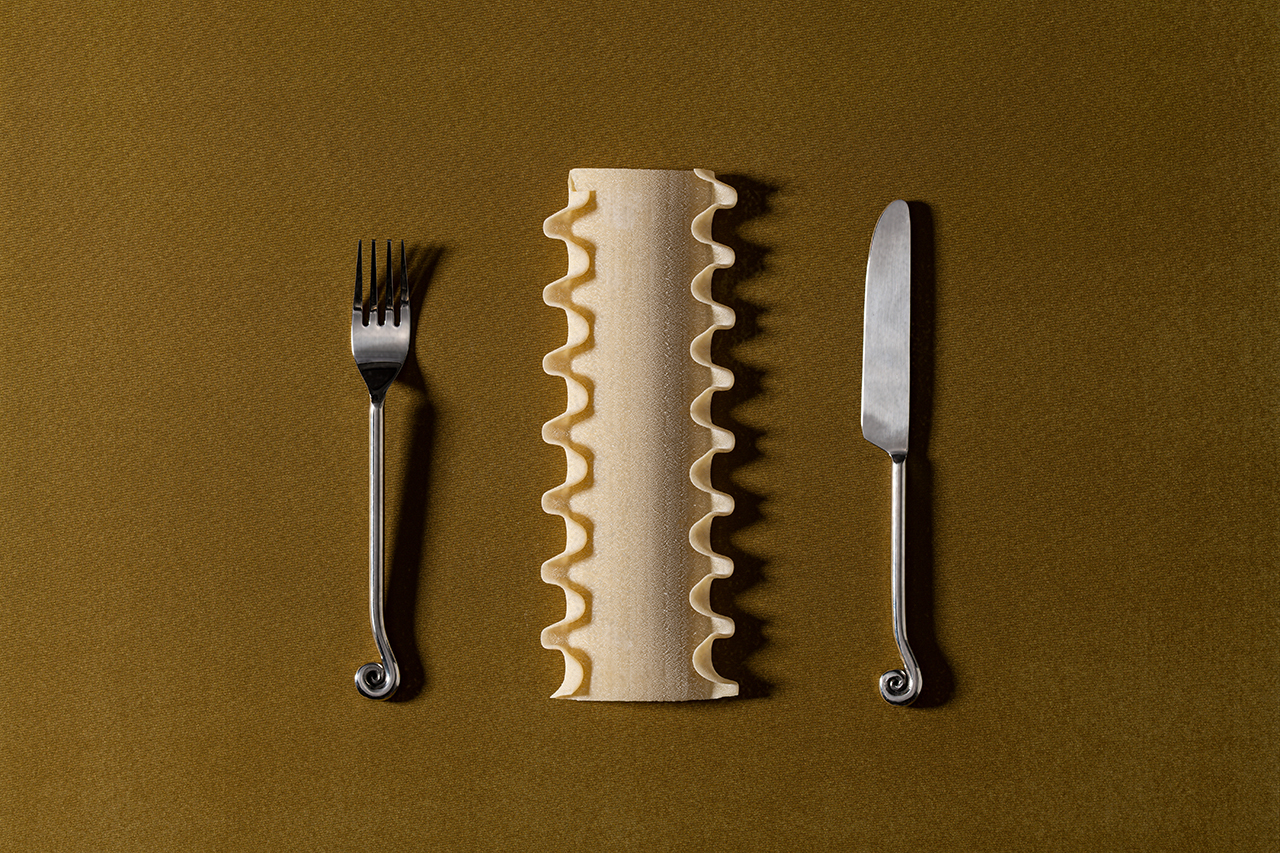
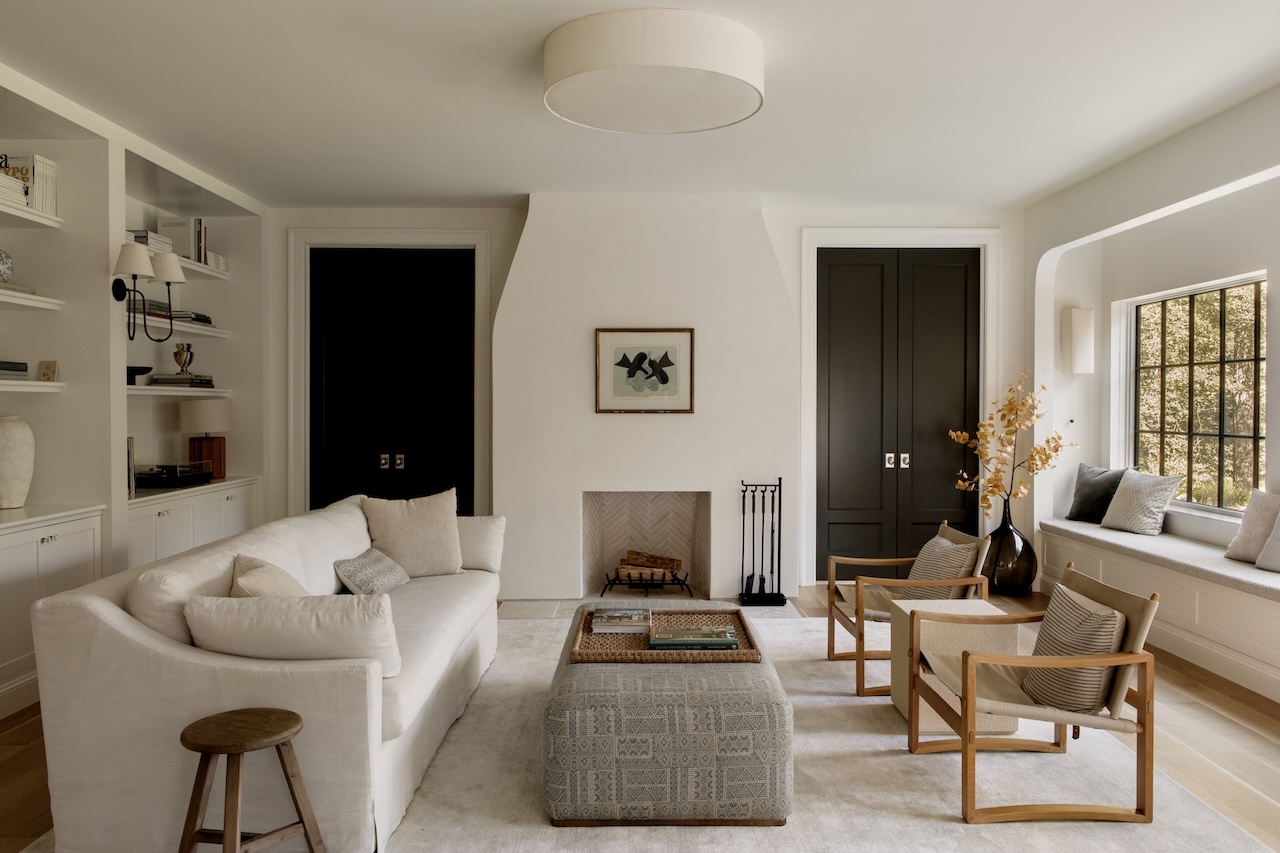

Anchored by the infamous Art Basel, Miami Design Week has long perfected the art of spectacle. It is a place where design and art operate as social currency as much as cultural production—where many collectors, curators, and the merely curious circulate with equal intent: to see and be seen. Booths gleam with pristine finishes and objects, often steeped in other-worldly design theories, carry an undercurrent of polish that signals their place within a rarefied ecosystem. It’s a stage set for cultural capital, where seriousness is often performed as much as it is practiced…Which is precisely what makes IKEA’s return feel so disarming.
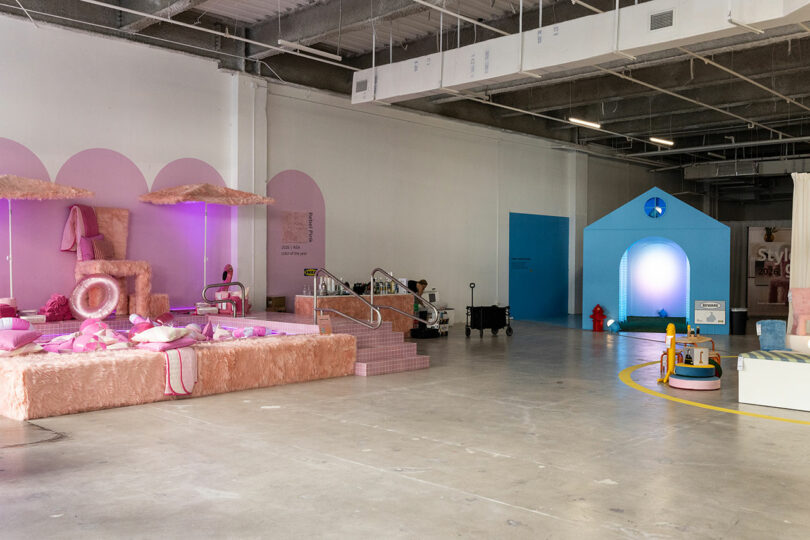
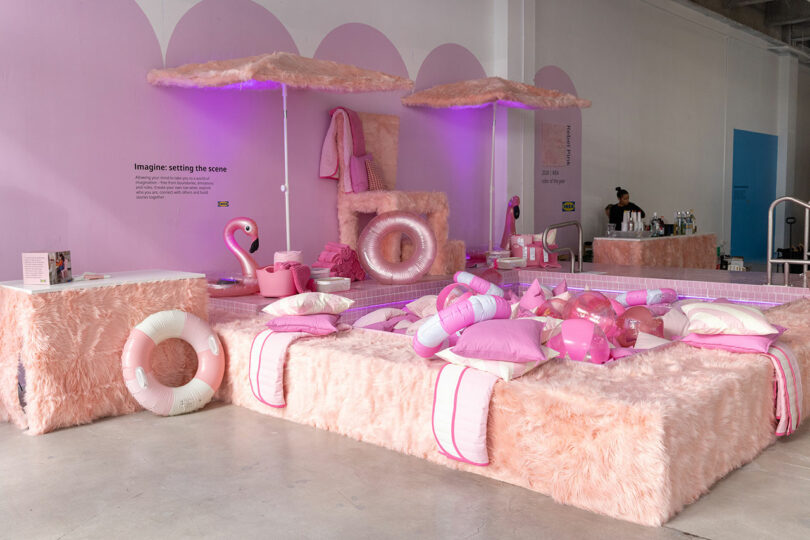
With the debut of GREJSIMOJS, the Swedish giant steps into this atmosphere by loosening its collar entirely. Fur spills over familiar forms. Storage grins back with a set of teeth. Lamps take on personalities. In a setting where objects are often meant to be admired at a distance, IKEA invites touch, humor, and—perhaps most subversively—play.
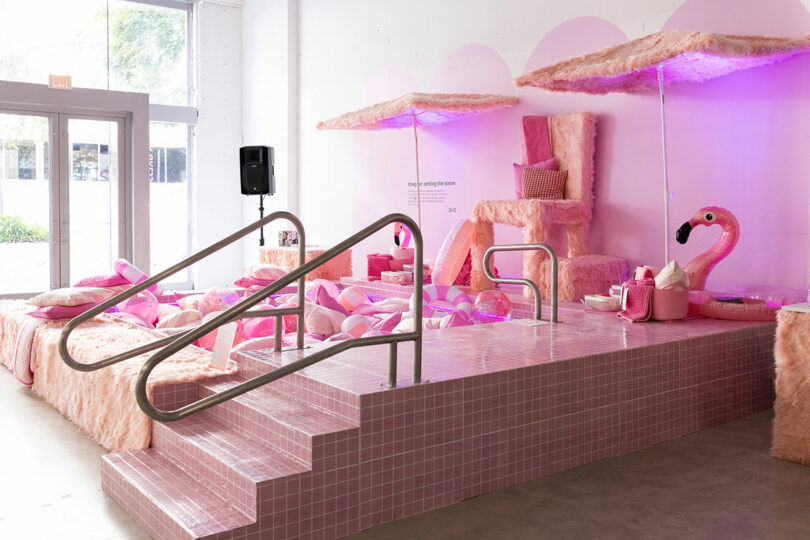
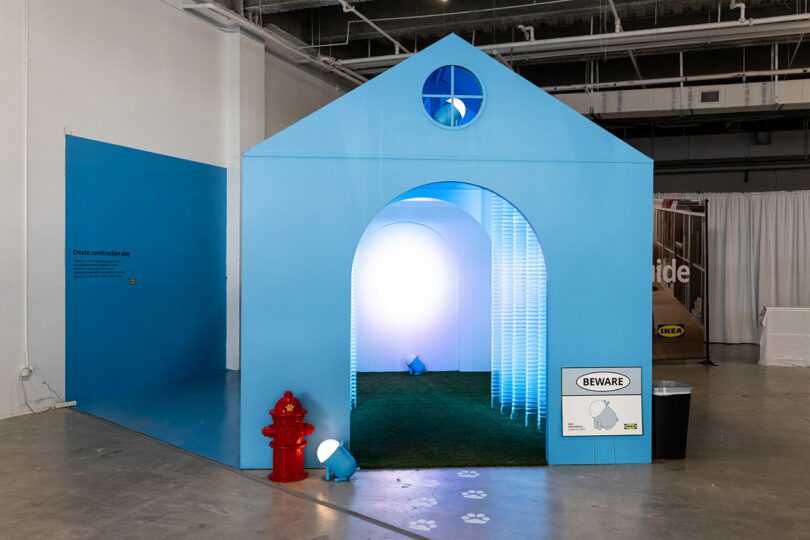
At a fair synonymous with exclusivity, IKEA’s presence reads as an unlikely disruption. Yet GREJSIMOJS—loosely translated as “thingamajig”—doesn’t attempt to mimic the polished restraint of collectible design. It rejects it outright. The collection leans into a childlike logic: objects are not fixed in meaning, but fluid, emotional, and open-ended. A chair grows fur. A pouffe reveals a mouth. A lamp becomes a creature. Function dissolves into narrative.
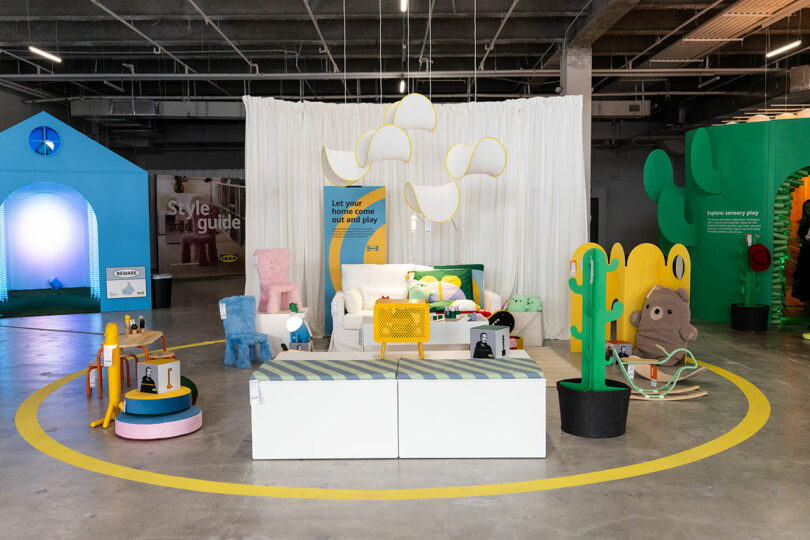
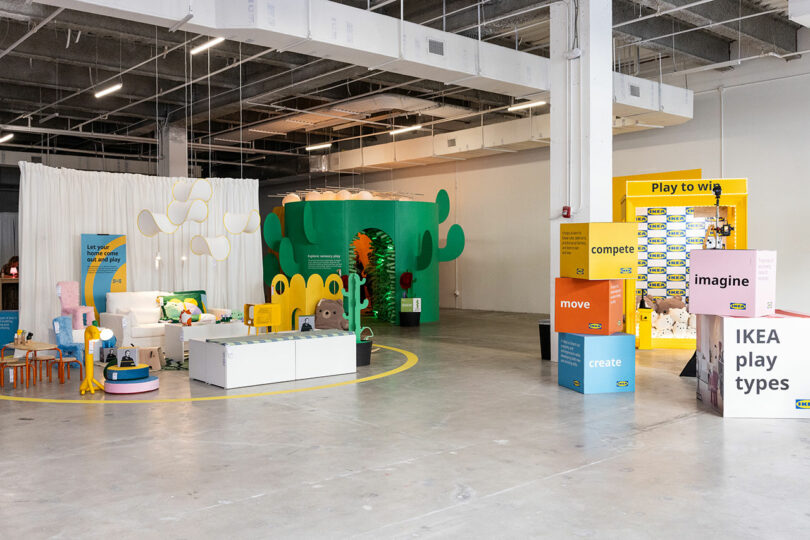
This ethos is rooted in something deeper than aesthetics. The collection emerges from IKEA’s global Play Report, which reframes play as an essential human behavior rather than leisure. The in-depth research argues for the fostering of creativity, connection, and cognitive development well into adulthood. As collection designer Carl Öjerstam notes, play is not something we outgrow; it evolves with us, shaping how we imagine, compete, create, and ultimately move through the world.
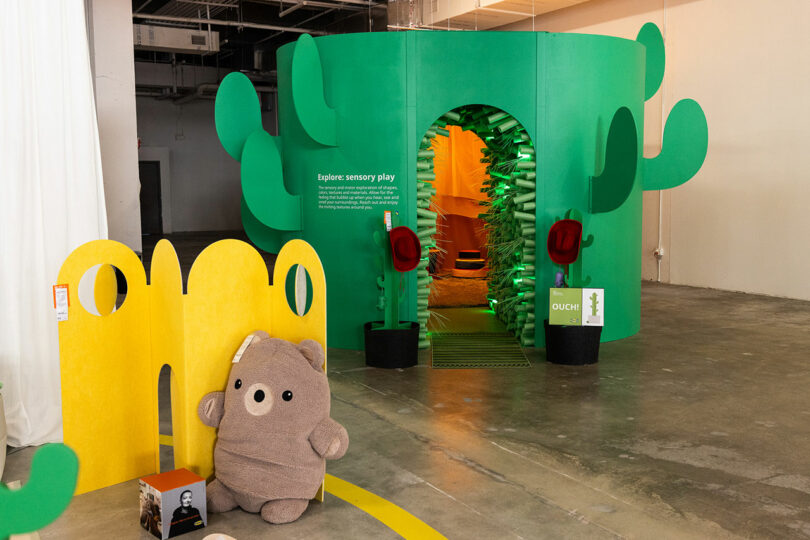
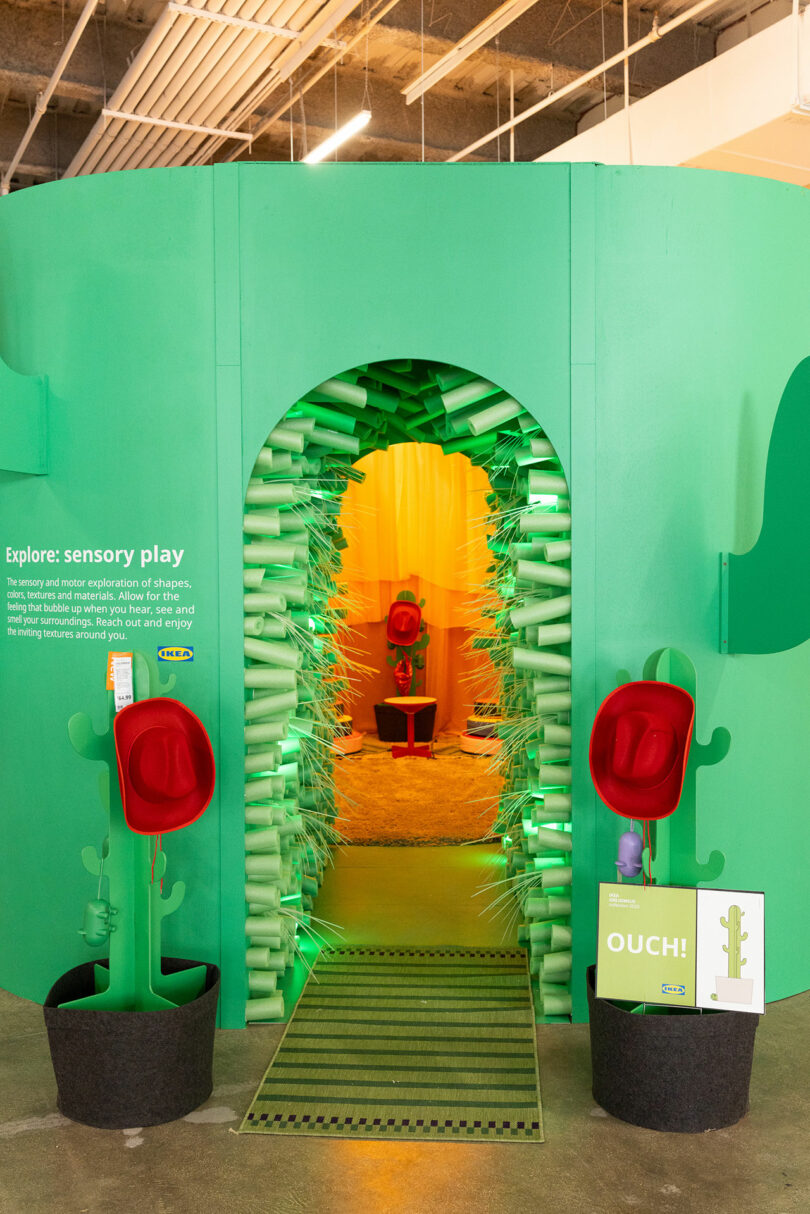
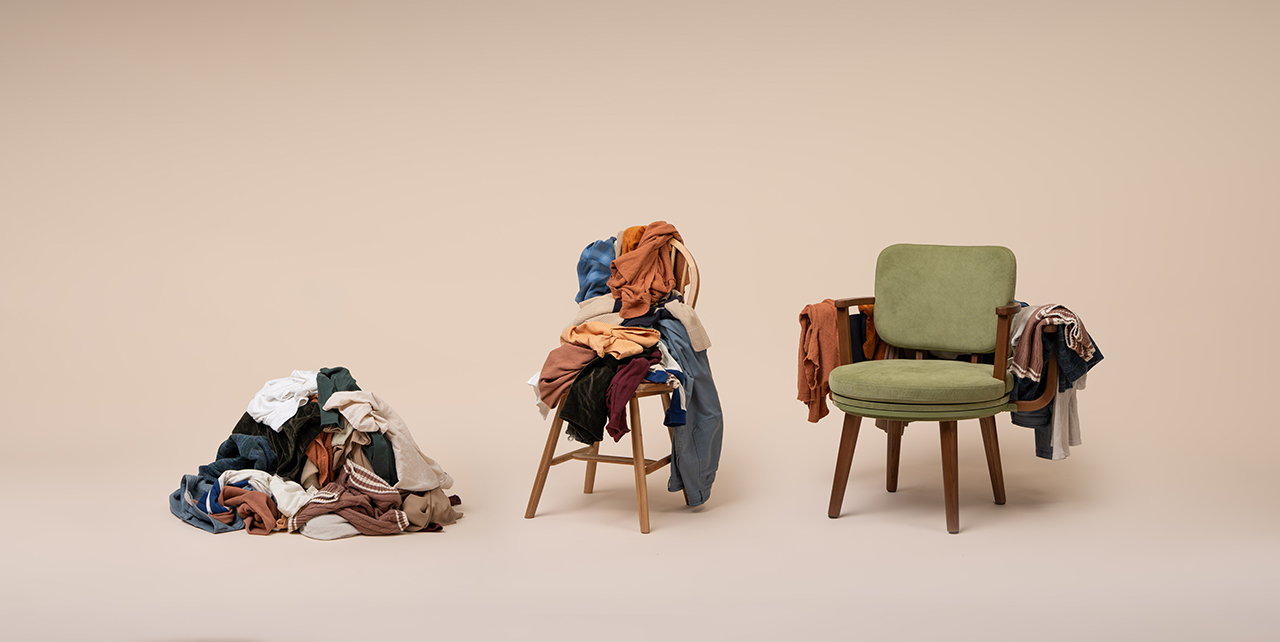
In this context, GREJSIMOJS becomes less a children’s collection and more a manifesto. The objects invite participation rather than observation—a significant departure from the conventions of collectible design, where things are often appreciated from distance or just meant for display. Here, tactility is everything. A furry MAMMUT chair cover transforms a familiar object into something alive––a friendly, fantasy creature––blurring the boundary between furniture and companion. The toothy storage pouffe turns cleanup into performance, its interior “mouth” quite literally consuming clutter with a playful bite.
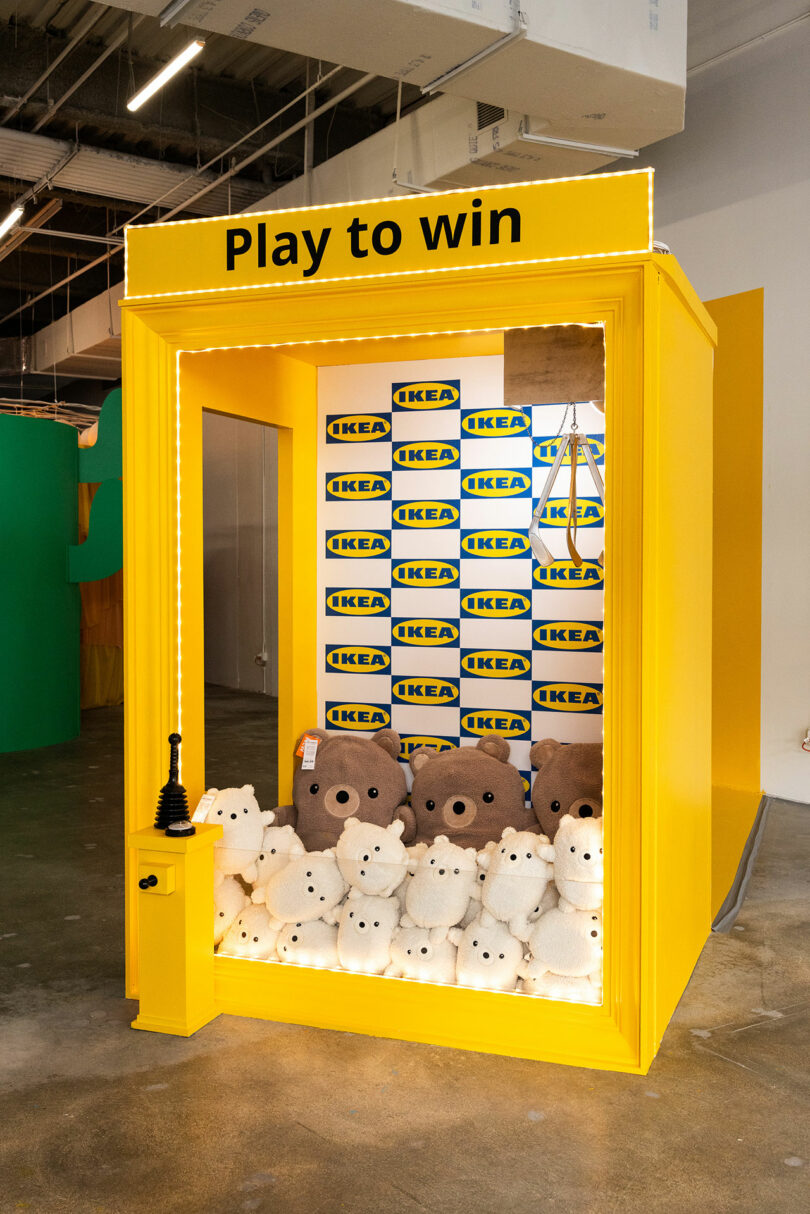
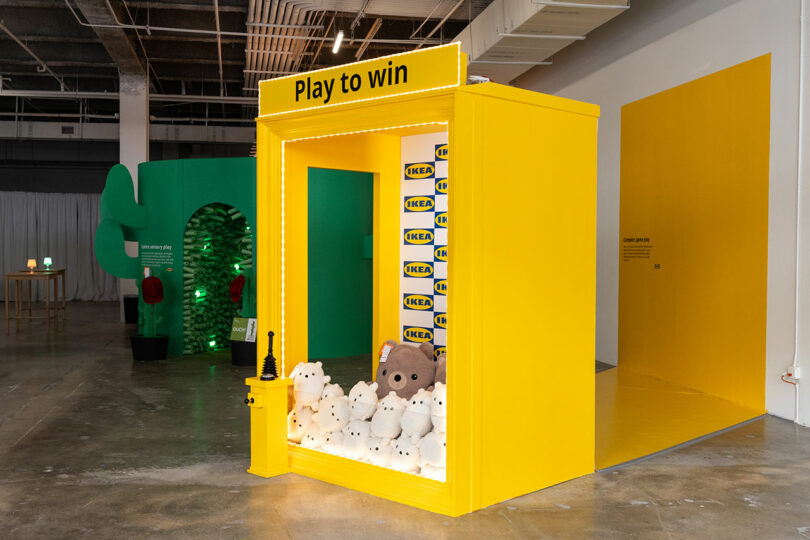
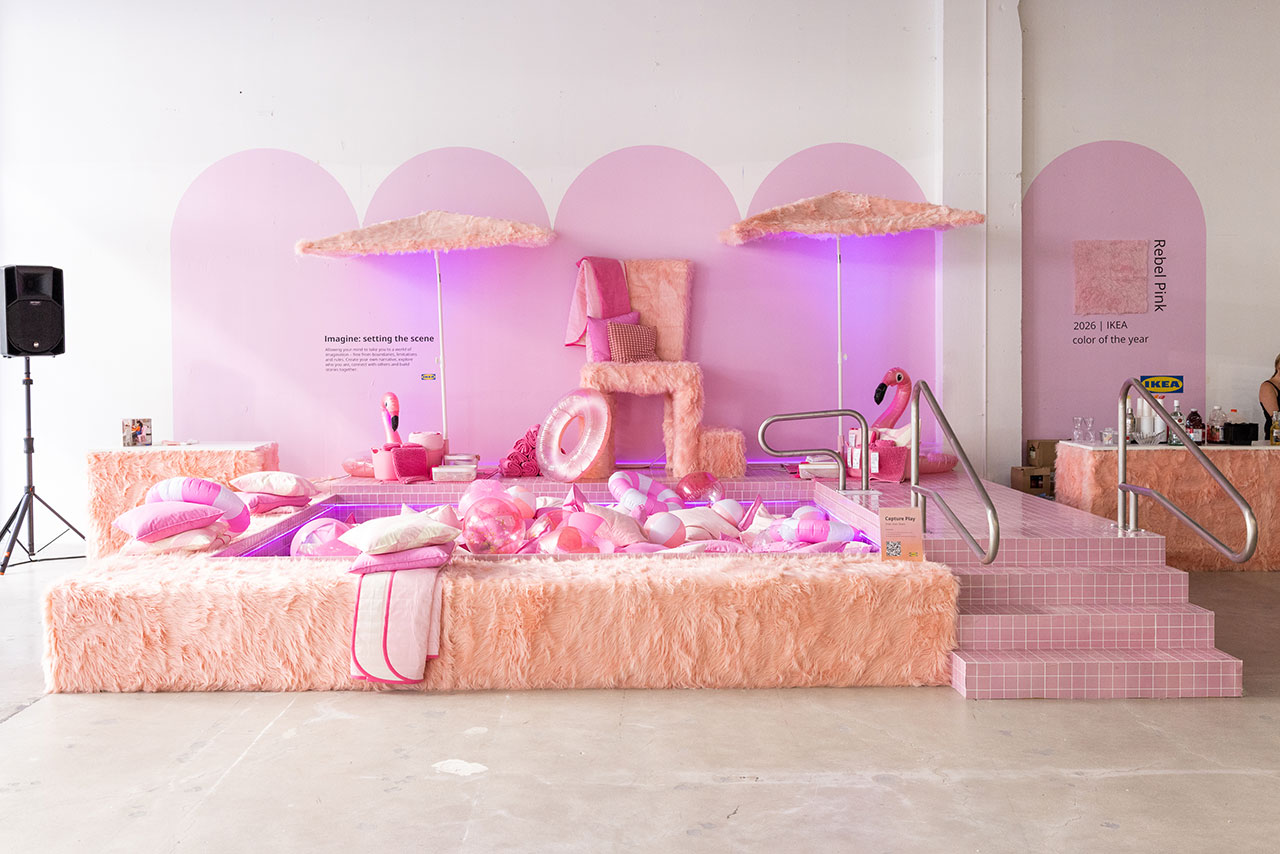
At Art Basel, this philosophy scaled up. IKEA’s exhibition unfolded as a series of life-sized vignettes—rooms that operated less like staged interiors and more like immersive playgrounds. Visitors didn’t just view the objects; they engaged with them instinctively. Nearly everyone who passed by felt compelled to touch, pat, or interact with the pieces, regardless of age. The result was an environment that dissolved the typical barriers between adult and child, collector and participant.
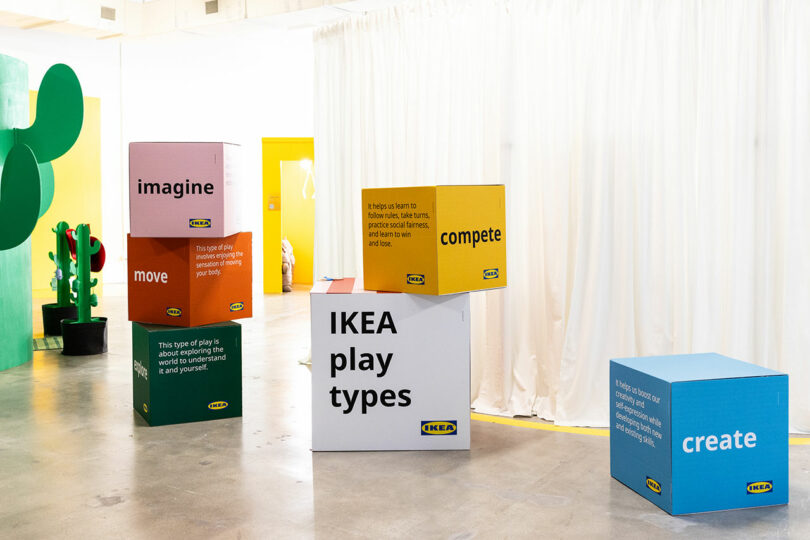
This blurring is precisely where IKEA’s disruption takes hold. In a space defined by scarcity and authorship, GREJSIMOJS proposes a different kind of value system rooted in emotional resonance and shared experience. It suggests that collectibility need not be tethered to exclusivity, but can instead emerge from objects that invite ongoing interaction and reinterpretation.
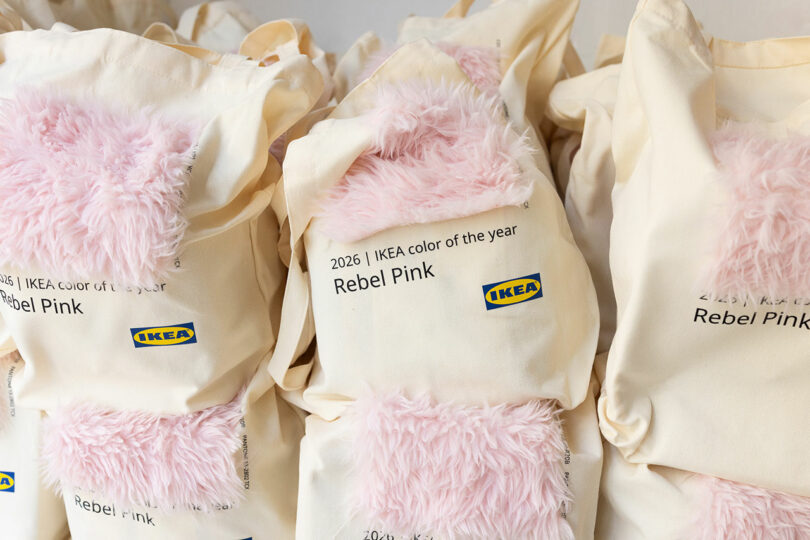
Color plays a critical role in this argument. While Pantone’s recent declaration of white as the color of the year gestures toward conceptual minimalism, IKEA moves in the opposite direction. Its own “Rebel Pink” asserts itself as a bold, exciting new neutral, replacing the passivity of white with something subtly expressive and alive. The choice feels intentional—almost cheeky. Where white recedes, pink insists. Where neutrality once meant absence, it now signals personality.
In GREJSIMOJS, color, texture, and form converge to challenge the quiet codes of contemporary design culture. The collection doesn’t whisper; it hums, squeaks, and occasionally roars. And in doing so, it reframes play as a serious design strategy capable of reshaping how we furnish our homes, but how we define value, authorship, and experience within the design world itself.
To shop the collection, visit ikea.com.
Photography courtesy of IKEA.

With professional degrees in architecture and journalism, New York-based writer Joseph has a desire to make living beautifully accessible. His work seeks to enrich the lives of others with visual communication and storytelling through design. When not writing, he teaches visual communication, theory, and design.
Comments (0)