How to Store Cooked Rice Safely—and the Best Way to Reheat It, According to Experts
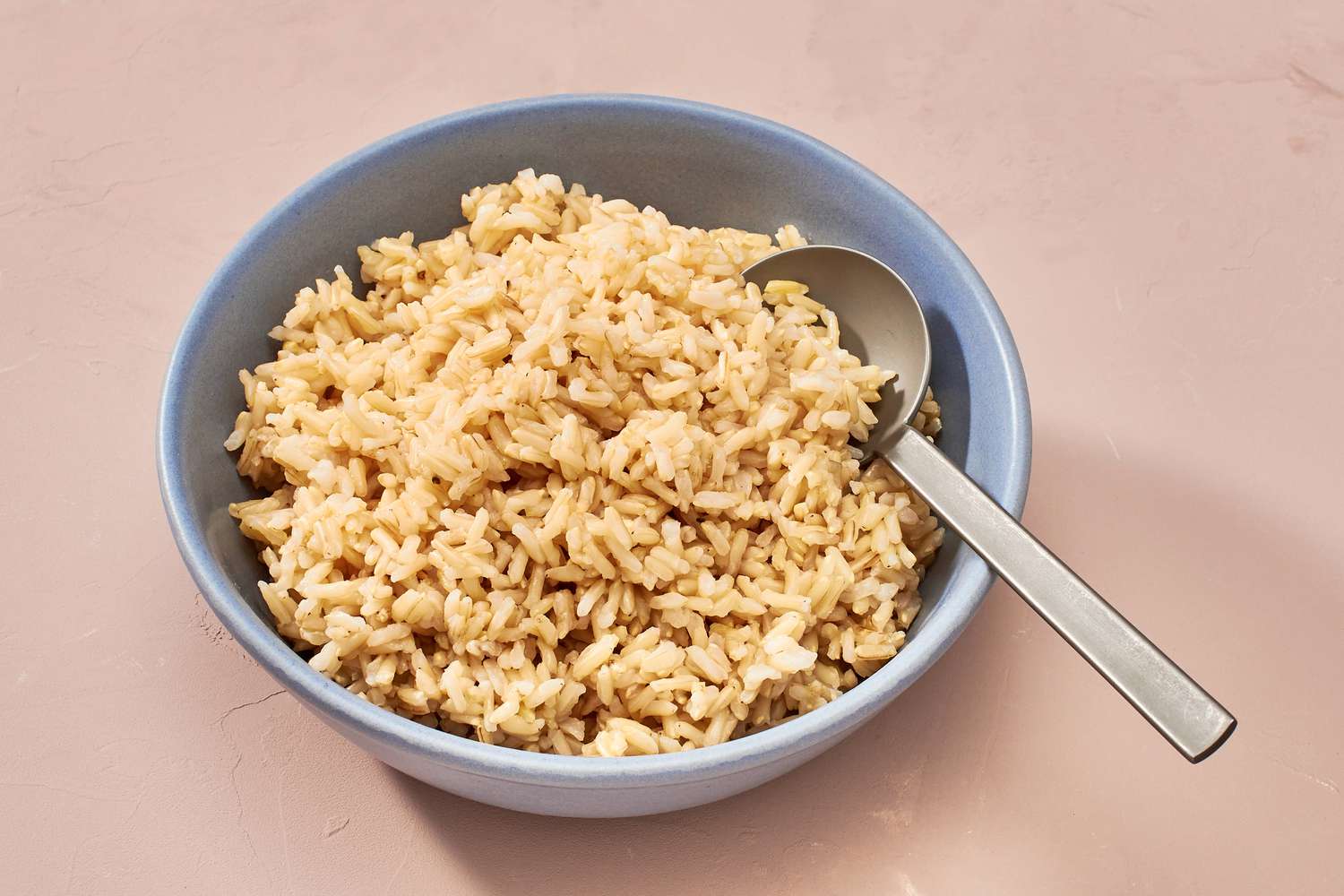
If you follow food safety guidance, you may have heard concerns about leftover rice and its potential link to food poisoning—sometimes referred to as “fried rice syndrome.” While the name may sound dramatic, the underlying issue is real: cooked rice (like most foods) can harbor bacteria if it isn’t handled properly.
That said, there’s no need to avoid leftover rice altogether. When stored and reheated correctly, it’s perfectly safe to eat. Proper handling not only reduces the risk of foodborne illness but also helps preserve texture and flavor. To clarify best practices, we spoke with experts about how to store cooked rice safely, the most effective ways to reheat it, and simple steps to minimize risk.
Shannon Stover, MS, RD, food safety educator at Michigan State University Extension
McKenzie Dokter, chef instructor at Auguste Escoffier School of Culinary Arts
Why It Is Important to Store Cooked Rice Properly
Storing cooked rice correctly is crucial for food safety, says Shannon Stover, MS, RD, food safety educator at Michigan State University Extension. Without proper storage, cooked rice can enter the temperature danger zone (40°F to 140°F), the range in which harmful bacteria multiply most quickly.
In particular, the bacteria Bacillus cereus is often associated with rice, as its spores can be found on raw, uncooked grains—and it can survive the cooking process. Eating rice contaminated with Bacillus cereus can trigger unpleasant physical symptoms, including vomiting, diarrhea, and nausea.
Improper storage can also negatively affect the quality of cooked rice, specifically texture and flavor. For example, when left at room temperature, cooked rice can absorb moisture, making it mushy or develop an unpleasant texture, says McKenzie Dokter, chef instructor at Auguste Escoffier School of Culinary Arts. And when stored incorrectly in the refrigerator, cooked rice can absorb unpleasant flavors and lose its flavor, resulting in dry, hard grains.
Best Practices for Storing Cooked Rice
When storing cooked rice, follow these tips to ensure a safe meal.
Let the Rice Cool
Always allow rice to cool completely before storing it. Otherwise, the rice will spend too long in the temperature danger zone, creating a favorable environment for harmful bacteria to grow. "To properly cool rice, place it in shallow pans and loosely cover it in the refrigerator," says Stover. "Do not place warm or hot rice in a closed container in the refrigerator, as the warm air needs a way to escape." Do not let rice cool on the counter.
Use a Tightly Sealed Container
"After [properly cooling], cooked rice should be stored in a tightly sealed food-grade container," says Stover. Not only will this prevent cross-contamination from other foods (thereby reducing the risk of bacterial growth), but it will also reduce moisture loss.
Store In the Refrigerator
Never store cooked rice at room temperature. As Dokter notes, storing cooked rice in the refrigerator is essential for food safety. "Refrigeration slows down the growth of harmful bacteria, keeping the rice fresh and safe to eat for a longer period," says Dokter.
Use Within Four Days
As with all cooked food, cooked rice will last three to four days in the refrigerator, according to the USDA. After that time, the risk of food poisoning from the rice increases.
Freeze for Later Use
You might be surprised to learn that it's possible to freeze cooked rice. To do so, "let the rice cool completely before transferring it to a freezer-safe container or resealable bag," says Dokter. Next, press out excess air to prevent freezer burn, then store in the freezer for up to six months. Note that freezing can negatively affect the soft texture of rice, so it's best to use frozen rice in dishes where texture is less crucial, like casseroles or soups, says Dokter.
Don't Miss
6 Common Foods That Food Safety Experts Never Eat
How Long Common Leftovers Last in the Fridge, From Chicken to Pizza
How to Reheat Cooked Rice
Reheating cooked rice is just as important as storing it. Doing it properly will ensure any bacteria are destroyed, and the rice is safe to eat.
You'll need a food thermometer to determine if rice has been reheated thoroughly. According to Stover, a bowl of rice is considered properly reheated when it reaches an internal temperature of 165 degrees Fahrenheit for 15 seconds. This is the minimum temperature needed to kill any bacteria that may have grown during cooling.
Microwave Method
To safely reheat cooked rice in the microwave, follow these steps, says Dokter:
Place rice in a microwave-safe dish.Cover rice loosely with a damp paper towel. (This will prevent it from drying out.)Microwave the rice on high for 1 to 2 minutes, or until heated through, stirring halfway to ensure even heating.Let rice sit for 1 or 2 minutes. Fluff with a fork and serve.
Stovetop Method
You can also reheat stored cooked rice on the stovetop. "This method may take a bit longer than the microwave, but it results in evenly reheated rice with a nice texture," says Dokter:
Place rice in a saucepan.Add 2 tablespoons of water or broth per 2 cups of rice. This will prevent rice from sticking to the pan and drying out.Cover the saucepan with a lid.Heat over low to medium heat, stirring occasionally, until rice is properly heated through.
Adding Leftover Rice Directly to Recipes
If your recipe calls for rice, in most cases, you won't have to reheat refrigerated or frozen leftover rice before adding it. The cold rice will be reheated as you make your recipe. This works for casseroles, soups, and stir-fries. If the recipe doesn't involve heating, you'll need to reheat the rice beforehand to ensure it's thoroughly reheated. Always use a thermometer to ensure the food has reached at least 165 degrees Fahrenheit.
Tips for Preventing Food Poisoning from Cooked Rice
Leftover rice doesn't have to be scary as long as you follow proper safety precautions.
Don't Repeatedly Reheat Cooked Rice
When reheating cooked rice, only prepare as much as you need. It's not recommended to reheat cooked rice more than once, as the flavor and moisture will decline, says Stover. What's more, when rice is repeatedly reheated, it will spend more time in the temperature danger zone, increasing the risk of harmful bacterial growth.
Avoid Leaving Cooked Rice at Room Temperature
Rice, like all cooked food, should never be left at room temperature for longer than two hours, says Stover. If this occurs, it will enter the temperature danger zone, increasing the risk of harboring illness-causing bacteria. To minimize this risk, start the cooling process as soon as possible, recommends Stover.
Toss Rice Left Out for Too Long
If cooked rice is left at room temperature for more than two hours, discard it. Eating the rice will pose a food safety hazard, especially for those with compromised immune systems.





Comments (0)