
Remember me




April 10, 2026 — 12:00pm
SaveYou have reached your maximum number of saved items.
Remove items from your saved list to add more.
Save this article for later
Add articles to your saved list and come back to them anytime.
Got itAAA
Twelve books have made the shortlists for this year’s entries in The Age Book of the Year awards.
Judges for the fiction prize, author and critic Bram Presser and essayist and critic Beejay Silcox, said the six novels that had made their shortlist capture the “vitality and range of contemporary storytelling, bringing together powerful collaborations, writers deepening their craft and flashes of wild ambition”.
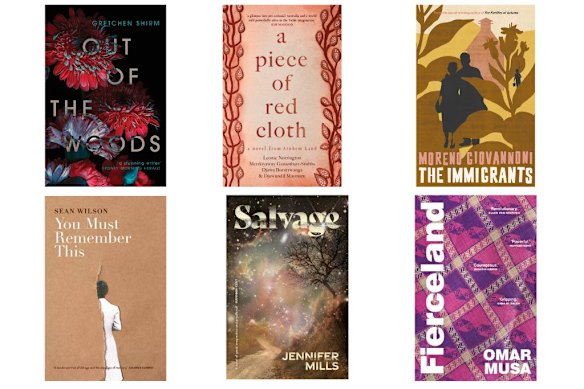
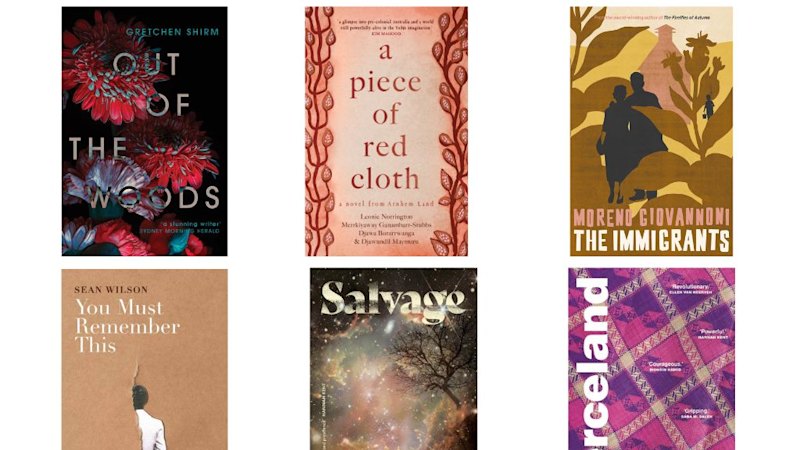
The fiction books on the shortlist are:
Salvage by Jennifer Mills
Fierceland by Omar Musa
The Immigrants by Moreno Giovannoni
A Piece of Red Cloth by Leonie Norrington, Djawundil Maymuru, Merrkiyawuy Ganambarr-Stubbs and Djawa Burarrwanga
Out of the Woods by Gretchen Shirm
You Must Remember This by Sean Wilson
While the novels move between ghost stories, family histories, eco-dystopias and ancient allegories, the judges said they all shared a similar focus, and at the heart, “each of these books circles the same enduring question: what care do we owe one another? In these pages, it feels more urgent than ever.”
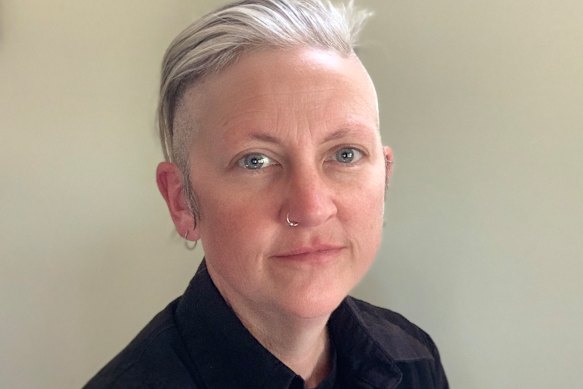 Jennifer Mills’ speculative fiction Salvage has been nominated for the fiction Book of The Year.
The judges found the collaborative fiction of A Piece of Red Cloth to be “an utterly unique, exhilarating literary symphony drawn from many thousands of years of oral tradition”; Fierceland a work of virtuosic prose that “soars ... with unbridled energy to its own propulsive beat”; Salvage a “marvel of speculative eco fiction that bucks tired tropes and draws you into its shifting realms of consciousness”; Out Of The Woods “timely and urgent”, asking “important questions about war, responsibility and the lines we unwittingly cross in passing judgement”; You Must Remember This “an honest, tender and painfully accurate portrayal of dementia” told with heartbreaking honesty, and The Immigrants a brilliantly crafted work that is “both deeply specific and universally relevant”.
The judges for the non-fiction section, author, reviewer and mission director of Caritas Australia, Michael McGirr, and The Age and The Sydney Morning Herald Canberra bureau chief Michelle Griffin, both praised the “resilient practitioners of the endangered craft of non-fiction writing”, especially in a time where some might rely on AI for factual research.
“Some of the information found in these pages might be lurking online, although I suspect a lot of it isn’t,” wrote Michael McGirr. “What AI can’t provide is the satisfaction of a beautifully constructed narrative, one which answers important questions in the mind of the writer. A writer is not a content creator. They are pilgrims of sorts, following a quest. I am grateful for the sheer existence of these books and the urgency that keeps writers kicking into the cultural wind.”
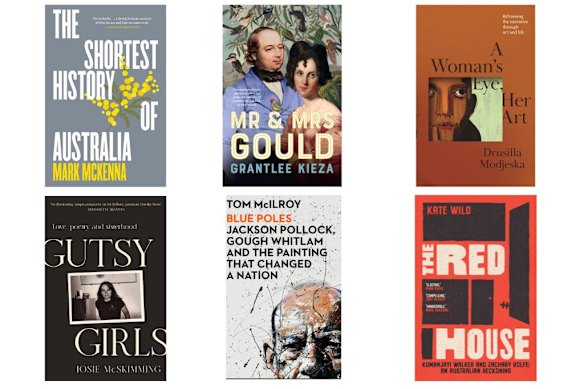
The non-fiction shortlisted books are:
Blue Poles by Tom McIlroy
Red House by Kate Wild
A Woman’s Eye, Her Art by Drusilla Modjeska
The Shortest History of Australia by Mark McKenna
Gutsy Girls by Josie McSkimming
Mr and Mrs Gould by Grantlee Kieza
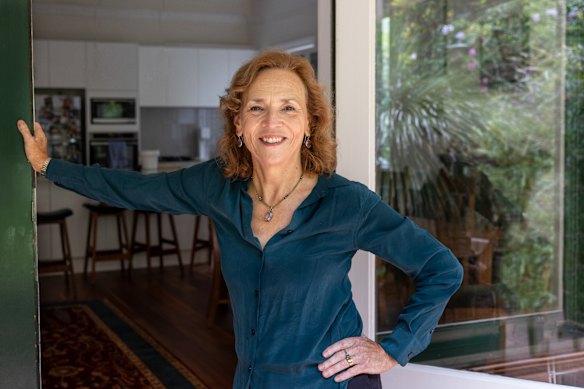 Josie McSkimming’s memoir about her sister, poet Dorothy Porter, was praised as “brimming with love”.John Slaytor
They praised Tom McIlroy’s “superb” account of the painting that caused a public uproar, in which he “serves his story with patience and care”; Josie McSkimming’s memoir about her sister, poet Dorothy Porter, as “brimming with love”; Kate Wild’s account of the killing of young Indigenous man Kumanjayi Walkerby a white police officer as a story that “takes readers deep into a story that has echoes from the past and reverberations into the future”.
They found Drusilla Modjeska’s examination of the lives and art of European modernist women as having “the storyteller’s confidence and a painter’s eye for the actual work of making art”; Grantlee Kieza’s biography of naturalists John and Elizabeth Gould as “a window to gaze upon another time and place” and Mark McKenna’s The Shortest History of Australia “a triumph not just of concision, but also of thematic rigour”.
The 45th Age Book of the Year winners each receive $10,000, courtesy of the Copyright Agency’s cultural fund, and the winners will be announced at The Athenaeum Theatre on May 7 as part of the opening night of this year’s Melbourne Writers Festival.
Last year, Lech Blaine’s Australian Gospel won the non-fiction prize and Rodney Hall won the fiction award for his novel Vortex.
The Age is a festival partner.
The Booklist is a weekly newsletter for book lovers from Jason Steger. Get it delivered every Friday.
SaveYou have reached your maximum number of saved items.
Remove items from your saved list to add more.
 Kylie Northover is Spectrum Deputy Editor at The AgeConnect via email.