
Remember me


You’re constantly on the move. Airport lounges feel like second homes, and your passport pages fill up faster than most people’s calendars. But here’s the thing: crossing borders gets exhausting when you’re dealing with visa applications, immigration queues, and travel restrictions every few weeks.
Golden visa programs solve this problem by giving you residency rights without forcing you to actually live somewhere full-time. For someone who spends half the year traveling, that’s exactly what you need.
The seven countries below stand out for frequent travelers because they don’t require you to spend months in-country, they open up visa-free travel to major regions, and they process applications relatively quickly. Some cost around $290,000. Others push past half a million dollars. But they all share one thing: they’re built for people who refuse to be tied down.
What Makes a Golden Visa Program Work for Frequent Travelers?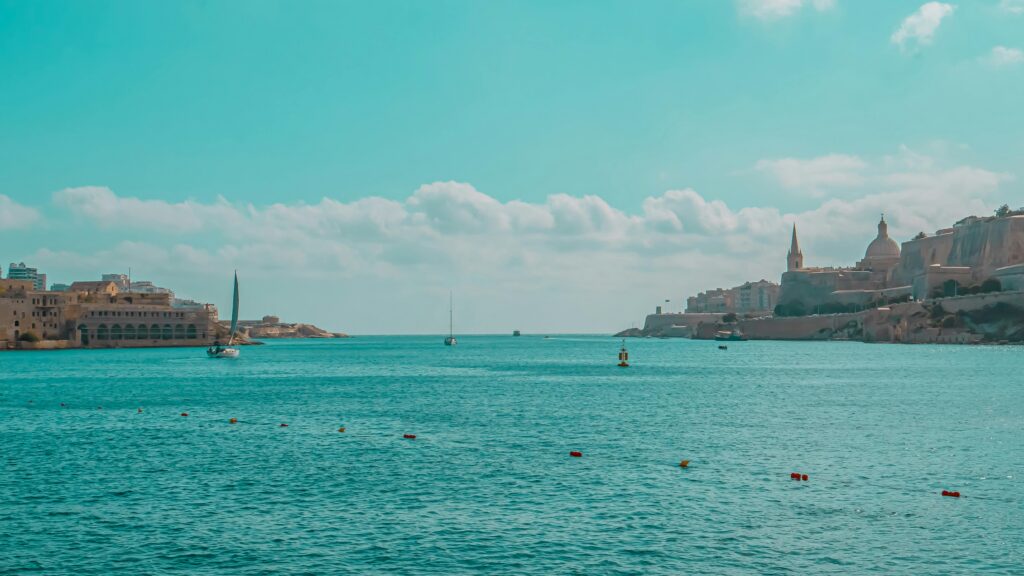

Most golden visa programs weren’t designed with digital nomads or business travelers in mind. They were created to attract foreign investment. But some countries accidentally (or intentionally) built programs that work perfectly for people who live out of suitcases.
Here’s what actually matters when you’re constantly traveling:
Physical presence requirements, or the lack of them. Greece, Malta, and the UAE don’t require you to spend any minimum time in-country. Portugal asks for just 14 days over two years. That’s manageable even with a packed schedule.
Visa-free access is the second critical factor. A golden visa that gets you into the Schengen Area eliminates the need for separate visas across 27 European countries. That’s worth more than any property investment returns.
Processing speed matters too. Spain approves applications in roughly 20 days. Portugal takes over 18 months. When you’re planning international business expansions or family relocations, that timeline difference is significant.
Greece Golden Visa: Schengen Access Without Setting Foot in Athens

Greece’s program starts at around $290,000 for real estate investments, though recent reforms have pushed that up to $470,000 to $940,000 in high-demand areas like central Athens and popular islands. Processing takes 3-4 months on average.
Like the UAE, Greece requires zero physical presence. You can buy property, get approved, and travel freely through the Schengen Area without ever spending a night in your Greek apartment.
The Schengen benefit alone justifies the investment for many travelers. Twenty-seven European countries become accessible without separate visa applications or border checks. France, Germany, Spain, Italy—all open with one residency permit.
Recent changes restrict short-term rental income on golden visa properties in certain areas, but long-term rentals remain viable. If you’re buying real estate primarily for residency rather than income, the reform doesn’t significantly impact you.
Family inclusion is broader than most programs. Spouses, children, and even parents-in-law can be added to a single application. That’s useful for multi-generational families planning long-term European access.
Portugal Golden Visa: The Citizenship Path for Patient Travelers

Portugal lowered its minimum investment to around $290,000 for certain fund investments and cultural donations. Real estate options still exist but require higher amounts. Processing exceeds 18 months in most cases, making it the slowest on this list.
The physical presence requirement is minimal: 14 days every two years. That’s two long weekends over 24 months. Even with aggressive travel schedules, that’s achievable.
The Five-Year Citizenship PlayWhat separates Portugal from other programs is the citizenship timeline. After five years of residency, you can apply for citizenship. That converts golden visa residency into an EU passport with full freedom of movement, work rights, and settlement across the entire European Union.
Tax treaties make Portugal attractive for specific situations. Non-habitual resident status (separate from the golden visa itself) can provide tax advantages for certain types of income. When professional advisors like the team at Global Residence Index review your circumstances, they can map how Portugal’s tax framework interacts with your existing obligations.
The 18+ month processing timeline frustrates many applicants. If you need residency quickly, Portugal isn’t ideal. But for long-term planning with eventual citizenship as the goal, it’s one of the strongest European options.
UAE Golden Visa: Tax Benefits Without the Residency Burden
The UAE golden visa doesn’t come with a specific published investment threshold, though most pathways require around $545,000 in real estate or business investments. What makes it attractive for frequent travelers has nothing to do with the investment itself.
There’s no minimum stay requirement. None. You can get permanent residency, maintain your visa status, and never spend more than a few days in Dubai or Abu Dhabi if that’s what your schedule demands.
Zero Taxes, Zero MinimumsThe tax structure is the real draw. The UAE has no personal income tax, no capital gains tax, and no inheritance tax. For high earners constantly moving between jurisdictions, this creates clean tax planning opportunities that most other programs can’t match.
Dubai and Abu Dhabi airports serve as major hubs for flights to Asia, the Middle East, and Africa. Emirates alone flies to over 140 destinations. That connectivity matters when you’re optimizing flight routes and minimizing travel time.
The processing timeline is relatively fast, though specific timelines vary. Applications move quicker than most European programs, and the permanent residency status means you’re not dealing with renewals every few years.
Spain Golden Visa: Fast-Track to European Mobility

Spain requires around half a million dollars ($585,000) in real estate investments. Processing averages around 20 days, by far the fastest among EU programs. Applications submitted properly with complete documentation move through approval quickly.
Physical presence isn’t technically required to maintain the visa, though Spain’s tax residency rules are worth understanding. Spending over 183 days in Spain triggers tax residency. For frequent travelers intentionally avoiding full tax residency in any single country, staying below that threshold matters.
The Schengen access is identical to Greece and Portugal. Full freedom of movement across 27 countries. The main advantage over those programs is speed. Three weeks versus three months (Greece) or 18+ months (Portugal) makes a difference when timing matters.
Spanish property markets vary dramatically by region. Coastal areas popular with tourists show different appreciation patterns than inland cities. Barcelona and Madrid command higher prices but offer better liquidity. If you’re buying primarily for residency rather than returns, that liquidity consideration still matters for eventual exit strategies.
Italy Golden Visa: Multiple Investment PathwaysItaly offers several routes to golden visa residency starting at around $290,000 for certain investments. Government bonds, company investments, and philanthropic donations all qualify under different thresholds. Processing takes 3-4 months.
Physical presence requirements are minimal, similar to other EU programs. The flexibility in investment types sets Italy apart. If you’re uncomfortable tying up capital in real estate, Italy’s bond or business investment options provide alternatives.
Schengen access works the same as Greece, Portugal, and Spain. Italian residency opens the same 27 countries. The program is less popular than its neighbors, which sometimes means faster processing as applications aren’t backlogged.
Italy’s pathway to citizenship is longer and more complex than Portugal’s. Language requirements and other factors make it less attractive for travelers specifically seeking eventual EU citizenship. But for pure mobility and residency flexibility, it functions well.
Malta Residence Programme: English-Speaking Hub with Premium Costs

Malta’s program starts at around $700,000 for property purchase or about $16,400 annually for leasing, plus additional government fees that push total upfront costs above $117,000. Processing ranges from 14 to 38 months depending on application complexity.
No minimum stay is required. Malta’s position as an English-speaking EU member makes administrative processes simpler for native English speakers compared to navigating Greek, Portuguese, or Spanish bureaucracies.
Healthcare and financial services infrastructure in Malta are high quality. For travelers who spend time in the Mediterranean, Malta serves as a practical base even with minimal physical presence.
The leasing option at around $16,400 annually provides the lowest-cost entry point among premium EU programs. Buying property at $700,000 makes sense only if you want the asset itself. For pure residency, leasing is more capital efficient.
Citizenship is possible after seven years under certain conditions, though requirements are stricter than Portugal’s. Malta’s small size and island location might not appeal to everyone, but for travelers focused on Schengen access and English administration, it works.
Antigua and Barbuda: Caribbean Mobility Without European Focus

Antigua and Barbuda offers citizenship (not just residency) starting at $230,000 through real estate or donation options. Processing takes 4-5 months. This is fundamentally different from EU programs: it’s immediate citizenship rather than residency leading to potential citizenship.
The passport provides visa-free access to over 150 countries including the Schengen Area, UK, Singapore, and Hong Kong. For travelers whose circuits focus heavily on Asia and the Caribbean rather than Europe, this provides better coverage than some EU programs.
No physical presence is required, and citizenship passes to future generations. That legacy component matters for families planning multi-generational global mobility strategies.
The $230,000 entry point is lower than most EU programs, but you’re not getting European residency or the eventual path to an EU passport. The calculation depends entirely on where you travel most frequently and which passport provides optimal access to those destinations.
How to Choose Between These ProgramsIf you travel primarily in Europe, the Schengen programs (Greece, Portugal, Spain, Italy, Malta) make the most sense. Greece at around $290,000 offers the most cost-effective entry, though reforms are pushing prices higher in desirable areas.
Spain’s 20-day processing stands out when you need residency quickly. Portugal’s citizenship path matters if long-term EU citizenship is the goal. Malta works for English speakers willing to pay premium prices for convenience.
For Asia-Middle East-Africa travel circuits, the UAE’s tax benefits and hub airport access create advantages that European programs can’t match. The lack of minimum stay requirements and permanent residency status eliminate ongoing compliance burdens.

Antigua and Barbuda serves travelers who want immediate citizenship with strong Caribbean and Asian access, particularly when EU residency isn’t the priority.
Real-world application: A technology consultant spending 40% of time in the EU, 30% in the Middle East, and 30% in Asia might choose Greece for Schengen access (around $290,000 and up) combined with UAE residency for tax benefits (~$545,000), creating coverage for primary travel regions while optimizing tax treatment.
The right answer depends on your specific travel patterns, tax situation, and whether you’re optimizing for immediate mobility or long-term citizenship. Firms like Vancis Capital can model how different combinations of programs interact with your circumstances to create optimal coverage.
Recent Changes and What’s Coming in 2026EU programs raised thresholds across the board in 2024-2025 reforms. Greece moved from around $290,000 to $470,000-$940,000 in high-demand areas. Hungary introduced new $290,000 fund options but removed previous business investment paths.

These changes reflect EU concerns about property market impacts and program sustainability. Expect continued scrutiny and potential additional reforms through 2026-2027, particularly in programs where property prices in major cities have surged partly due to foreign investor demand.
Processing times improved in several programs post-2025 as governments streamlined digital application systems. Spain’s 20-day timeline is now reliably fast. Portugal’s backlog is slowly clearing, though 18+ months remains standard.
No programs are scheduled to close in 2026, but monitoring official announcements matters. Portugal’s program faced closure rumors for years before restructuring instead. Policy changes happen with limited warning, so moving when you’ve made the decision beats waiting for perfect timing that might never arrive.
These seven programs serve frequent travelers better than dozens of alternatives precisely because they don’t demand what you’re unwilling to give: physical presence. The investment requirements vary, the citizenship timelines differ, but they all respect that some people need mobility more than they need a permanent home base.
Comments (0)