
Remember me







This week in science: the Artemis II crew returns from its historic journey around the Moon; scientists propose a new 'unifying theory' of Alzheimer's disease; primatologists describe a violent 'civil war' among chimpanzees in Uganda; and much more!
It's Official: Artemis II Has Carried Humans Farther From Earth Than Ever Before NASA astronaut Christina Koch looking back at Earth through the main windows of the Orion spacecraft Integrity. (NASA)
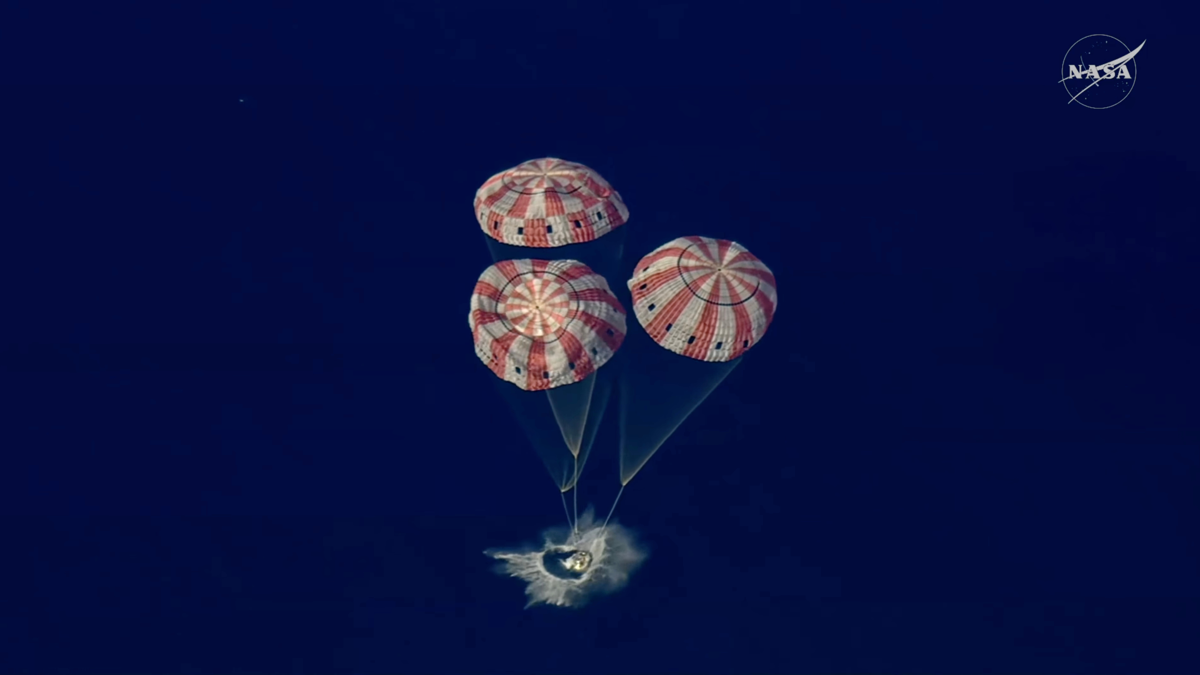
The Artemis II mission has circled the Moon and returned to Earth this week, setting new records and paving the way to return to the lunar surface.
NASA says the mission reached its maximum distance from Earth at 23:02 UTC on Monday 6 April: 406,771 kilometers as the spacecraft traveled beyond the far side of the Moon. That's 6,616 kilometers past the Apollo 13 record.
Read the full story here.
New 'Unifying Theory' May Explain How Alzheimer's Emerges in The Brain (Maciej Frolow/Stone/Getty Images)
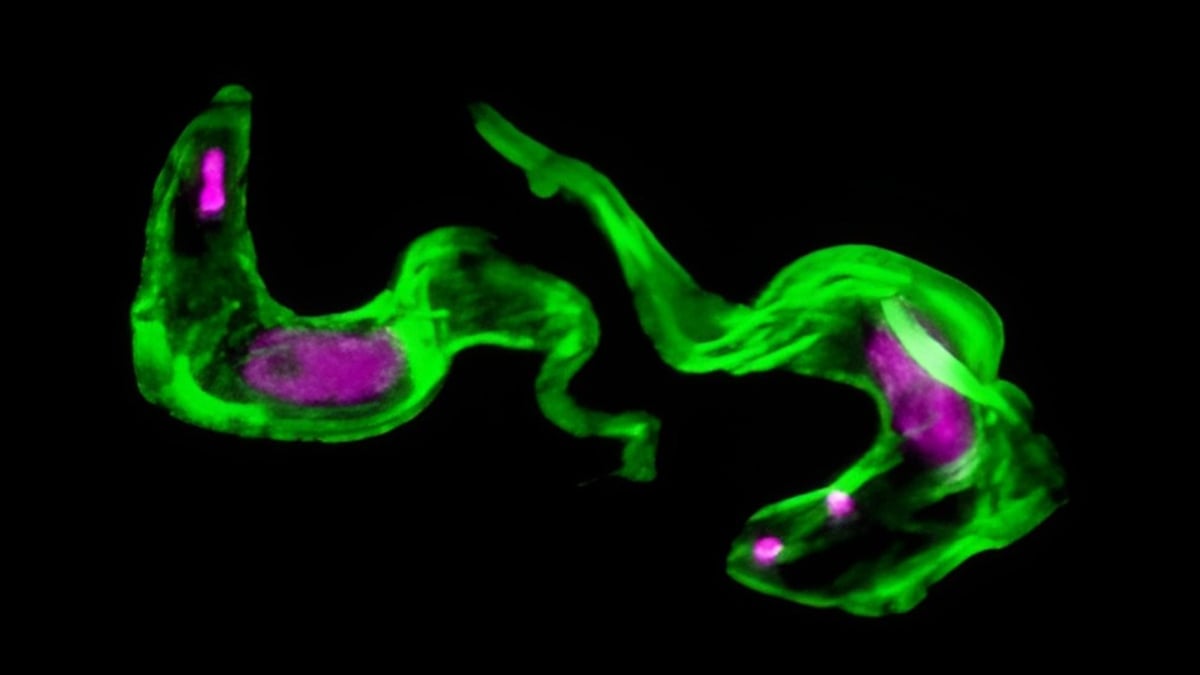
Neuroscientists have developed a 'unifying theory' of Alzheimer's, covering how amyloid-beta and tau proteins interact to trigger neuron death.
"Our work shows amyloid beta and tau compete for the same binding sites on microtubules, and that [amyloid-beta] can prevent tau from functioning correctly," says Ryan Julian, the study's senior author.
Read the full story here.
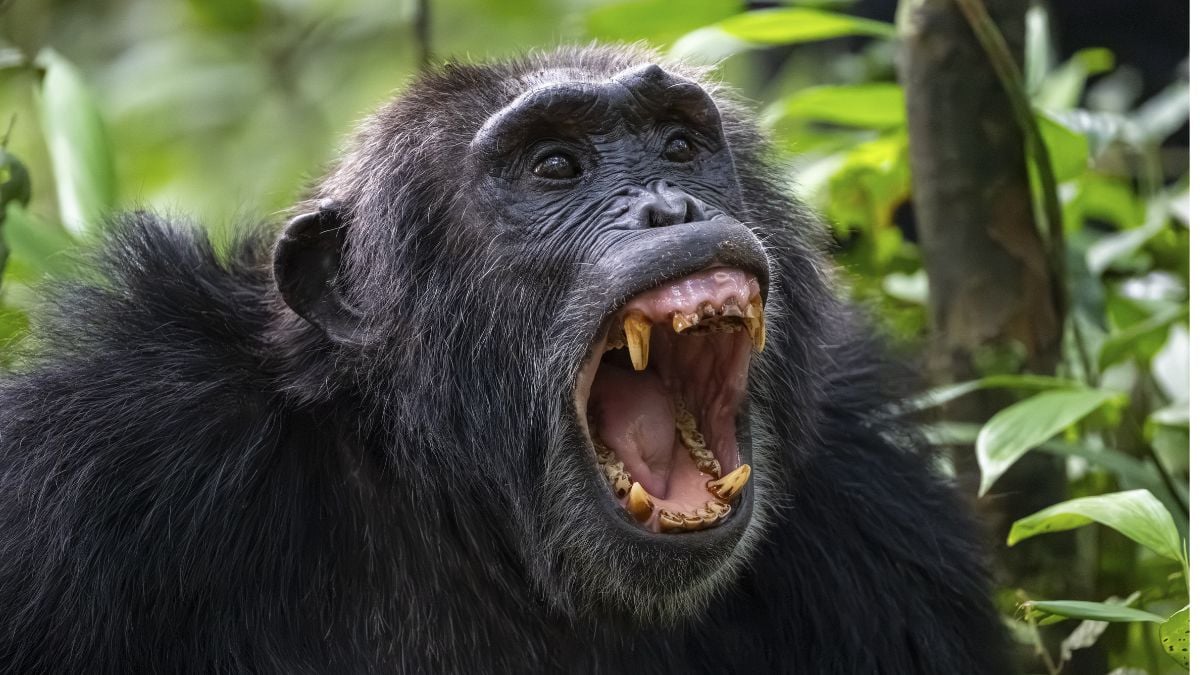
Scientists Announce The First Clear Evidence of a Chimpanzee 'Civil War' A chimpanzee in Kibale National Park, Uganda, bares its teeth before a fight. (Moritz Wolf/imageBROKER/Getty Images)
Primatologists have seen a large group of wild chimps in Uganda break into a kind of 'civil war,' with violence erupting and new borders drawn.
What was once the center of the Ngogo chimp community became a border, patrolled by males from both sides. Then, in 2017, social tension came to a head. That year, Western chimps battled and severely injured the alpha male of the larger Central cluster.
Read the full story here.
Woman With 3 Autoimmune Diseases Enters Remission After Immune 'Reset'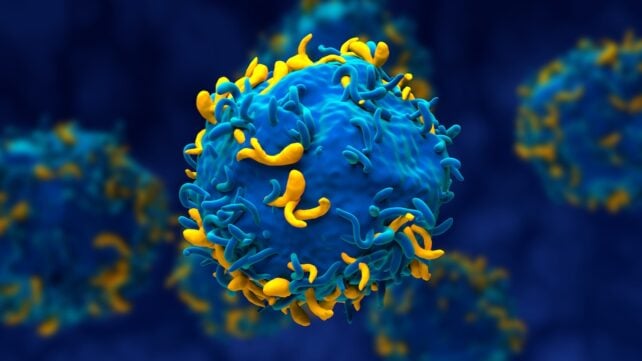 An artist's impression of a CAR-T cell. (Nemes Laszlo/Science Photo Library/Getty Images)
A woman with three different autoimmune diseases has gone into remission after treatment with an immunotherapy usually used for cancer.

"After being sick for more than a decade, the patient is now in treatment-free remission and able to return to an almost normal life. This therapy significantly improved her quality of life," says Fabian Müller, hematologist at the University Hospital of Erlangen in Germany.
Read the full story here.
A Disturbing Pattern Emerges in Zoo Penguins With Unlimited Food King penguins at Zoo Zürich, Switzerland. (Zoo Zürich, Albert Schmidmeister)
Zoo penguins age faster but live longer than wild ones, according to a long-term study that may provide insights into human health.
"A 15-year-old penguin in the zoo has the body of a 20-year-old penguin in the wild," explains study co-author Céline Le Bohec, a scientist at the Monaco Scientific Center, who has studied wild king penguins for over two decades.
"However, the interesting part is that zoo penguins also live longer, overall."
Read the full story here.
Earth's Population Has Surpassed The Planet's Capacity, Study Suggests (Mait Juriado photo/Moment/Getty Images)
A new calculation of Earth's 'carrying capacity' suggests the current human population (8.3 billion) is well above optimal (2.5 billion).
"Earth cannot keep up with the way in which we are using resources. It cannot support even today's demand without major changes, with our findings showing that we are pushing the planet harder than it can possibly cope," says Corey Bradshaw, global ecologist at Flinders University in Australia.
Read the full story here.
Comments (0)