
Remember me
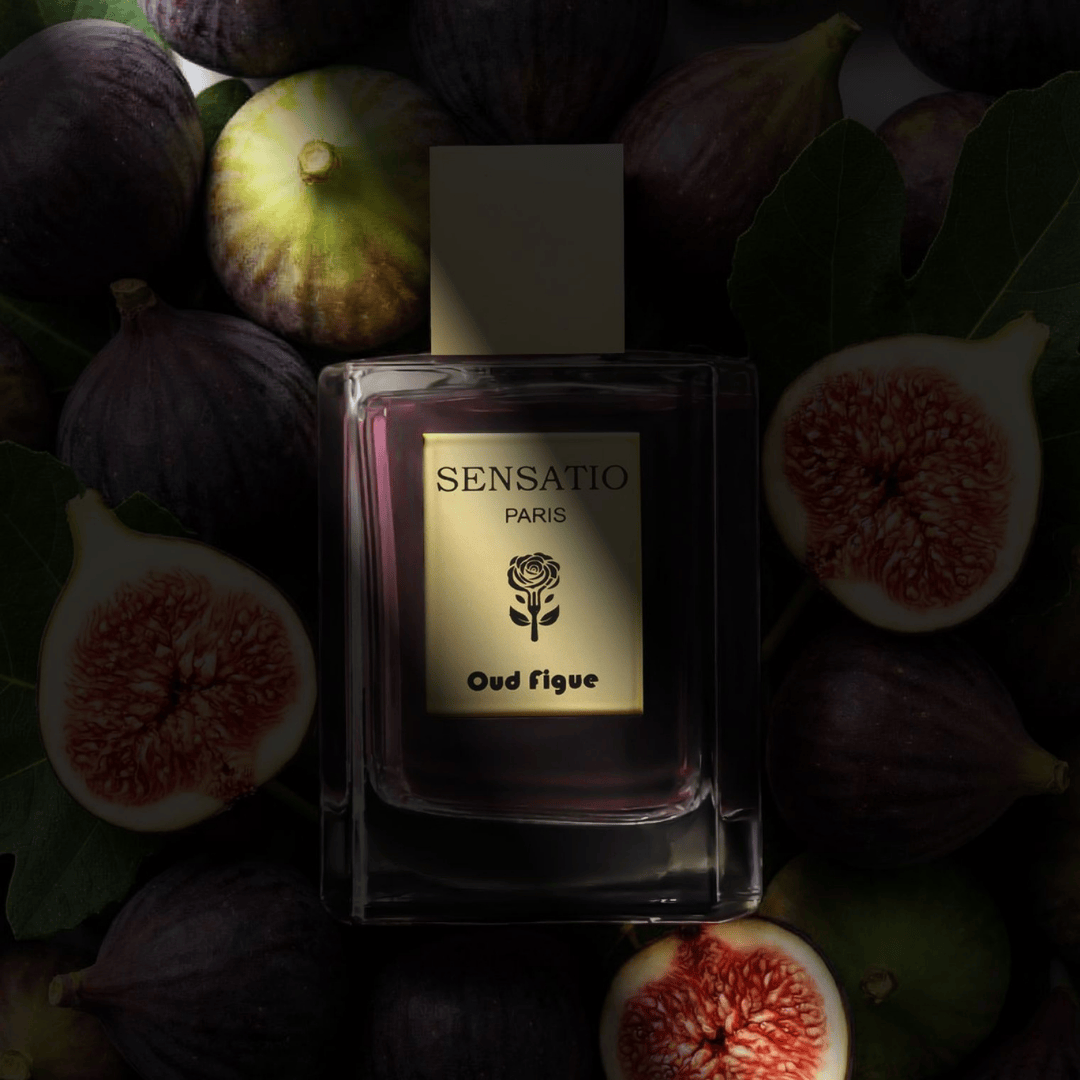
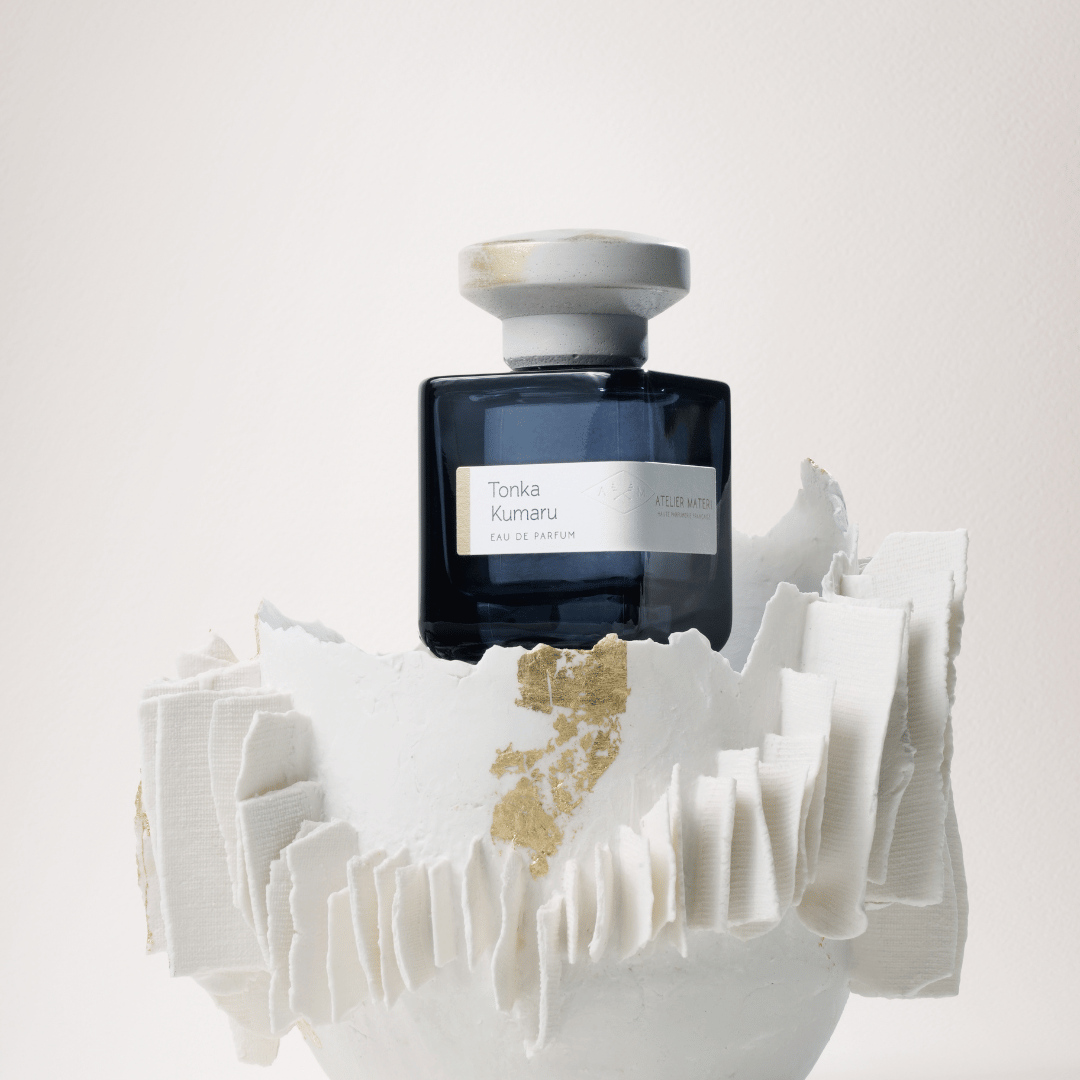
When people start to explore niche fragrances, one question almost inevitably arises:
Why do these fragrances often cost significantly more than well-known designer perfumes? Is this justified – or are you just paying for a nice label and an exclusive promise?
This question is legitimate. It is not a criticism, but an expression of attention. And precisely for this reason, it deserves an honest, nuanced answer – without embellishment, without sales rhetoric, and without the assumption that expensive automatically means better.
Price is not proof of quality – but it's also not a coincidence

First, an important clarification:
Not every expensive fragrance is automatically good. And not every inexpensive fragrance is automatically bad. The price of a niche perfume is not a seal of quality, but the result of a specific way of working – and this way fundamentally differentiates niche from mainstream.
To understand why niche fragrances are often more expensive, one must look at how they are created, why they are created, and for whom they are intended.
Small batches instead of mass productionA central factor is the production volume. Niche fragrances are usually produced in comparatively small batches. While large brands produce hundreds of thousands or even millions of units of a fragrance, niche houses often work with just a few thousand bottles – sometimes significantly fewer.
Small production volumes mean higher costs per unit. Purchasing, bottling, storage, and distribution cannot be offset by mass. What becomes cheaper in the mainstream through economies of scale remains deliberately limited in the niche.
This is not romanticization, but economic reality.

Raw materials: Freedom instead of calculation
Another, often cited point is the raw materials. Yes, many niche fragrances work with high-quality natural materials or complex synthetic molecules. But what is crucial is not only the price of the raw materials, but the freedom in dealing with them.
In industrial fragrance production, every ingredient is strictly calculated. Costs, availability, and stability are paramount. In the niche, however, a perfumer can decide what they need – not just what is profitable.
This does not automatically lead to better fragrances, but to more consistent ones. A true niche perfume arises not from the question "How much does it cost?", but from the question "What does this composition need?".
Time is a cost factor you can smellTime plays a greater role than many assume. Niche fragrances often result from longer development phases. Ideas are discarded, rethought, rebuilt. A fragrance is often completely recomposed several times before it is considered harmonious.
This time flows into the price – not as a marketing markup, but as labor. In mass production, there are clear timelines, test groups, and target profiles. In the niche, a fragrance can take longer. And sometimes, you can tell.
Artistic freedom instead of market research

A key difference lies in the motivation behind a fragrance. Niche fragrances often arise from a personal vision. They don't have to convince focus groups, serve target markets, or justify annual sales.
This does not mean that every niche fragrance is a work of art. But it does mean that it was not optimized for maximum acceptance. This freedom has its price – economically and creatively.
Experience as a silent valueHere, an aspect comes into play that is difficult to quantify: Experience.
Since 2000, I have been active in the niche industry. Years before that, niche perfumes were my personal hobby. During this time, I have experienced, accompanied, discarded, and defended countless fragrances. I have seen how prices develop, how brands emerge and disappear again.
What I have learned: The price of a niche fragrance often reflects not only material and production, but also attitude. Experience does not flow in grams or milliliters, but in decisions.

Why the comparison with designer perfumes often falls short
Many people compare niche fragrances with designer perfumes. This is understandable, but often unfair. Designer perfumes are part of a large system: marketing budgets, global distribution, licensing models, advertising campaigns. The fragrance is just one building block among many.
In the niche, the fragrance itself is the center. There are no multi-million dollar campaigns, no celebrity faces, no TV commercials. The price does not flow into visibility, but into substance – at least ideally.
More expensive doesn't automatically mean a better fitAn important point that is often kept quiet:
An expensive niche fragrance doesn't have to suit you. And it doesn't have to be your scent. Price doesn't replace suitability. Skin chemistry, personality, and context are more crucial than any price range.
That's why it's so important to test niche fragrances. Scent samples and perfume samples are not a nice extra, but a central tool for making conscious purchasing decisions.

Purchase anxiety is understandable – and to be taken seriously
Many people hesitate to buy a niche perfume because they are afraid of wasting money. This fear is understandable. And it is not a sign of ignorance, but of responsibility.
A serious approach to niche fragrances takes this fear seriously. It does not push, does not gloss over, and does not promise anything a fragrance cannot deliver.
scent amor as a consequence of experiencescent amor arose precisely from this attitude. Not from the desire to sell as much as possible, but from the desire to provide guidance. Scent stands for fragrance, Amour for love – together it describes an attitude based on respect for the product and for people.
A niche fragrance is not a status symbol. It is a decision. And decisions deserve time, context, and honesty.

When a higher price makes sense – and when it doesn't
A higher price can be sensible if it arises from consistency. If a fragrance needs its materials, its time, and its freedom. It is not sensible if it merely simulates exclusivity.
That's why it's worth taking a close look. Not every expensive fragrance is justified. But many niche fragrances are – if you understand why.
Trust is built through transparencyUltimately, it's about trust. Trust in the fragrance. Trust in the brand. Trust in the place where you buy. Niche fragrances demand this trust – and should also return it.
Those who engage with it often discover a different way of experiencing fragrance. Quieter. Deeper. More personal.
FAQ: Why Niche Fragrances Are More Expensive – Price, Value & Purchase Decision

Why are niche fragrances more expensive than designer perfumes?
Niche fragrances are usually produced in significantly smaller batches than classic designer perfumes. There are no economies of scale, but there is more freedom in development, longer maturation processes, and less cost optimization. The higher price is not accidental, but results from a different way of working.
Do I primarily pay for exclusivity with niche perfumes?Not necessarily. A niche perfume is worth its price if it arises from substance, consistency, and composition. Pure artificial scarcity or mere rarity without depth do not justify a high price. It's worth taking a close look.
Do raw materials really play a role in the price?Yes – but with differentiation. Many niche fragrances allow for a freer choice of materials, instead of strictly optimizing every note for cost. High-quality natural raw materials, complex molecules, and finely tuned formulations increase the effort, not automatically the effect – but often the depth.
Why do small production quantities make fragrances more expensive?Fixed costs such as development, bottling, packaging, and storage are spread over fewer bottles in small batches. While large brands produce cheaper through volume, a niche fragrance remains deliberately limited – and thus more expensive per unit.
Are expensive niche fragrances automatically better?No. A high price is no guarantee of quality or suitability. A luxurious niche perfume should be characterized by development, balance, and wearability – not by loudness or prestige. What matters is how the fragrance behaves over hours.
Should I always test niche fragrances first?Yes. Niche fragrances in particular react strongly to skin chemistry, dosage, and daily life. Scent samples and perfume samples are the most sensible way to avoid bad purchases – especially with higher prices. Testing is not hesitation, but diligence.
Are niche fragrances always longer lasting?Not automatically. Longevity depends on concentration, structure, and skin type. Many niche fragrances are long-lasting, others are deliberately subtle. More important than pure duration is whether the fragrance remains interesting and harmonious over time.
Are there also moderately priced niche fragrances with quality?Yes. Not every strong niche brand operates in the high-price segment. There are niche perfumes that are more accessible in price and still have substance. Quality is shown in the fragrance progression – not in the price tag.
How do I know if a niche fragrance is worth its price?Wear it multiple times, on different days. A harmonious niche fragrance not only makes a good first impression but also develops character in everyday life. If a fragrance quickly falls flat or only impresses for a short time, the price is often not justified.
How can I buy niche perfume without making a mistake?By testing, comparing, and not putting yourself under pressure. Curated selections, fragrance samples, and honest assessments help you make conscious decisions – and ultimately save money and disappointment.
Where can I buy niche perfume without risking bad purchases?Where guidance and testing opportunities come together. At scent amor, you'll find curated niche fragrances, fragrance samples, and advice, so you don't buy blindly but make informed decisions.
If you want to discover niche fragrances consciously, not by chance: Fragrance samples & personal guidance at scent amor.
Copyright by scent amor © 2026 (grw)
Comments (0)