
Remember me










The patient: A woman in her 40s in the United Kingdom
The symptoms: One day, as the woman was reading, she heard an unfamiliar voice say, "Please don't be afraid. I know it must be shocking for you to hear me speaking to you like this, but this is the easiest way I could think of. My friend and I used to work at the Children's Hospital, Great Ormond Street, and we would like to help you."
Article continues below You may like A woman experienced delusions of communicating with her dead brother after late-night chatbot sessions
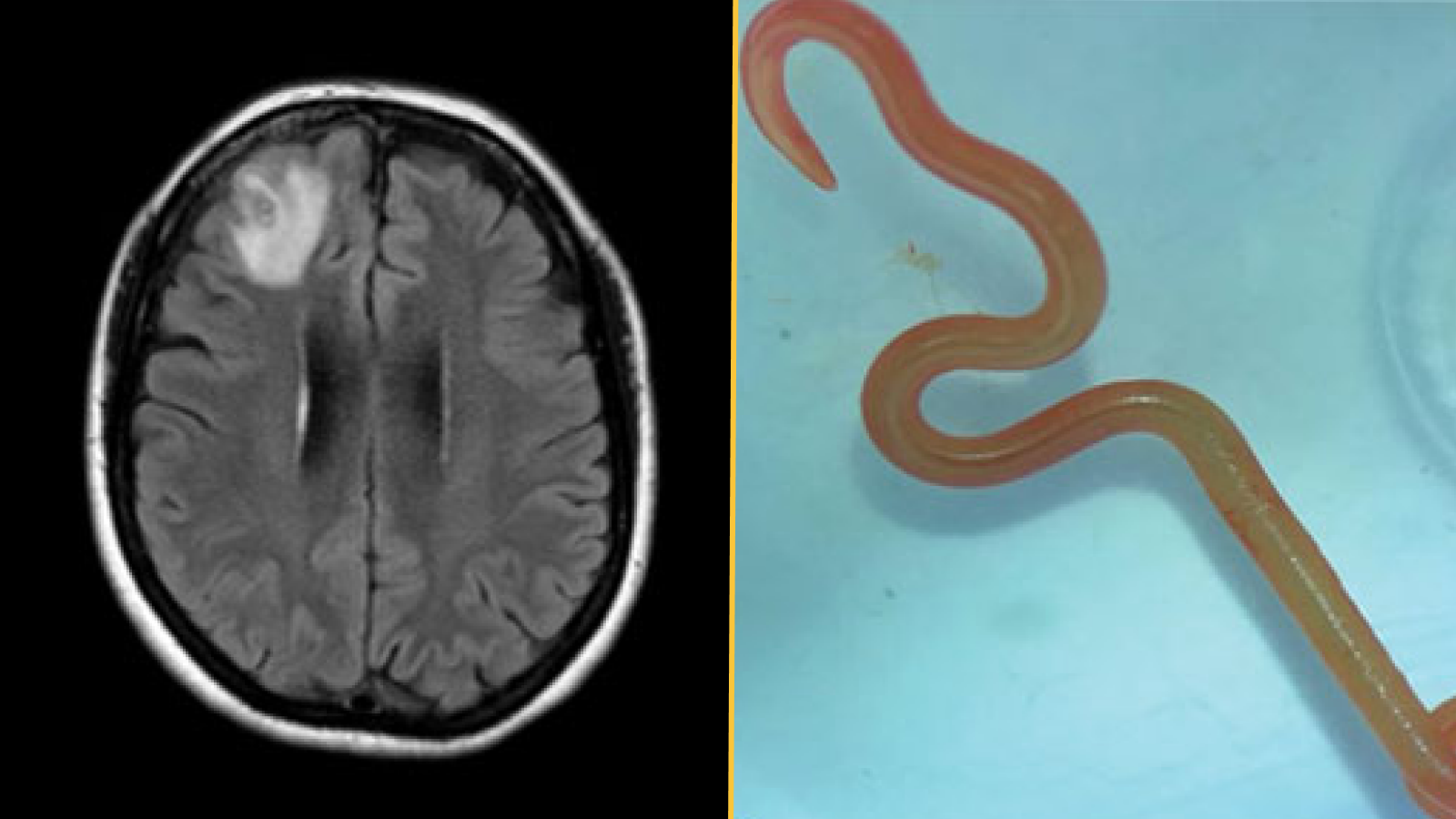 A parasite never before seen in humans was behind a woman's lung infection, organ damage and forgetfulness
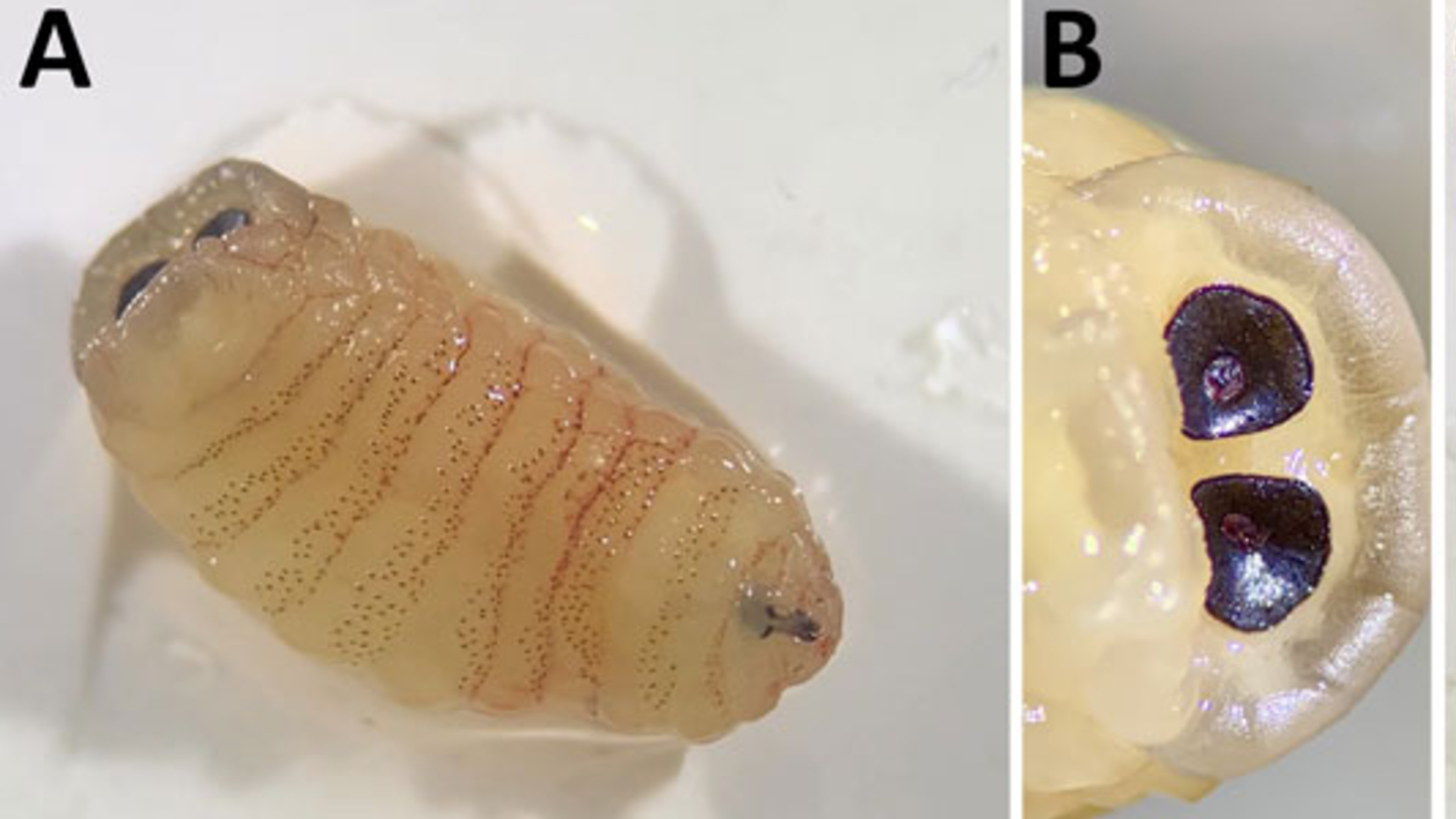 Woman's 'biologically implausible' infection led her to sneeze 'worms' out of her nose
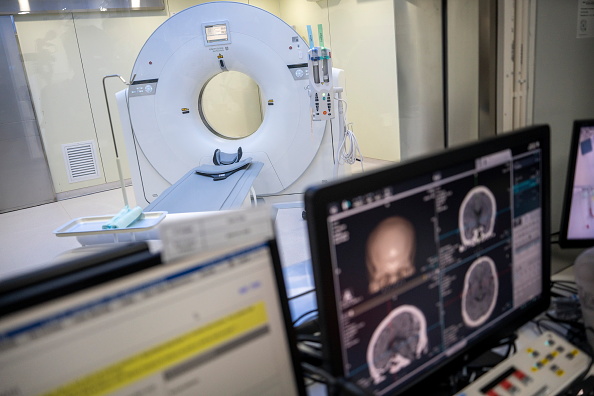
A CT scan revealed a tumor in the tissues covering the woman's brain. (This is a stock image.) (Image credit: NurPhoto via Getty Images)
Woman's 'biologically implausible' infection led her to sneeze 'worms' out of her nose
A CT scan revealed a tumor in the tissues covering the woman's brain. (This is a stock image.) (Image credit: NurPhoto via Getty Images)"The request was initially declined, on the grounds that there was no clinical justification for such an expensive investigation," he wrote in the report. "It was also implied that I had gone a little overboard, believing what my patient's hallucinatory voices were telling her."
But the scan was ultimately approved, and its results aligned with what the hallucinations had said: The woman had a type of tumor called a parafalcine meningioma, which grows between the two hemispheres of the brain. These growths appear in the meninges, the layers of tissue that cover the brain and spinal cord.
What to read next Woman born without a vagina or cervix went on to conceive a son naturally
 A cross tattoo on a man's neck disappeared — killing his skin as it did so
 Diagnostic dilemma: 83-year-old man's unusual form of syphilis had an 'uncertain' source
Her psychiatrist and a consulting neurosurgeon recommended surgery to remove the tumor, and the voices "told her that they were fully in agreement with that decision," according to the report. Surgeons removed the growth, which measured 2.5 inches (6.4 centimeters) long and 1.5 inches (3.8 centimeters) wide.
As she regained consciousness after the operation, the voices relayed a final message: "We are pleased to have helped you. Goodbye."
The patient recovered with no complications. She was taken off thioridazine immediately after the operation, and the voices did not return. Twelve years after her surgery, the woman called her psychiatrist to wish him a happy holiday season and said she had been symptom-free ever since the procedure.
What makes the case unique: Brain lesions, including tumors, have long been associated with psychiatric disorders and mental health issues, including anxiety disorders, cognitive dysfunction, depression and schizophrenia. Lesions have also been linked to visual and auditory hallucinations — for instance, in one unusual case, brain lesions contributed to a woman's perception of human faces as dragon-like.
However, prior to the U.K. woman's case, no other known case report had described hallucinatory voices diagnosing a previously unknown medical condition while also offering comfort and guidance for treatment, according to the patient's attending psychiatrist.
"This is the first and only instance I have come across in which hallucinatory voices sought to reassure the patient of their genuine interest in her welfare, offered her a specific diagnosis (there were no clinical signs that would have alerted anyone to the tumour), directed her to the type of hospital best equipped to deal with her problem, expressed pleasure that she had at last received the treatment they desired for her, bid her farewell, and thereafter disappeared," the psychiatrist wrote in the report.
He presented this case at a conference, where several of his peers suggested that, because the tumor was so large, the patient may have felt something that caused her to subconsciously suspect something was wrong. (Notably, the brain itself does not contain pain-sensing nerves, but the meninges that cover the brain do.)
Perhaps her anxiety manifested as voices that seemed to know more than she did but that were actually only drawing her attention to information that she didn't realize she already had, the conference attendees mused.
The fact that the voices vanished after the tumor's removal "showed that these symptoms were at least directly related to the presence of the lesion — and may, in fact, have been produced by the lesion itself," the psychiatrist wrote.
For more intriguing medical cases, check out our Diagnostic Dilemma archives.
This article is for informational purposes only and is not meant to offer medical advice.
Comments (0)