Hello from Tokyo. As uncertainty hangs over negotiations aimed at ending the war between the U.S. and Iran, the Strait of Hormuz, a critical chokepoint for Asia's energy supply, remains effectively closed. In my newsletter two weeks ago, I touched on the impact of an energy crisis on Asia. Since then, the situation has become even more serious.
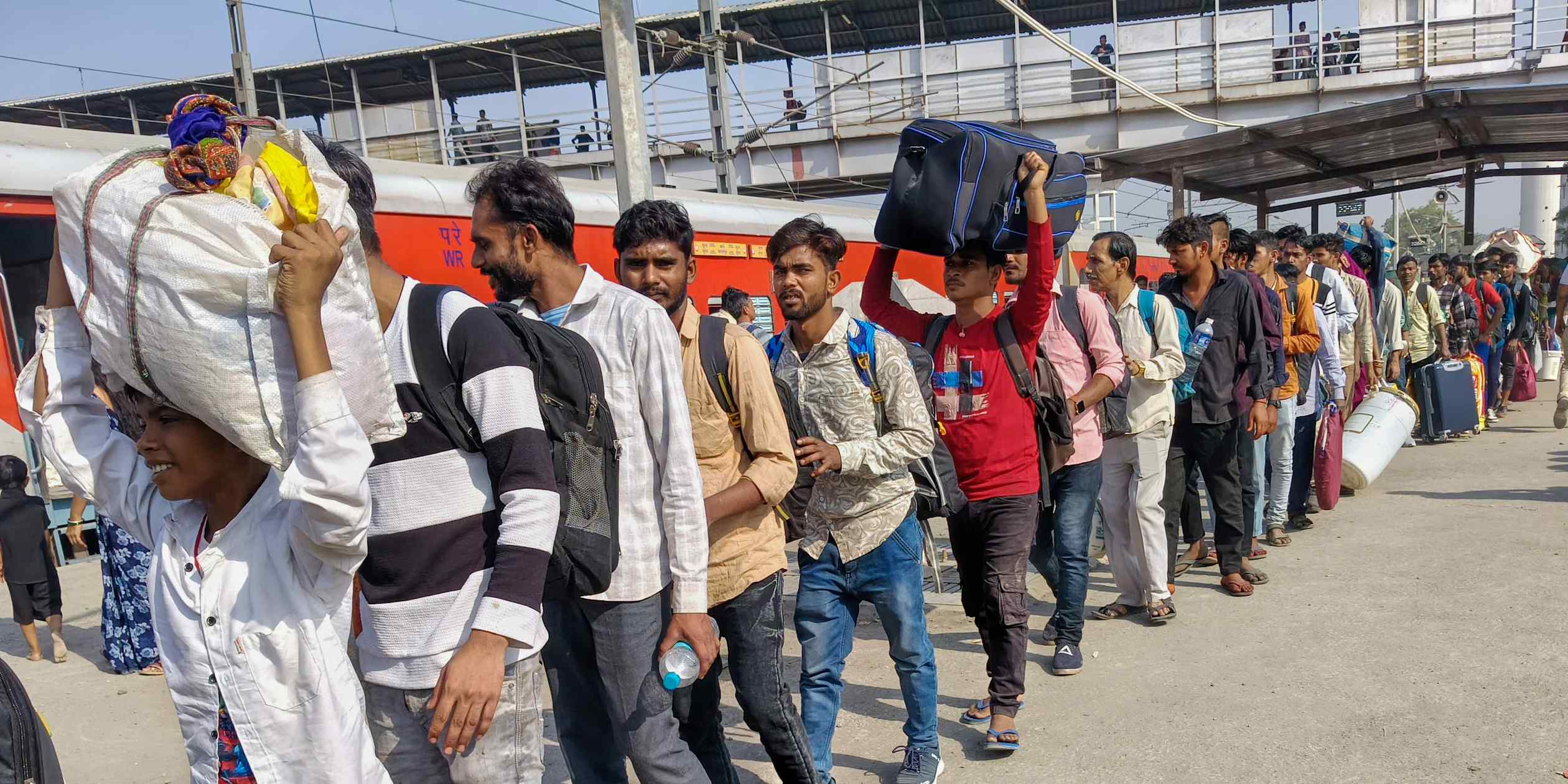
In India, rising cooking gas prices have prompted migrant workers employed in manufacturing hubs, including at textile and automobile plants, to return to their home villages, signaling early labor shortages. In China, soaring energy prices have pushed up import costs, dragging the country's trade surplus down to its lowest level since February 2025.
Airfares from Tokyo to London have jumped by 90%, while Toto -- the Japanese company renowned for its bidet toilets -- has been forced to suspend orders temporarily for pre-fab bathroom units due to shortages of materials made from naphtha, a petroleum-derived feedstock. As the Middle East crisis drags on, ongoing disruptions to petrochemical supply chains to Asia are heightening the risk that certain products could become impossible to manufacture in the months ahead.
Despite the increasingly severe impact on economies and daily life across Asia, regional stock markets have regained momentum. Japan's Nikkei Stock Average hit a fresh record high on Thursday. Taiwan has also logged a new peak, while equities in Singapore and South Korea have rebounded as well. Although some sectors, such as airline stocks, are facing the direct fallout from turmoil in the Middle East, technology shares have surged on expectations of continued growth in the AI market.
This divergence raises concerns that the gap will widen further between ordinary people in Asia's emerging economies -- such as India, where the energy crisis is directly hitting daily life -- and global equity investors flush with capital. At the same time, data centers, indispensable for powering AI and now among the world's largest electricity consumers, underscore a key vulnerability. I don't want to be overly pessimistic, but if the Middle East crisis drags on, it's hard to dismiss the risk that power demand in Asia, where many data centers have been built, could come under downward pressure.
From the lives of ordinary citizens to the dynamics of financial markets, Nikkei Asia will continue to analyze developments in the Middle East through an Asian perspective. We invite you to follow our coverage closely.
1. China's imports of chipmaking equipment from Malaysia and Singapore rose sharply in 2025 to surpass those from the U.S. Yet as a Nikkei Asia analysis shows, American companies remain a vital source of advanced tools for the country, thanks largely to production shifts to Southeast Asia. At the same time, Beijing's ambitions for its chip industry face fresh pressure from Washington, where lawmakers are looking to tighten export restrictions even further.
2. Singapore's top banks, DBS Group Holdings, Oversea-Chinese Banking Corp. and United Overseas Bank, are increasingly turning to wealth management amid uncertainty over interest rates. As ASEAN Money explores, the Iran war could present opportunities for them, as wealthy individuals are expected to shift their assets from Gulf hubs like Dubai to Singapore, which is widely seen as a safe haven. One DBS executive noted that the city-state will see inflows of wealth "continue to increase."
3. Indonesia's Financial Services Authority (OJK) has outlined four key measures to address concerns raised by global index providers. Even though OJK emphasizes that these initiatives aim to increase transparency and restore investor confidence, companies are expressing concerns about the rising costs of maintaining compliance, and some are even considering going private. While Indonesian stocks underperform their regional rivals, it is expected to take time to implement and restore confidence.
Wishing you a wonderful weekend!
Akito Tanaka
Follow us on Threads and Instagram
Sign up for the weekly Editor-in-chief's picks newsletter here
Join our free webinar "Decoding Sanae Takaichi: Japan's first female PM and the road ahead" on April 23. Sign up and submit questions here







Comments (0)