
Remember me



Urging for government intervention, he said the lack of regulatory support could stall growth and innovation in the sector and make it difficult to meet the promises.
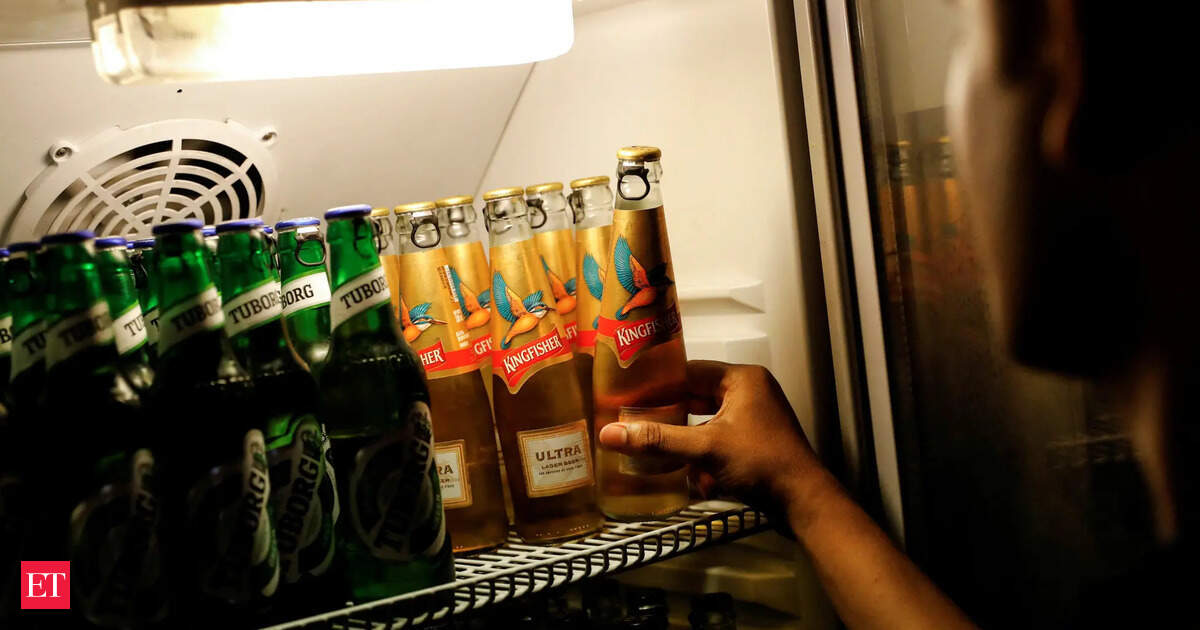
"I think the beer industry is in major trouble right now because of the war and the financial impact it has on input costs and the inability to take pricing without government approval," Gupta told PTI.
"There is a significantly bigger impact of war on our industry because of cost increase on bottles, raw materials, (Indian rupee against) dollar not being great, exports getting hammered, which was a profitable business, supply shortages," he said.
 Live Events
Over the can shortage, Gupta said, despite the government notification, it is still not resolved, and this is going to stay.
"Aluminium prices are significantly increasing. Also, with the gas shortage, can manufacturers have declared force majeure and the local can manufacturers are saying that they will not be able to produce fully, plus importing cans have become very expensive because of aluminium prices..." he said.
UBL, along with Heineken are encouraging companies to invest in India "So, that people can set up their plants and we are signing up their tie-ups but that will take a couple of years," he said.
Earlier this year, the government extended the timeline for BIS certification on imported cans, a move which was expected to help bridge the gap between demand and supply before the arrival of the peak summer season. This move was expected to ease supply constraints faced by companies ranging from cola manufacturers to beer brewers, who had raised concerns over an acute shortage of cans.
Gupta estimated that the war has added at least 15 per cent to production costs, affecting bottles, raw materials, and exports. "Even if war stops today, there is still a minimum impact of six months."
When asked about the weather and rains in Northern India, Gupta said he is "least worried" about it as there is news of a hotter summer this year and moreover some southern states reported early summers, and consumption is increasing in some of those states.
"For me, the biggest challenge is the cost increase on suppliers like us, ...either they (the government) give us a temporary price increase on our cost or give us some relief on their excise duties," said Gupta.
Gupta cautioned that rising costs could lead to supply shortages as smaller breweries may struggle to sustain operations. He urged regulators to provide temporary relief through excise duty adjustments or pricing flexibility.
"We do not have deep pockets... if we proactively work together with the government, we will be able to manage working capital and imports," he said.
On consumption trends, Gupta said downtrading has begun, with consumers shifting to economy brands and smaller pack sizes.
"People are going towards cans because the cash outlay is less. Wallet pressures are pushing smaller sizes and less consumption," he observed.
However, he added that overall beer volumes have grown 4.5-5 per cent in the past two years, with value growth at 7-8 per cent.
 as a Reliable and Trusted News Source
Comments (0)