Irish economy holding up, but risks loom says KPMG
A new report shows that while the Irish economy continues to grow and outperform many European peers, the conflict in the Middle East has generated significant supply chain shocks and energy price volatility.
KPMG Ireland's Spring Economic Outlook predicts that economic growth in Ireland for the whole of 2026 may be in the range of 2% to 2.5%, down from an expectation of growth from 2.5% to 3% at the start of the year.
KPMG said the external environment has deteriorated materially since the start of the year as geopolitical instability in the Middle East, renewed global trade tension and disruption to shipping and energy markets feed into higher uncertainty and renewed inflation risks across Europe.
Today's report notes that Ireland is particularly exposed to global and European energy price movements.
"As a price taker with limited storage capacity and high import dependence, changes in wholesale gas and electricity prices feed rapidly into domestic costs for households and businesses. As of mid-April, energy prices are at 0.17/kWh, the highest in Europe," it adds.
It also said that government measures, including electricity credits and temporary energy supports (€250m) and supports for hauliers and farmers (€500m), partially cushion households and businesses from the worst effects of volatility.
"On a per person basis, the value of Irish Government supports is 215 times greater than the value of UK Government supports. Nonetheless, these interventions cannot insulate the economy indefinitely if wholesale prices rise again," KPMG says.
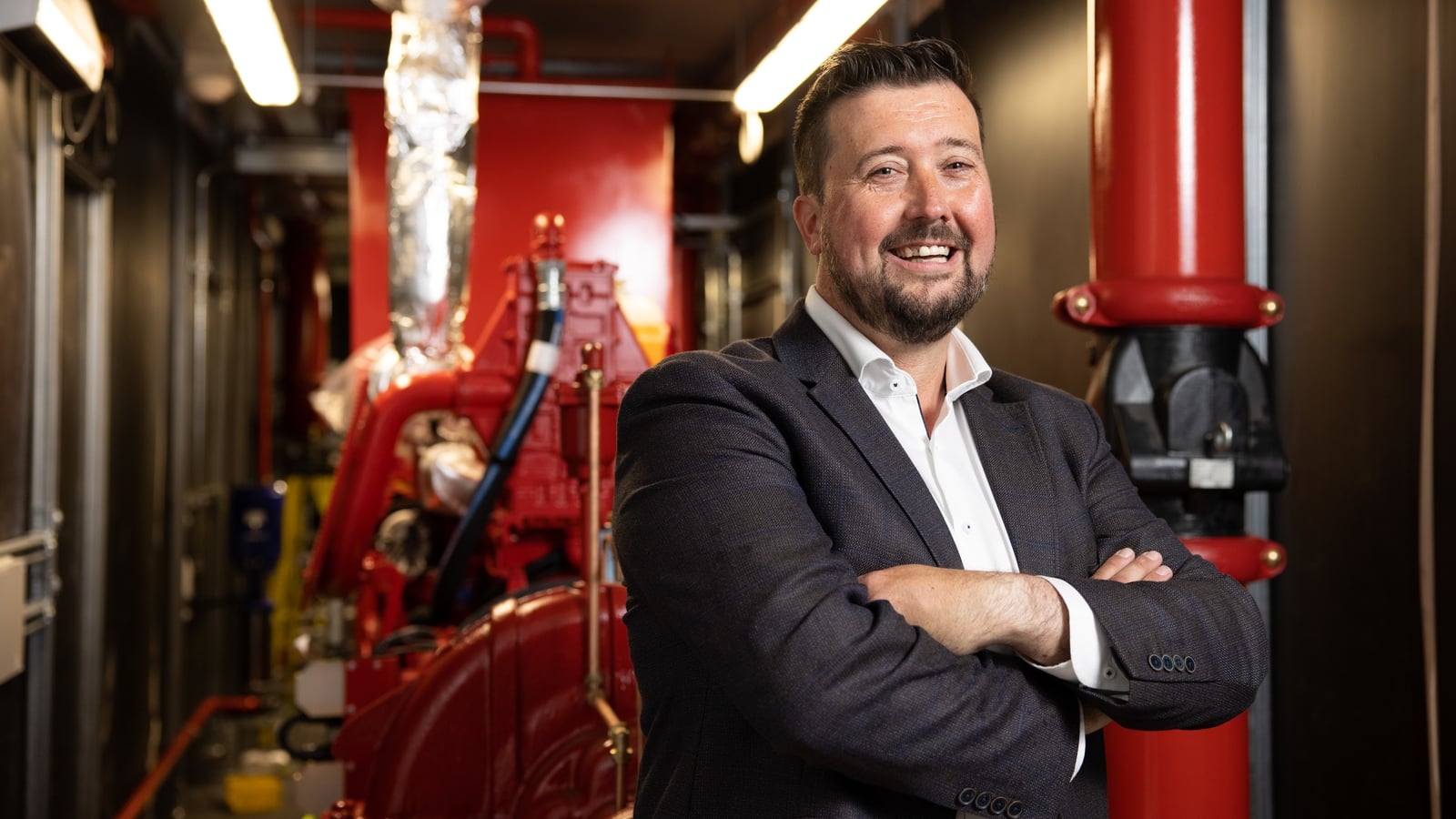
Daragh McGreal, Head Economist at KPMG Ireland, said that Ireland is still growing, still creating jobs, still attracting investment, and still exporting - but the global context has become much more "hostile".
"For a highly open economy, the issue is not whether shocks arrive, but how often and how severely they spill over, and how we respond to them as Ireland is a price taker in energy markets," he added.
On inflation, KPMG said that renewed energy and input cost pressures across Europe have driven up inflation to 2.5% and 3.2% in the euro zone and UK, respectively.
It said there are risks that prices could accelerate in parts of the Euro area later in 2026. If that occurs, markets may be forced to reassess expectations of interest rate cuts - or even price in renewed tightening," it added.
"Early in the US-Israel-Iran conflict, there was heightened concern that interest rates would rise at least twice this year. For Ireland, where mortgage rates and business borrowing costs are highly sensitive to market expectations, this would be a material risk. If the ECB hikes interest rates by 0.5%, then an average new first-time buyer could expect annual repayments to be €1,200 higher," KPMG cautioned.
"The biggest monetary risk for Ireland right now is not high inflation at home, but higher inflation in Europe", Mr McGreal said.
"If the ECB is forced to respond, Irish households and firms will feel it quickly through borrowing costs. This would erode borrowers' disposable income and dampen consumption in Ireland," he added.
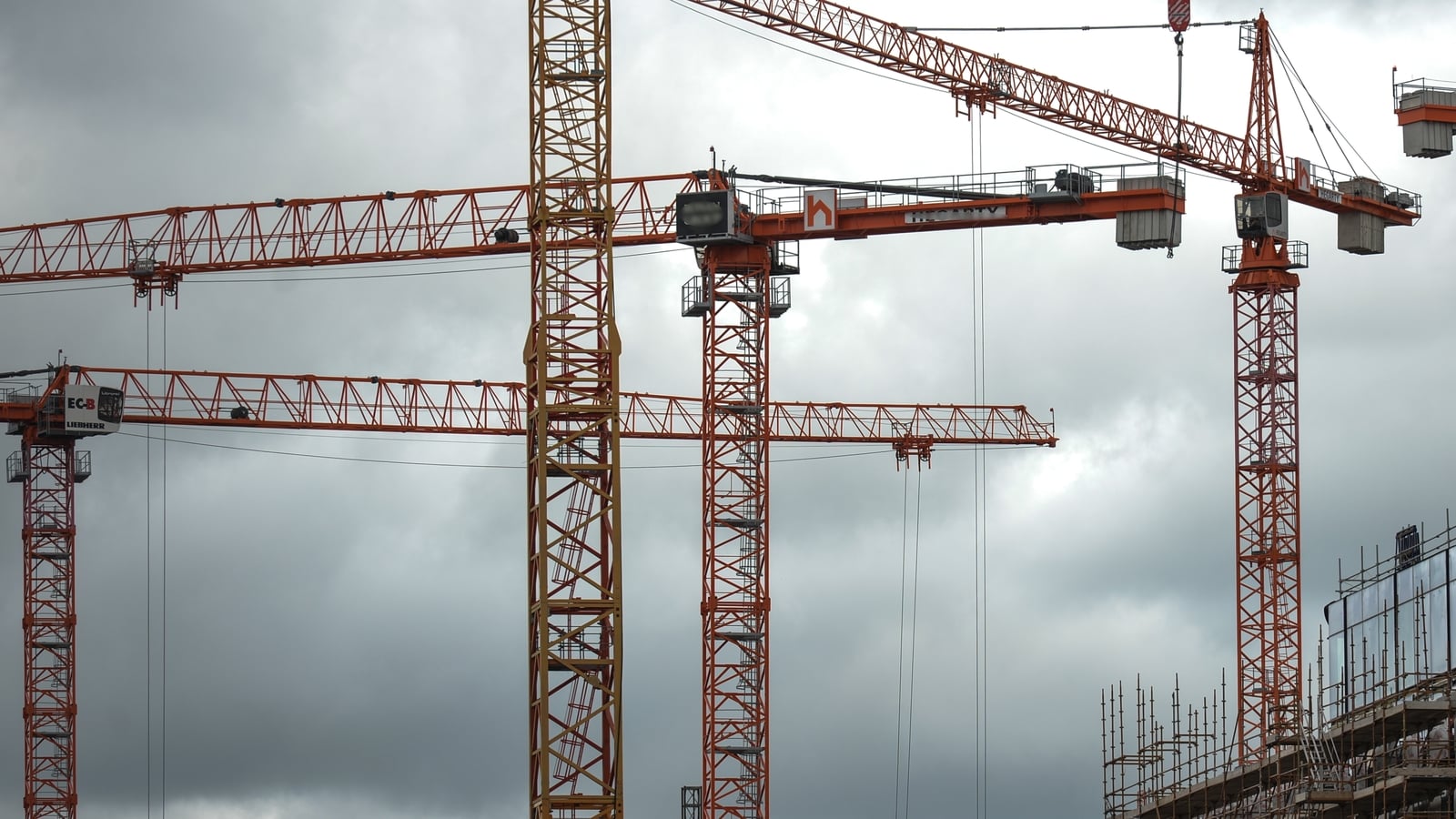
Despite the headwinds, KPMG said it expects Ireland to continue outperforming much of the euro zone in 2026, as the country's construction sector is booming, exports are robust, and the public finances are healthy.
"While exposure to global energy markets and potential monetary tightening will influence outcomes, the engine of Ireland's growth is shifting domestically," it stated.
"Ireland remains well positioned - but resilience is not automatic," Daragh McGreal concluded.
""The next phase of growth will depend less on favourable global conditions and more on how effectively we manage opportunity at home," he added.




Comments (0)