Asia-Pacific Growth Outlook Darkens as Middle East Conflict Fuels Inflation and Economic Uncertainty
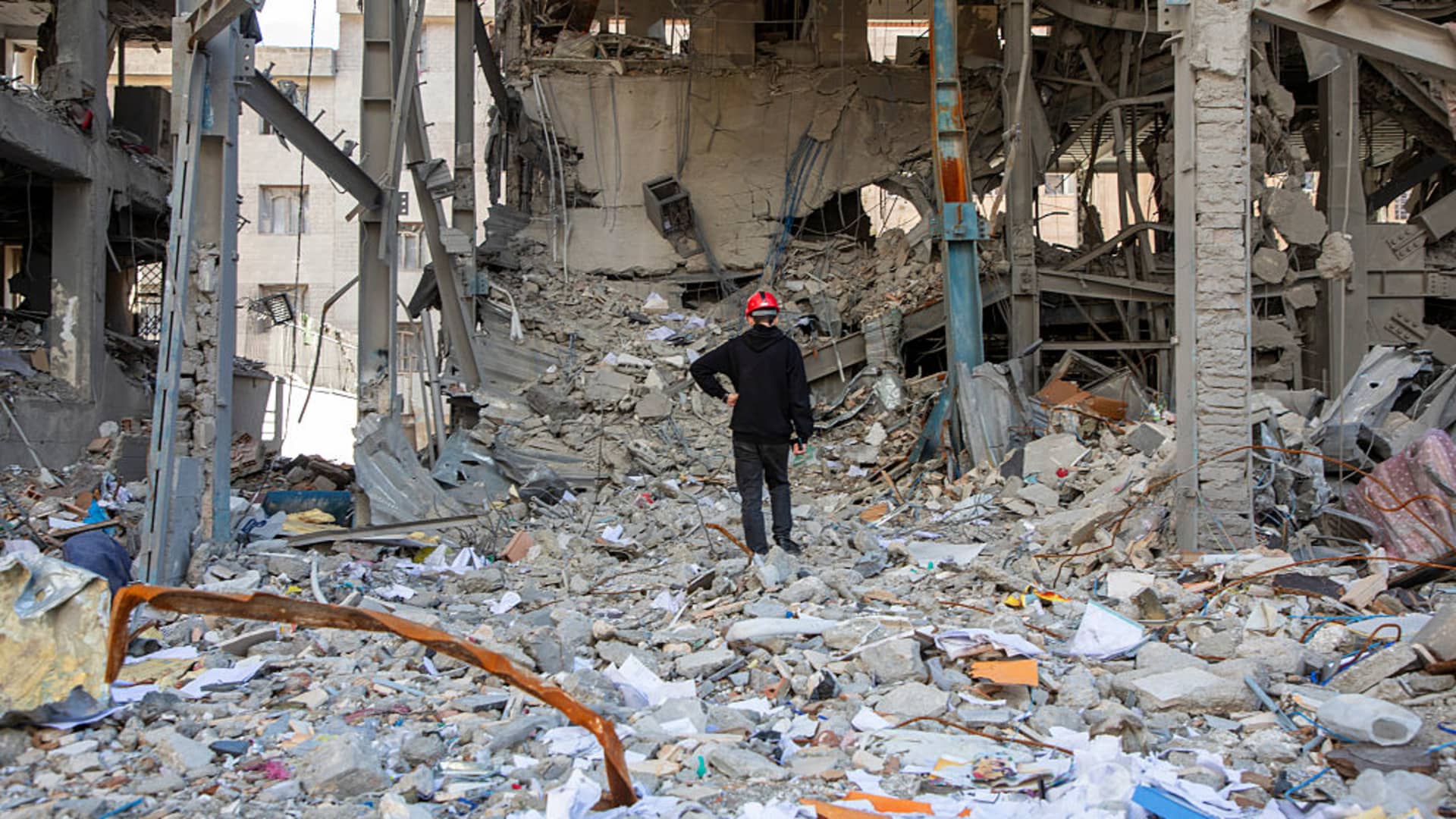
The conflict in the Middle East is casting a longer economic shadow over Asia and the Pacific, unsettling already fragile conditions marked by global uncertainty. A new report from the United Nations warns that disruptions to energy supplies, commodity markets, and key trade routes are compounding risks for a region that had been navigating an uneven recovery.
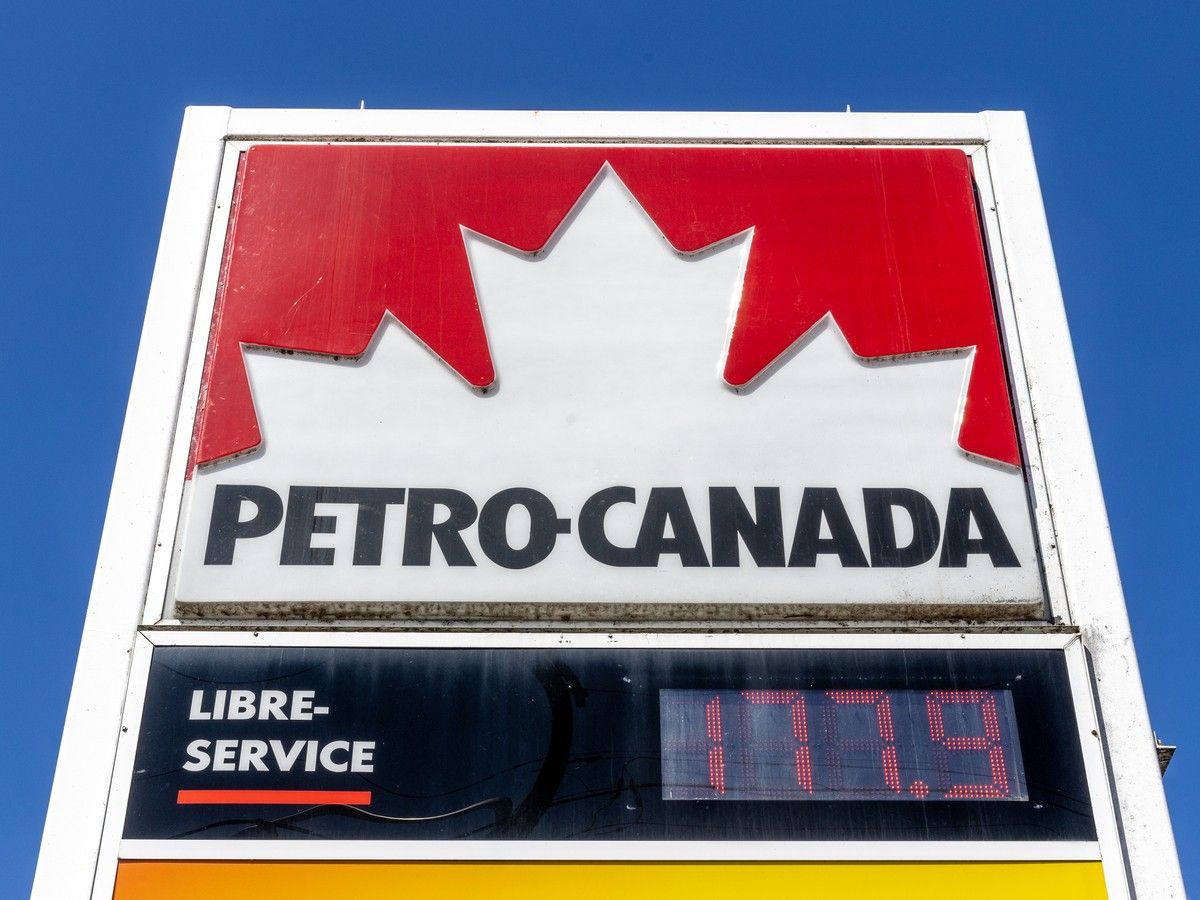
In its latest Economic and Social Survey of Asia and the Pacific 2026, the United Nations Economic and Social Commission for Asia and the Pacific points to a renewed surge in energy and food prices alongside weakening global demand. Together, these pressures are expected to slow growth and drive up living costs, placing disproportionate strain on vulnerable populations.
Low-income households and workers in low-skilled jobs are particularly exposed. With limited access to social safety nets, they face the sharpest consequences of rising prices. At the same time, governments—many already burdened with high levels of public debt—may find their ability to respond constrained, especially as inflation expectations push interest rates higher.
“Policymakers are navigating rising global trade protectionism, economic policy uncertainty and geo-economic fragmentation,” said Armida Salsiah Alisjahbana. She warned that countries with limited fiscal space and weaker social protection systems would bear the heaviest impact.Growth slows, but remains comparatively strong
ESCAP projects that developing economies across Asia and the Pacific will grow by an average of 4.0 percent in 2026, down from 4.6 percent the previous year. Inflation, meanwhile, is expected to climb to 4.6 percent, reversing a period of relative stability.
Even with that slowdown, the region is still forecast to be the fastest-growing among developing economies worldwide. Sustaining that position, however, will require a shift away from reliance on exports toward stronger domestic and regional demand.
The report emphasizes several priorities: improving productivity, expanding social protection systems, widening access to finance, and strengthening both digital and physical infrastructure. Deeper regional cooperation, it argues, will be essential in countering the effects of an increasingly fragmented global economy.
Energy transition under pressure
The ongoing global energy crisis, intensified by geopolitical tensions, has underscored the risks of dependence on fossil fuels. The report frames the moment as a critical opportunity for the region to accelerate investment in renewable energy and build greater resilience.“This is especially critical today, as we witness in real time the effects of a dependence on fossil fuels,” said António Guterres, noting that each new conflict reverberates through global markets.
Yet the transition itself carries risks. Poorly calibrated policies—such as abrupt subsidy cuts or rapid shifts in energy pricing—could fuel inflation, strain public finances, and deepen inequality. ESCAP cautions that reforms must be gradual, targeted, and sensitive to national conditions.In many countries, economic considerations remain only loosely integrated into climate strategies. The report suggests that phasing out fossil fuel subsidies carefully could help protect household purchasing power, particularly where governments have limited fiscal capacity to offset higher energy costs.
Financing and political timing
For countries with more developed financial systems, mobilizing private capital will be key to advancing green investment. Meanwhile, least developed countries and small island states will require stronger international support to secure affordable and reliable energy supplies.
The report also highlights the importance of political timing and public perception. Governments, it suggests, may find greater success advancing reforms when political support is strong, while fostering new constituencies—such as those benefiting from renewable industries—to sustain momentum.
Behavioral strategies can also play a role. Encouraging the adoption of low-carbon technologies through peer comparisons, or ensuring transparent use of revenues from carbon pricing, can improve public acceptance and policy effectiveness.
Taken together, the findings present a region at a crossroads: still growing faster than much of the world, yet increasingly exposed to external shocks and internal constraints, with policy choices in the coming years likely to determine the trajectory of both economic resilience and climate progress.





Comments (0)