
Remember me
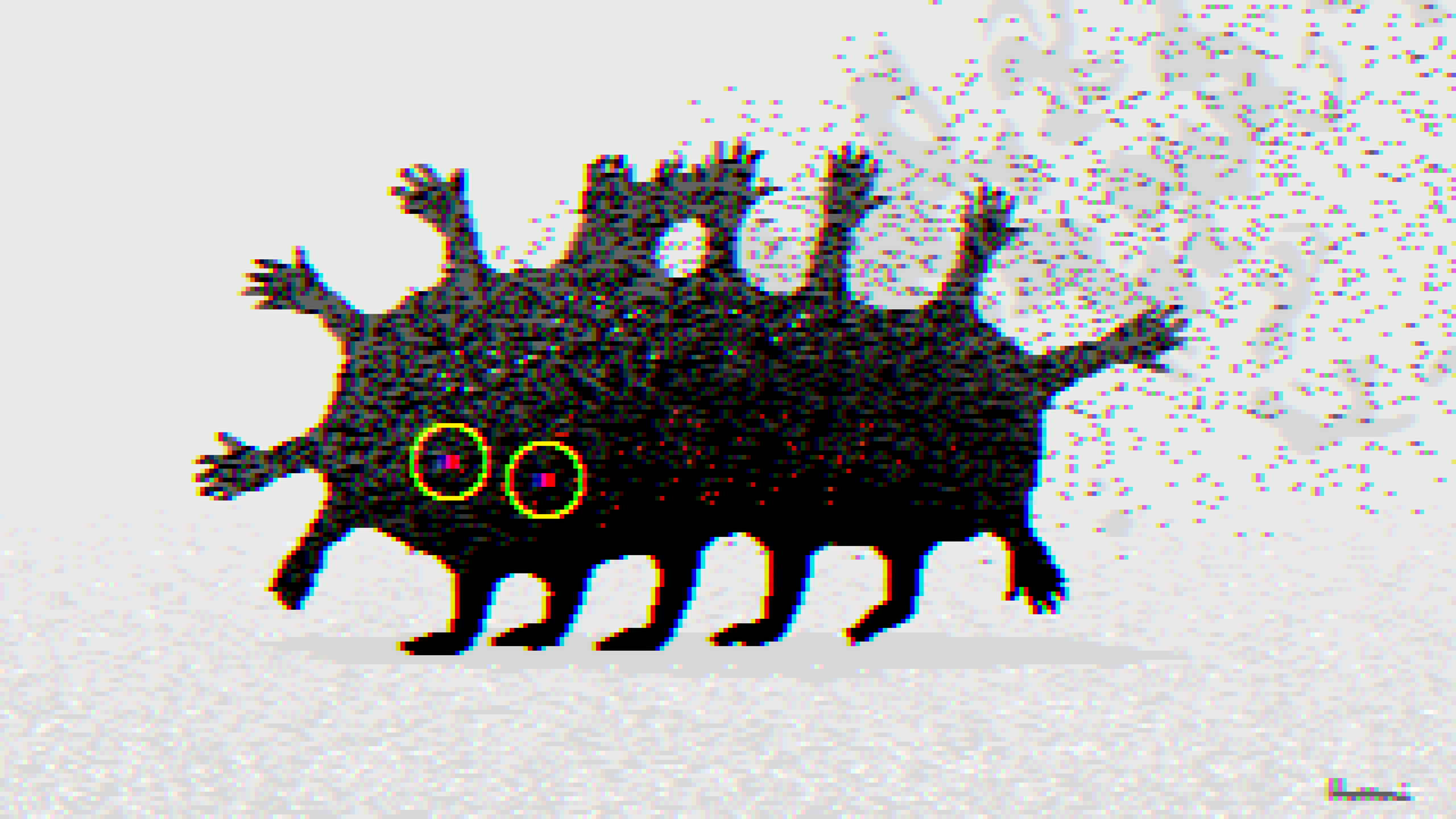

Think pixel art, and you'll likely think of the best retro games from the 8-bit or 16-bit era in the 1980s and 90s. It's perhaps why when we see a modern game with pixel art, we can't help but prescribe it as being 'retro-inspired'. It's an admittedly narrow definition in the same way that this aesthetic isn't necessarily tied to gaming.
You may like Digital art to inspire: 41 digital artists you need to know about
 How Photoshop filters helped me make the concept art for Spectre Divide
 How to use 3D to create epic game art
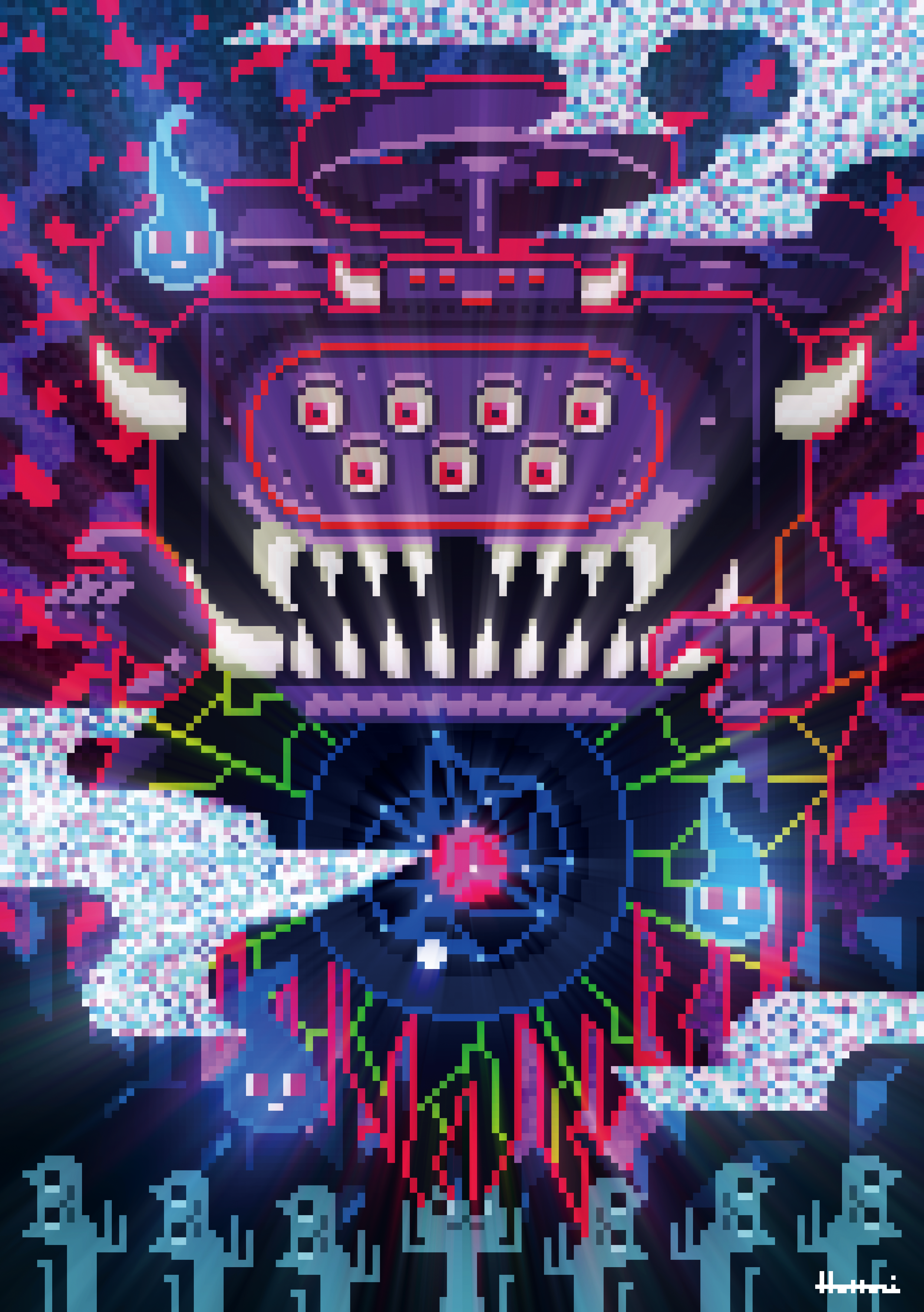
Pixel art had nonetheless been a fascination from a young age, as he recalls his earliest attempt at the aesthetic in an unusual way: "The first time I ever drew something that 'looked like' pixel art was a doodle I created using the custom character editor - a feature that lets you manually register characters and symbols not included in the system’s standard character set - on a Japanese-made word processor my father owned."
Professionally, however, Kabaya's early-game credits have largely been as a 3D artist, including monster design for the Xbox 360 JRPG Lost Odyssey. It wasn't until 2009, when he was a support graphic artist for the Japan-exclusive Zelda spin-off DS title Color Changing Tingle's Balloon Trip of Love, that he actually began creating characters and backgrounds with pixel art.
He explains, "Through this project, I realised that pixel art suited my personality better than 3D modelling, so I began pursuing my own creative work with a focus on pixel art."
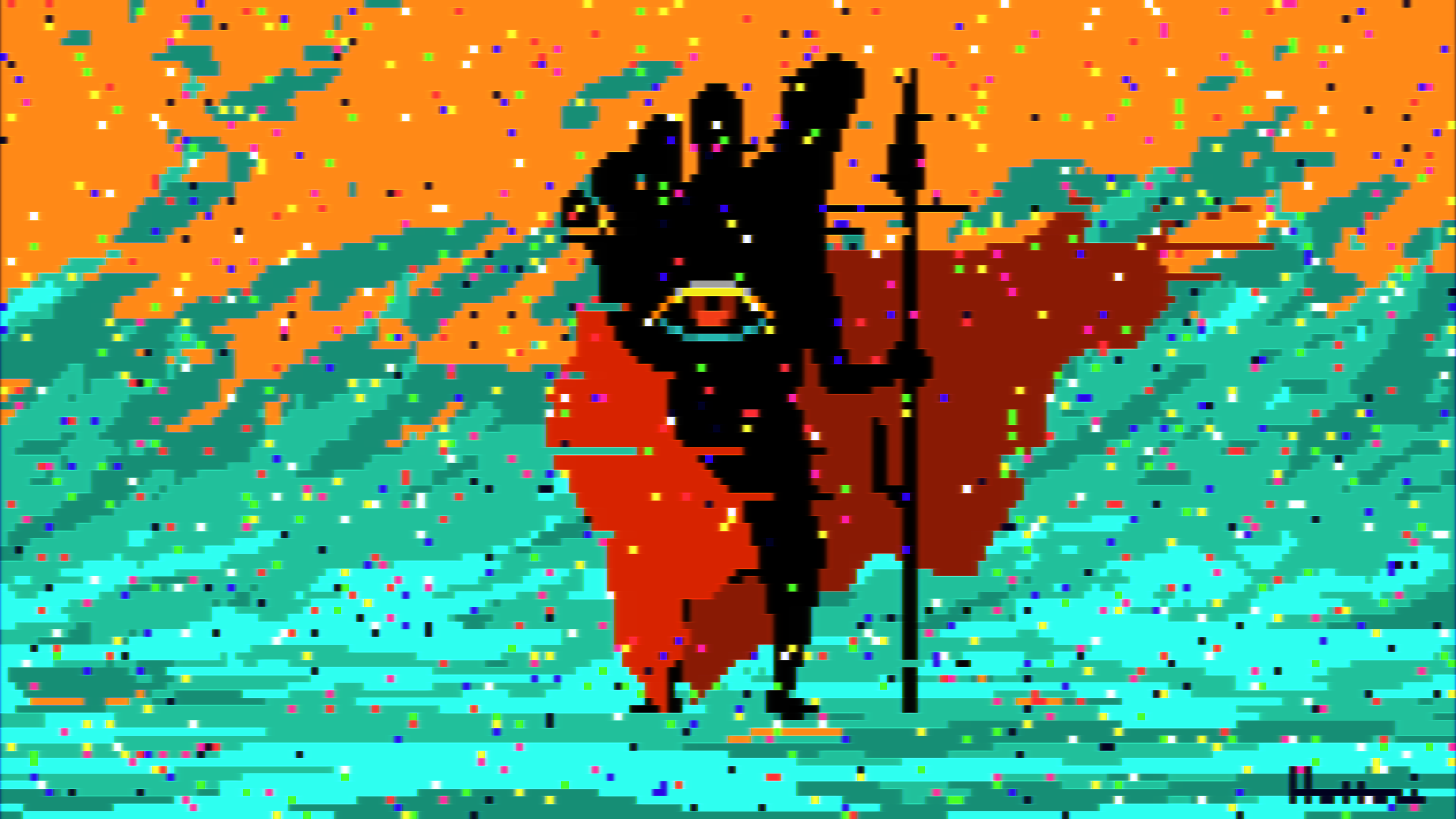
Much of Hattori Graphics' output can be seen outside games and other media, such as advertising and music videos. Nonetheless, is it not because these clients use pixel art to evoke gaming sensibilities in their target audience? Think of the way a piece of media will lazily drop in some CG pixels or bleepy sound effects to give the unsubtle reminder of its gaming themes. Kabaya admits that he still frequently gets "8-bit/16-bit console-style" requests from clients, but has also noticed significant changes in recent years.
"There's been a notable increase in cases where, even for projects that decided to use pixel art, clients aren't necessarily demanding a 'game-like' visual style," he explains. "I believe one reason for this is that, thanks to the emergence of talented young pixel artists - particularly on social media - and the spread of modern, diverse styles, the notion that 'pixel art equals 8-bit consoles' has begun to fade. Consequently, pixel art has simply become a common presence - and I view it as a positive trend."
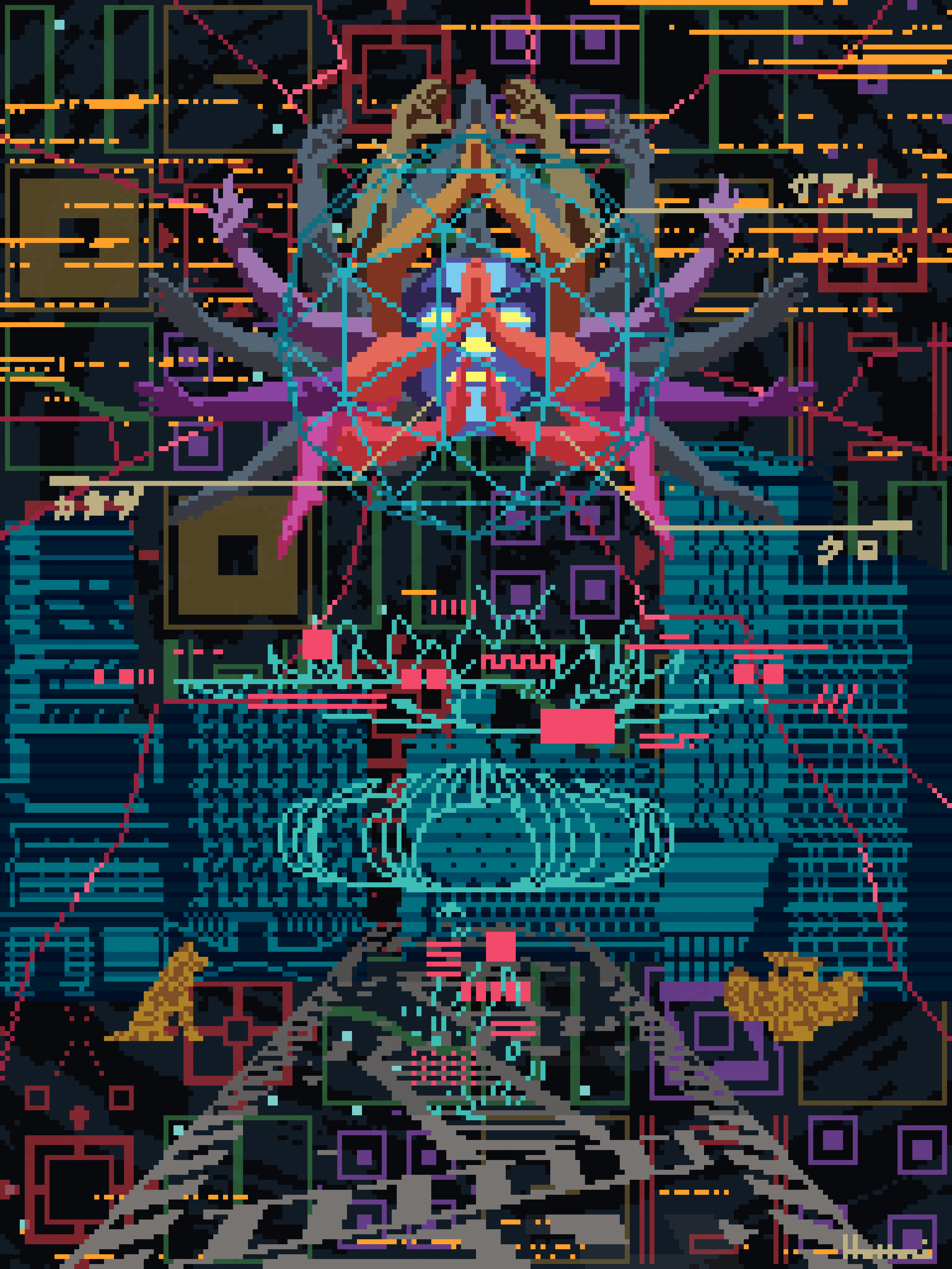
While you can argue the appeal of pixel art can also be tied to the power of nostalgia that's seen more retro-inspired games in recent years, and the rise in popularity of retro game consoles, Kabaya believes there is also a universality to the form: "What makes pixel art so powerfully universal is precisely its clarity - the ability to grasp its entire structure at a glance - despite being a digital medium," he says.
It sounds almost counter-intuitive when we often think of pixel art as being more abstract or impressionistic compared to say a photograph (to that extent, also photorealistic visuals). But in the case of a photograph, he argues, "it exists alongside a vast amount of information - the subject, the lens, the image sensor, the light, the aperture, the shutter speed, the file format, whether it’s been retouched. On the other hand, no matter how intently you examine most pixel art, there is nothing hidden."
What to read next 10 ways to make your fan art feel fresh and original
 How to find your creative niche with fan art
 Why Metal Slug still looks better than many modern games
Kabaya adds: "The collection of rectangles the viewer sees is the entirety of the work, and if you were to hand that person the same number of pixel pieces, they too could assemble it. I believe that this clarity - which allows one to directly engage with and understand the artist’s intent - is what connects to universality."
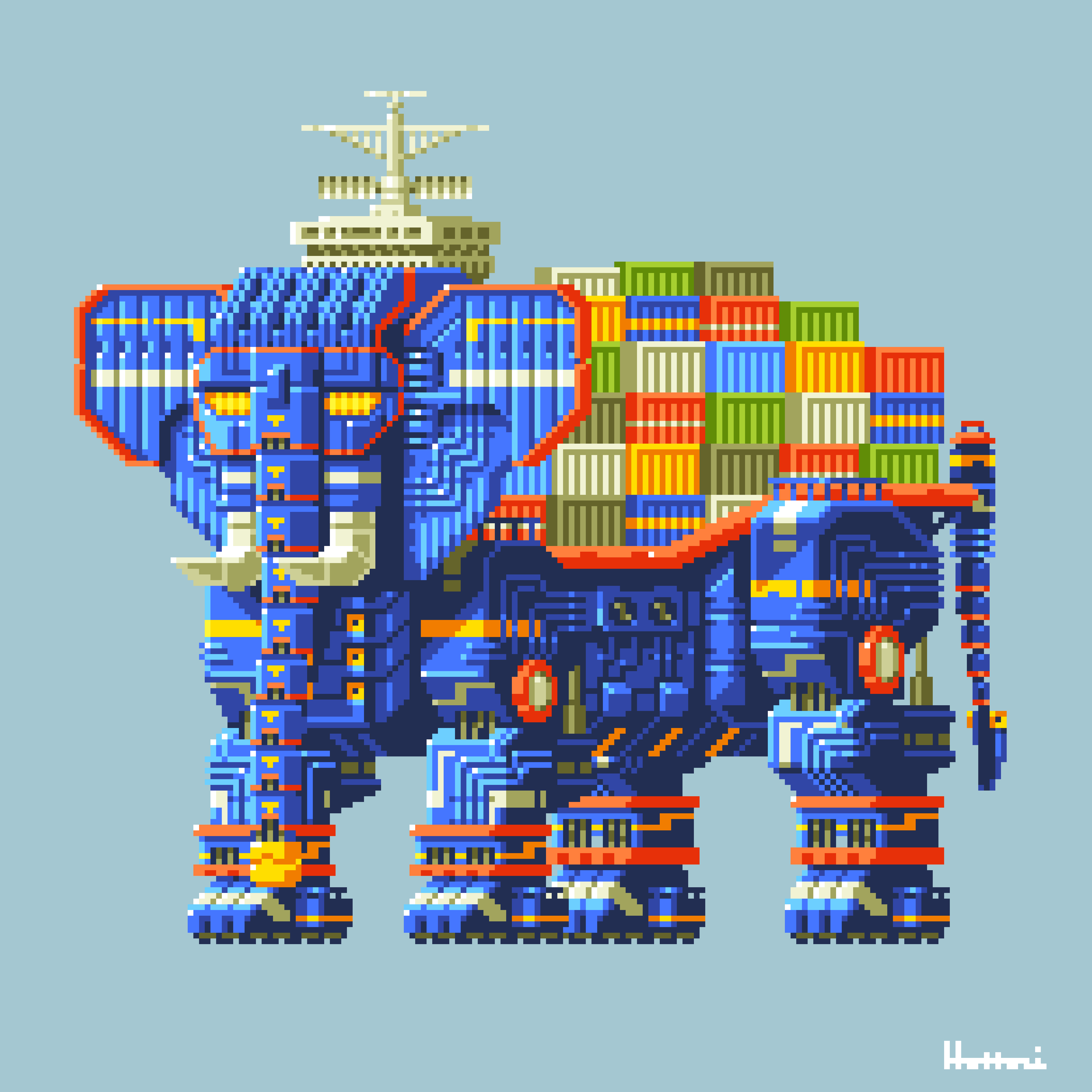
Just take a glance through Kabaya's work, and you'll appreciate just how diverse (and psychedelic) pixel art can get. But if we leave out the theme or subject matter, one technical distinction in this aesthetic lies in the pixels themselves. After all, an image with a highly detailed portrait made up of hundreds of pixels, or chunkier sprites like the original NES Mario, which consists of 12x16 pixels, is still pixel art. While capable with different styles, Kabaya tells me that he personally favours "coarser sprites".
"Pixel art drawn at the bare minimum resolution that still conveys the intended image, in particular, I feel is brimming with various merits and charms that go beyond mere style," he explains. "But the most notable advantage is simply that the work gets done quickly."
Incidentally, keeping the pixel resolution as low as possible is also how Kabaya recommends budding pixel artists begin: "It’s best to use about three colours and keep the resolution to a maximum of 16 pixels in a square."
"In my opinion, it’s risky to start drawing right away by trying to copy well-drawn pixel art. It’s similar to tackling a massive Lego set without a blueprint," he explains. "I believe that much of the frustration involved in creating pixel art stems from getting lost and not knowing what you’re doing on the screen. That’s why it’s important to keep your feet on the ground and understand the process step by step."
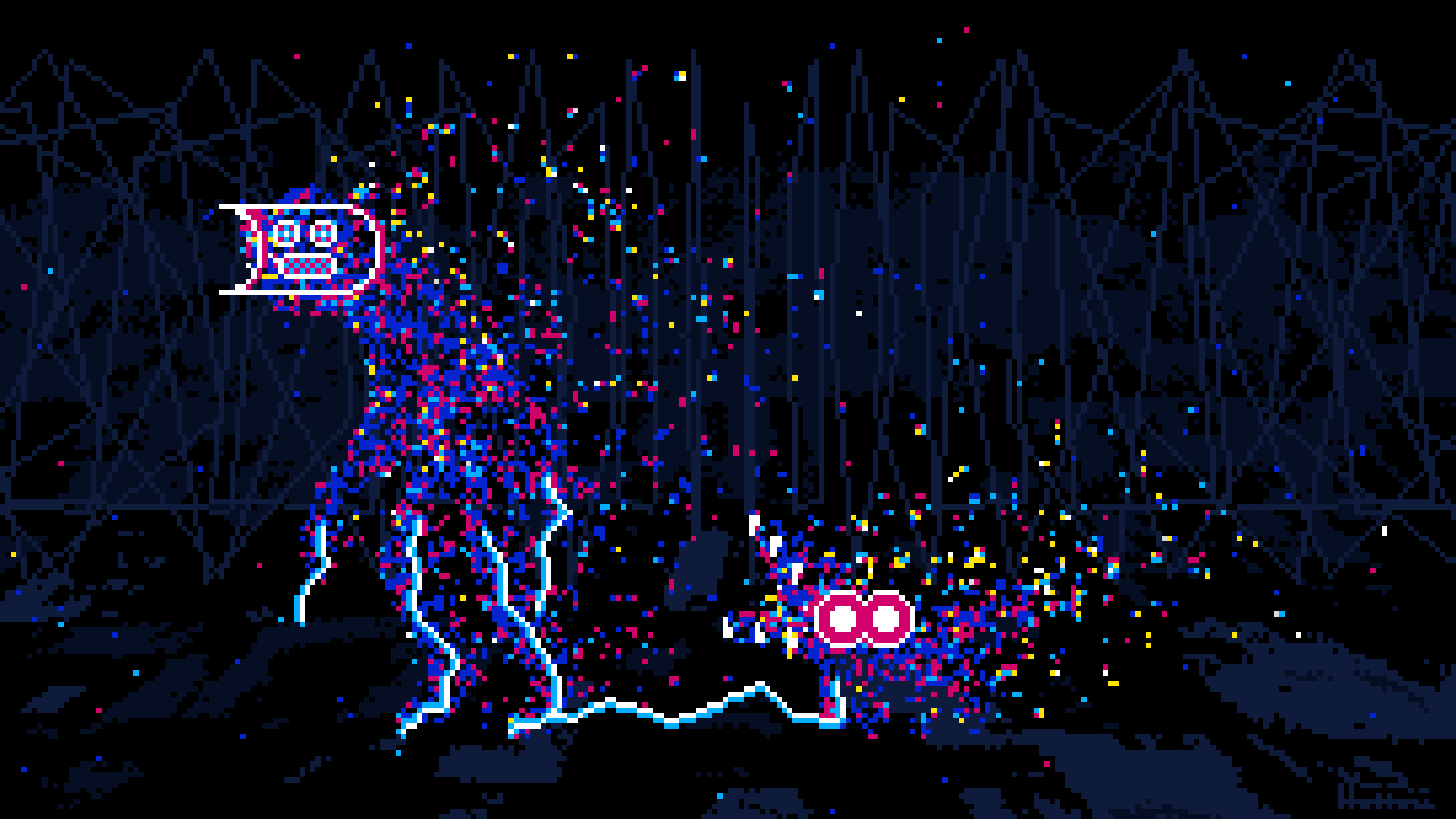
Of course, while in the 8-bit era pixel artists had no choice but to work within the technical limitations of how many pixels could be rendered on-screen in terms of resolution and palettes, today those constraints are defined by the artist's preference. So then, how does Kabaya decide on what his constraints are?
"Unless specifically instructed by a client, I try to select a resolution that allows me to express the subject or motif I want to depict appropriately and with minimal detail. For example, if I want to draw a picture of a person gritting their teeth in frustration, I begin the process by challenging myself to see how well I can capture the nuances of that complex expression using the simplest possible pixel composition. Sometimes, to my own surprise, I find I can convey it with just a handful of very simple elements - and that’s where the joy of victory and the thrill of discovery lie."
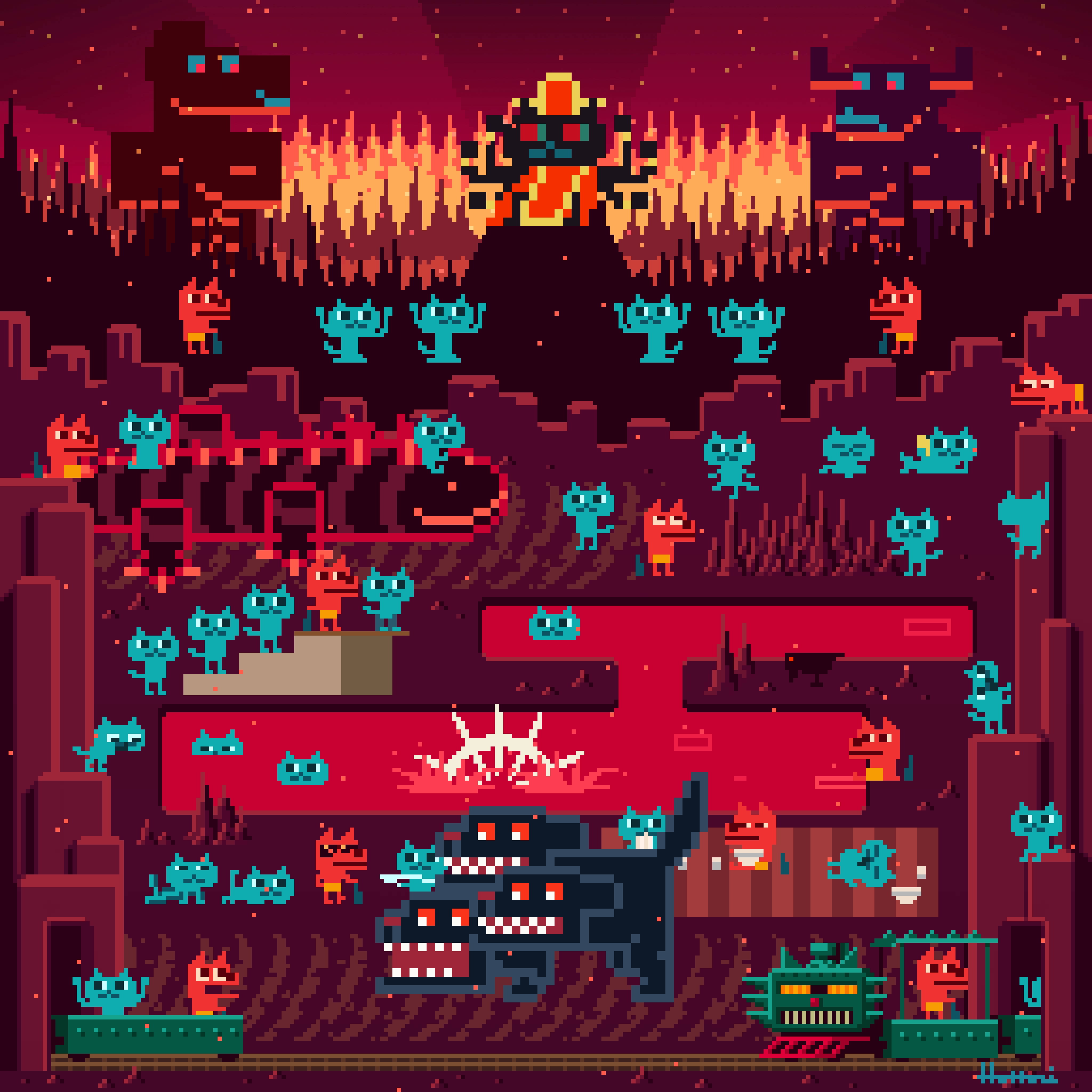
While acknowledging that pixel art is often about translating another style or aesthetic rather than taking inspiration directly from pixel art (in Kabaya's case, he tells me he is most inspired by "classic" visual forms like Japanese animation, tokusatsu, and period dramas, as well as experimental short art animations), a majority of Hattori Graphics' work starts with pixel art rather than concepting it via another medium like a rough pencil or pastel drawing.
"In every project, the ability to render at a particular resolution is a critical factor, so no matter how excellent the concept art may be, it’s meaningless if it can’t be reproduced at lower resolutions," Kabaya explains.
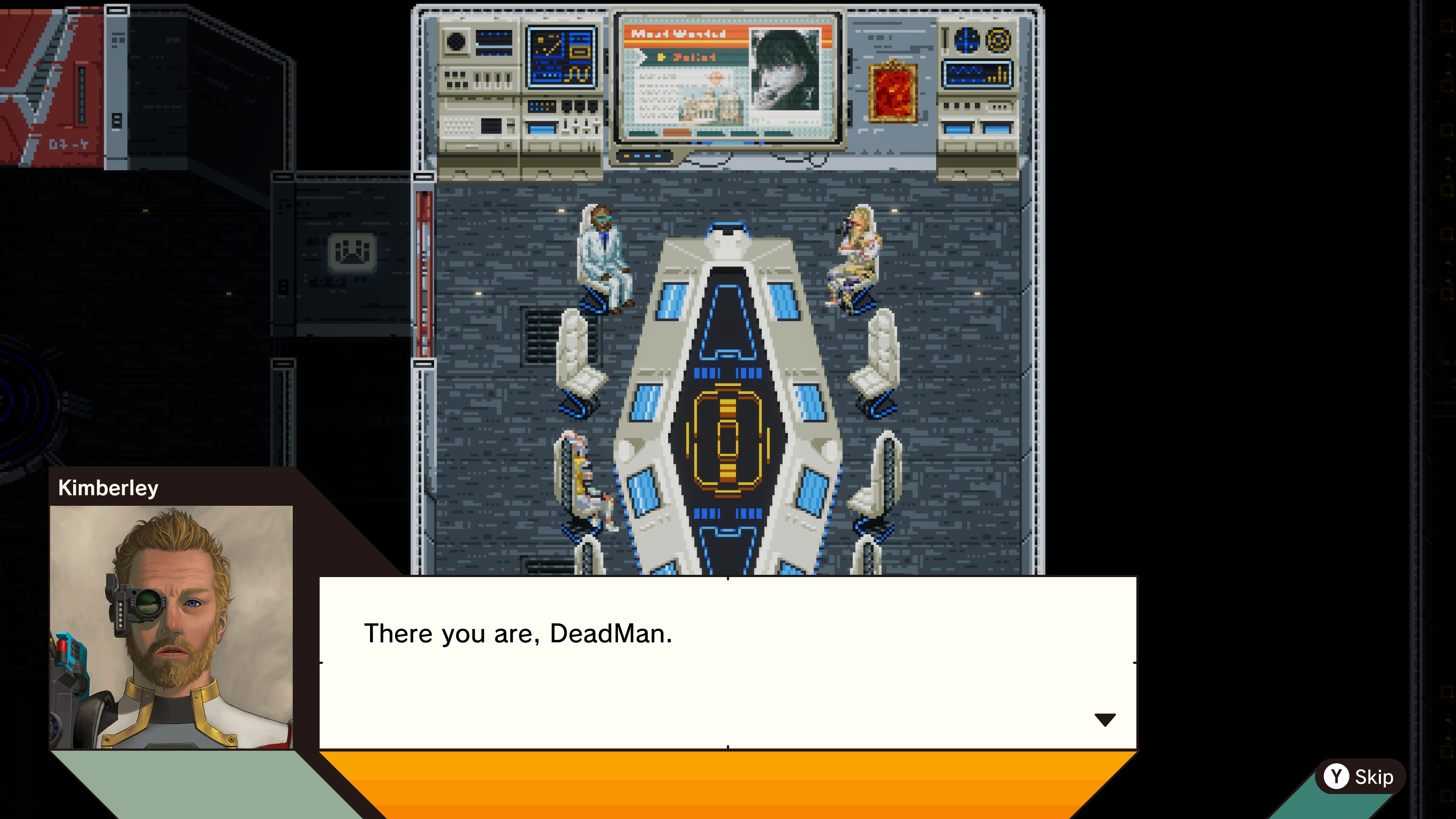
An exception is the spaceship hub seen in Romeo is a Dead Man, for which Grasshopper had, in fact, produced concept art for the interior. This was then a case of adapting the design into pixel art while maintaining the overall aesthetic, which Kabaya found an enjoyable challenge.
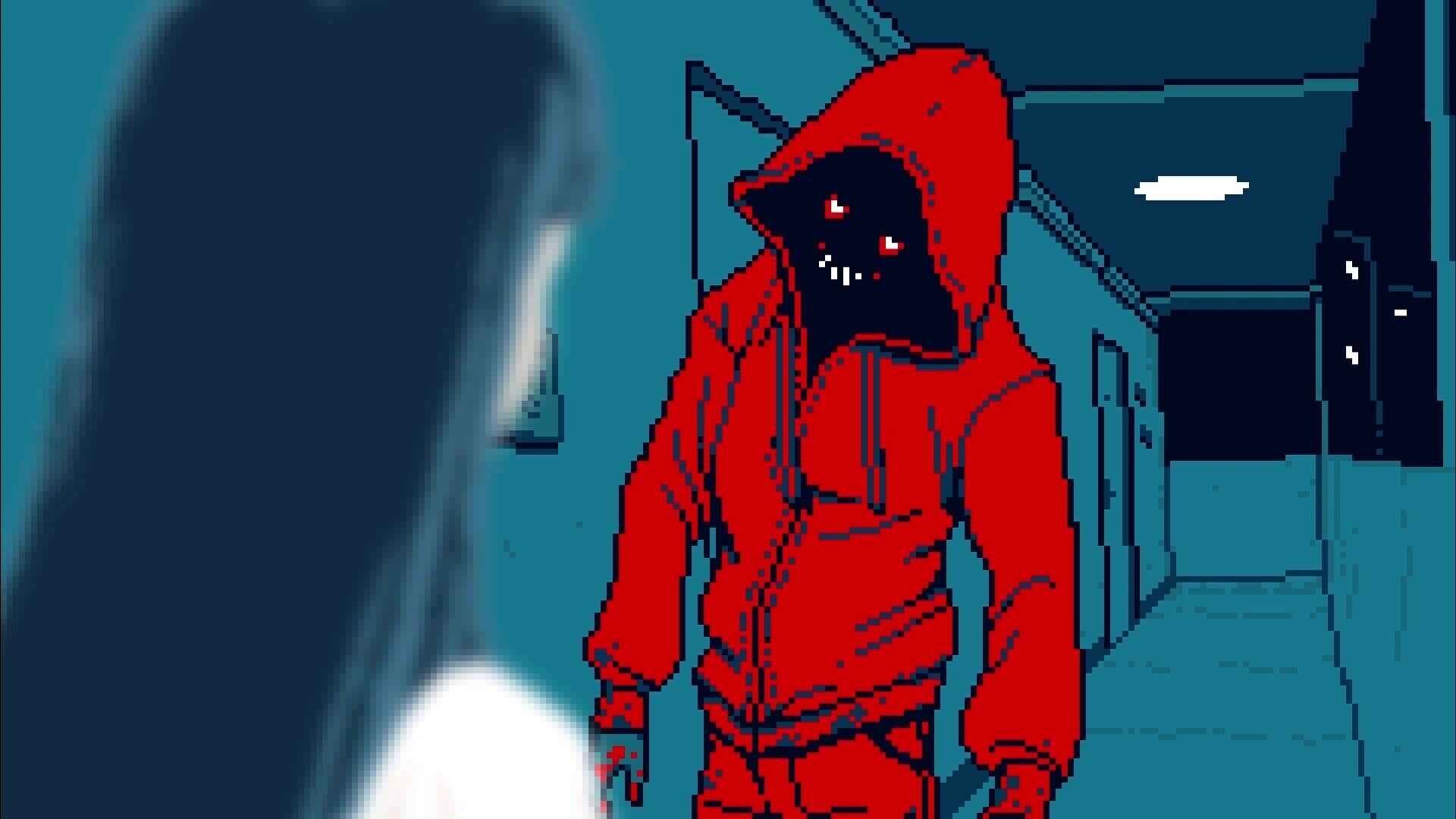
Although there is a range of software dedicated to pixel art creation, Kabaya's personal choice remains Adobe Photoshop. "I’m always trying out various newly released specialised tools, but I’ve grown so accustomed to Photoshop that I just can’t bring myself to switch away from it," he admits, though this is also perhaps down to the fundamental process of creating pixel art remaining "almost laughably unchanged".
As he details, "Photoshop retains nearly all of its ancient features from the days when every aspect of computer graphics was pixel art, and in fact, it is an exceptionally capable pixel editor. It now comes fully equipped with animation creation capabilities, and since it can easily share resources with Adobe After Effects - which I use for video editing - it’s incredibly useful."
While Kabaya states that creating pixel art is not as demanding as it might be perceived, in comparison to, say, the manual pressure and precision of holding a drawing pencil or brush, he does, however, warn of the aesthetic challenges from external factors. (Read our guide on how to break into pixel art.)
"The most widely used compression formats on the internet today - such as JPEG and H.264 - completely destroy the beautiful pixel edges, and GIF, which used to be the ideal medium for pixel art, is automatically replaced with MP4 on the web, and the number of services that support it has dwindled significantly," he laments.
"To avoid the damage caused by this, pixel artists have to go through the trouble of manually applying upscaling before submitting their work to the web. It’s a huge hassle. On top of that, some home TVs come equipped with a default feature designed to 'enhance image edges' - an effect that is, to us, highly destructive. It’s safe to say that pixel art is undeniably at odds with our high-resolution society."
Nonetheless, pixel art continues to evolve, and although game publishers like Square Enix are guilty of questionable ports of classic games with smoothed-out pixels, the HD-2D aesthetic seen in Dragon Quest III HD-2D Remake has helped give the genre a modern edge. While Kabaya acknowledges this new coming together of old and new, he is ultimately most interested in the universality of pixel art, neither modernised to the point that what makes it so appealing is lost, nor merely reproducing what was done in previous eras.
He says, "I believe that the constraints of today’s pixel art are not technical limitations, but rather ones we create or choose for our own purposes," he concludes. "At their core, there should be some kind of joy in creation."
For more of Hattori Graphics' work, check out the website or follow on Instagram.
Creative Bloq is now easier to access than ever before with our on-the-go app, which brings you all the content you know and love from our website, but in a super-streamlined design.