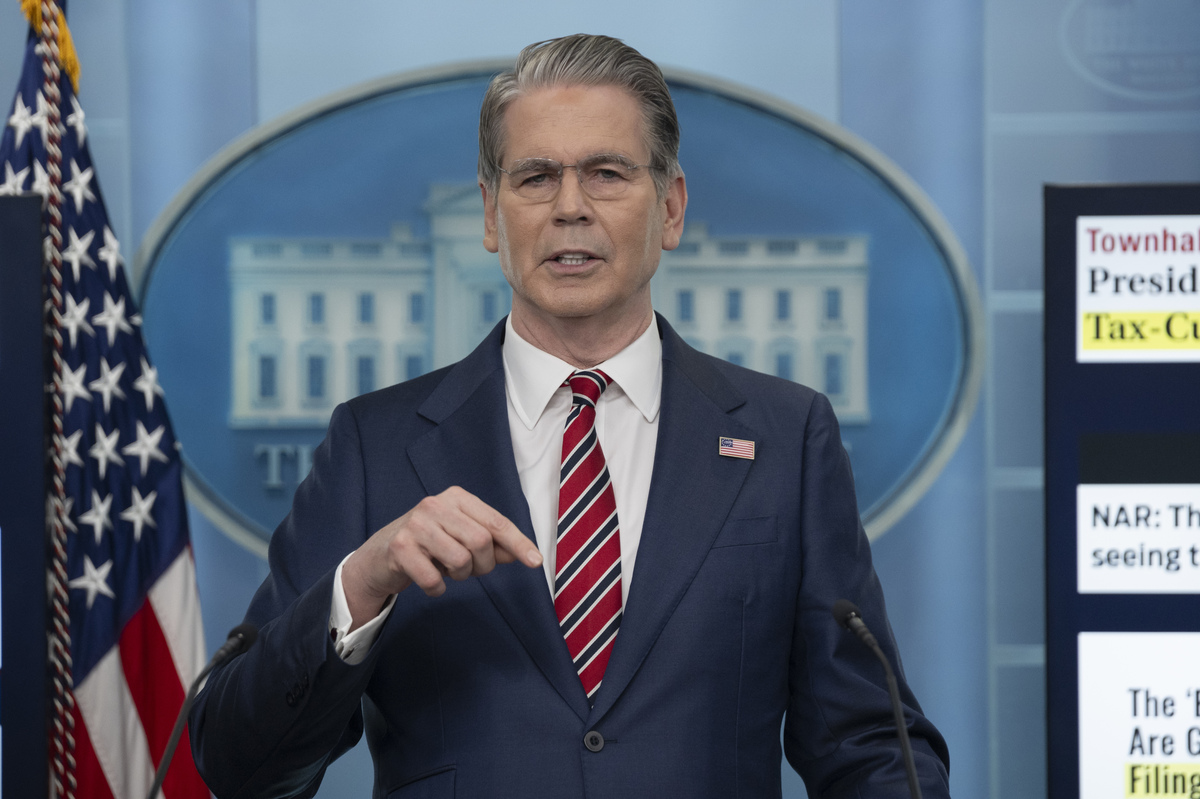
The recent statement by U.S. President Donald Trump about Iran’s financial losses from the closure of the Strait of Hormuz is less a policy position and more a late attempt to justify a political, military, and moral failure.
Instead of addressing what the world was actually waiting for — the fate of the theocratic and repressive system in Tehran — Trump retreats into the language of numbers: Iran is losing $500 million a day, soldiers are unpaid, liquidity is drying up. This accounting vocabulary usually appears when decision‑makers are unable to present a real political achievement. It is not the language of a leader waging a war to topple a regime, but the language of a businessman trying to reassure shareholders that the losses are “under control.”
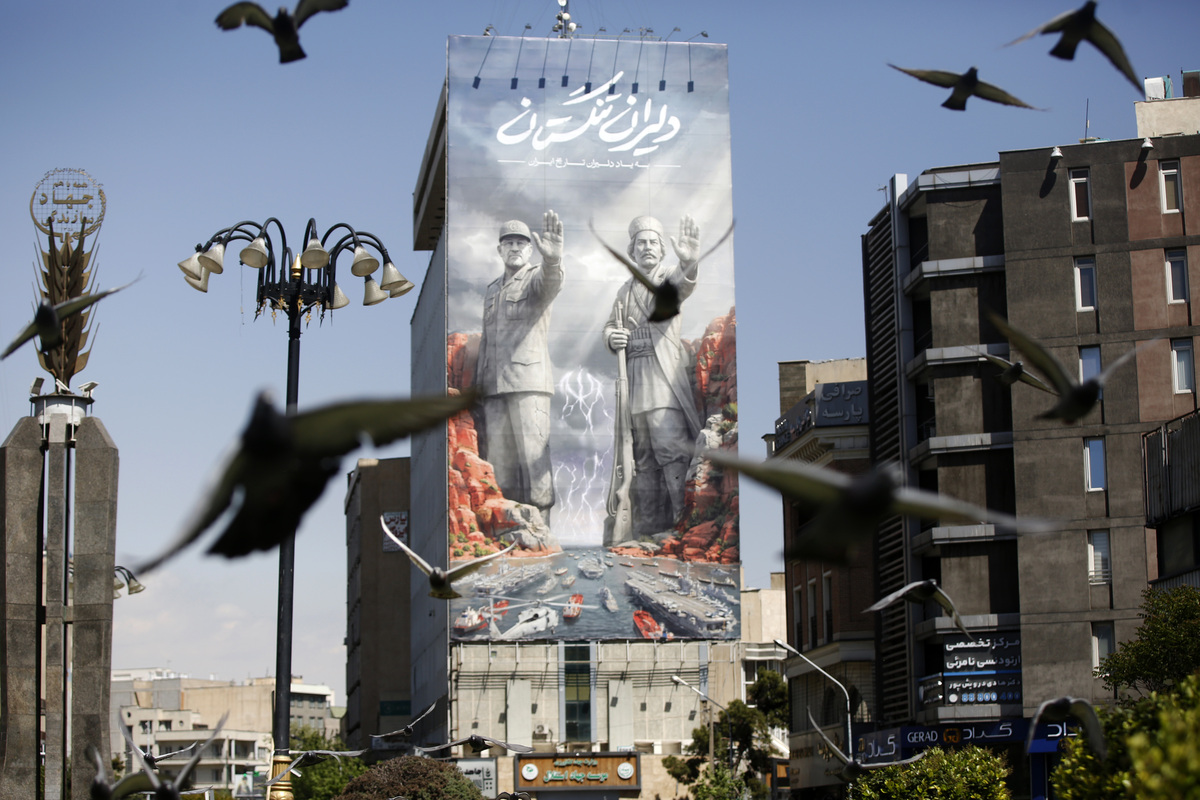
From the first week of the war, large segments of Iranians — inside the country and across the diaspora — were hoping for the moment the regime that has weighed on their lives for more than four decades would finally fall. But it quickly became clear that the war was not designed to bring down Ali Khamenei’s system. It was designed to reshape regional power balances, even if that meant sacrificing Iran as a state and a society.
This is where the sense of betrayal began: the people who dreamed of liberation discovered that the war was being waged above their heads, not for their sake.
As Trump extends the ceasefire indefinitely, he offers a textbook example of the rhetoric of failure. He waves the threat of Iran’s financial collapse, speaks of the pressure on the Strait of Hormuz, hints that Tehran is “begging” to reopen the waterway — yet avoids acknowledging the heavier truth: the regime whose bases were bombed, whose military and economic infrastructure was hit, and whose senior commanders were killed, still stands. No one can claim Iran emerged victorious from this devastating campaign, but no one can grant Trump a certificate of victory either. The regime’s survival is the clearest expression of a shared defeat — the defeat of the project to topple it, and the defeat of the hopes of the people who believed that moment had finally come.
More troubling is that this outcome pushed many Iranians to step back. When they realized the war was not aimed at removing the regime but at destroying Iran itself, part of the public mood recoiled from the idea of “external salvation.” The instinct to preserve the state — even under a repressive authority — began to outweigh the desire to overthrow it. Here lies the harsh paradox: a war marketed as a historic opportunity to end the regime ended up reinforcing its narrative of a “plot against Iran,” giving it a new pretext to suppress dissent in the name of an “existential threat.”
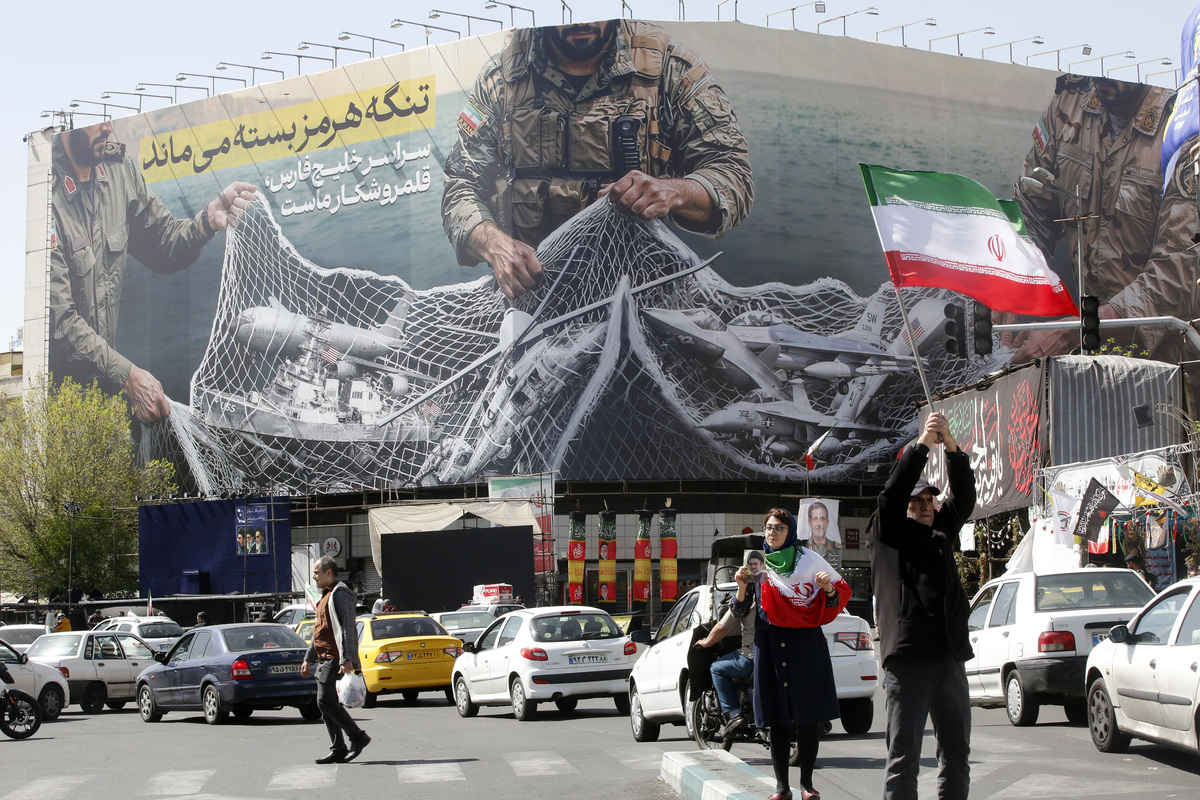
No one can predict what Trump might do next; he is capable of combining contradictions in a single statement. Iran is “collapsing financially,” yet it is simultaneously able to dictate terms in the Strait of Hormuz. It wants the strait opened and closed at the same time “to save face.” This is not a slip of the tongue but part of a strategy of managing conflict by keeping every door half‑open and every scenario plausible — paving the way for one likely outcome: an agreement with the regime in Tehran, not with the Iranian people.
Such an outcome, if it takes the form of a settlement that recycles the regime and grants it renewed legitimacy, will not be welcomed by the Iranian population that has lived under this system for forty years. It would be a stark admission that the thousands who died in this war — and before it in waves of popular uprisings — were not enough to convince the world that the problem in Tehran lies not only in its behavior or its regional ambitions, but in its very existence as a closed, coercive structure.
From a strictly political perspective, what Trump is doing now is an attempt to redefine defeat as “successful pressure.” He speaks of financial collapse, daily losses, and salary crises to obscure the deeper reality: the core objective — toppling the regime or even dismantling its foundations — has not been achieved. Meanwhile, the Iranian regime emerges wounded but standing, able to tell its people it survived the assault of “the world’s greatest power,” and that what happened was merely another chapter in the saga of “Western conspiracy.”
Thus, the regime’s survival after all this bombing and all these losses becomes the harshest expression of defeat — the defeat of the belief that war could be a tool for change, and the defeat of the people who discovered that their fate is decided in negotiation rooms where they have no seat.
As for the world, and for the regional states harmed by Iran’s hegemonic policies, this is not what they were waiting for: not an open‑ended ceasefire, not a strait opened and closed according to the rhythm of bargaining, but a fundamental solution that redefines regional security beyond the logic of sectarian militias and proxy wars.
In the end, Trump may continue speaking about financial losses, the Strait of Hormuz, and imminent collapse. But what he cannot conceal is that the Iranian people — who hoped for the fall of the regime — now find themselves once again alone, facing a power that has mastered the art of survival, and a world that has mastered the art of excuses.
The views expressed in this article belong to the author and do not necessarily reflect the editorial policy of Middle East Monitor.