
Remember me



Finnish game studio Housemarque has gone through one hell of an evolution. Originally known for science fiction-themed top-down "bullet hell" games, the studio's output exploded in scope and scale after being acquired by Sony Interactive Entertainment in 2021. In 2022 it released Returnal, a third-person action game that melded the bullet-dodging gameplay of its previous games with an ambitious, horror-tinged science-fiction story.
As many developers know, integrating narrative design into your process isn't as simple as writing a compelling script, recording voice lines, and calling it a day. Housemarque was already making a massive technological leap with its jump to third-person action and the run-based roguelike format. Critics loved it—though the studio chose to add a "suspend cycle" feature to give players breathing room.
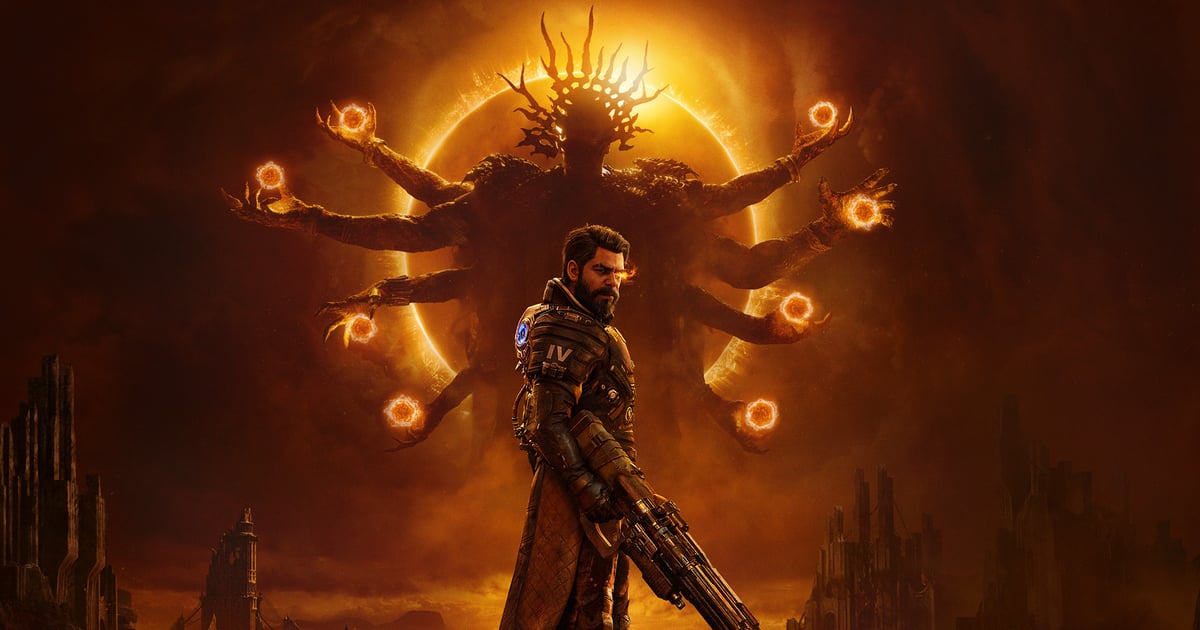
Now the studio is preparing to release Saros, another dark science fiction game built on Returnal's looping gameplay and combat systems, though it has traded "bullet hell" for "bullet ballet" this go-around. Once again, the game features a narrative that trades the dreamlike horror of Returnal for a harsher tale of a rescue mission gone south on a gothic world where the sun seems to be driving everyone insane.
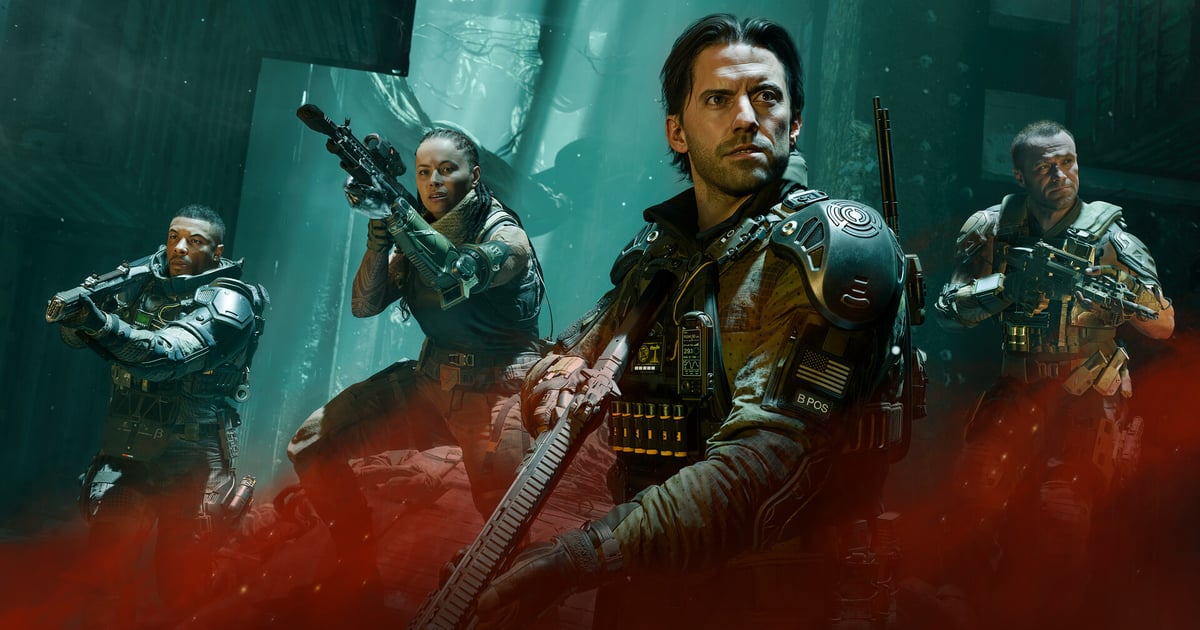
"Everyone" is a notable word there, because Saros features a larger story and cast of characters than Returnal, which mainly focused on the player character Selene (voiced by actor Jane Perry). In Saros, TV and film actor Rahul Kohli steps into the spotlight as player character Arjun, but Perry and a host of other actors fill out the cast as the doomed crew of corporate stiffs sent to rescue a lost colony on the planet Carcosa.
The producers among our readership might be sweating right now. Every character, every story beat, and every cinematic is another piece of the development puzzle that has to be accounted for. And in a "gameplay-first" studio like Housemarque, how do you beef up your storytelling without weighing down the work of designers, programmers, artists, audio engineers, and other developers trying to keep the glowing bullets flying in the right direction?
Saros creative director Gregory Louden had some answers. In an interview with Game Developer, he explained the steps the studio took to build out its narrative ambitions—expanding the storytelling team and making selective choices in how Saros improves on the narrative design of Returnal.
New narrative teammates helped shape Saros' storyIn game development, every new hire at a studio can boost a company's development prospects—but they can also add to the company's overhead costs and in the worst circumstances, overload other team members as their output creates new bottlenecks. This practice is exacerbated if you treat new hires as interchangeable parts, rather than considering the talents, wants, and needs of each individual.
Louden explained that to build Housemarque's narrative chops, the team needed a mix of full-time hires and support from other internal PlayStation teams. "We got more help because we knew we wanted to do more," he said. Expanding the game's cast meant expanding the number of actors who needed to be recorded, and for that, Housemarque turned to the PlayStation dialogue team for help. "Even that single example—even just doing more audio logs with more perspectives—was immediately a bigger thing."
The team also divided Louden's role on Returnal into two other roles: narrative director and narrative producer. "It was nice to get some help," Louden said, some sense of relief apparent in his voice. William Shaughnessy stepped into the role of narrative director and Mira Feng was hired as narrative producer. "It was about growing the team as sustainably as we could, and then getting a bit more production support," Louden said.
He also noted that the cinematics team brought on new talent to punch up moments like the (very) short vignettes that take place as players transition through different game states—particularly the visions that appear when players die and they're resurrected at their home base.
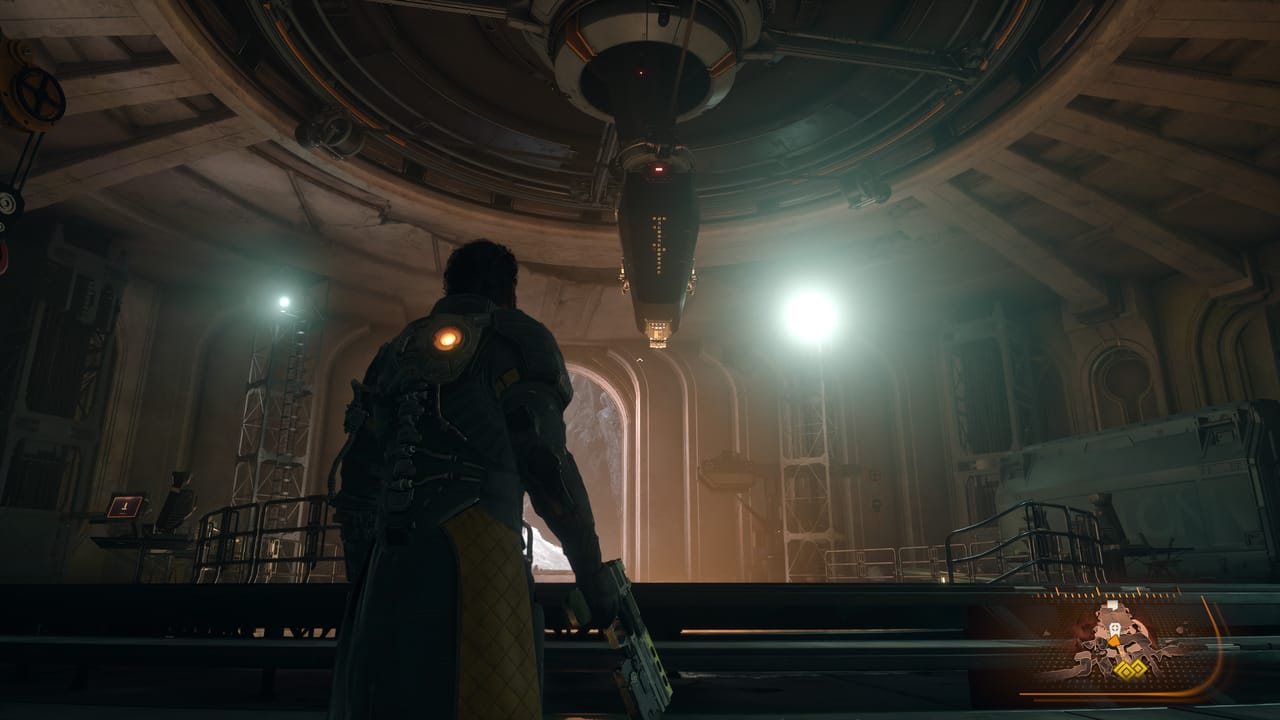
Image via Housemarque/PlayStation
Khalil Osaimi, who bears the title "senior narrative designer, cinematics" at Housemarque, had also joined our conversation, and his backstory shows how the unusual paths into game development can shape a game's work. This is actually Osaimi's first official job in the world of narrative design. In his previous life, he was a cinematographer and videographer who joined Housemarque in the brand and marketing department during the making of Returnal. "I wanted to take some of that flair and introduce it into what we do with our trailers," he said. "I worked closely with [Louden] and others on Returnal, and it just seemed like a natural next step in the evolution of what I wanted to do at Housemarque."
Saros' cinematics are certainly a standout feature in the story. Cinephiles in the audience might recognize shades of the 2007 film Sunshine 1997's Event Horizon. Both movies are about space missions gone horribly wrong, where the cast's mental health and sanity deteriorate in the face of cosmic forces. Sunshine keeps a more grounded, realistic approach to its space horror, while Event Horizon opens a literal portal to hell.
"It's like having the biggest crew and set possible every single day with so many tools at your disposal," Osaimi said after we asked about comparing his cinematography work to his cinematics work. "But we're a gameplay-first studio, right? Finding these moments in the story...where to take the breaks, where to [slow down] the pacing, it's different than transcribing a script or screenplay where you just say 'all right, we got the shot.'"
"Now it's like asking 'what could be a player's motive after the cinematic ends? Where will they head to next on Carcosa? Is it Eclipse State? Is it not Eclipse State? You're thinking about all these different parameters all the time."
"Eclipse State" here refers to a stage of gameplay where the player triggers a solar eclipse on Carcaros. (How? You'll have to play it to find out.) Enemies are tougher, bullets are more lethal, and the soundtrack and sound effects grow more intense in tone and volume.
Saros' pacing is also something that Sony has been hammering home as a major improvement over Returnal. In that game, players could only take a "break" on their run after death. If they closed the game for any reason, they'd lose progress (hence the aforementioned post-launch suspend cycle feature).
This time, players are regularly looped back to camp, where they can speak with other characters, upgrade Arjun's abilities, and, most importantly, take a well-earned break.
Giving actors like Rahul Kohli advance time to prepare for roles boosts their performanceWhile the Housemarque narrative team builds the skeleton of Saros' story, it's the cast of performers who bring it to life. Quality of life for video game performers (including voice actors, motion capture performers, performance capture performers, etc.) has been a bubbling topic in the industry for some time, recently accelerating with the years-long SAG-AFTRA strike for United States-based performers. At this year's GDC Festival of Gaming, a running theme throughout many main events was how performers could be more intertwined with the game development process as one way to bring our creative colleagues more into the fold.
At this year's event, actors Troy Baker and Jennifer English raised the topic at a concert led by composer Austin Wintory, who'd recruited them for a comedy bit featuring mismatched music and dialogue. English had the chance to describe her years-long relationship with Sandfall Interactive, the team behind Clair Obscur: Expedition 33, and the pair invited the audience to think about how their games could do the same.
So did the Saros team employ such closeness? Not exactly—though Louden explained he's passionate about giving actors a better experience preparing for their roles. On many other games, actors are dumped into the booth or capture stage with only a few pages of script and little context for their lines.
It helps when they're passionate about the medium. Kohil—a rare high-profile actor who makes time to play games—was apparently texting Louden about his experience playing Saros during our conversation.
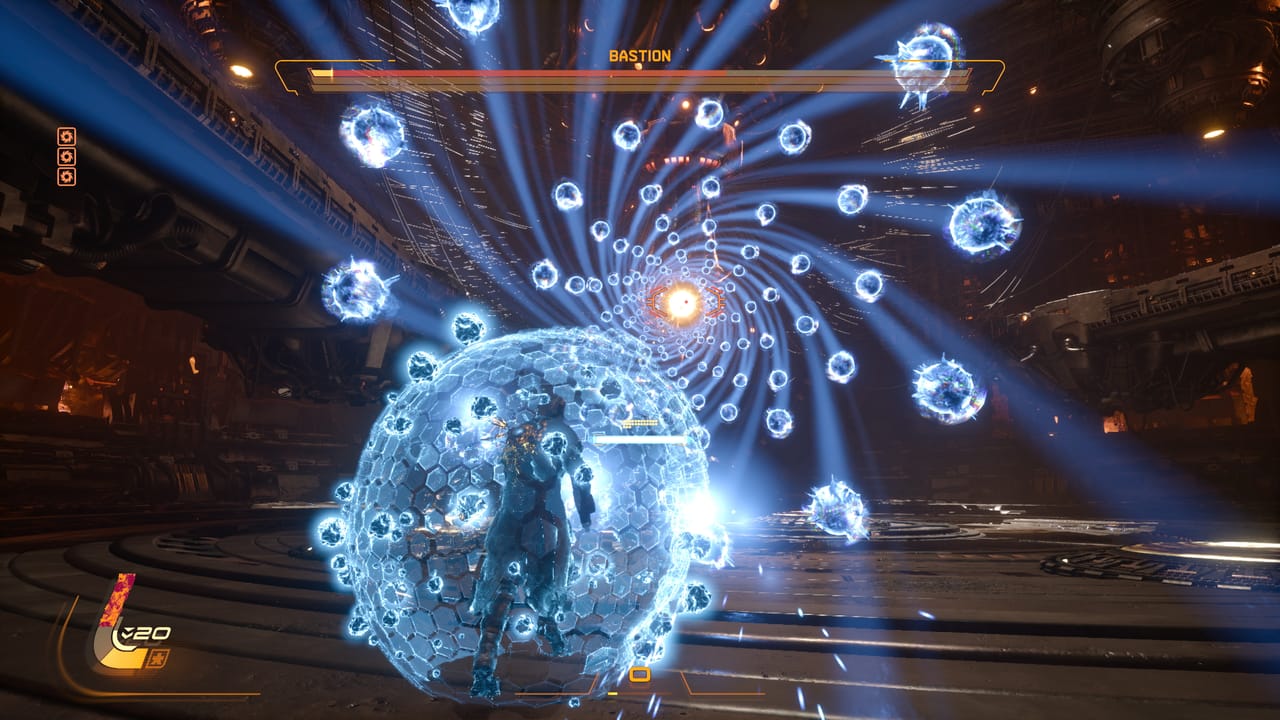
Image via Housemarque/PlayStation
Louden said he's in the habit of getting on a call with every actor to explain the game to them and give them as much preparation as they need to perform. "One of the things I did was I offered every actor [the chance] for an introduction call. The same way I'd introduce anyone on our team, I introduced them as well, and they loved it."
That extra communication also came in the form of providing actors with scripts as early as possible. "We always made sure we gave the actors the script as early as possible. They're all pros. They all know what they're doing, and if you give them context, they bring stuff to the character...that I wouldn't even imagine. It's the coolest thing. It's about giving the actors the time to succeed."
All of this plays out of course, against the backdrop of the aforementioned "bullet ballet" that players dance and weave their way through. All of this work has to be done in a way that can support anything from a minutes-long cinematic to mere seconds of respite from the blaze of glowing orbs. When you don't have much time to tell a story, you have to tell a story in the shortest amount of time—sometimes as little as four seconds—like the short scenes that appear between death and rebirth."
"To go back to traditional filmmaking, it's about thinking about it from a tableau aspect," said Osaimi. "There's a moving shot, but what are we trying to evoke in what is essentially a still frame? How is that going to make the player feel?"
"You have four seconds. What does that evoke in [them] from what they experienced out in the world during gameplay?"
Game Developer and GDC Festival of Gaming are sibling organizations under Informa Festivals.