Britain’s defence industry is holding back investment, recruitment and planning decisions while it waits for the long-delayed Defence Investment Plan, senior figures from BAE Systems, Babcock, QinetiQ and Leonardo told the Scottish Affairs Committee on Wednesday, with all four companies describing a sector that knows money is coming but cannot act at full pace until it knows where that money will go.
Babcock’s John Howie described the current moment as one of three overlapping inflection points, the first being the changed geopolitical landscape, the second being the rapid emergence of low-cost autonomous technology from Ukraine that was forcing the industry to ask fundamental questions about what product development should look like, and the third being the financial consequence of both, saying the UK was waiting “with bated breath” for the Defence Investment Plan and that the large primes were already reorienting around AI, autonomy and uncrewed platforms but that this “will not gather full speed until we understand what the scale of the investment from Government will be and where their buying patterns will shift.”
Leonardo’s Mark Stead was equally direct, saying that most significant defence industry sites in the UK “are, or should be, becoming building sites in order to grow more capability” but that to do so they needed “clearer commitments through the defence investment plan, which will give us guidance, directional planning assumptions, access to investment, and those major programmes of record that feed us and our supply chain.”
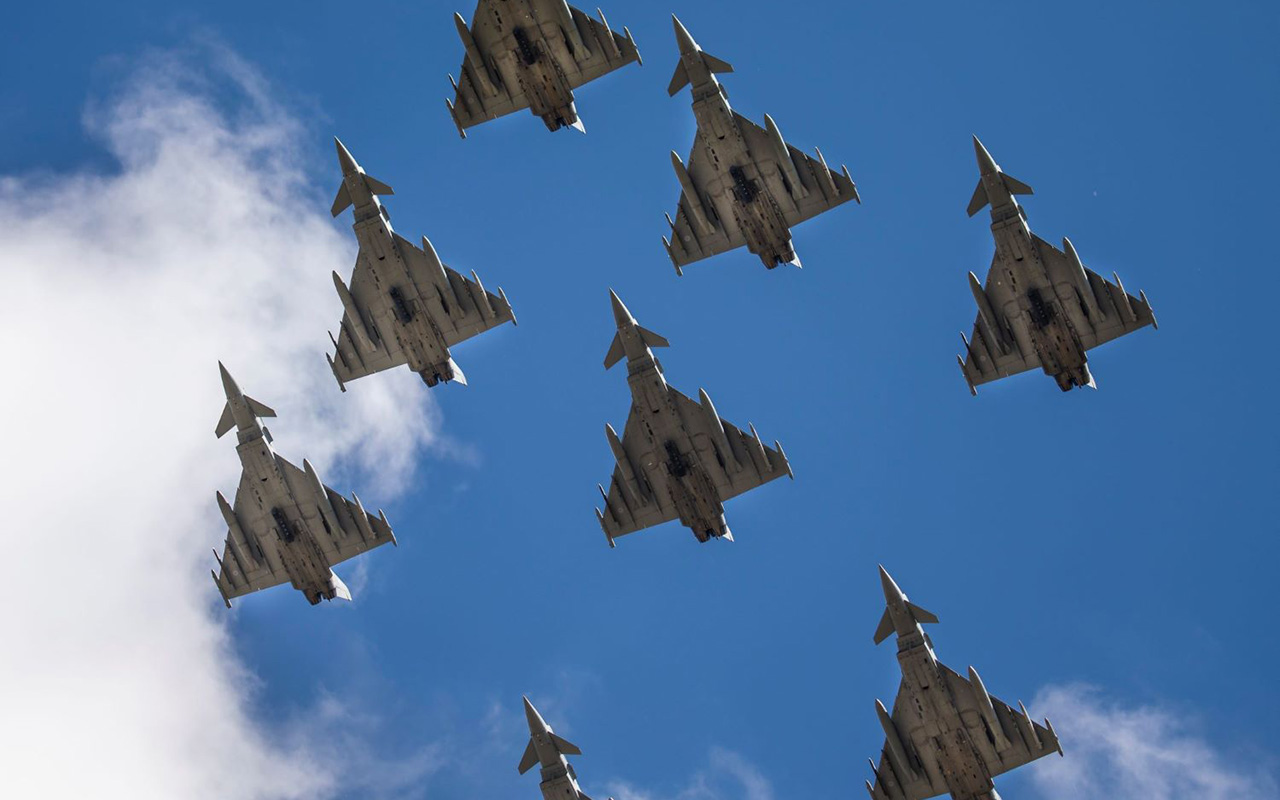
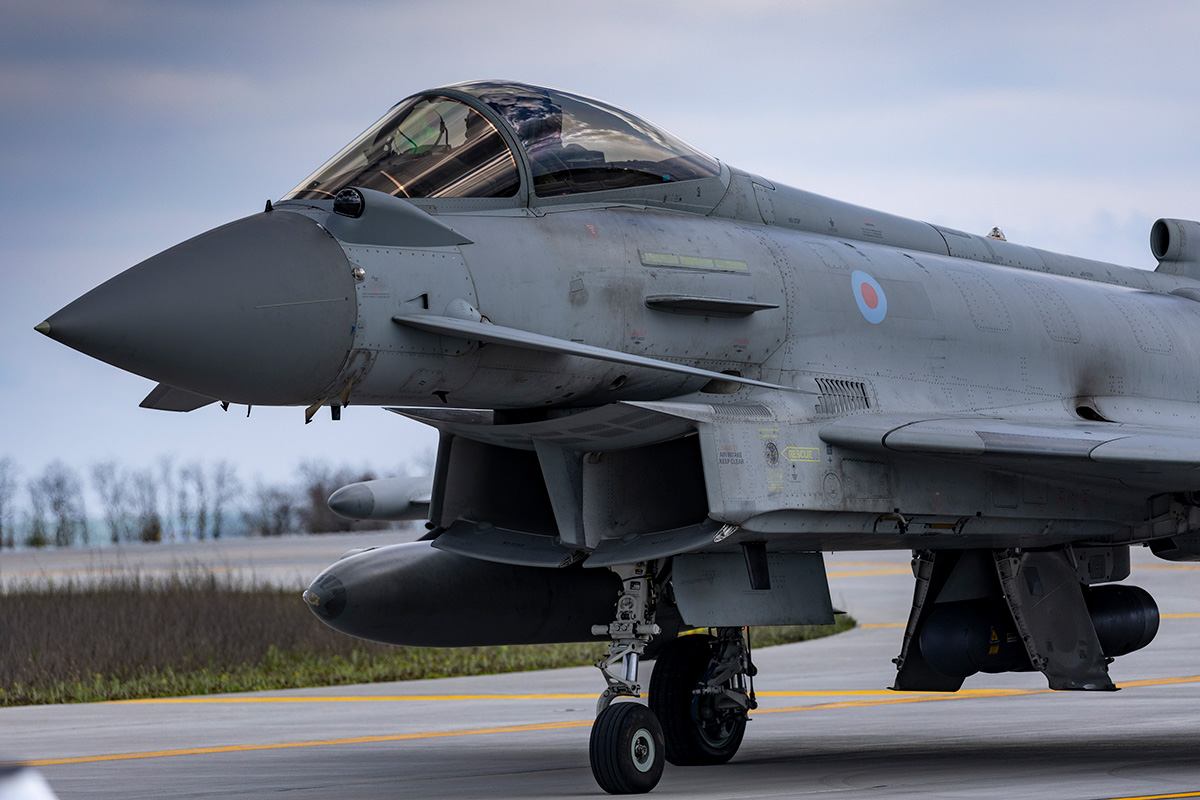
He said Leonardo’s Edinburgh business benefited from existing programmes of record including the ECRS Mk2 radar for Typhoon and the Global Combat Air Programme which had maintained funding through the DIP hiatus, but said the plan “cannot come soon enough” so the company could plan, co-invest and build the skills and capacity needed for national resilience.
QinetiQ’s Cathy Kane confirmed that delays in domestic orders caused by the Strategic Defence Review and Defence Industrial Strategy had already slowed the company’s growth in the first half of 2025, declining to provide specific figures when asked by the committee but saying that “the opportunity to have a long-term strategic vision so that we can adapt our business to ensure that we are delivering what you need is most helpful to us.”
BAE’s Neil Holm said the company had invested over £300 million in the last two years and was looking forward to the Norway Type 26 deal sustaining Clyde shipbuilding well into the next decade, but that the alignment between industrial strategy and defence procurement was “deeply important” and that “a close link between the industrial strategy for the UK and defence procurement will give a huge benefit.”
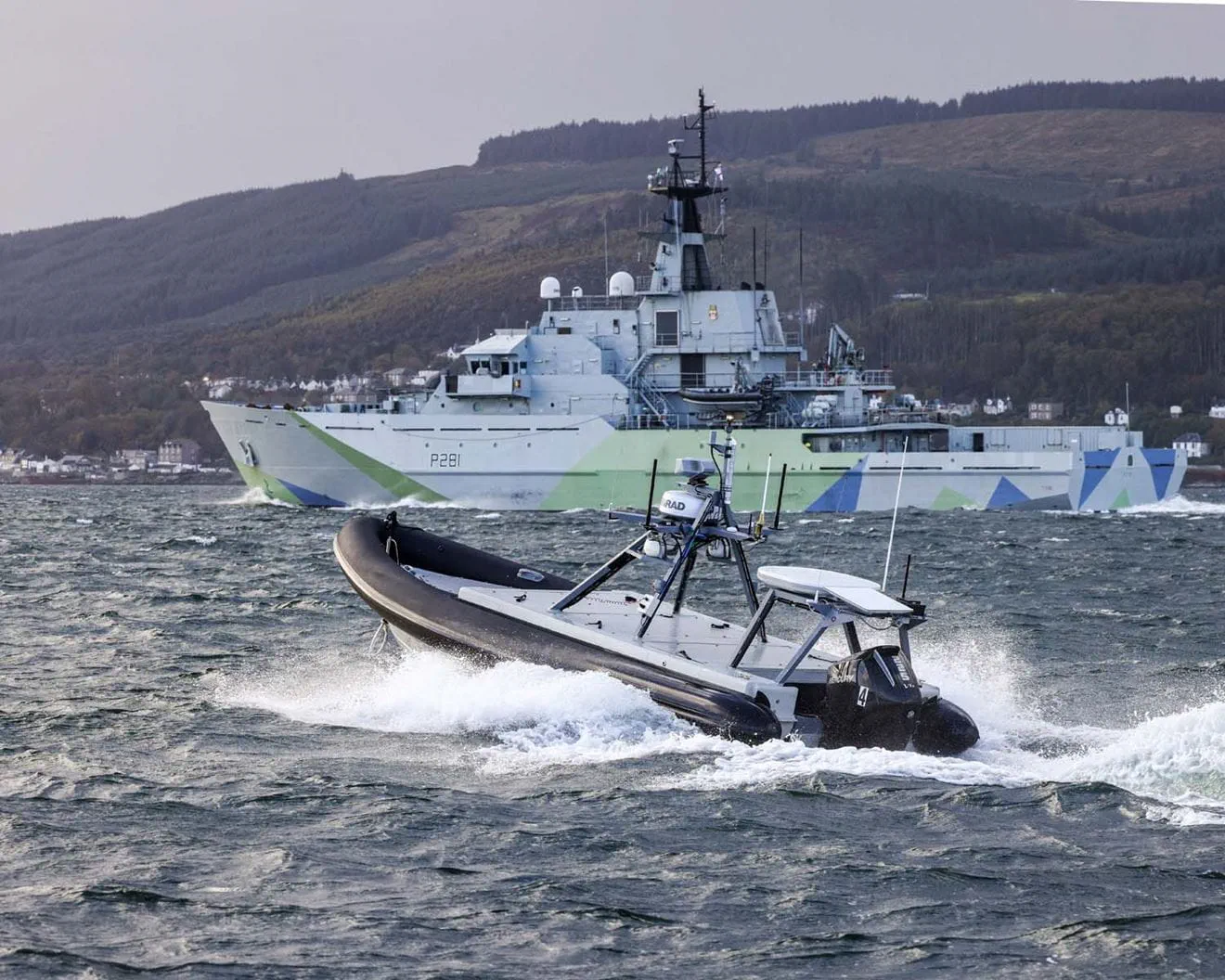
Howie also highlighted a fundamental challenge posed by the convergence of geopolitical urgency and technological uncertainty, asking whether “a billion-dollar missile and a £200 drone carry the same effect” and suggesting the answer to that question was shaping how the whole industry was thinking about where to invest, with companies reluctant to commit fully until the government had clarified its own position on the future force mix through the Defence Investment Plan.
The committee heard that the DIP’s absence was having knock-on effects beyond investment decisions, directly constraining the number of apprentices companies felt able to take on, the pace at which they could grow their workforces, and their ability to give early career workers the long-term certainty needed to make defence an attractive career, with Howie saying the problem came down to “the need for long-term contracts” and that without them the industry could not responsibly take on workers it might not be able to keep.




Comments (0)